
Tesla’s Cybertruck was launched with promises of impressive range capabilities, but recent reports from owners indicate that the actual performance falls short of expectations. This discrepancy has led to significant frustration among buyers, as highlighted in coverage from September 13, 2025. Tesla confirmed on May 7, 2025, that it has abandoned plans for a range extender, leaving owners without the anticipated solution. In response, some have taken matters into their own hands, with one owner building a custom range extender that adds nearly 100 miles of range.
Tesla’s Original Cybertruck Range Promises
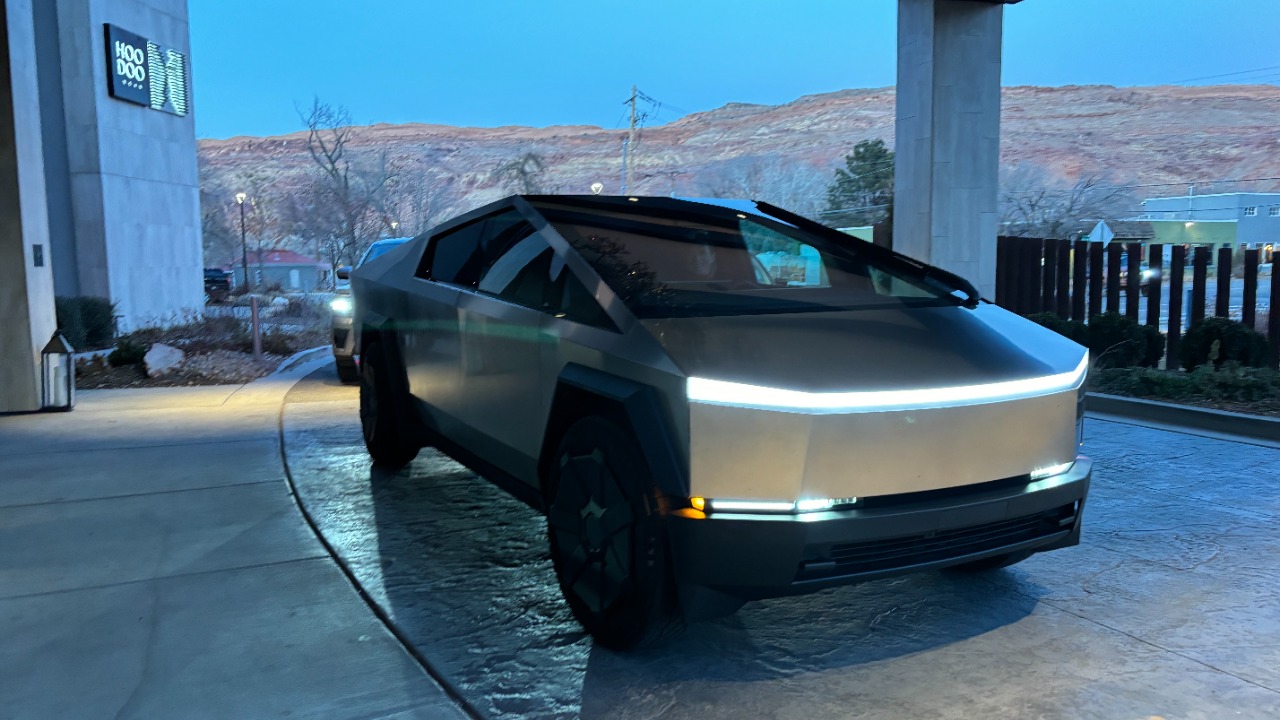
When Tesla first introduced the Cybertruck, it positioned the vehicle as a groundbreaking entry in the electric truck market, promising substantial range capabilities. The initial specifications boasted impressive figures, with different models offering varying battery configurations to meet diverse needs. According to an overview from October 8, 2024, Tesla’s marketing emphasized the Cybertruck’s potential to deliver “big range” without qualifiers, setting high expectations among potential buyers and driving significant pre-orders.
This strategic positioning aimed to establish the Cybertruck as a leader in the long-range electric truck segment. Tesla’s promotional materials highlighted the vehicle’s ability to handle extensive travel without frequent recharging, a key selling point for customers seeking both utility and efficiency. However, these early promises have since become a point of contention as real-world performance data emerges.
In addition to the range promises, Tesla’s marketing campaign for the Cybertruck emphasized its rugged design and advanced technology features, which were intended to appeal to both traditional truck enthusiasts and tech-savvy consumers. The vehicle’s angular, stainless-steel exoskeleton was touted as nearly indestructible, a feature that Tesla claimed would set it apart from other trucks on the market. Furthermore, the Cybertruck was marketed with the promise of cutting-edge autonomous driving capabilities, leveraging Tesla’s extensive experience in developing self-driving technology. These elements combined to create a compelling narrative that attracted significant attention and pre-orders, positioning the Cybertruck as a revolutionary product in the automotive industry.
Real-World Owner Experiences with Range
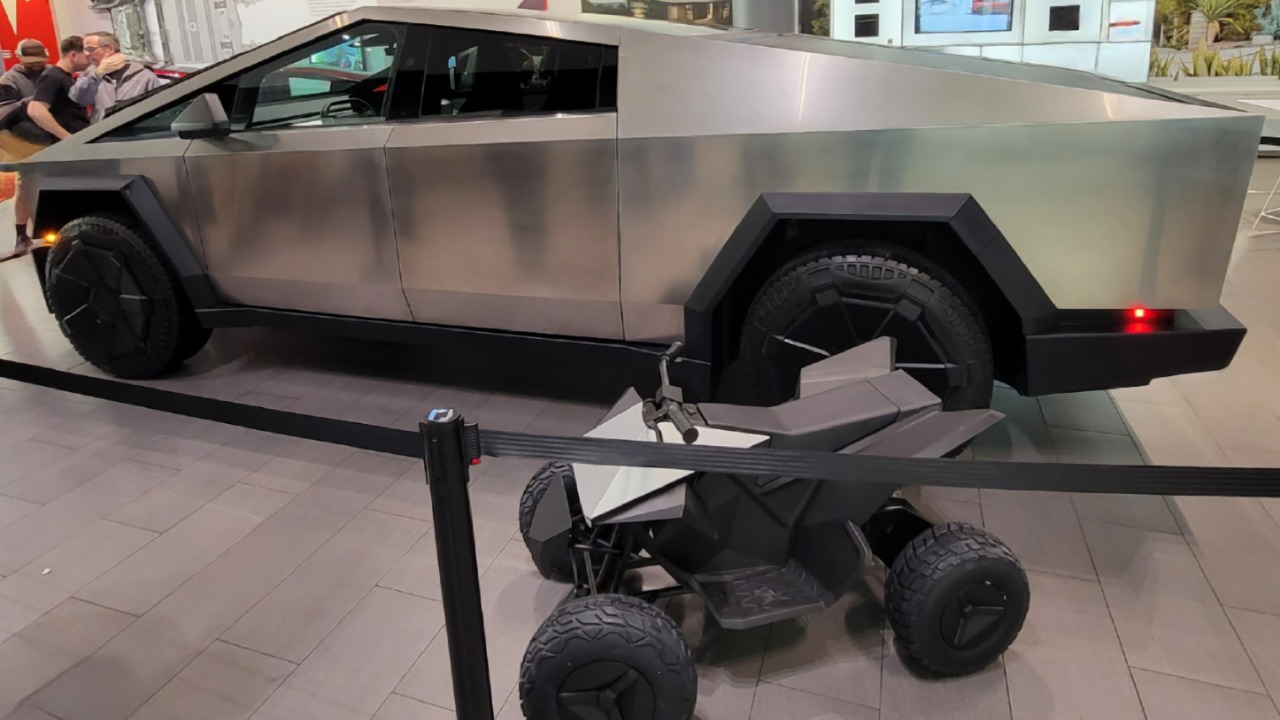
Owner reports have painted a different picture of the Cybertruck’s range capabilities. According to testimonials gathered on September 13, 2025, many users have found that the actual miles achieved fall short of Tesla’s advertised figures, particularly under conditions like highway driving or towing. This gap between expectation and reality has sparked widespread dissatisfaction, with customers voicing concerns about the vehicle’s daily usability and limitations on long trips.
Environmental factors and software updates have also played a role in the observed range discrepancies. Owners have noted that colder weather and certain software changes can further reduce the vehicle’s efficiency, compounding the frustration for those who rely on the Cybertruck for extended travel. These experiences underscore the challenges Tesla faces in meeting the high expectations set by its initial marketing.
Owners have also reported variability in range performance based on driving habits and terrain. For instance, those who frequently drive in hilly areas or engage in aggressive acceleration have noted more pronounced range reductions. This variability highlights the importance of driving style and environmental conditions in achieving optimal range, a factor that Tesla’s initial marketing did not fully address. Additionally, some owners have expressed concerns about the accuracy of the vehicle’s range estimation software, which can sometimes provide overly optimistic projections that do not align with real-world performance. These issues have prompted calls for Tesla to enhance its software algorithms to provide more reliable range estimates.
Tesla’s Abandonment of the Range Extender
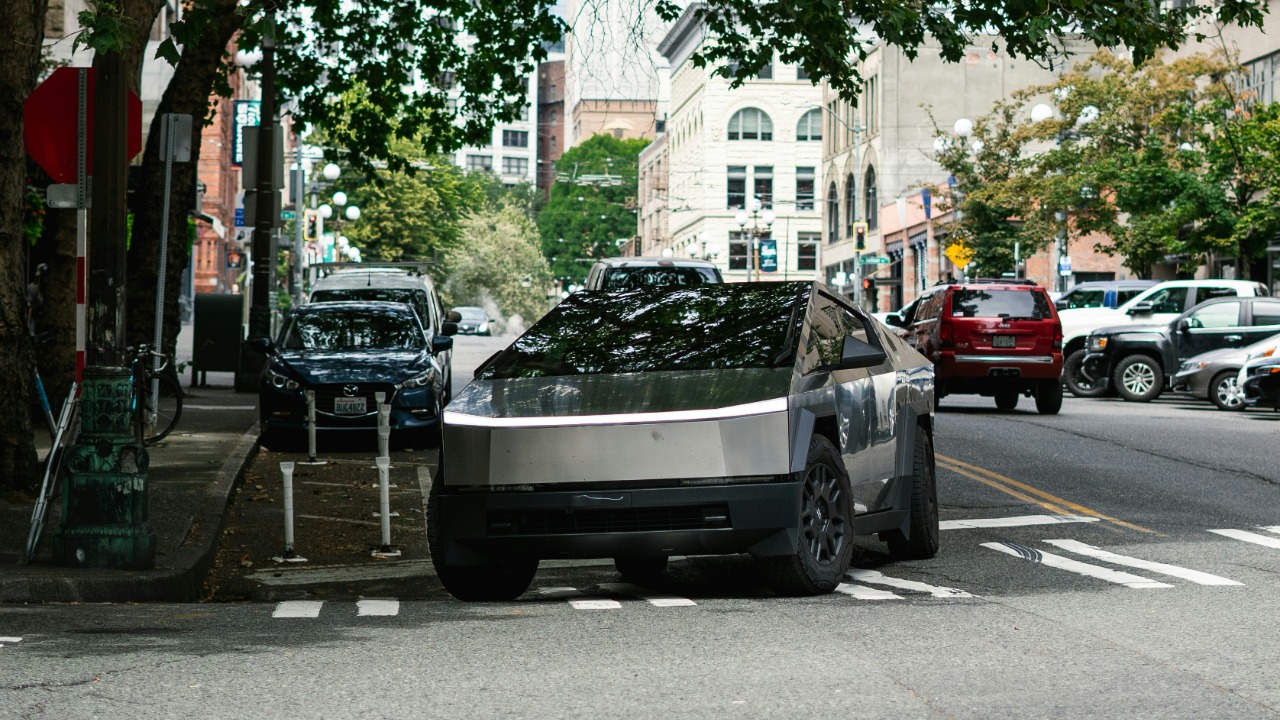
Tesla’s decision to abandon the development of a range extender for the Cybertruck, confirmed on May 7, 2025, has significant implications for owners. The company had initially suggested that such an extender could help achieve the promised range, but its withdrawal leaves customers without an official solution. This move has raised questions about Tesla’s commitment to addressing the range issues and has left many owners feeling unsupported.
The absence of a range extender affects the Cybertruck’s overall value proposition, especially for those who had counted on this feature for extended travel. Tesla has not provided alternative solutions, leaving owners to explore aftermarket options or personal innovations. This shift has prompted some to reconsider the Cybertruck’s competitiveness compared to other electric vehicles that offer more reliable range performance.
The decision to forgo the range extender has also sparked discussions about Tesla’s strategic priorities and resource allocation. Some industry analysts suggest that Tesla may be focusing its efforts on other projects, such as the development of new battery technologies or the expansion of its Supercharger network, which could indirectly address range concerns by making charging more accessible. However, this shift in focus has left some Cybertruck owners feeling marginalized, as they perceive a lack of direct solutions to their specific range issues. The absence of a range extender has also led to increased interest in third-party solutions, with some companies beginning to offer aftermarket products that claim to enhance the Cybertruck’s range.
DIY Solutions and Owner Innovations
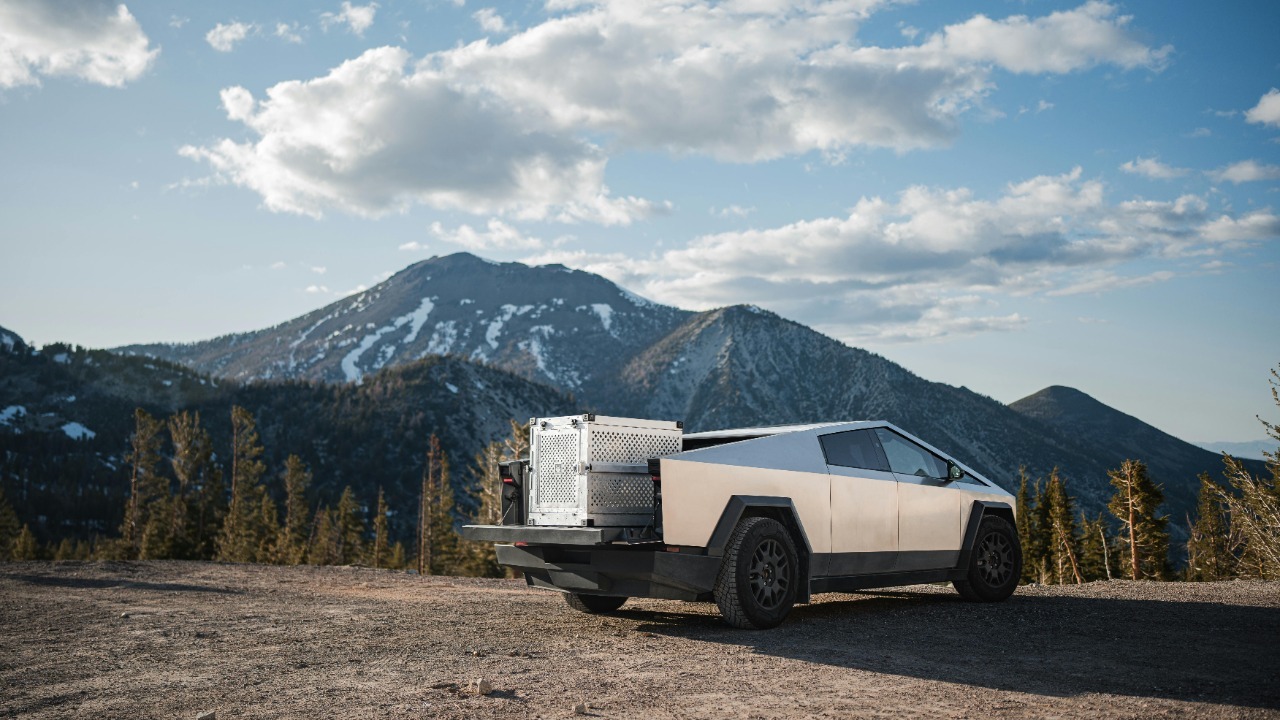
In light of Tesla’s decision not to offer a range extender, some Cybertruck owners have taken matters into their own hands. One notable example involves an owner who built a custom range extender, adding nearly 100 miles of extra range. This innovative solution, reported on September 19, 2025, highlights the lengths to which some are willing to go to enhance their vehicle’s performance.
The technical details of this custom build include specific components and installation challenges, showcasing the ingenuity and resourcefulness of Tesla’s customer base. This trend of DIY solutions reflects a broader movement among Cybertruck owners to seek aftermarket or homemade fixes in response to official shortcomings. Such efforts underscore the community’s resilience and determination to maximize their vehicle’s capabilities.
This trend of owner-driven innovation is not unique to the Cybertruck but is part of a broader culture among Tesla enthusiasts who often seek to personalize and optimize their vehicles. Online forums and social media groups have become hubs for sharing tips and modifications, fostering a community of collaboration and shared knowledge. These platforms have enabled owners to exchange ideas and support each other in overcoming the challenges posed by the lack of official solutions. The ingenuity displayed by these owners not only highlights their commitment to maximizing their vehicle’s potential but also underscores the potential for grassroots innovation to influence the broader electric vehicle market.
Broader Context in Tesla’s EV Lineup
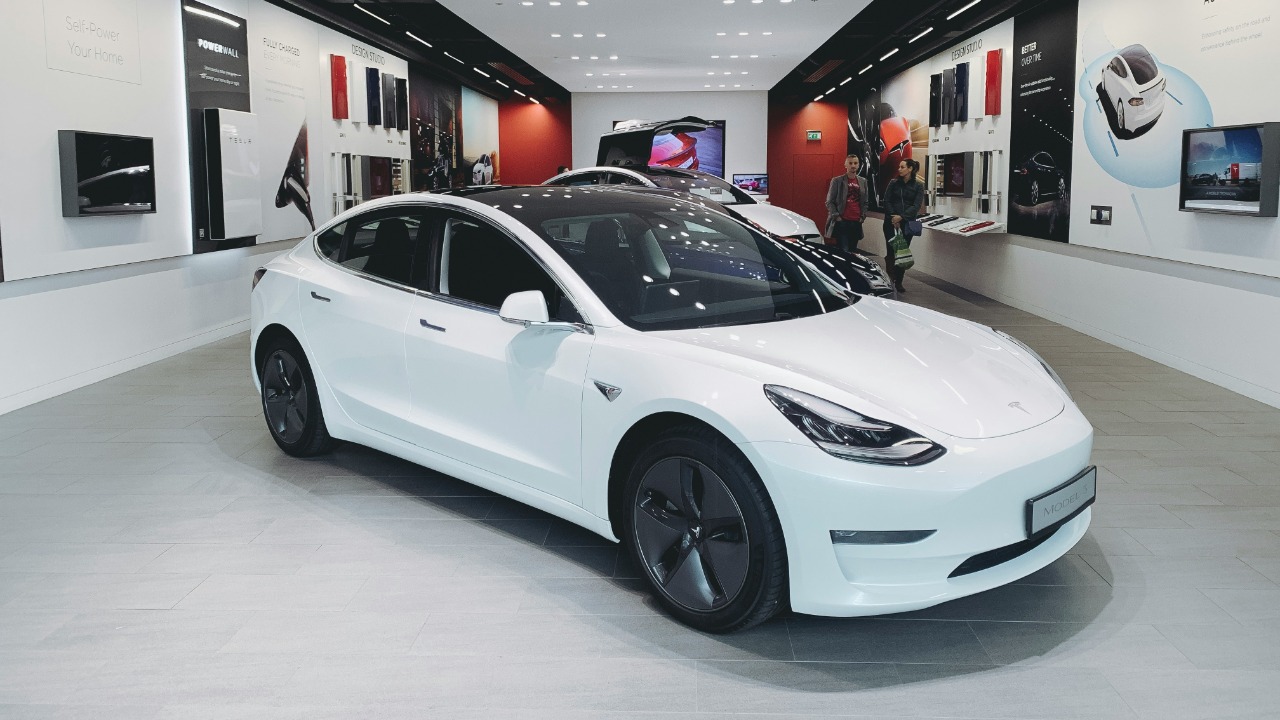
The range issues faced by the Cybertruck are not isolated within Tesla’s lineup. Comparisons with other models, such as the updated Tesla Model Y, revealed on January 24, 2025, suggest that similar challenges may exist across the company’s offerings. This broader context raises questions about Tesla’s ability to consistently deliver on its range promises and maintain customer satisfaction.
Customer reactions to the Cybertruck’s specifications and range are part of a larger narrative within Tesla’s electric vehicle portfolio. As detailed in the October 8, 2024 overview, the company’s ambitious goals have sometimes led to discrepancies between marketing and reality. Looking ahead, potential responses from Tesla could include software improvements or hardware revisions, drawing on patterns observed in models like the updated Model Y. These developments will be crucial in determining Tesla’s future success in the competitive EV market.
