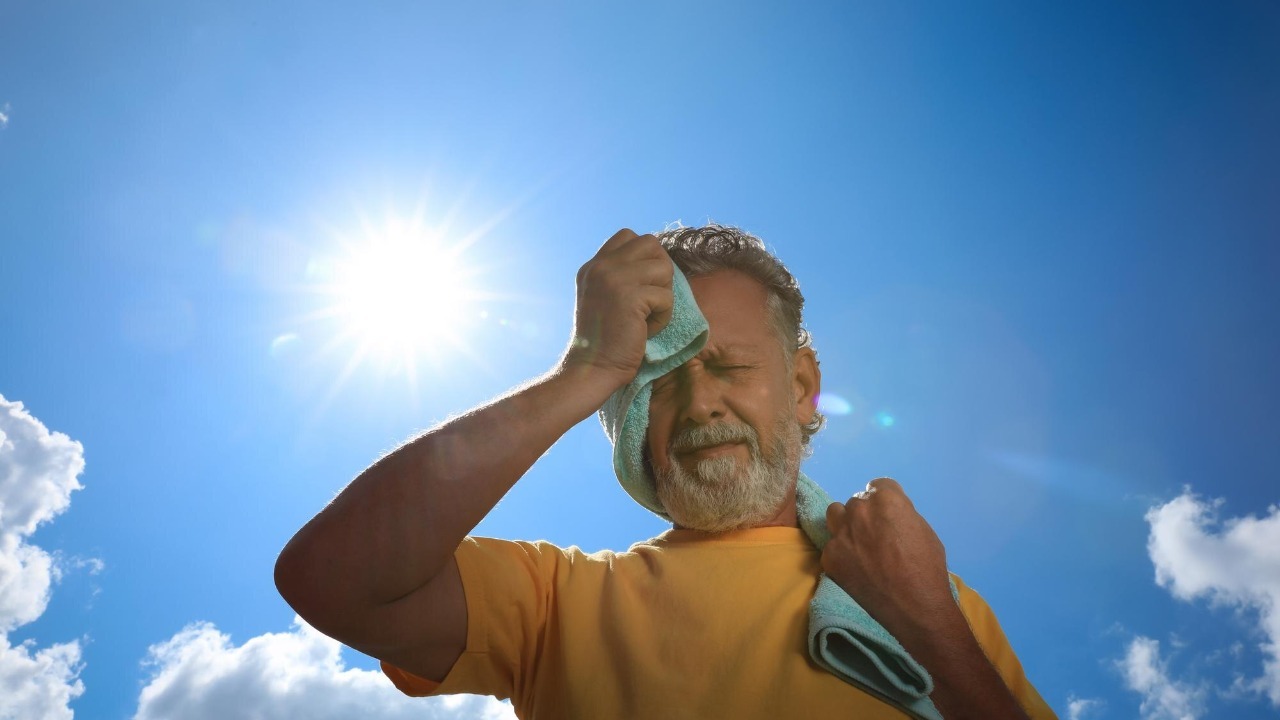

For the first time since records began, Cuba has woken up to a true freeze, with thermometers hitting the freezing point in a country better known for sultry Caribbean nights than frost. The unprecedented chill has rewritten the national record books and turned a routine cold front into a historic weather event. It is a jarring reminder of how even tropical climates can be jolted by extreme swings as the atmosphere warms and destabilizes.
The freeze has rippled from rural weather stations to the streets of Havana, where residents bundled up against a cold that felt as shocking as any hurricane landfall. I see it as a moment that forces a fresh look at how vulnerable warm-weather societies are to the other end of the climate spectrum, not just to heat and storms.
How a tropical island hit 0°C for the first time
Cuba’s climate is famously warm and humid, shaped by the surrounding Caribbean Sea and the trade winds that usually keep temperatures comfortably above the freezing mark. That is why the report that the Indio Hatuey weather station in Perico registered a low of 32 degrees stunned meteorologists. That reading, equivalent to 0°C, marked the first time the country has ever officially recorded the freezing point, turning Indio Hatuey into an unlikely symbol of a new climatic frontier for the island.
Earlier this week, a separate account from Hatuey, Cuba, described how temperatures dropped to 0°C, explicitly noting that the station hit 32°F and calling it “a big deal” for a nation that had never seen such a reading. Nationally, officials confirmed that this was the lowest air temperature ever measured in Cuba, a milestone that one detailed report described as the country’s first-time brush with freezing conditions.
The Arctic front that would not stop at the Gulf Coast
The record cold in Cuba did not appear out of nowhere, it was the tail end of a powerful Arctic air mass that had already carved a path of broken records across Florida and the Southeast United States. Meteorologists noted that the same outbreak that toppled all-time lows in Florida and the simply kept moving south, funneled by the jet stream and a favorable pressure pattern that steered the chill straight into the Caribbean basin. In that sense, Cuba’s freeze was the final act of a continental-scale cold wave.
Earlier in the week, forecasters in NEW ORLEANS watched a strong Arctic front sweep through Louisiana, warning that Cold fronts do not simply stall at the Gulf Coast. That system, tracked by WVUE as it crossed the Gulf Coast, continued south over open water, maintaining enough intensity to deliver subfreezing air into the northern Caribbean. Later analysis of the event emphasized that such fronts are not unusual in winter, but the depth of this particular Arctic surge, with references to 50-mph gusts in parts of its path, helps explain how it managed to shatter a tropical country’s temperature record.
From Havana’s streets to rural fields, a nation shivers
On the ground, the freeze translated into scenes that felt almost surreal for residents of a Caribbean capital. In Havana, people wrapped themselves in heavy coats and scarves, bracing against an “unusual drop” in temperatures as an intense cold front settled over the city. Video from the streets showed Havana residents huddling in doorways and plazas, reacting with a mix of disbelief and humor as the mercury flirted with a low of zero degrees Celsius (32 Fahrenheit) in parts of the country.
Nationally, the coldest night on record was described as a rare phenomenon for Cuba’s climate, which typically features mild “winter” nights that still feel warm to visitors from temperate zones. The broader context is that Cuba has been grappling with heatwave warnings amid extreme temperatures in recent years, so the same national meteorological system that has been focused on dangerous heat suddenly found itself logging an unprecedented freeze. That whiplash between extremes is precisely what makes this event so unsettling for residents and planners alike.
Rewriting the record books in a warming world
From a climatological perspective, the new record is striking not only because it is cold, but because it arrives in a country already on the front lines of global warming. A detailed account of the event stressed that this was the first time the freezing point had ever been recorded in Previously warm Cuban records, replacing a prior national low that had stood for decades. Another summary framed it as Cuba experiences its coldest night on record, language that underscores how exceptional the event is in the historical data set.
At the same time, meteorologists who chronicled the freeze pointed out that cold fronts themselves are not unusual in the region, even if this one was particularly intense. One analysis noted that Cold Fronts are a regular winter feature that can bring brisk winds and lower humidity to the Caribbean. What made this episode different was the combination of an unusually strong Arctic source region, a direct atmospheric pipeline from North America, and local conditions that allowed temperatures to radiate downward overnight in interior locations like Perico. In a warming climate, such extremes can coexist with rising average temperatures, a paradox that can confuse the public but is well documented in climate science.
What Cuba’s freeze signals about future risks
For a country whose identity is tied to sun, sea and sugarcane, the first freeze on record is more than a curiosity, it is a stress test of infrastructure and preparedness. Agricultural areas around Indio Hatuey and Perico are not designed for hard frosts, and while detailed crop damage assessments are still emerging, the fact that Cuba’s all-time record low was set in early Feb suggests that farmers and planners will now have to factor in a small but real risk of freezing nights. That is a profound shift for a tropical agricultural system that has historically focused on droughts, hurricanes and heat.
More broadly, the event highlights how even nations best known for beaches and coral reefs must prepare for a wider range of climate shocks. The same outbreak that drove the freeze had already smashed records across Florida and the Southeast before racing south, a reminder that atmospheric patterns do not respect borders. As I look at the images of bundled-up residents in Cuba and the data from Cuba’s national records, the message is clear: in a world of intensifying climate variability, even a Caribbean island must now plan for the day the thermometer hits zero.
More from Morning Overview