
Could we farm asteroids for gold? The concept of mining asteroids for precious metals such as gold is no longer just a science fiction dream; it is a potential reality that could revolutionize the mining industry.
With advances in technology and interest from both private companies and governments, asteroid mining has emerged as a viable solution to the scarcity of resources on Earth.
The Science and Technology Behind Asteroid Mining

Current Technological Capabilities
The realm of asteroid mining is becoming increasingly feasible thanks to several technological advances. Modern spacecraft design has evolved to accommodate the unique demands of space travel and mining operations. Autonomous mining robots are being developed to operate in the harsh environment of space, performing tasks like drilling and extraction. Remote sensing technologies have also advanced, enabling precise identification and analysis of asteroids rich in precious metals. These technologies collectively form the backbone of potential asteroid mining missions.
Space agencies and private enterprises are at the forefront of these technological innovations. NASA and companies like SpaceX are paving the way for interstellar travel, which is crucial for reaching and mining asteroids. The convergence of these technologies suggests that the once-distant dream of mining asteroids may soon become a reality.
Challenges of Space Mining
Despite these advancements, space mining presents significant challenges. One major hurdle is the need for sustainable energy sources to power operations in a setting where traditional fuel sources are unavailable. Solar energy is a promising option, but its efficiency and reliability in space require further exploration. Additionally, operating in a zero-gravity environment poses unique challenges for machinery and human operators alike. The logistics of transporting mined materials back to Earth also remain a significant concern
Furthermore, the cost of developing and launching mining missions is currently prohibitive, and the technical expertise required to manage these missions is still developing. Addressing these challenges will be essential for the successful implementation of asteroid mining ventures.
Economic Implications of Asteroid Mining
Impact on Gold Prices
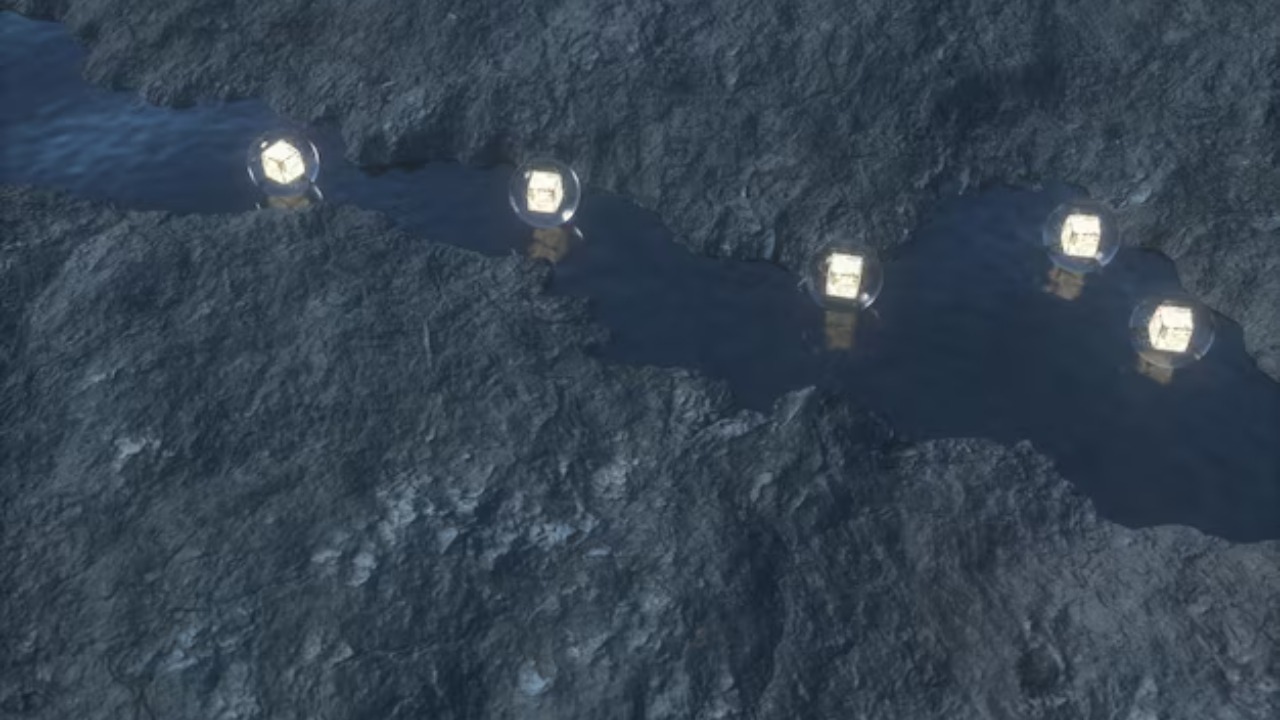
The potential influx of gold and other precious metals from asteroids could significantly impact global gold prices. An increase in supply could drive down prices, disrupting traditional markets and affecting economies reliant on gold mining. Investors and economists are closely monitoring these developments to gauge the potential market shifts.
However, the integration of extraterrestrial gold into the global market could also stabilize prices over time, as it provides a new, abundant source of supply. The precise impact on gold prices will depend on the scale and frequency of asteroid mining operations.
Investment Opportunities and Risks
Asteroid mining presents both lucrative opportunities and significant risks for investors. As interest in space mining grows, so does the potential for investment in companies leading the charge. However, these ventures are inherently risky due to the technological and logistical challenges involved. Potential investors must weigh the promise of high returns against the uncertainties of the industry.
Despite these risks, numerous startups and established companies are exploring asteroid mining opportunities. Nasdaq highlights several pioneering companies that are actively pursuing asteroid mining, suggesting a growing confidence in the sector’s viability.
Legal and Ethical Considerations

Space Laws and Regulations
The legal framework governing space mining is still in its infancy. Current laws, such as the Outer Space Treaty, provide a basic structure, but more comprehensive regulations are needed to address the unique challenges of space mining. International agreements will be crucial to prevent conflicts and ensure equitable access to asteroid resources.
Legal scholars are actively discussing the need for new policies. Publications like HeinOnline emphasize the importance of establishing a robust legal framework to support the burgeoning asteroid mining industry.
Ethical Concerns
Mining asteroids raises several ethical questions. The environmental impact of space mining, albeit on an extraterrestrial scale, must be considered. The potential disruption of celestial bodies and the long-term effects on space ecosystems are areas of concern.
Additionally, the distribution of benefits from asteroid mining poses ethical challenges. Ensuring that the profits from space resources are shared equitably among nations and do not exacerbate existing inequalities is a critical consideration for policymakers and industry leaders.
Leading Players and Initiatives
Pioneering Companies and Startups
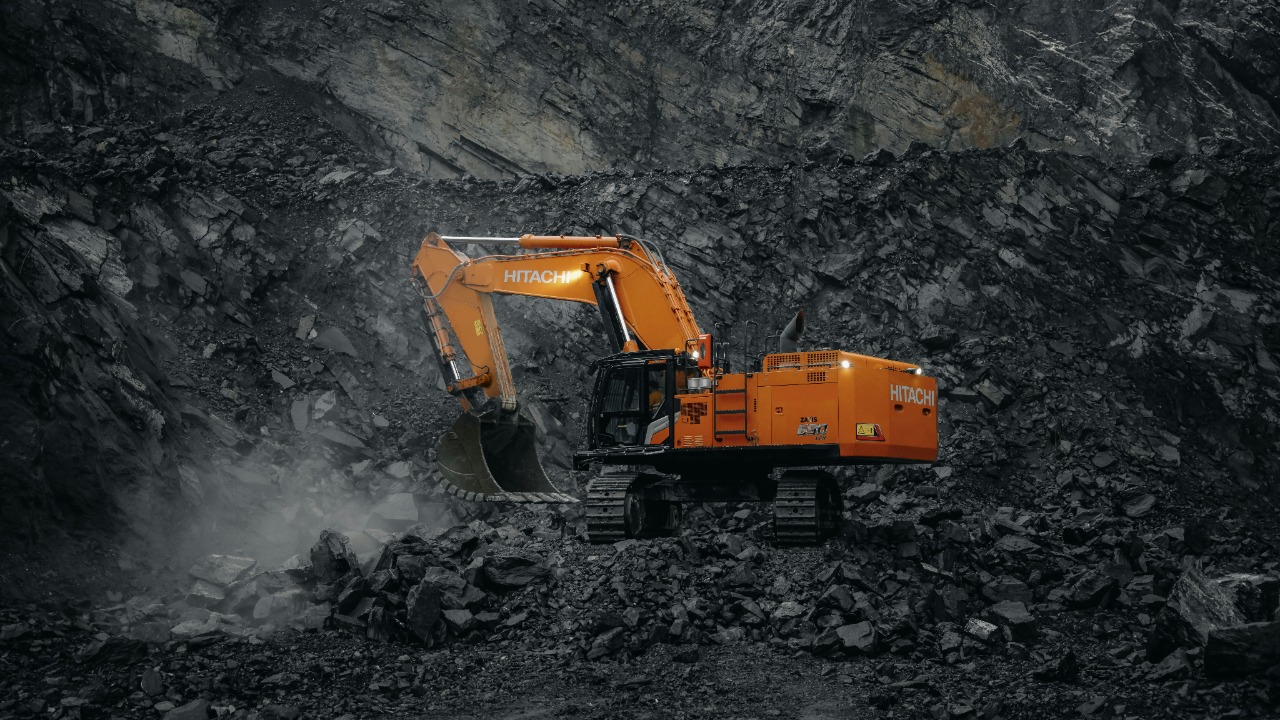
Several companies are at the forefront of the asteroid mining revolution. Key players identified by Nasdaq are developing innovative technologies and strategies to make space mining a reality. These companies are investing heavily in research and development to overcome the technical and logistical challenges of space mining.
Startups are particularly active in this sector, bringing fresh ideas and agile approaches to the industry. Their efforts are complemented by collaborations with larger aerospace companies and government agencies, creating a dynamic ecosystem driving the industry forward.
Government and International Efforts
Governments and international organizations play a crucial role in advancing asteroid mining technologies. Space agencies like NASA and the European Space Agency (ESA) are conducting research and exploratory missions to assess the feasibility of asteroid mining. These efforts are often supported by international collaborations, pooling resources and expertise to overcome common challenges.
Such collaborations are essential for establishing international norms and regulations governing space mining. They also facilitate the sharing of technological advancements, ensuring that the benefits of asteroid mining are accessible to all nations.
Future Prospects and Speculations
Long-Term Vision for Space Mining
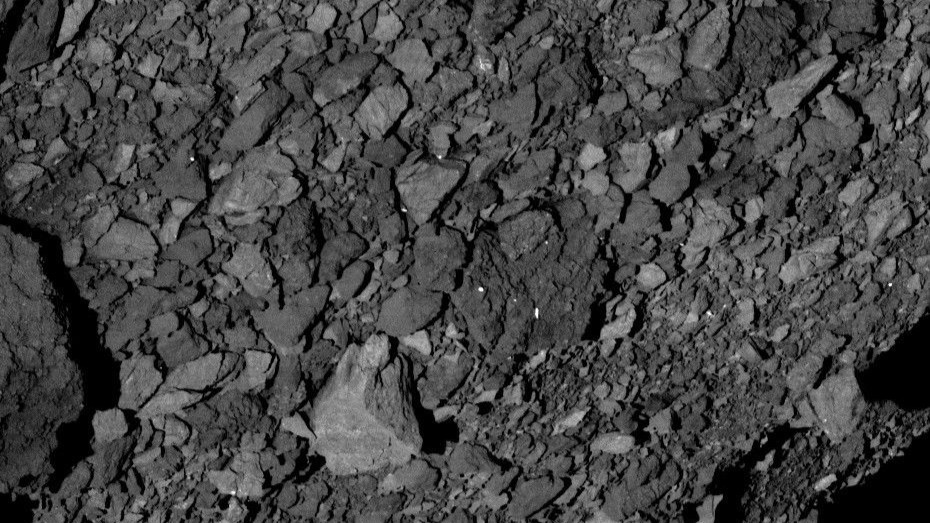
The long-term vision for asteroid mining extends beyond the extraction of resources. It holds the potential to support human colonization of space by providing essential materials for constructing habitats and supporting life. The development of space infrastructure could be significantly accelerated by the availability of materials sourced from asteroids.
As technologies continue to advance, the dream of establishing self-sustaining colonies on the Moon and Mars becomes more feasible. The economics of space will play a crucial role in shaping these future endeavors, with asteroid mining at the heart of this new frontier.
Potential for Other Resources
While gold is a primary focus, asteroids are rich in other valuable materials such as platinum and rare earth elements. These resources are critical for various industries on Earth, including electronics and renewable energy. The exploitation of these materials could have profound implications for global supply chains and economic stability.
Research from Lund University highlights the potential of asteroid mining to revolutionize resource availability, offering a sustainable solution to the growing demand for rare elements. As the industry matures, the focus may shift from single-resource extraction to comprehensive mining operations, maximizing the value of each mission.
