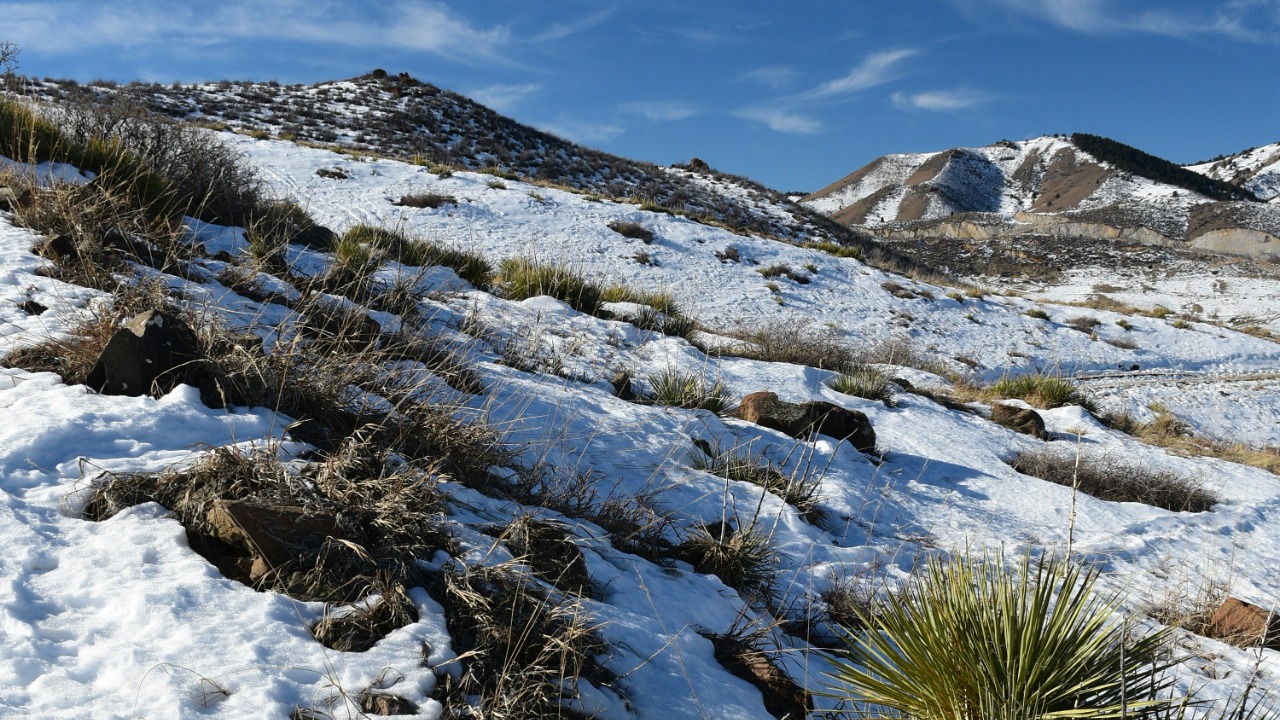

Colorado’s winter has lurched from worrying to historic, with snowpack levels now flirting with the lowest ever recorded. Across the mountains, bare slopes and thin ribbons of man-made snow are visible where deep drifts should be, and the numbers behind those scenes point to a state barreling toward its worst snowpack in recorded history. What began as an unseasonably warm start to the season is now a full‑blown water and climate alarm for the headwaters of the West.
The stakes reach far beyond ski lifts. Snow in Colorado is the frozen reservoir that feeds cities, farms and rivers from the Front Range to the Gulf of Mexico, and this year that reservoir is running dangerously low. As I look across the latest data and on‑the‑ground reports, the picture that emerges is of a state confronting not just a bad winter, but a preview of a hotter, drier future.
How bad the numbers really are
Statewide, the snowpack has slipped into territory that used to be unthinkable. Recent measurements put the current snow water equivalent at 4.8 inches, tying a low mark from 2000 and sitting just 0.1 inches above the worst statewide value ever observed. At the same time, one statewide assessment pegs the snowpack at only 62% of normal, while another puts it at 63 percent of the long‑term median, a range that still leaves no doubt about how far below par the season has fallen.
Those percentages translate into a brutal ranking. A widely shared alert described the state as being in the 5th percentile for snowpack, meaning 95% of winters have had more snow than this one at the same point in the season. Another analysis framed it bluntly as Colorado’s worst season‑to‑date snowpack on record, with data going back to 1987. When I line up those figures with the near‑term forecast, which calls for essentially zero meaningful accumulation at major resorts, the conclusion is unavoidable: the state is not just flirting with a record, it is actively chasing it.
Warmth, blocked storms and a stubborn pattern
Behind the numbers is a weather pattern that has stubbornly refused to break. Meteorologists tracking the early winter noted a persistent ridge of high pressure that kept storm tracks north and west of the Rockies, leaving much of the state under warm, dry skies. A seasonal outlook prepared in Dec described forecasters as “Looking” ahead to early 2026 with limited confidence in a strong storm turnaround, and so far that caution has proved warranted.
The warmth has not been subtle. One regional report described an “abnormally warm winter” that has left snowpack below average and warned that such extremes are likely to intensify as the climate warms, with extremely warm winters becoming even warmer and extremely cold winters less frequent across the interior West, including Aspen. Another detailed forecast from News Colorado warned that the same pattern could persist for much of the winter, keeping storms weaker and more scattered than skiers, water managers and ranchers desperately need.
Local snapshots from a thin winter
The statewide averages are grim, but the local snapshots are even more jarring. In Summit County, home to four world‑class ski areas and towns above 8,000 feet, observers reported the lowest snowpack on record heading into the new year after an unseasonably warm December that itself set temperature records. That combination of high elevation and low snow is particularly telling, because these are the places that usually hold onto winter longest.
Farther west, the story is similar. One assessment of western Colorado described snowpack levels as “meager” and noted that the region’s snow water equivalent was at 63% of median, with little moisture in the near‑term forecast. Another statewide update warned that All of this is happening as drought conditions intensify, and that unless a major turnaround arrives in February or March, the state could cement a new low mark for snowpack recorded in the Centennial State.
From ski economy to water security
The most visible impact of this thin winter is on the ski industry, where bare slopes and limited terrain are already cutting into the crucial mid‑season weeks. A detailed forecast heading into the holidays warned that the outlook for significant snowfall at Colorado ski resorts through the end of the year remained grim, with only modest systems on the horizon. More recently, forecasters have noted that many mountains are likely to go at least a week without a true powder day, a stretch that hits lift ticket sales, restaurant shifts and seasonal workers who depend on busy weekends.
Yet the deeper concern I hear from experts is about water, not skiing. One report on the “Worst” snowpack on record warned that such a deficit could spell serious consequences in the Colorado mountains, from reduced spring runoff to heightened wildfire risk as forests dry out earlier. The manager of water supply for Denver Water has stressed that there is still time for late‑season storms to help, since Colorado typically gets the lion’s share of its snow in the heart of winter, but also cautioned that even a respectable comeback would not turn this into a phenomenal season.
A preview of a hotter, drier future
As I weigh these reports together, it is hard to see this winter as a one‑off fluke. Climate scientists have long warned that warming temperatures would shrink Western snowpacks, and the pattern now unfolding across Colorado fits that script: more precipitation falling as rain instead of snow, shorter snow seasons and greater year‑to‑year volatility. The analysis of an “abnormally warm winter” in the central Rockies underscored that extremely warm winters are likely to become warmer still, while extremely cold winters become rarer, a shift that steadily erodes the reliability of the snowpack that cities and farms have built their water systems around.
None of the experts I have read are ready to declare the season a total loss, and there is a shared recognition that a few well‑timed March storms could still prevent the absolute worst‑case outcome. But the convergence of record‑low snow water equivalent, a statewide ranking in the 5th percentile, and forecasts that keep meaningful storms at bay for at least the next week paints a sobering picture. As Colorado stares down what could become its worst snowpack in recorded history, the real question is not whether this winter will hurt, but how quickly the state can adapt to a future where winters like this are no longer rare.
More from Morning Overview