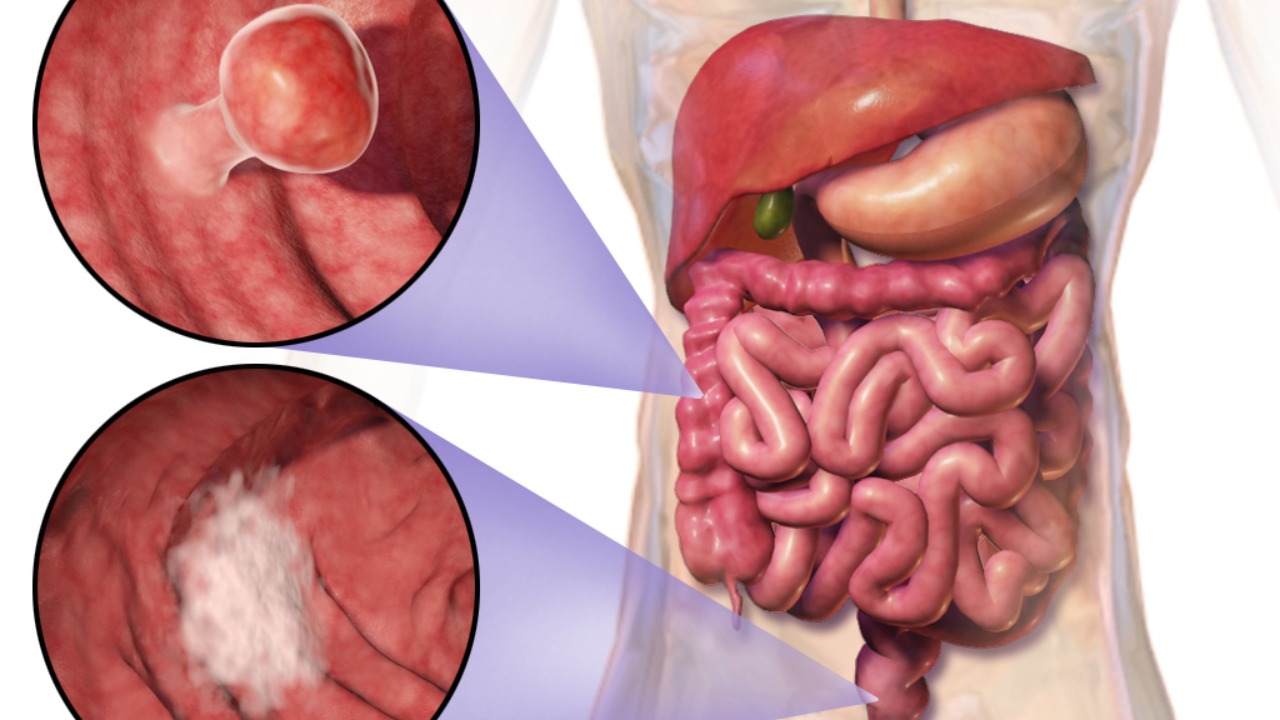

Colon cancer has quietly moved into a grim new position in American health, overtaking other malignancies to become the leading cause of cancer death for adults under 50. Even as survival improves for many other tumors, younger people are facing a rising tide of colorectal disease that is more aggressive, more advanced at diagnosis, and more likely to be fatal.
The shift reflects a collision of trends: major progress against cancers like lung and breast, and a stubborn, puzzling rise in colorectal tumors in people who once were considered too young to worry. It is reshaping how I think about “middle age,” preventive care, and what counts as a warning sign that should never be ignored.
The data behind a disturbing milestone
Researchers with the American Cancer Society have documented a striking reversal in cancer rankings for younger adults. In new work from ATLANTA, they report that while overall cancer mortality in people under 50 has fallen, colorectal disease has climbed from the fifth leading cause of cancer death in the early 1990s to the first in 2023, a shift that now makes it the top cancer killer in this age group. The same analysis shows that deaths from four of the five most common cancers in younger Americans are declining, underscoring how unusual it is that colorectal mortality is moving in the opposite direction, according to the American Cancer Society.
That pattern is echoed in a separate JAMA analysis that tracked cancer deaths in people under 50 over several decades. The Study found that colorectal malignancies, which once ranked fifth among cancer killers for this age bracket, have steadily climbed the list and now account for more deaths than any other cancer in these younger adults. The authors describe a clear transition from a time when colorectal disease was a relatively rare concern in early and mid‑adulthood to an era in which it dominates mortality statistics for people under 50, a trend detailed in the AHA News coverage of the Study.
Who is getting sick, and how fast the risk is rising
One of the most unsettling aspects of this shift is how broadly it cuts across demographic lines. Anyone can develop colon cancer regardless of gender, race, or nationality, and advocates stress that this is no longer a disease confined to older adults. Young adults too are increasingly represented in new diagnoses, with data showing that, Surprisingly, 30% of colon cancer cases now occur in people under 55, a share that would have been unthinkable a generation ago, according to the Colon Cancer Coalition.
Mortality trends mirror that rise in incidence. Colorectal cancer deaths in people under 50 have been increasing by 1.1% annually since 2005, even as death rates from many other cancers in the same age group fall. That seemingly modest yearly uptick compounds over time, translating into a substantial increase in lives lost and making colorectal disease the leading cause of cancer death in younger adults, according to Key Points from recent epidemiologic summaries.
Why colorectal cancer is bucking the progress trend
To understand why colorectal tumors are surging while other cancers retreat, I look first at the broader landscape. Analysts note that Overall cancer death rates in people younger than 50 are declining, thanks to better screening, improved treatments, and reductions in smoking. Within that encouraging picture, colorectal cancer stands out as the only major malignancy in this age group whose death rate is still rising, a divergence highlighted in new Colorectal mortality data.
Experts are not certain why rates are increasing in young people, but they point to a cluster of plausible culprits. Rising obesity, less physical activity, and diets heavy in processed foods are all under scrutiny, as are environmental exposures and changes in the gut microbiome. Some clinicians also worry that younger patients and even their doctors may dismiss early symptoms as hemorrhoids, irritable bowel syndrome, or stress, delaying diagnosis until the disease is more advanced, a concern that Experts have raised in recent interviews.
How the burden falls on people under 50
The human impact of this trend is starkest when you look closely at people under 50 whose lives are cut short. Recent analyses describe colorectal cancer as now the leading cause of death due to malignancy in this age group, a shift that has profound implications for families, workplaces, and communities that suddenly lose parents, partners, and colleagues in what should be their prime years. Clinicians emphasize that these are often individuals with young children, mortgages, and careers in full swing, a reality underscored in reporting that frames Colorectal Cancer Is among People Under 50 as a generational crisis.
Gender patterns add another layer of concern. Colorectal malignancies have now become the second leading cause of cancer death overall in younger adults and the first in females, a reversal from the early 1990s when they ranked much lower. That means women under 50 now face a colon and rectal cancer threat that rivals or exceeds the risks that once came primarily from breast tumors, a shift detailed in new HEALTH and AND WELLNESS reporting on Colorectal trends.
Screening, symptoms, and what needs to change
Given how quickly risk is rising, prevention and early detection are the levers that can move the numbers back in the right direction. Major guidelines now recommend that average‑risk adults start colorectal screening at 45, but the data on people under 50 suggest that even this lower threshold may miss a significant share of emerging cases. Cancer specialists argue that clinicians should be quicker to investigate red‑flag symptoms like rectal bleeding, unexplained iron‑deficiency anemia, or persistent changes in bowel habits, a point reinforced by authors who urge educating clinicians and the public about symptoms to help earlier diagnosis and more timely treatment, as summarized in recent Whi coverage.
At the same time, public health messaging has to catch up with the new reality that colorectal cancer is not just a disease of retirement age. Colorectal cancer is now the leading cause of cancer death in people under 50, and it is the only major cancer in this group whose mortality is still climbing, a pattern that has been highlighted in multiple national analyses of Fox News and Colorectal data. For me, the takeaway is blunt: if you are anywhere near 45, screening is not optional, and if you are younger but experiencing symptoms that do not resolve, you should push for answers rather than accept reassurance that you are “too young” for serious disease.
More from Morning Overview