
Clean electricity from the sun and wind has expanded at record speed, but the next phase of decarbonization will be defined by something different: a source that can run almost all the time, in almost any weather, with almost no carbon. As grids strain under rising demand from electric cars, heat pumps, and data centers, the technology that can outperform both solar and wind on reliability is no longer hypothetical. It is nuclear power, scaled and modernized to sit at the heart of a cleaner, steadier energy system.
That claim rests less on hype than on hard numbers about how often plants run, how much power they deliver, and how little carbon they emit. The emerging picture is not a contest where one technology wins and others lose, but a new hierarchy in which nuclear provides the backbone and variable renewables fill in the peaks, together pushing fossil fuels to the margins.
Why sun and wind alone cannot carry the grid
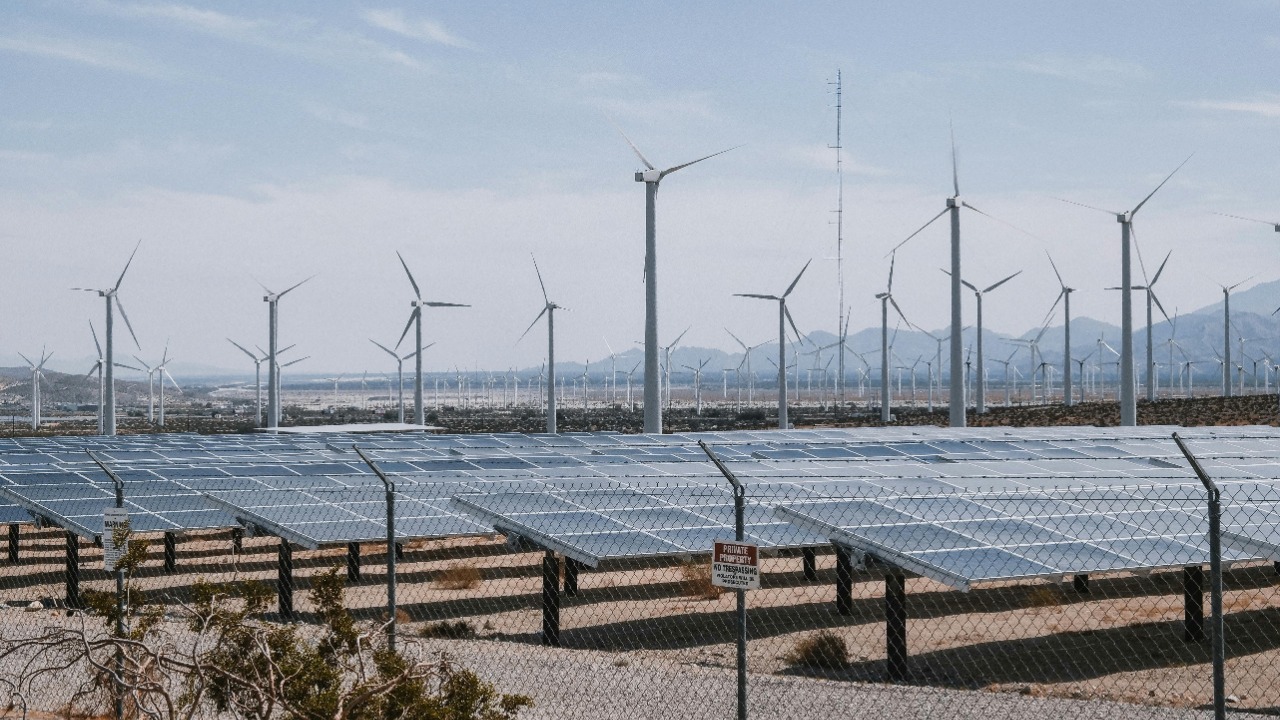
Solar and wind have earned their place as the public face of the energy transition, and for good reason. Earlier in the current decade, Solar and wind power together not only kept up with global electricity demand growth, they surpassed it over a sustained period, a milestone that would have been unthinkable a generation ago. That surge has helped slow the rise in emissions from power generation, and it has driven down costs for rooftop panels, utility-scale solar farms, and modern wind turbines from Texas to the North Sea.
Yet the very physics that make these resources attractive also limit how far they can go on their own. Solar output peaks at midday and collapses at night, while wind can swing from gale force to dead calm in a matter of hours. Storage and smarter grids can smooth some of that volatility, but even advocates acknowledge that intermittency remains a central challenge. Analyses of How different clean sources work underline the contrast between weather-dependent options like Solar power, which taps one of Earth’s most abundant resources, and steadier resources such as hydro energy that can operate 24/7 in any weather condition. To fully displace fossil fuels, grids need more of that always-on profile.
The reliability edge that nuclear already holds
On the metric that matters most to grid operators, nuclear already outperforms every other major source of electricity. Federal energy data show that Nuclear Has The of any energy source, meaning reactors run at a higher percentage of their maximum output over the course of a year than coal, gas, hydro, wind, or solar, and it is not even close. In practice, that makes nuclear energy America’s workhorse for round-the-clock, low carbon electricity, delivering power through heat waves, cold snaps, and cloudy weeks when other sources falter.
That reliability is not just a technical curiosity, it is the foundation for a different kind of clean grid. When I talk to system planners, they describe nuclear plants as the anchor tenants of the network, the units that stay online while everything else ramps up and down around them. This is why advocates argue that Nuclear Delivers Large, Low, Power at a scale that can supply millions of homes with low carbon electricity. In a system that must balance second by second, that combination of size and steadiness is what allows nuclear to beat both sun and wind on the one metric they can never fully control: time.
Clean, dense, and built for the transition
Reliability alone would not justify a central role for nuclear if it came with high emissions, but the technology’s carbon profile is among the best in the energy system. Lifecycle assessments consistently place Nuclear energy among the cleanest power sources when all stages are counted, from mining and construction to operation and decommissioning. That puts it in the same low carbon league as wind and solar, but with a far smaller land footprint per unit of electricity and a much higher energy density, a crucial advantage in densely populated regions where space for new infrastructure is limited.
The result is a technology that can shoulder a disproportionate share of the heavy lifting in decarbonization. Analysts who model pathways to net zero find that keeping existing reactors online and adding new ones reduces the pressure on other parts of the system, from transmission lines to storage. In effect, every gigawatt of nuclear capacity that stays on the grid buys time for the buildout of renewables and the modernization of networks. That is why I see nuclear not as a competitor to solar and wind, but as the clean, dense core around which they can expand.
How nuclear and other renewables fit together
None of this means that nuclear is the only clean energy source that matters, or that it can replace the diversity that makes modern grids resilient. Hydropower, geothermal, and bioenergy all play distinct roles. Guides to the Solar and Earth powered options emphasize that hydro energy, otherwise known as hydroelectric power, can operate 24/7 in any weather condition, while geothermal taps heat from beneath the surface. At the same time, biogas energy, described as a combustible gas produced from organic matter, and starch crops used to produce ethanol, show how Why Renewable Energy sources extend far beyond Better Than Wind and Solar alone.
What nuclear changes is the balance among these options. Instead of relying on a patchwork of smaller firm resources to back up variable renewables, grids with a strong nuclear fleet can treat reactors as the primary source of firm capacity and use hydro, geothermal, and bioenergy more strategically. Consumer facing analyses that ask What the best type of renewable energy is often conclude that There is no single number one option, because each technology brings different strengths. I would go a step further: the “best” mix is the one that uses nuclear’s reliability to unlock higher shares of wind and solar, while leaning on hydro, geothermal, and bioenergy where they are most effective.
Storage, smarter grids, and the next phase of reliability
Even with nuclear in the mix, the clean energy transition still has to solve the problem of variability over days, weeks, and seasons. That is where storage and grid innovation come in. Researchers and engineers are developing Longer term and emerging solutions to address intermittency, from new battery chemistries to hydrogen production and demand response. One approach is to store excess renewable electricity when it is plentiful and cheap, then release it when the sun is down or the wind is weak, while also changing the grid itself through digital controls and more flexible consumption.
In that context, nuclear’s role becomes even clearer. A grid that combines high capacity factor reactors with large volumes of wind, solar, and storage can minimize the need for fossil backup and reduce the overall cost of reliability. Analysts who look at the top five clean options note that Find out how much you can save is not just a marketing line, it reflects the reality that different mixes of technologies lead to different bills and different levels of resilience. By anchoring that mix with nuclear, I see a path where clean power is not only abundant and low carbon, but also as dependable as the grids built on coal and gas once were.
More from Morning Overview