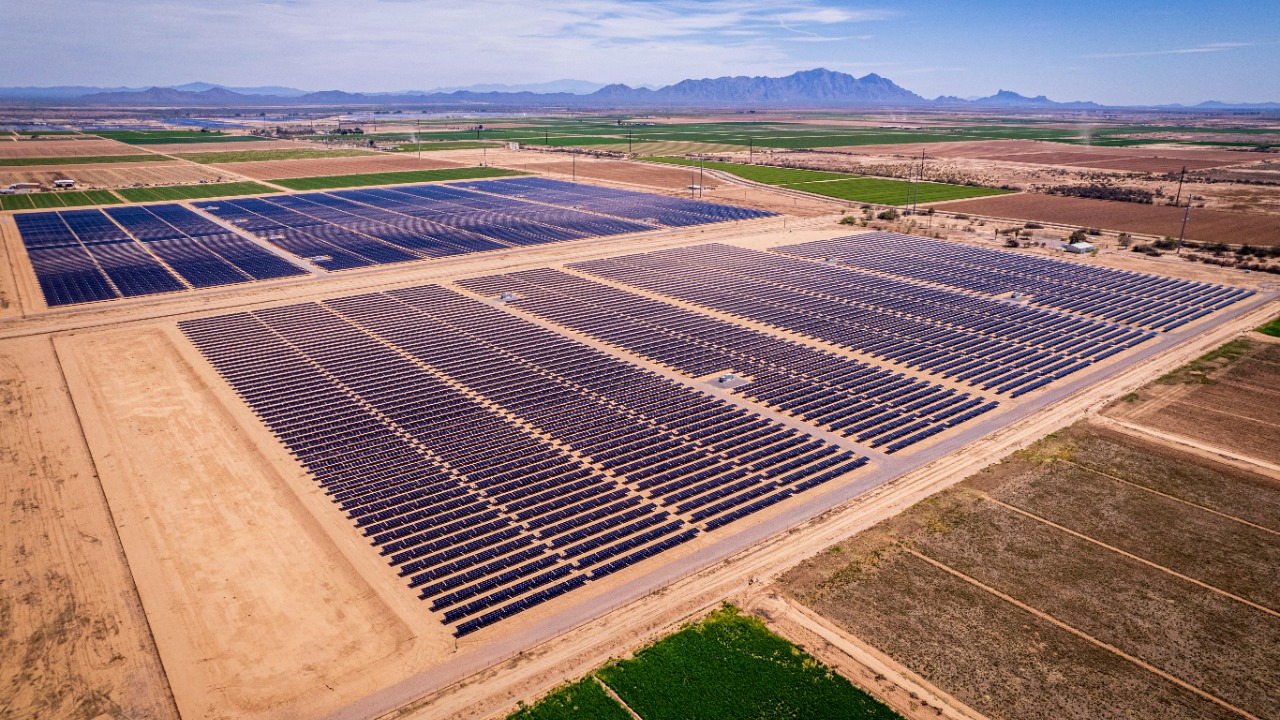

China’s sprint into renewable energy is no longer a domestic infrastructure story, it is a structural shock to the global economy, technology race, and climate politics. By pouring capital into solar, wind, and grids at unprecedented speed, Beijing has turned clean power into a field where scale itself is a strategic weapon. The result is a transformation that is cutting emissions, crushing costs, and creating turmoil from Wall Street to coal towns.
I see three intertwined forces driving this upheaval: the sheer volume of capacity China is adding, the technological and manufacturing dominance it is building, and the messy financial and social fallout of moving so fast. Together, they explain why the country’s renewable surge is reshaping markets and power balances far beyond its borders.
China’s scale advantage rewrites the global energy map
Any honest look at the energy transition has to start with scale, and on that front China is in a league of its own. It is already the world’s largest energy consumer and greenhouse gas emitter, yet it is also undertaking one of the most ambitious clean power build‑outs in history. Analysis of its grid shows that it is adding more renewable capacity than any other economy, while trying to keep electricity reliable and affordable for a vast industrial base and a population of more than a billion people, a balancing act highlighted in assessments of how China adds more to its system.
The numbers behind that shift are staggering. One review of its power sector shows that the country’s wind and solar generation has surged so quickly that it is now a central driver of global clean electricity growth, with detailed tracking of the China energy transition underscoring how fast fossil‑fuel power is being displaced. Another snapshot of global capacity ranks China as the clear leader in installed renewable energy, ahead of the United States, Brazil, and India, with the table of leading countries in 2024 showing just how wide the gap has become. In effect, Beijing is building a new global energy system at home and exporting the consequences abroad.
Wind, solar and grids on a once‑in‑a‑century building spree
Behind the macro numbers sits a construction boom that would have seemed implausible a decade ago. One assessment of project pipelines notes that last year, the amount of wind and solar under construction in China was double the rest of the world combined, a surge that helped push coal’s share of its power mix to the lowest level in a decade, according to reporting that describes how Last year, the of new projects dwarfed global peers. That kind of build‑out is not just about climate targets, it is also about energy security, as Beijing tries to reduce its exposure to imported fossil fuels.
The composition of that boom matters. Recent analysis of global electricity trends finds that China’s clean power surge has been driven largely by record‑breaking solar expansion, which grew 31 percent, alongside steady wind growth at 7.7 percent, with both sources together reshaping global electricity systems. One detailed look at investment flows notes that a wave of domestic spending effectively doubled wind and solar deployment and is now sending a flood of cheap equipment and know‑how into emerging markets, as described in assessments of how China’s wind and solar is reshaping the global energy game. The build‑out is stitched together by vast ultrahigh‑voltage transmission lines that move power from interior deserts and grasslands to coastal megacities, a network that one analysis of There is a of sci‑fi fascination with, even as it highlights the messiness of integrating so much variable power.
Technology dominance and the geopolitics of cheap hardware
Scale alone would be disruptive, but China is also turning that scale into technological leverage. Data compiled by international agencies show that Its share of global patent applications in clean energy rose to around 75 per cent in 2022, up from about 5 per cent in 2000, a shift that signals how quickly Chinese firms have moved from copying foreign technology to defining the frontier. Another analysis of global investment trends notes that China is cementing its position as the dominant force in clean energy spending, driving down equipment costs and shaping supply chains worldwide, with one review of China driving global green investments emphasizing how its factories now set benchmark prices for solar panels, batteries, and wind turbines.
The geopolitical implications are hard to miss. Historian Alfred McCoy has argued that global empires rise by mastering new energy systems, and he now points to renewables as the foundation of the next era of power, describing how Historian Alfred McCoy sees China at the center of this green energy revolution. That perspective is echoed in more granular industry data: one assessment of global clean energy patents finds that China is now filing three out of every four such applications worldwide, a flood of intellectual property that has helped push costs down and made it easier for poorer countries to leapfrog straight into clean power systems, as detailed in coverage of how three out of four clean energy patents now originate there. In effect, Beijing is turning cheap hardware and dense patent portfolios into a form of soft power that rivals oil in its heyday.
Coal dependence, grid strains and the “huge mess” beneath the boom
For all the triumphalism around record installations, China’s energy transition is riddled with contradictions. Analysts at major think tanks point out that China is very reliant on coal, the fossil fuel with the largest greenhouse gas emissions per unit of energy, even as an opposing trend of massive renewable deployment gathers pace, a tension explored in work on how China is very on coal while trying to cut dependence on fossil fuel imports. That duality helps explain why Beijing is building wind and solar at breakneck speed without yet being able to shut down coal plants as quickly as climate advocates would like.
Inside the country, the transition looks less like a smooth revolution and more like a chaotic construction site. One detailed narrative of the sector argues that China’s renewable energy revolution is a huge mess, with overbuilt industrial parks, curtailment of clean power, and local governments racing to claim subsidies, a picture captured in reporting that notes how China has created a utopia that is anything but neat. Another assessment of its grid stresses that the country is trying to move vast amounts of renewable electricity from remote regions to coastal demand centers via ultrahigh‑voltage lines, a technically impressive feat that still leaves pockets of wasted power and financial stress, as described in the analysis that begins with the observation that There is a particular kind of sci‑fi nerd who sees these lines as the backbone of a future grid.
Global fallout: price crashes, job losses and investor bets
The shockwaves from China’s clean energy push are now hitting balance sheets and labor markets around the world, including at home. One industry survey reports that China installed a record‑setting 277 g of solar capacity in 2024, a figure that helped trigger a brutal price war and left the sector losing an estimated 60 billion dollars a year, even as investors kept pouring money into the promise of long‑term dominance. The human cost is already visible: a separate analysis finds that China’s big five solar firms reportedly cut 87K jobs in 2024 as more than 40 companies exited the market, with the carnage following aggressive expansion from 2020 to 2023 and contributing to heavy industry losses for 2024, as detailed in reporting that tracks how the carnage followed years of overbuilding.
More from Morning Overview