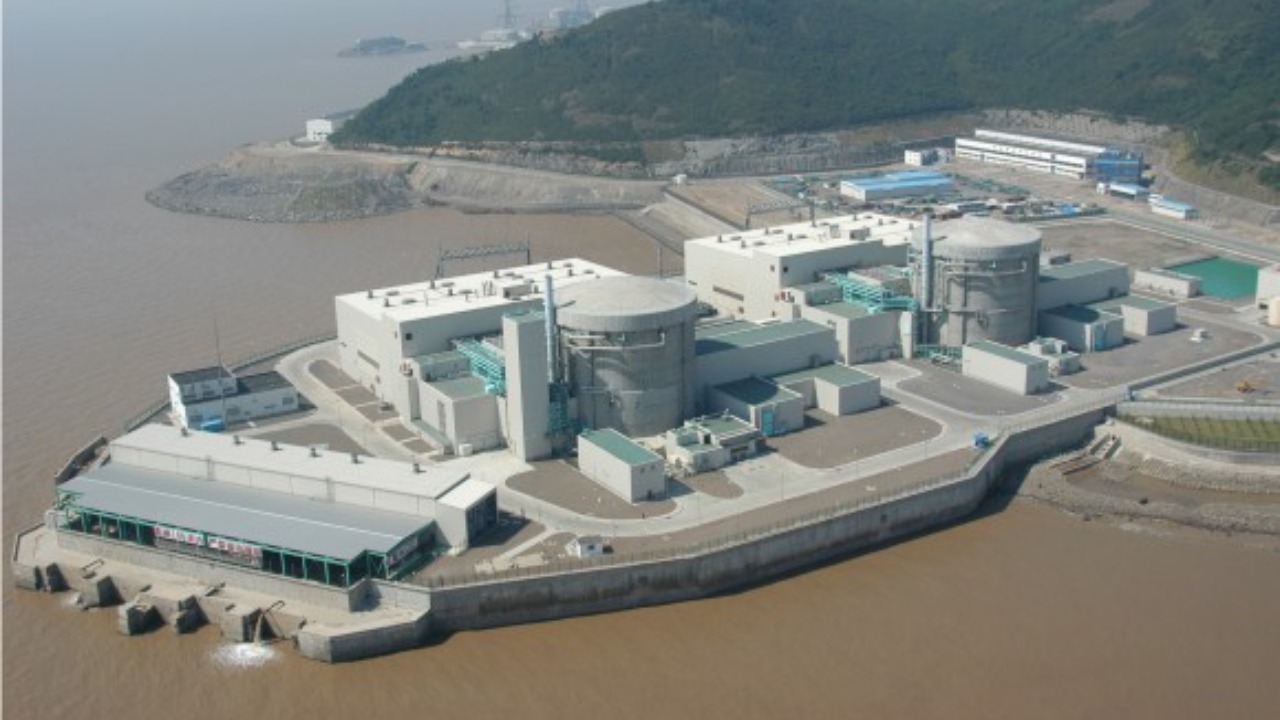

China is no longer just experimenting with advanced nuclear designs, it is standardizing them. The country’s Hualong One reactor, a Generation III pressurized water design, has moved from one-off flagship projects to large-scale deployment as the backbone of new nuclear capacity. That shift, from bespoke builds to repeatable batches, is quietly reshaping both China’s power system and the global reactor market.
As Hualong One becomes China’s most-used nuclear blueprint at home and the most widely deployed third-generation design worldwide, the stakes extend far beyond engineering pride. The model underpins the world’s largest nuclear power base, anchors export deals, and is now being rolled out in coordinated clusters that could define how fast nuclear can scale in the 2030s.
From prototype to world’s most deployed design
The Hualong One story began as a strategic bet that China could merge domestic experience into a single, exportable Generation III platform. Developed by China National Nuclear Corporation as a 1000 MWe class pressurized water reactor, it was designed to meet international safety expectations while giving CNNC full intellectual property control. That ambition has now been realized, with Hualong One recognized as a third generation technology that China can market without relying on foreign licensors, a point underscored in official descriptions of the reactor’s Generation III status.
What began as a domestic standard has since become a global benchmark. Reporting on deployment figures notes that China’s Hualong One is now the world’s most widely used third-generation nuclear reactor design, with units in operation, under construction, or contracted abroad. That includes projects backed by China General Nuclear Power Group and cooperation agreements with multiple countries, which collectively make Hualong One the reference design other newcomers are measured against.
Zhangzhou, the flagship base for batch construction
The clearest sign that Hualong One has moved into an industrial phase is at the Zhangzhou Nuclear Power Plant in Fujian. Chinese planners describe Zhangzhou as the world’s largest Hualong One nuclear power base, and Phase I has now been completed with two units brought into commercial operation. A detailed view of the site, including Unit 2 of the China National Nuclear Corporation’s Zhangzhou project, shows how the complex has been configured as a multi-unit campus built around the same Hualong One template.
Phase I at Zhangzhou is more than a construction milestone, it is the anchor of what Chinese officials describe as the world’s largest nuclear power base. With both initial reactors online, the Zhangzhou base in east China’s Fujian province is positioned as a hub for subsequent phases that will replicate the same third generation technology. Official descriptions emphasize that Hualong One is a third generation design with multiple units already in operation, under construction, or approved worldwide, and that Zhangzhou’s Phase I completion is intended as the starting point for a much larger cluster.
How batch-scale expansion changes the nuclear playbook
China is now explicit that Hualong One has entered a new stage of batch-scale expansion. Officials describe the design as domestically developed third-generation nuclear technology that, after roughly five years of commercial service, is ready to be built in coordinated groups rather than as isolated projects. This shift to standardized, repeated construction is meant to shorten build times, cut costs, and lock in a learning curve, with Chinese planners framing the current wave of projects as a deliberate batch-scale expansion phase.
Independent technical descriptions help explain why this design is suited to serial deployment. Hualong One is characterized as a third generation 1000MWe-class pressurized water reactor developed by China National engineers, with an emphasis on defense-in-depth safety principles and standardized core design. That combination of a repeatable 1000 MWe unit and a common safety philosophy is what allows multiple reactors to be built in parallel at sites like Zhangzhou, as China National’s Description of the technology makes clear.
Output, climate impact, and China’s nuclear rankings
The scale of the Zhangzhou base illustrates what batch construction means in energy terms. Engineering assessments note that the first two Hualong One units at the world’s largest nuclear base in China correspond to a substantial share of regional electricity demand, with output measured in tens of billions of kilowatt-hours annually. That production figure, tied to the Zhangzhou site in China, is central to Beijing’s argument that nuclear can displace coal at scale rather than at the margins.
Those kilowatt-hours also translate into avoided emissions. CNNC has highlighted that since the start of construction and subsequent operation of Hualong One, the reactors have helped cut coal consumption and reduce carbon dioxide output, with the environmental benefit likened to planting millions of trees each year. In official language, Hualong One is described as CNNC’s Generation III nuclear power technology with complete independent intellectual property rights, and its operation is credited with an emissions reduction effect comparable to planting million trees annually.
Global reach and what comes next
China’s nuclear ambitions are not confined to its own coastline. According to one cooperation agreement, CNNC will build a one-million-kilowatt-class nuclear power unit using HPR 1000 technology at the Chashm site abroad, extending the Hualong One family into new markets. The deal, described in official summaries that begin with “According,” frames the HPR project as a way to support the host country’s economy and living standards, and it underscores how CNNC sees export reactors as part of a broader development package.
Domestically, Hualong One is also reshaping China’s position in the global nuclear league tables. The China Nuclear Energy Association has pointed out that The US is first with 94 units, but Zhangzhou’s Hualong One reactors mark the start of a new wave of Chinese capacity that will narrow that gap. As more units move from construction into commissioning, analysts describe Hualong One as the world’s most widely deployed nuclear reactor, with batch-scale construction and a growing fleet of reactors in the commissioning phase before grid connection, a trend highlighted in recent coverage of World deployment.
That global footprint is now being reinforced by official messaging that China’s domestically developed Hualong One has become the world’s most widely deployed third-generation nuclear reactor technology, with multiple units in operation, under construction, or approved for construction. Public statements shared by national outlets in Feb stress that China sees Hualong One not just as a domestic workhorse but as a flagship export, and that the current batch of projects is only the first wave of a much larger program.
For China’s energy planners, the Zhangzhou base is the template for what comes next. Engineering reports describe how the first reactors brought online at the world’s largest nuclear power base in China will collectively generate tens of billions of kilowatt-hours of electricity annually, a figure that illustrates the payoff from standardization. That output, tied to the Zhangzhou site in Zhangzhou, is the clearest signal yet that China’s most-used nuclear reactor design is no longer a pilot, it is a production line.
More from Morning Overview