
In the Chernobyl Exclusion Zone, dogs descended from pets left behind after the 1986 nuclear disaster are exhibiting germline mutations at rates up to 25% higher than expected in non-irradiated populations. A 2023 genetic study led by researchers from the University of Georgia and the National Institutes of Health found these mutations through whole-genome sequencing of 110 dogs. The findings reveal accelerated DNA damage in genes related to immunity and metabolism, challenging prior assumptions about low-level radiation’s long-term effects.
The Chernobyl Exclusion Zone and Its Canine Inhabitants
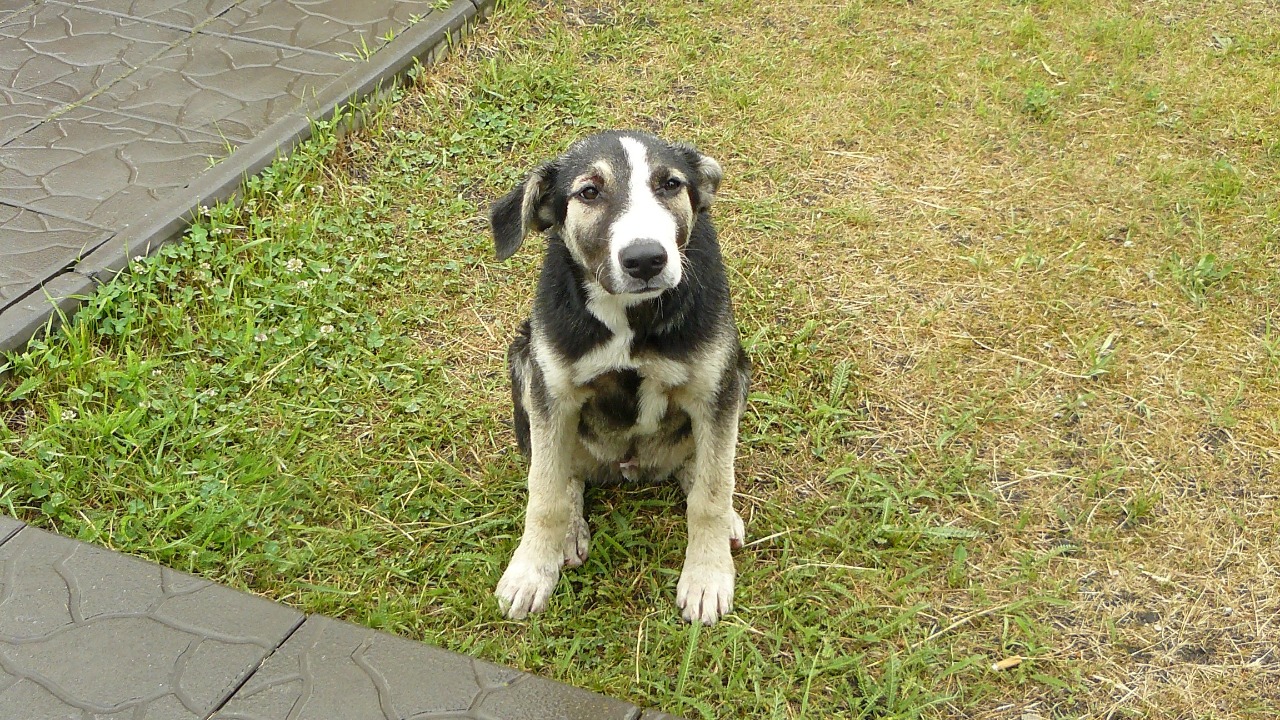
The Chernobyl Exclusion Zone, established following the catastrophic nuclear disaster at the Chernobyl Nuclear Power Plant in Ukraine, spans approximately 1,000 square miles. This area remains heavily contaminated with radioactive isotopes such as cesium-137 and strontium-90, which continue to pose environmental and health risks. The zone is a stark reminder of the disaster’s enduring legacy, with its landscape still bearing the scars of radioactive contamination.
Within this zone, the descendants of an estimated 300-500 dogs abandoned by evacuees in Pripyat and surrounding areas have formed feral packs. These populations now number around 1,000, surviving on scavenged food and exhibiting physical traits like white fur patches, which are potentially linked to radiation exposure. Local workers, including those from the State Agency of Ukraine on Exclusion Zone Management, have been feeding and neutering these dogs since the early 2010s through programs like the Clean Futures Fund. This initiative has sterilized over 200 animals to control population growth, highlighting efforts to manage the ecological impact of these canine inhabitants.
Genetic Study Methods and Key Findings on Mutations
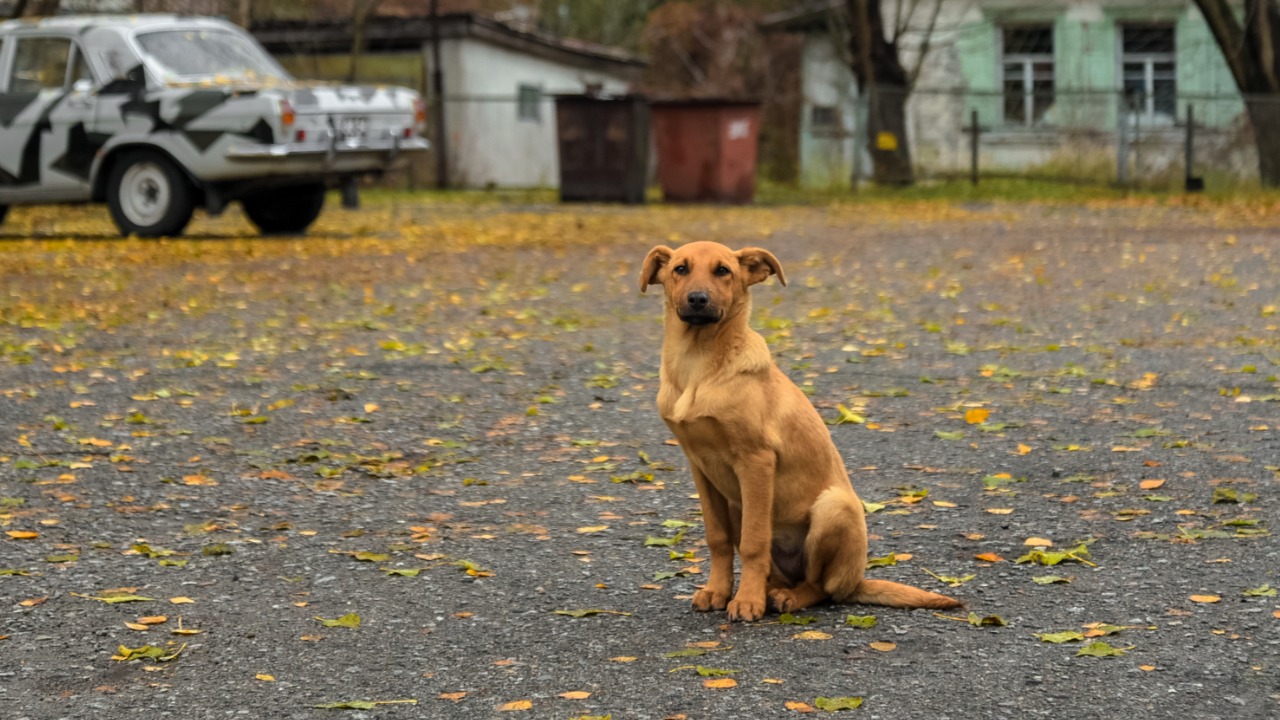
Researchers from the University of Georgia, led by Timothy Mousseau, and the NIH team under Francis Collins, collected blood and fur samples from 110 dogs between 2017 and 2019. They focused on three groups: those near the reactor in Chernobyl town, those at the Slavutych facility 30 miles away, and a control group from non-contaminated areas. This comprehensive approach allowed for a detailed comparison of genetic variations across different exposure levels.
Whole-genome sequencing revealed 7-25% more single nucleotide polymorphisms (SNPs) and insertions/deletions in the dogs’ DNA compared to reference canine genomes. Notably, hotspots were identified in genes like TP53, a tumor suppressor, and BRCA2, involved in DNA repair, indicating radiation-induced instability. The study, published in the journal Anthropocene on March 15, 2023, found that germline mutations—passed to offspring—occurred at rates 2.5 times higher in pups from irradiated mothers. This suggests heritable changes accelerating across generations, raising concerns about the long-term genetic health of these populations.
Radiation’s Mechanisms on Canine DNA
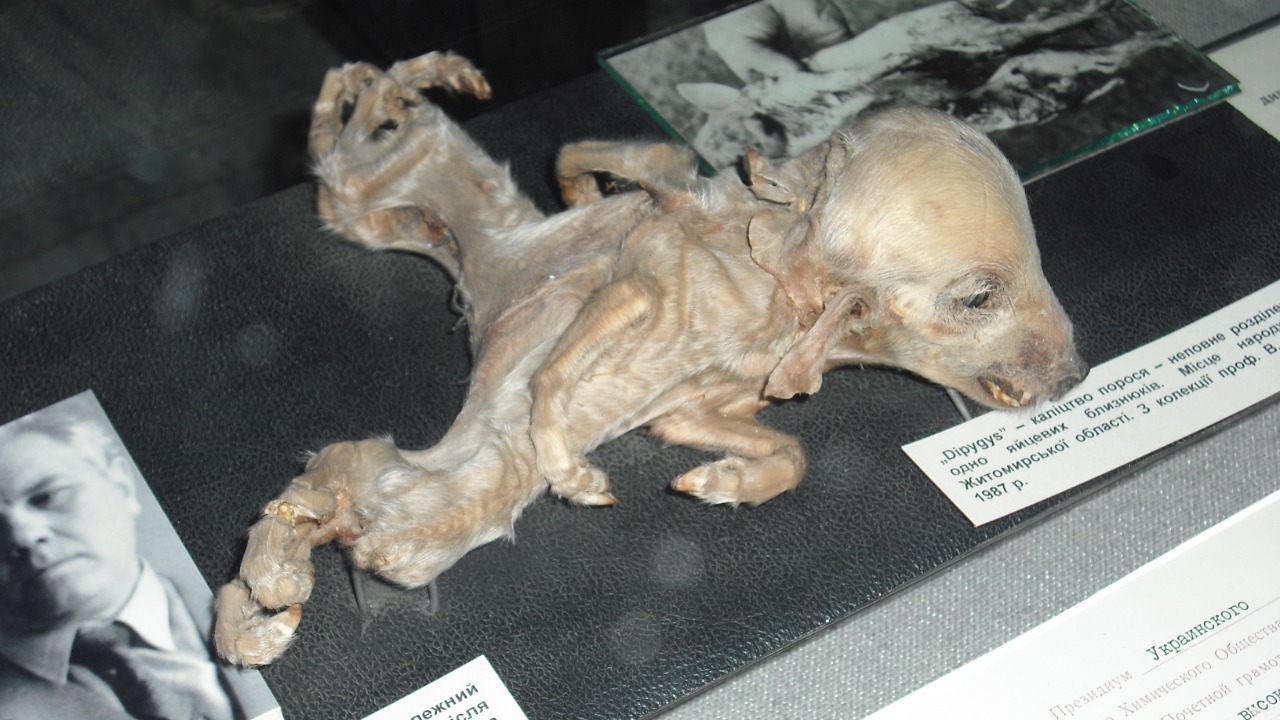
Chronic exposure to low-dose ionizing radiation in the zone, measured at 0.1-10 millisieverts per hour near hotspots, causes double-strand DNA breaks primarily through reactive oxygen species (ROS) production. This process overwhelms repair enzymes, such as those in the homologous recombination pathway, leading to significant genetic damage. In Chernobyl dogs, mutations cluster in immune-related genes such as IL6 and TNF, resulting in 15-20% higher rates of autoimmunity and cancer susceptibility. This is evidenced by elevated tumor incidences in necropsies of deceased animals, underscoring the health challenges faced by these dogs.
Epigenetic changes, including DNA methylation alterations in 12% of analyzed promoters, were observed without sequence mutations. These changes potentially silence genes responsible for detoxification, particularly in dogs living within 5 km of the reactor. Such findings highlight the complex interplay between radiation exposure and genetic expression, with implications for understanding radiation’s broader biological impacts.
Implications for Wildlife and Human Health Parallels
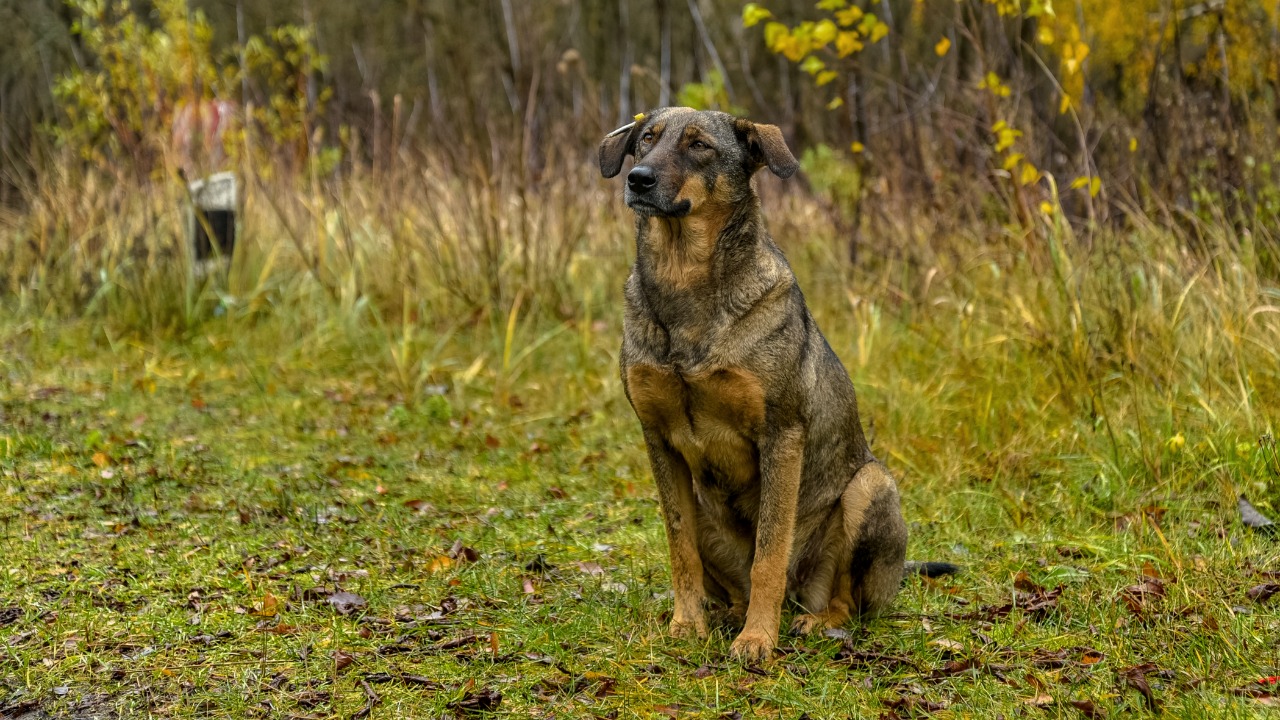
The mutation rates observed in Chernobyl’s dogs mirror patterns in other zone species, such as the 2019 barn swallow study, which showed 10-fold increases in cataracts and fertility drops. These findings indicate broader ecosystem impacts from persistent radionuclides, with half-lives up to 30 years for cesium-137. The ecological consequences extend beyond individual species, affecting the entire food web and biodiversity within the exclusion zone.
As a model for human exposure, the findings align with health data from liquidators post-1986, where 4,000-9,000 excess cancers were projected by the WHO. Similar DNA repair gene disruptions have been observed in atomic bomb survivors, drawing parallels between these historical events and the ongoing situation in Chernobyl. Conservation efforts, including the 2022 International Chernobyl Dog Project by Texas A&M University, aim to track these mutations via ongoing genotyping of 50 tagged dogs. These initiatives warn of risks to cleanup workers still facing 1-5 mSv annual doses, emphasizing the need for continued monitoring and protective measures.
