
As a central hub for scientific exploration, CERN, the European Organization for Nuclear Research, is dedicated to probing the enigmatic particles that could potentially elucidate the mystery of dark matter. With the use of its Large Hadron Collider (LHC), CERN is undertaking a series of experiments aimed at comprehending the invisible particles that form most of the cosmos.
Understanding Dark Matter: A Synopsis
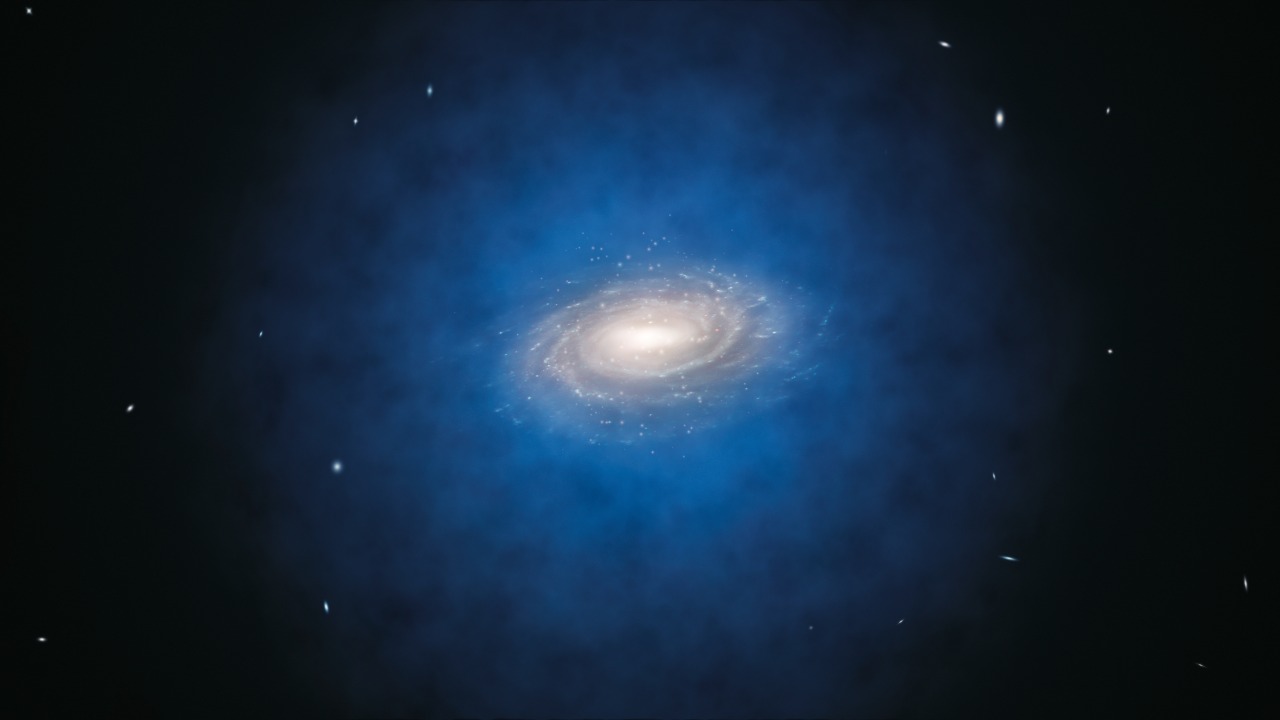
Dark matter, despite being an integral part of the universe, remains one of the most perplexing phenomena in the field of astrophysics. It constitutes approximately 85% of the universe’s total matter, yet it neither emits nor absorbs light, making it virtually invisible and challenging to detect. The quest to comprehend dark matter is not just a scientific curiosity. Unraveling this mystery holds the potential to radically transform our understanding of the universe and the fundamental forces that govern it.
Particle physics plays a pivotal role in the investigation into dark matter. By examining the tiniest building blocks of the universe, scientists hope to shed light on the dark matter enigma. The study of these subatomic particles and their interactions could provide critical insights into the nature and properties of dark matter.
CERN and The Quest for Dark Matter
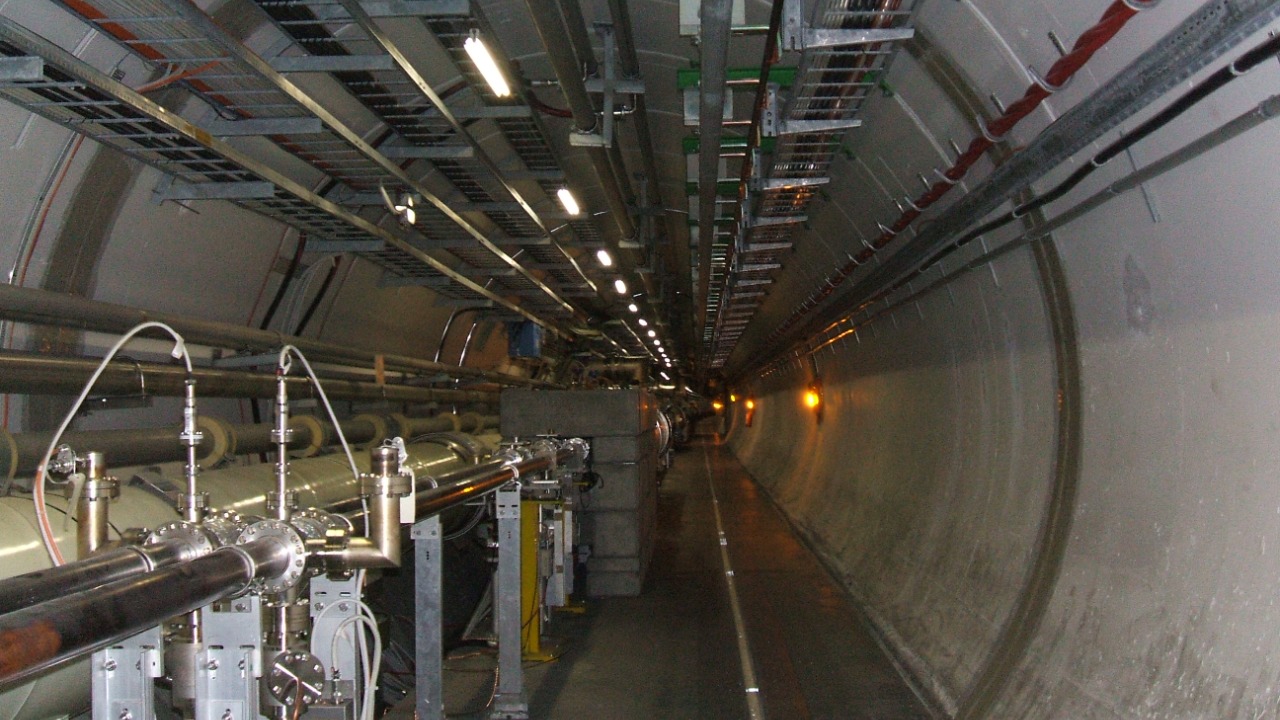
As a world-leading center for scientific research, CERN plays a significant role in advancing our understanding of particle physics. The LHC, the world’s largest and most powerful particle accelerator, is a primary tool in CERN’s exploration of dark matter. By accelerating particles to near light-speed and then colliding them, the LHC can create conditions similar to those just after the Big Bang, providing a unique opportunity to study the universe’s fundamental constituents.
Over the years, CERN has made substantial progress in its dark matter research. Notable milestones include the discovery of the Higgs boson in 2012, a particle that provides a valuable framework for understanding the universe’s fundamental particles and their interactions. The potential discovery of dark matter particles would be another monumental step forward.
Major Experiments at CERN on Dark Matter
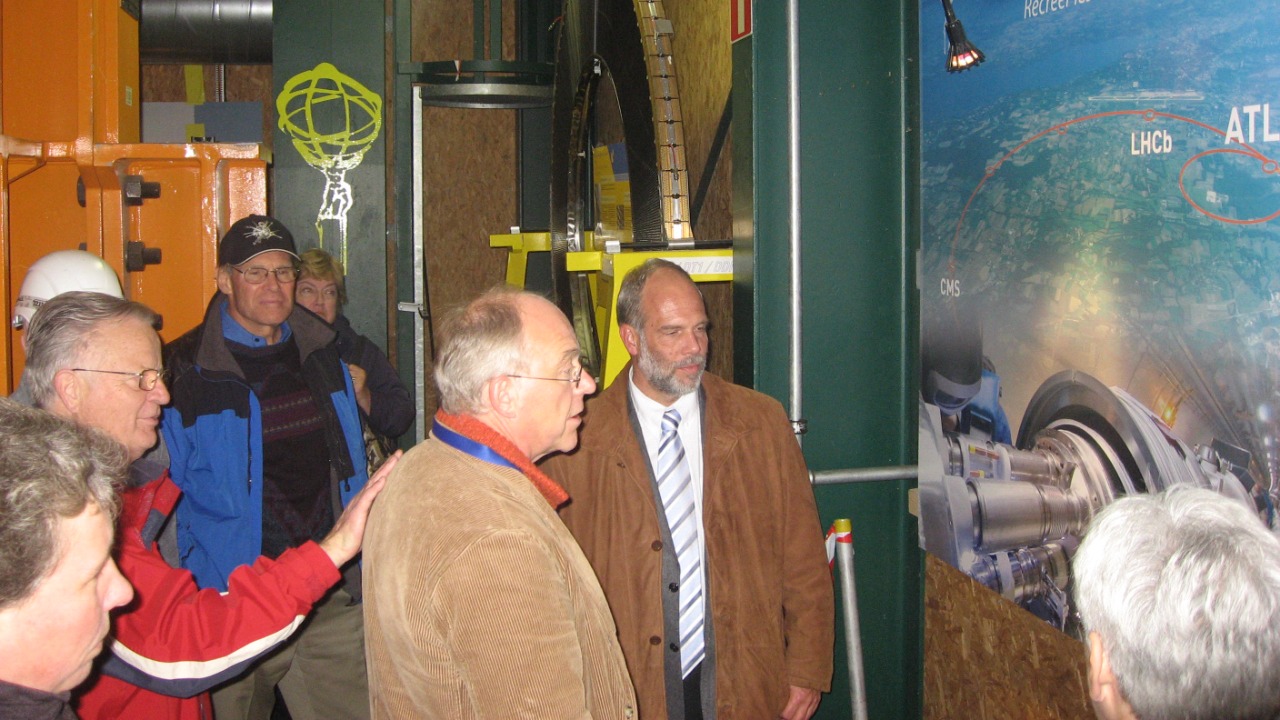
Several crucial experiments at CERN focus specifically on dark matter. The ATLAS experiment, for instance, is one of the largest collaborative efforts in the scientific world, involving over 3,000 physicists from 38 countries. It aims to detect new phenomena and particles, such as those potentially associated with dark matter.
Similarly, the CMS (Compact Muon Solenoid) experiment plays an essential role in the dark matter hunt. By observing the aftermath of particle collisions, CMS allows scientists to detect and study elusive particles. The CMS experiment has made significant strides towards understanding dark matter by providing valuable data on rare particle interactions and contributing to the discovery of the Higgs boson.
Another noteworthy experiment is OSQAR, which focuses on finding axions, hypothetical particles that could be a component of dark matter. While the OSQAR experiment has not yet discovered axions, its results have significantly constrained the possible properties of these elusive particles, paving the way for future research.
Advanced Particle Tagging and Its Role in Dark Matter Research
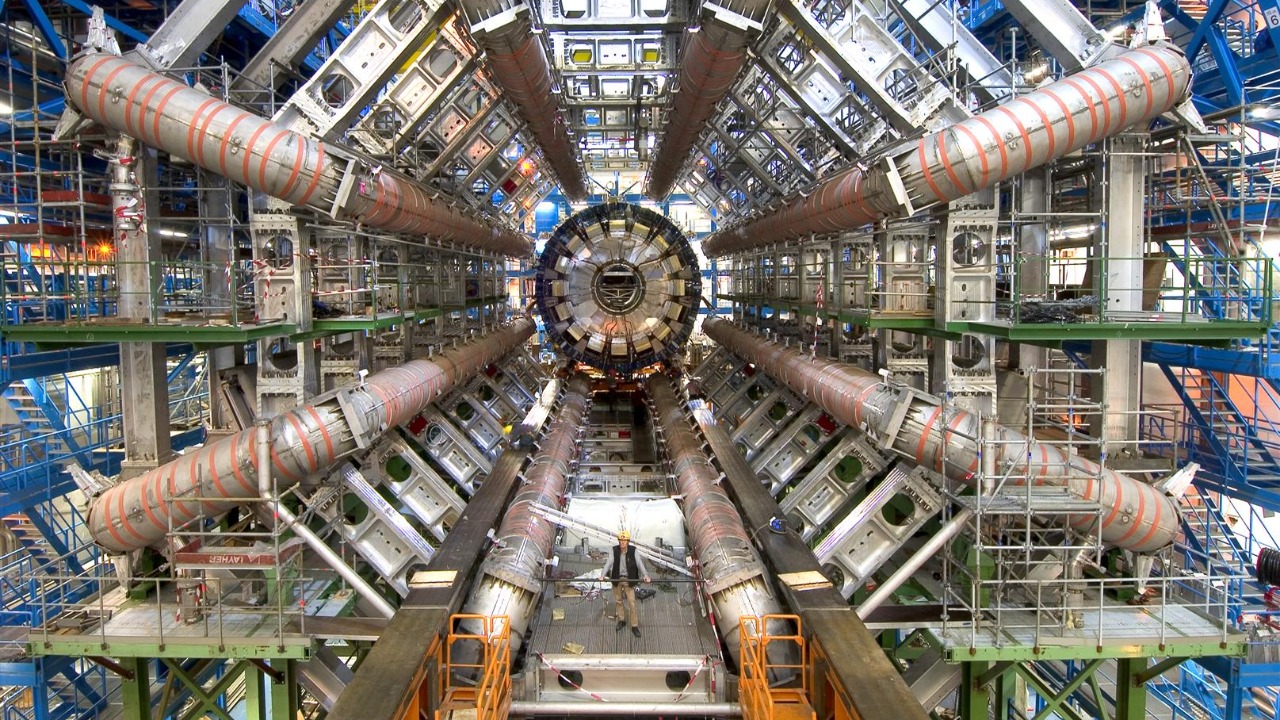
Advanced particle tagging is a technique used to identify and study particles produced in high-energy collisions. This method allows scientists to categorize and analyze the vast amount of data generated in particle physics experiments, such as those conducted at the LHC.
By providing a more precise understanding of particle interactions, advanced particle tagging can help identify potential dark matter signatures. The technique has been instrumental in recent discoveries, such as the observation of the Higgs boson, and continues to be a crucial tool in dark matter research. You can learn more about this technique on the ATLAS experiment page.
Challenges and Future Perspectives in the Search for Dark Matter
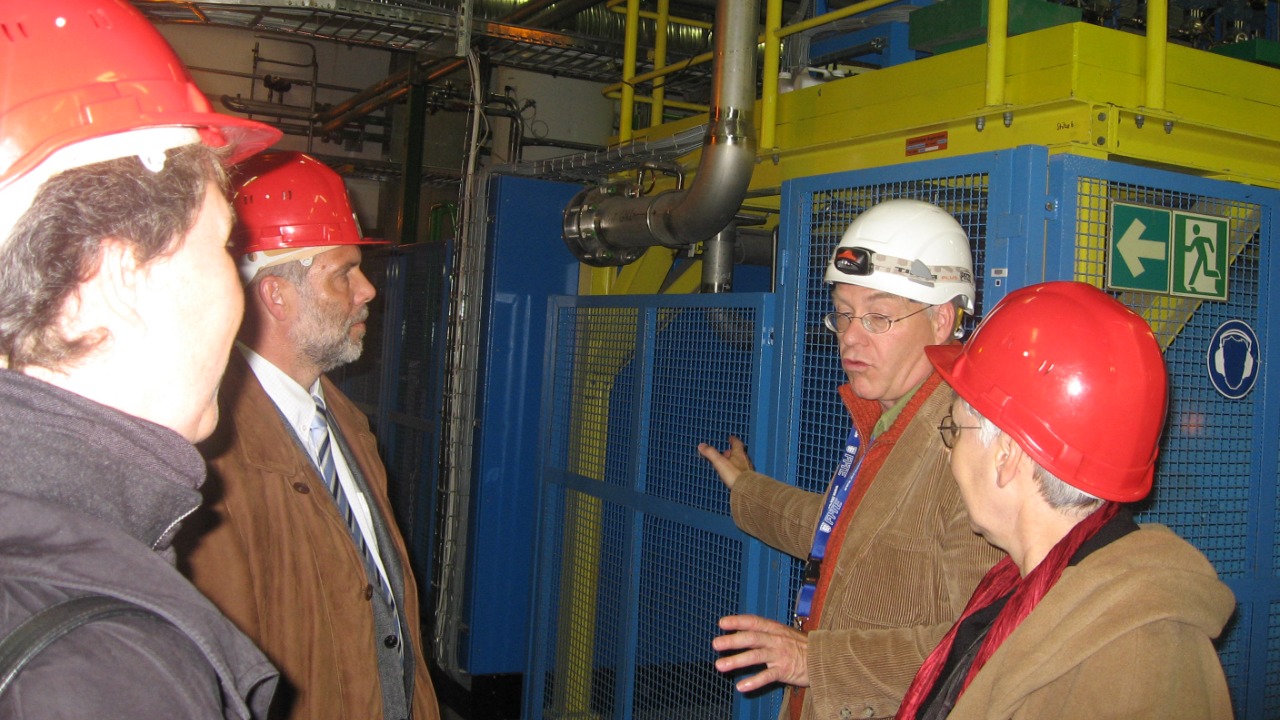
The search for dark matter is fraught with challenges. The invisible nature of these particles makes them incredibly difficult to detect. Furthermore, our current understanding of physics does not fully explain dark matter, making theoretical predictions uncertain. Despite these obstacles, the scientific community remains undeterred, with CERN leading the charge in this frontier of scientific discovery.
Future experiments at CERN aim to build upon the foundation laid by previous research. By utilizing upgraded detectors and more sophisticated analysis techniques, scientists hope to further refine their search for dark matter and bring us closer to understanding this cosmic mystery. The potential discovery of dark matter particles would not only confirm their existence but also provide invaluable insights into the universe’s structure and evolution.
