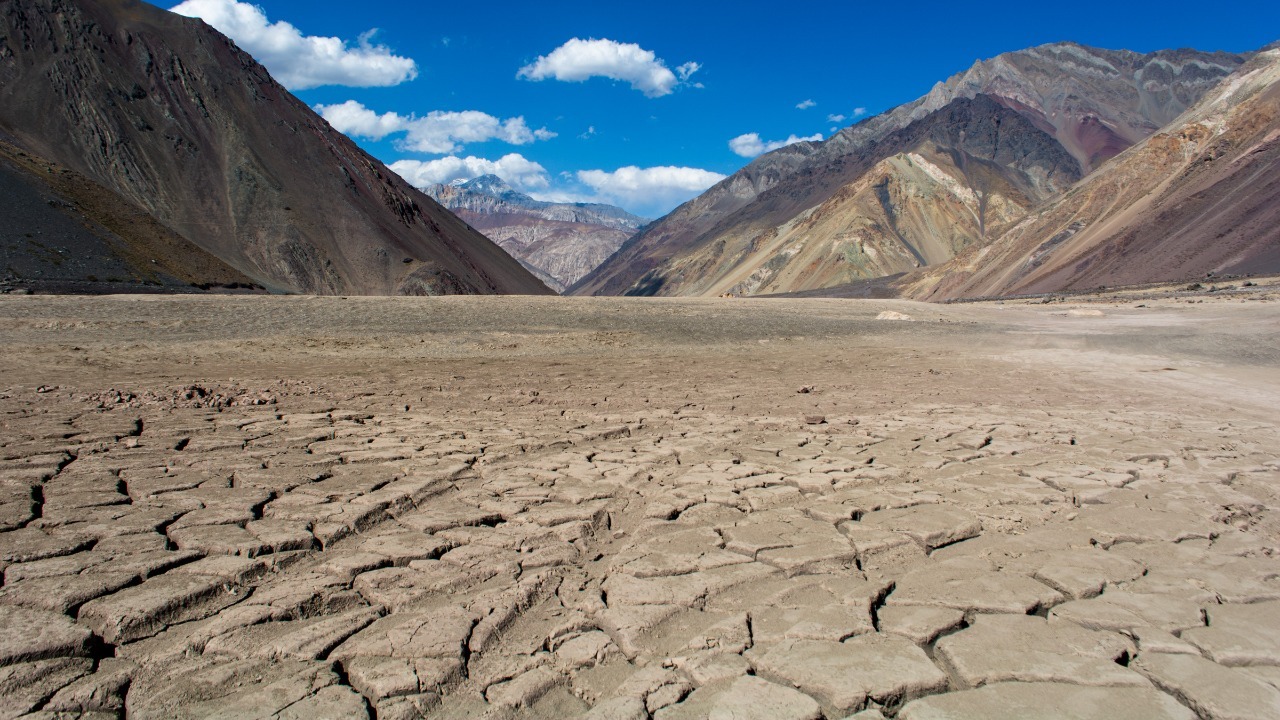

The world has entered what United Nations scientists describe as an era of global “water bankruptcy,” with 6.1 billion people living in countries where freshwater is insecure. In that context, a handful of nations are racing toward a brutal Day Zero, when taps in major cities could simply run dry. I look at four countries where structural mismanagement, climate stress and political instability are pushing water supplies perilously close to zero.
Iran
Iran sits at the epicenter of the new water bankruptcy era, with Tehran already cited as an example of an acute urban shortage. UN-linked researchers warn that “Cities are experiencing more Day Zero events,” and they single out Tehran as a system on the brink. Years of drought and unsustainable groundwater pumping have left reservoirs depleted, while rapid urban growth has outpaced investment in pipes and treatment plants.
The broader crisis is visible across Iran, where rural communities face shrinking rivers and saltier soils. UN scientists describe the global situation as “water bankruptcy,” meaning societies have promised more water than nature can reliably supply. In Iran’s case, that overdraw shows up in farmer protests, internal migration and rising dependence on costly desalination. If Tehran’s network falters again, the political stakes will be enormous, because water outages cut directly across class and ideological lines.
Pakistan
Pakistan is widely described as a country that could run out of accessible water within years, not decades. A detailed assessment of drought in Bahawalpur notes that Water scarcity is a “severe threat in Pakistan,” driven by population growth, deforestation, mismanagement and urbanization. Analysts warn the country may face extreme shortages by the middle of this decade, with groundwater tables plunging across Punjab and Sindh.
The structural risks extend from farms to megacities. Karachi and Lahore already endure rotating cuts, while climate volatility is intensifying both floods and droughts. Political risk experts now list Pakistan among states where water stress could fuel unrest and cross-border tensions over shared rivers. As more households drill private wells, aquifers are being mined with little regulation. Without rapid reforms in irrigation efficiency and urban leakage control, the race toward zero supply will accelerate.
India
India illustrates how sheer population pressure can push a country toward Day Zero. According to global scarcity rankings, India is a water-stressed country that represents 18% of the world’s population but owns only 4% of the worlds freshwater. That imbalance is already visible in cities like Chennai, which has endured tanker queues and dry reservoirs, and in farm belts where borewells must be drilled ever deeper.
Researchers at Our data initiative on water stress report that 25 countries now use over 80% of their available supplies each year, leaving almost no buffer for drought. India is among the large economies most exposed to that pattern, with industrial demand rising alongside urban growth. As more Indian cities join the global list of Day Zero hotspots, the risk is not only humanitarian but economic, threatening power generation, manufacturing and food exports that millions of jobs depend on.
Iraq
Iraq shows how conflict, upstream dams and climate change can combine into a perfect storm of scarcity. The country relies heavily on the Tigris and Euphrates, yet flows have been squeezed by regional dam building and hotter, drier weather. UN analysts now group Iraq within Middle East and, regions described as among the most “water bankrupt” on Earth.
Urban systems in Iraq are already strained, with intermittent supplies in Baghdad and Basra and rising salinity in the south. As marshes shrink and farmland becomes less viable, communities are pushed toward cities that lack resilient infrastructure. The stakes are geopolitical as well as local, because water shortages intersect with oil production, electricity generation and long-standing disputes with neighbors over river flows, making Iraq a frontline state in the global race to avert zero supply.
More from Morning Overview