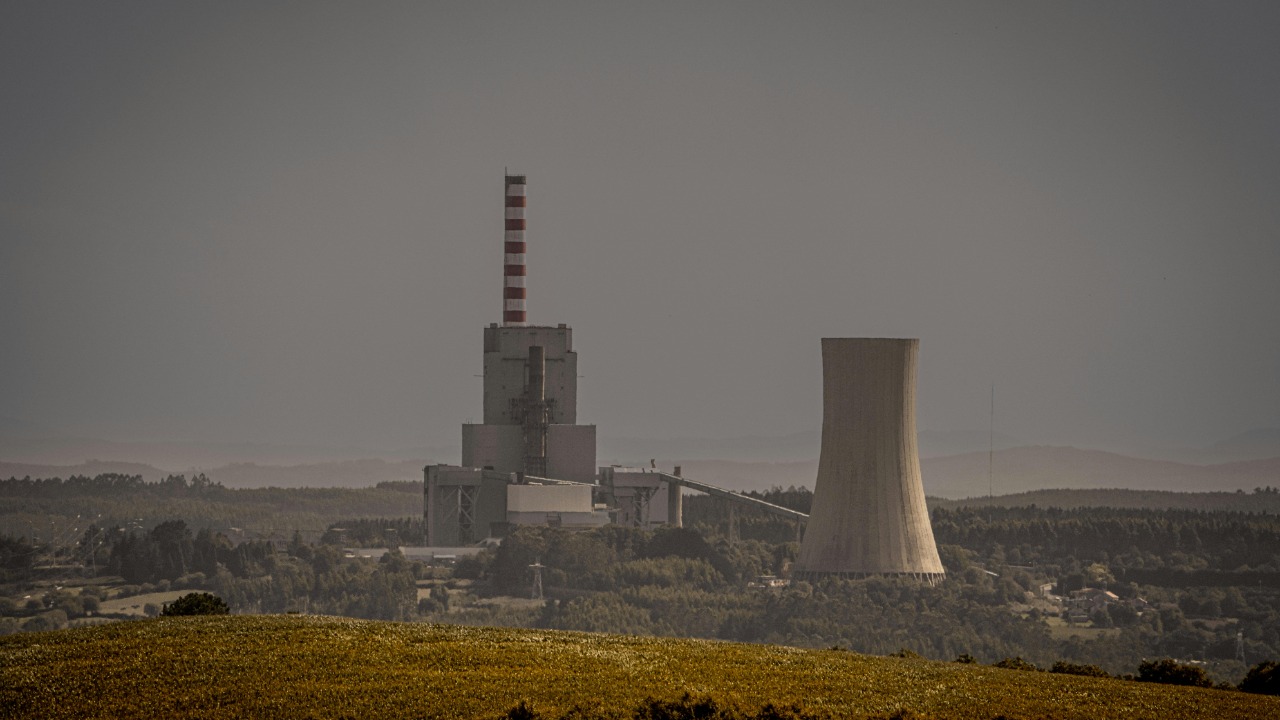

Brussels has signed off on a major Spanish subsidy package, clearing a €3.1 billion, roughly $3.4 billion, lifeline for new high‑efficiency power plants that generate both electricity and heat. The decision gives Spain fresh financial firepower to modernise industrial energy use while trying to stay within strict European Union rules on competition and climate.
I see this as more than a one‑off approval: it is a test case for how far the European Union will go in backing gas‑fired combined heat and power as a bridge technology on the road to net zero, and for how Spain can align industrial policy with its broader recovery and resilience agenda.
The €3.1 billion scheme Brussels just approved
The European Commission has confirmed that it has approved, under EU State aid rules, a €3.1 billion Spanish scheme to support the production of electricity in highly efficient combined heat and power plants, often referred to as cogeneration. In its formal decision, The European Commission describes the measure as a Spanish State aid scheme that fits within the bloc’s energy and environmental guidelines. The package is framed as support for electricity produced by new or substantially modernised installations, with the explicit condition that they meet strict efficiency benchmarks so that more useful energy is squeezed out of every unit of fuel.
From a financial perspective, the decision translates into a public support envelope of 3.1 billion euros, equivalent to about $3.4 billion, that will be channelled through competitive tenders and contracts for difference. Reporting from Madrid notes that Brussels has effectively greenlit a $3.4 billion Spanish state aid scheme that will pay beneficiaries the difference between their production costs and a reference market price, with that reference updated quarterly. In practice, that structure is designed to give investors predictable revenue while limiting windfall gains if wholesale power prices spike.
How the aid fits into Spain’s wider recovery and energy strategy
Spain has been using its national recovery and resilience plan to hard‑wire climate and energy priorities into post‑pandemic investment, and this cogeneration push slots directly into that framework. The country’s blueprint under the EU Recovery and Resilience Facility sets out a mix of grid upgrades, renewables expansion and industrial decarbonisation, and the new scheme is presented as one of the tools to deliver those goals by cutting energy waste in factories and district heating networks. The plan’s official documentation, which details how Spain intends to spend EU‑backed loans and grants, highlights energy efficiency and cleaner power as central pillars of Spain’s recovery and.
In that context, the cogeneration aid is not an isolated subsidy but part of a broader industrial energy overhaul that aims to keep heavy users competitive while cutting emissions. The Spanish authorities notified the Commission that the measure is meant to support the production of electricity in highly efficient combined heat and power plants that supply energy to industrial sites, which often face high power costs and international competition. By targeting those users, the scheme dovetails with national efforts to shield energy‑intensive sectors from price volatility while still nudging them toward cleaner technologies.
Why Brussels says the scheme passes EU State aid tests
For any national subsidy of this scale, the legal hurdle is whether it distorts competition more than it helps the environment or energy security, and the Commission has concluded that this Spanish package stays on the right side of that line. In its assessment, The European Commission stresses that the aid is limited to highly efficient installations and that it is structured to avoid overcompensation, with support levels linked to actual costs and market prices. The decision also notes safeguards to prevent a lock‑in of natural gas, such as eligibility criteria that favour plants capable of switching to renewable or low‑carbon fuels over time.
Independent coverage of the decision underlines that the scheme was cleared under EU rules because it is seen as contributing to energy efficiency targets and climate objectives while keeping distortions in check. Reports on the approval explain that the €3.1 billion Spanish State aid scheme was judged compatible because it is open to new and substantially modernised plants, uses competitive selection processes and is time‑limited. Another account notes that the decision was taken on a Wednesday in late January and that it was explicitly framed as consistent with EU energy efficiency goals, with Wednesday singled out as the day the green light was given.
What “highly efficient” cogeneration means on the ground
Behind the legal language, the core of this policy is a bet on cogeneration technology that can deliver more usable energy from the same fuel input by capturing heat that would otherwise be wasted. In practice, that means backing plants that supply both electricity and process steam or hot water to industrial sites, district heating systems or large buildings, with strict performance thresholds that qualify them as highly efficient combined heat and power. The Spanish notification to the Commission makes clear that Spain intends to support the production of electricity in such highly efficient CHP plants, with the aim of cutting primary energy consumption and emissions compared with separate generation of heat and power.
Specialist regulatory analysis points out that Spain’s cogenerated power will get a significant boost under this €3.1 billion plan, which is expected to help the country meet the EU’s energy efficiency targets by expanding or upgrading CHP capacity. One detailed analysis notes that Spain’s cogenerated power sector stands to benefit from targeted support that is aligned with the EU’s broader push to cut energy waste. That same assessment, focused on Spain as a case study, underscores that the €3.1 figure is not just a headline number but a structured envelope intended to drive specific efficiency outcomes in industrial energy use.
Industrial winners, climate trade‑offs and political optics
For Spanish industry, the immediate winners are likely to be energy‑intensive sectors that can host or contract with new cogeneration units, from chemicals and paper to food processing and ceramics. Reports from Madrid describe how the MADRID announcement framed the scheme as support for highly efficient power that will help shield factories from volatile electricity prices while rewarding efficiency. Coverage of the decision in international World News sections stresses that the scheme is meant to support highly efficient power as part of efforts to limit the effects of climate change, even as it continues to rely on gas‑fired technology in the near term.
There are, however, clear trade‑offs. Environmental advocates have long warned that large subsidies for gas‑based cogeneration risk prolonging fossil fuel use, and the Commission’s own decision text acknowledges the need to avoid a lock‑in of natural gas. The official communication on the Spanish scheme explicitly refers to safeguards against such lock‑in, including requirements that supported plants be compatible with renewable or low‑carbon gases over time. At the same time, detailed coverage of the approval notes that Credit for the decision is being claimed by policymakers who see it as proof that Brussels will back pragmatic transition technologies, while critics argue that every euro spent on gas‑linked assets is a euro not spent on pure renewables.
More from Morning Overview