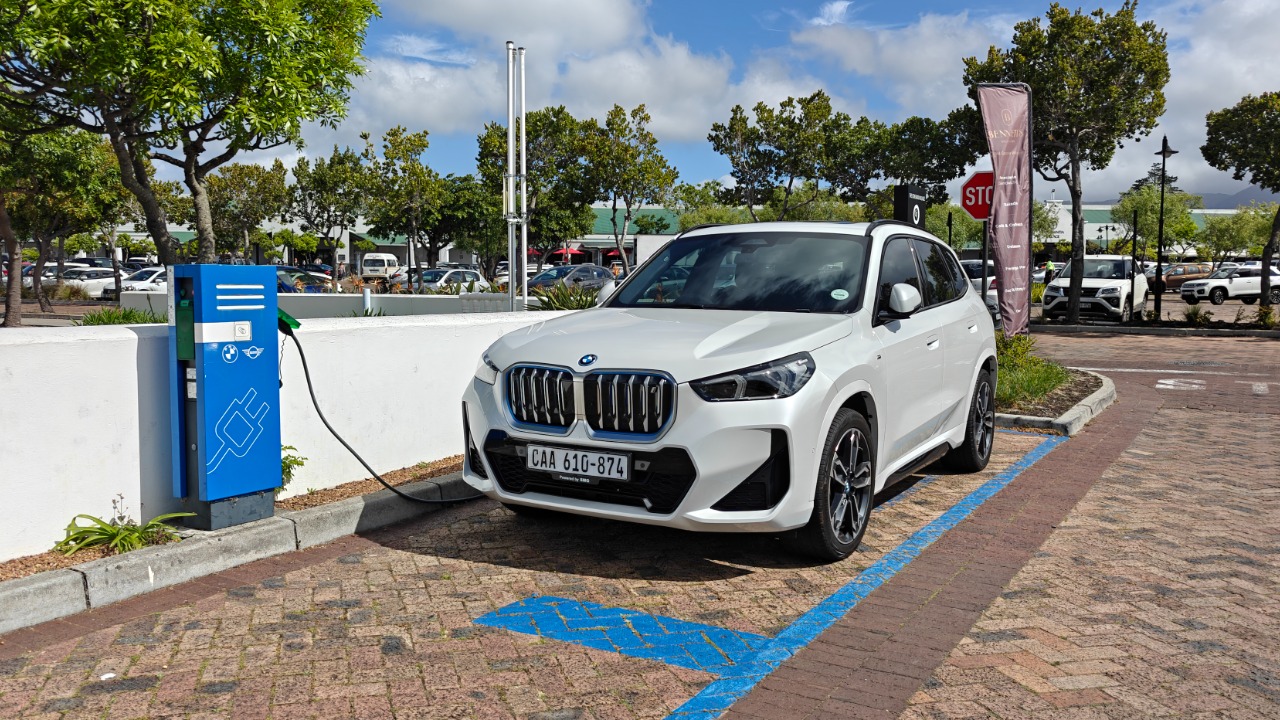

BMW is weighing a significant shift in its electric strategy, exploring whether to pair its largest battery-powered models with gasoline engines that act purely as range extenders. Instead of abandoning EVs, the company appears to be testing a hybridized middle ground that keeps electric drive at the center while easing the anxiety that still surrounds charging and long-distance use.
If the plan moves ahead, it would mark a notable evolution for the brand’s flagship electric sedan and SUV, and a fresh twist in the broader industry debate over how quickly to move away from combustion. I see it as a revealing stress test of both consumer patience and infrastructure progress, especially in markets where public charging remains patchy and policy signals are mixed.
BMW’s biggest EVs are the test bed
The clearest sign of this rethink is that BMW is not starting with niche products, but with its most visible electric flagships. Reporting indicates that the company is considering installing small gasoline engines as range extenders in the i7 luxury sedan and the large iX5 SUV, using the combustion unit only to feed the battery rather than drive the wheels directly. That choice puts the experiment squarely in the spotlight, because these are the models that define how serious BMW is about electrification at the top of its lineup.
The potential move would effectively revive a technical concept BMW has used before, but now in a very different market context. Earlier range-extended efforts were limited in scale, whereas the i7 and iX5 sit at the heart of the brand’s premium image and are closely tied to the company’s upcoming Neue Klasse strategy for future electric platforms. By floating the idea on these halo vehicles, BMW is signaling that it sees long-range flexibility as a feature, not a compromise, for its wealthiest and most demanding customers.
Why BMW thinks range extenders still matter
Under the hood, the technology BMW is exploring is not a conventional hybrid, and that distinction matters. In a range-extender setup, a compact gasoline engine operates as a generator that charges the battery or powers the electric motor, but it does not mechanically connect to the wheels in the way a traditional hybrid does. That architecture keeps the driving experience fundamentally electric while using fuel as a safety net when the battery is depleted or charging is inconvenient.
The appeal of this approach is particularly strong in markets where charging infrastructure is uneven and long-distance travel is common. Industry descriptions of Range extender cars emphasize that the gasoline engine is deliberately decoupled from the wheels, which allows engineers to optimize it for efficiency at steady speeds rather than the full range of driving conditions. For BMW, that could mean smaller fuel tanks, quieter operation, and a smoother transition between battery power and engine-assisted cruising, especially on long highway trips.
China is the proving ground
China is emerging as the most likely launchpad for BMW’s range-extender ambitions, and the choice is not accidental. The country has become a laboratory for alternative electrification paths, with local brands selling large volumes of extended-range EVs that blend sizable batteries with small gasoline generators. BMW’s interest in adding such systems to its own models in China reflects both competitive pressure and a recognition that local buyers are already comfortable with this hybridized formula.
In that context, the company’s exploration of range-extender technology is as much about market fit as it is about engineering. Chinese consumers have shown a willingness to embrace vehicles that promise electric driving in the city and gasoline-backed security on longer journeys, and that pattern is exactly what BMW is trying to tap into with its potential i7 and iX5 configurations. By aligning its flagship EVs with a format that is already familiar in China, BMW is positioning itself to compete more directly with domestic players that have built their reputations on similar setups.
How Neue Klasse and “Power of Choice” fit together
BMW’s interest in pairing gasoline engines with its largest EVs does not come out of nowhere; it is rooted in a long-standing philosophy the company calls “Power of Choice.” Rather than betting exclusively on one drivetrain, BMW has consistently argued that customers should be able to pick between gasoline, diesel, plug-in hybrid, and fully electric options depending on their needs. That stance has drawn criticism from some who favor a faster, cleaner break with combustion, but it has also given BMW flexibility as demand for different technologies has shifted.
Analysts have pointed out that BMW has stayed true to this Power of Choice approach even as rivals rushed to declare all-electric futures, and that the company co-developed a range-extender setup with Toyota as part of that broader strategy. The potential integration of such systems into Neue Klasse based models like the i7 and iX5 would therefore be less a U-turn and more an extension of a philosophy that prizes flexibility over purity. In my view, it also underscores BMW’s belief that the path to decarbonization will be uneven across regions, and that a one-size-fits-all drivetrain plan is more marketing slogan than practical roadmap.
A response to slowing EV momentum
Behind the technical details sits a more uncomfortable reality for the industry: pure EV adoption has not grown as smoothly as many executives and policymakers once hoped. Charging infrastructure gaps, volatile electricity prices, and concerns about resale values have all contributed to a more cautious consumer mood, especially in higher price brackets where buyers expect effortless long-distance capability. By exploring range-extender options for its biggest electric models, BMW is effectively acknowledging that some customers still see all-battery solutions as a risk.
I read this move as a hedge against that uncertainty rather than a retreat from electrification. The company is still investing heavily in its Neue Klasse architecture and in fully electric variants, but it is also giving itself a way to keep hesitant buyers inside the brand’s EV ecosystem instead of losing them to conventional SUVs or sedans. If the i7 and iX5 can promise electric driving most of the time while quietly erasing range anxiety with a gasoline backup, BMW may be able to sustain momentum in segments where pure EVs have started to feel like a harder sell.
What this means for emissions and regulation
The environmental implications of BMW’s range-extender strategy are nuanced. On one hand, vehicles that rely primarily on electric drive but carry a small gasoline generator can deliver substantial emissions reductions compared with traditional combustion models, especially if owners charge regularly and use the engine only on longer trips. On the other hand, the presence of a fuel tank and exhaust system means these cars will still emit CO2 and local pollutants when the engine is running, which complicates regulatory classifications and long-term climate targets.
Regulators in Europe, China, and other major markets are still refining how they treat such vehicles in emissions rules and incentive schemes, and BMW’s push into this space will test those frameworks. If range-extended EVs are counted closer to pure battery models, they could help automakers meet fleet targets while offering customers more flexibility. If they are treated more like hybrids, the regulatory benefits may be smaller, but the technology could still serve as a bridge for drivers who are not yet ready to commit to a fully electric lifestyle. In either case, BMW’s decision to experiment at the top end of its lineup will send a strong signal about how it expects policy and consumer behavior to evolve over the next decade.
A strategic bet on pragmatism over purity
For purists who see the future as entirely battery powered, BMW’s interest in adding gasoline engines to its largest EVs may look like a step backward. From a pragmatic standpoint, however, it reflects a company that is trying to balance ambition with realism, especially in markets where infrastructure and consumer confidence have not kept pace with early EV hype. By keeping the driving experience electric while using combustion as a quiet safety net, BMW is betting that many buyers will accept a small compromise in purity in exchange for a big gain in convenience.
As I see it, the real test will be whether customers view these range-extended flagships as forward-looking solutions or as transitional products that risk feeling outdated as charging networks improve. If BMW can position the i7 and iX5 range-extender variants as smart, flexible choices within its broader Power of Choice portfolio, they could help the brand navigate a messy, uneven transition period. If not, they may end up as historical footnotes that mark the industry’s struggle to reconcile bold electric promises with the practical realities of how and where people actually drive.
More from MorningOverview