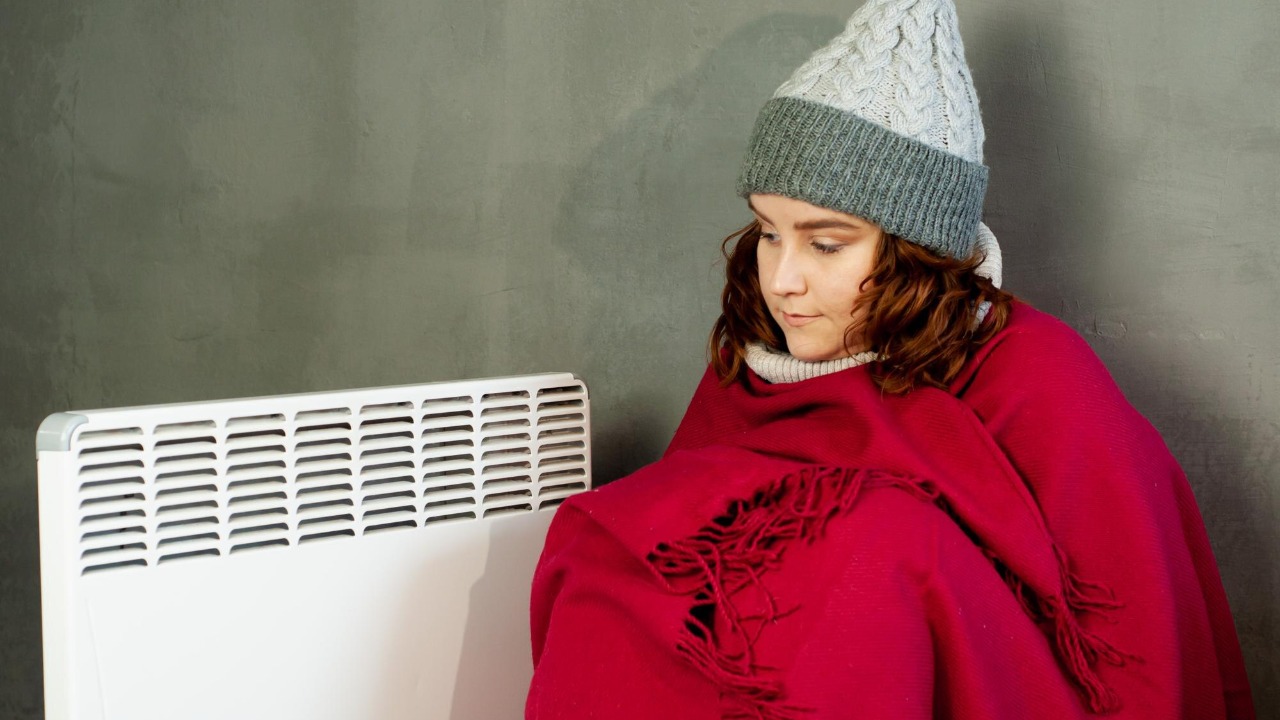

Home heating is supposed to be the quiet background player of winter, not the thing that sends your family to the hospital or leaves your house in ruins. Yet fire officials and safety experts say a handful of common mistakes turn ordinary furnaces, fireplaces and space heaters into serious hazards every cold season. If you want warmth without catastrophe, you need to treat your heating setup with the same respect you give your car’s brakes or your home’s wiring.
I see the same patterns repeat: people crowd heaters with clutter, improvise with grills or generators when the power fails, and skip basic maintenance that would have caught a failing furnace before it sparked or leaked carbon monoxide. Avoiding disaster this winter is less about buying new gear and more about changing habits that experts have been warning about for years.
Stop turning your living room into a tinderbox
The fastest way to turn a cozy night into a 911 call is to park flammable items right next to a heat source. The NFPA and state fire officials stress that you must Keep anything that can burn at least three feet from fireplaces, wood stoves, radiators and space heaters, because fabric, paper and plastic can ignite long before they actually touch the appliance. Federal fire guidance repeats the same rule, urging families to Keep furniture, curtains and holiday decorations well away from every heat source, including baseboards that people often forget are even hot.
Space heaters are especially unforgiving when it comes to clutter and cords. Safety specialists warn that these devices should never be run through power strips or extension cords, and that you need to Leave some space around them so bedding, clothing and furniture cannot fall or be pushed onto the hot surfaces. Consumer advocates add that you should only use newer electric models with automatic shutoff and place them on flat, nonflammable floors, not on rugs or stacked on boxes, which is why the Office of the urges people to purchase only newer model electric heaters and never leave the space heater on overnight.
Misusing heaters and generators can be deadly, not just risky
When temperatures plunge or the power goes out, the temptation to improvise is strong, but some of the most dangerous winter mistakes start with the words “just this once.” Emergency managers and meteorologists have been blunt that you must not misuse heating devices, warning people preparing for winter storms, “Don’t misuse heating devices” and “Never use grills, camp stoves or generators indoors,” because these produce carbon monoxide and can quickly turn a cold house into a toxic one. The American Red Cross echoes that guidance, listing clear GENERATOR DO’S AND DON’TS that include “Never” running a generator inside a home, garage or even a partially enclosed space.
Carbon monoxide is not a theoretical concern, it is a colorless, odorless gas that can kill quietly while people sleep. Health reporters note that Heating up the home unsafely can come with the risk of fire and also with the risk of carbon monoxide poisoning, which can lead to oxygen deprivation and even death. That is why winter safety campaigns insist on working smoke and carbon monoxide alarms on every level of the home and outside sleeping areas, advice repeated in state-level Essential Fire Safety that also cover the safe use of space heaters.
Space heaters: small devices, oversized risks
Space heaters look harmless, but they are involved in a disproportionate share of winter fires when people treat them like background appliances instead of open flames. Insurance and safety experts emphasize that Space Heater Safety starts with placement, keeping units away from water, pets and children, and using only models with tip-over protection and overheat sensors. Another guide on winter heating mistakes warns bluntly, “Don’t Misuse Space Heaters,” noting that these devices are a hot fire hazard and should be inspected for frayed insulation or cut wires before each season, advice that appears in a list of Mistakes to Avoid When Keeping Your Home Warm This Winter.
Placement errors are just as dangerous as bad wiring. A consumer-focused rundown of heater errors calls out Putting a heater in the wrong place as the first mistake, warning that setting a unit near bedding, drapes or under a desk can trap heat and start a fire. Another safety checklist urges people to “Never” put a space heater close to anything that could combust, highlighting that Don‘t put a space heater close to anything that could combust is not optional advice but a baseline rule. State fire marshals have been repeating similar warnings in social media campaigns, urging residents in posts labeled Winter Storm Heating to Use heaters correctly When temperatures drop.
Skipping maintenance and insulation is a slow-motion failure
Not every heating mistake explodes into a dramatic fire, some quietly waste money and shorten the life of expensive equipment until a breakdown arrives on the coldest night of the year. Energy advisers list Here are six common wintertime energy-wasting mistakes, starting with Failing to have your heating system inspected and cleaned, and including ignoring air leaks that should be sealed with caulk or expandable foam insulation. Another consumer guide on Heating Mistakes That points to Cranking Up The Heat When You are Cold and Forgetting To Turn The Heat Down While you are away as habits that drive up costs without actually warming rooms faster, contradicting what many people assume.
Neglecting the hardware itself is even riskier. Heating specialists warn that When various heating components break down and are left unchecked, the entire home heating system can start to fail, and many other components can be negatively affected. A separate advisory on Furnace Fire Risks urges homeowners to have furnaces inspected Before turning them on for the winter, cleaning burners and checking for cracks that could leak gas or carbon monoxide. Fire departments echo that message, with Tifton Fire Department in TIFTON, Ga., telling residents to Have your heating system inspected and your chimneys cleaned to make sure they are working properly.
Bad habits that quietly raise your fire risk
Even when equipment is modern and well maintained, everyday behavior can nudge your risk level higher without you noticing. A short safety video warns that Many people unknowingly make winter heating mistakes, such as draping clothes over radiators to dry or blocking vents with furniture, which are heating habits that increase fire risk or reduce the system’s ability to circulate warm air. Workplace safety advisers extend the same logic to offices and warehouses, noting that as winter sets in, ensuring the safety of heating equipment is paramount to prevent accidents and maintain a comfortable work environment, and that employers must manage the safety and health risks associated with inadequate warmth, a point underscored in guidance on how to Avoid injuries in cold weather.
Fire investigators also see patterns in how people interact with thermostats and central systems. Plumbing and HVAC experts list Common Heating Mistakes to Avoid each Winter, including Cranking Up Your Thermostat To Warm Up Your Home Faster and Setting your heat in the 80s, which does not speed up heating but does strain equipment and inflate bills. National fire data backs up the stakes: the NFPA notes that Heating equipment is the leading cause of home fires between December and February, and that Heating equipment and chimneys should be cleaned and inspected at least once a year to be sure that they are working properly. State fire marshals in Texas have been repeating similar warnings in televised briefings, with officials in Texas cautioning that as winter weather moves through central parts of the state, power outages could happen and some common ways people try to stay warm are extremely dangerous.
More from Morning Overview