
In a rare and exceptionally close encounter, asteroid C15KM95 skimmed just 300 kilometers above Antarctica on October 2, 2025. This surprise event, which was reported the following day, involved the asteroid passing only 250 miles from Earth’s surface, as captured in video footage. The flyby underscored the proximity of near-Earth objects, occurring at 20:03 UTC on the initial reporting date.
Discovery of the Asteroid
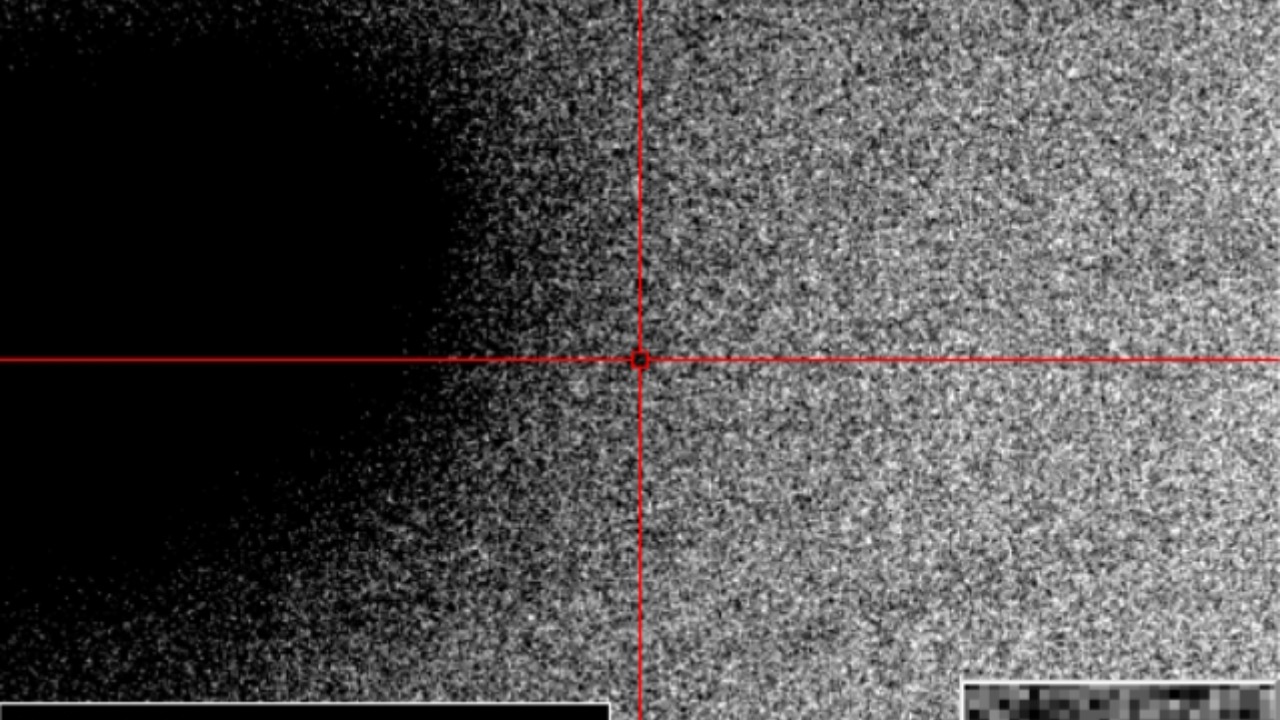
The initial detection of asteroid C15KM95 led to the identification of its trajectory toward Earth. This event was not anticipated until observations confirmed its path, adding a surprise element to the flyby. The first public acknowledgment of the asteroid’s approach was reported at 12:18 UTC on October 2, 2025, marking the beginning of a tense countdown to the close encounter.source
The discovery of asteroid C15KM95 was a testament to the capabilities of modern astronomical detection systems. Despite the asteroid’s sudden appearance, scientists were able to quickly identify its trajectory, thanks to the advanced technology at their disposal. The detection of C15KM95 was a significant event, as it underscored the importance of continuous monitoring of near-Earth objects. The unexpected nature of the asteroid’s approach served as a stark reminder of the unpredictable nature of space and the potential threats that lurk within it.source
Details of the Flyby Path
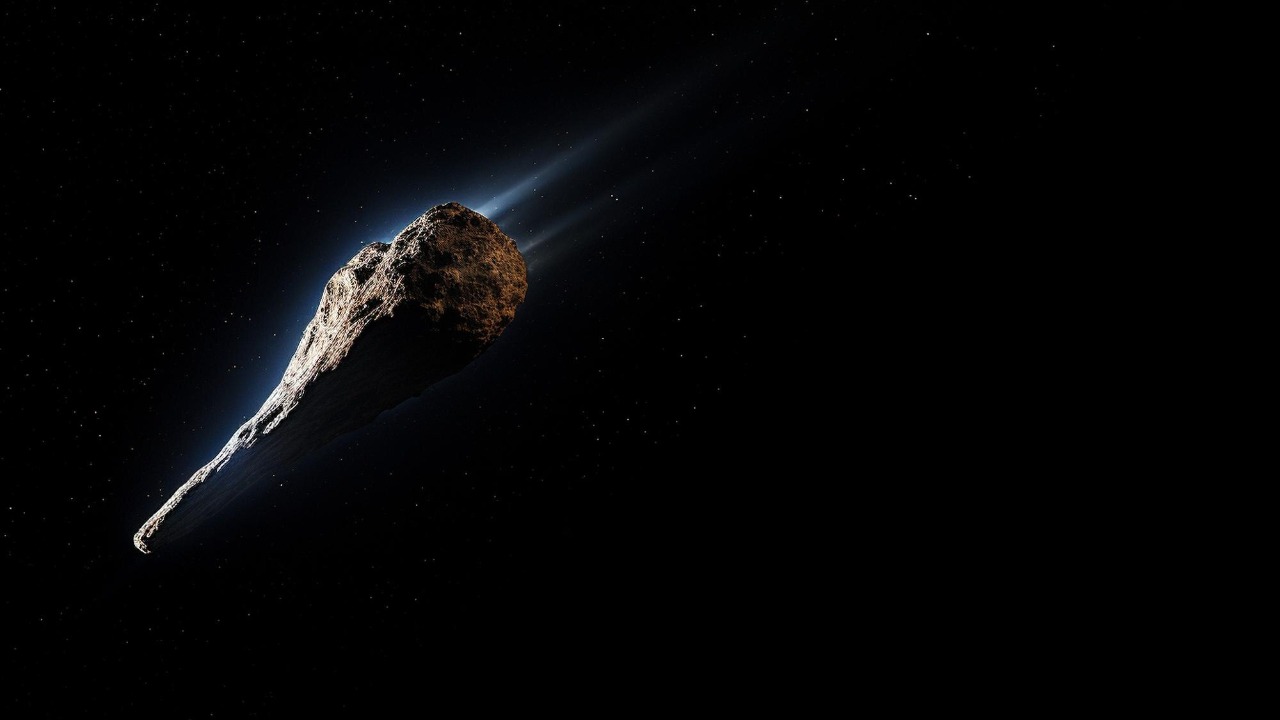
The asteroid’s passage exactly 300 kilometers above Antarctica emphasized the exceptionally close altitude over the continent. The event was observed at a distance equivalent to 250 miles from Earth’s surface during the flyby. The specific timing of the flyby was reported at 20:03:00.000Z on October 2, 2025, adding to the precision of the event’s documentation.source
The trajectory of asteroid C15KM95 was particularly noteworthy due to its close proximity to Earth. The asteroid’s path took it directly over Antarctica, a rare occurrence that added to the uniqueness of the event. The precision with which the asteroid’s path was tracked and reported is a testament to the accuracy of modern astronomical observation techniques. The exact timing of the flyby, down to the millisecond, further emphasized the precision of the event’s documentation. This level of detail is crucial in understanding the behavior of near-Earth objects and improving future predictions.source
Asteroid Identification and Naming

The asteroid was identified by its designation C15KM95 in reports of the Antarctica skim. Due to its unexpected proximity to Earth, it was labeled as a “surprise asteroid”. The event’s formal description, “Asteroid Passed Only 300 Kilometers Above Antarctica in Exceptionally Close Flyby”, underscores the rarity and significance of this occurrence.source
The designation C15KM95 was assigned to the asteroid as per the standard naming conventions for such celestial bodies. This alphanumeric code is crucial for cataloging and tracking purposes. The term ‘surprise asteroid’ was aptly used to describe the unexpected nature of its close approach to Earth. The formal description of the event, emphasizing the exceptional closeness of the flyby, served to highlight the significance of this occurrence in the annals of astronomical observations.source
Observation and Video Documentation

Video footage captured the asteroid’s flyby at only 250 miles away, providing visual evidence of the event. The rarity of the flyby was emphasized in coverage of the 300-kilometer skim above Antarctica. The video was released on October 3, 2025, at 14:26:00.000Z, providing a tangible record of this exceptional astronomical event.source
The video documentation of asteroid C15KM95’s flyby provided a unique opportunity for both scientists and the public to witness this rare event. The footage, captured from a distance of only 250 miles, offered a detailed view of the asteroid as it skimmed above Antarctica. The release of the video served not only as a record of the event but also as a tool for further study and analysis. The visual documentation of such occurrences is invaluable in the field of astronomy, providing tangible evidence that can be studied and referenced in future research.source
Proximity and Risk Assessment

The 300-kilometer altitude of the asteroid’s path was assessed as exceptionally close, occurring directly above Antarctica. The 250-mile distance was used as a measure of the flyby’s nearness to Earth’s atmosphere. The event’s timestamp of 12:18:00.000Z on October 2, 2025, was crucial for initial risk evaluation.source
The proximity of asteroid C15KM95 to Earth during its flyby was a significant factor in assessing the potential risk it posed. The asteroid’s altitude of 300 kilometers above Antarctica was exceptionally close by astronomical standards, prompting a thorough evaluation of the event. The use of the 250-mile distance as a measure of proximity provided a relatable scale for understanding the closeness of the event. The timestamp of the event played a crucial role in the initial risk assessment, providing a precise point of reference for tracking the asteroid’s path and predicting its future trajectory.source
Scientific and Monitoring Context
The implications of C15KM95’s path skimming 300 kilometers above Antarctica have significant implications for planetary defense monitoring. The surprise flyby at 250 miles informs ongoing asteroid tracking efforts, highlighting the need for constant vigilance and advanced detection systems. The 20:03:00.000Z reporting on October 2, 2025, served as a key moment for scientific updates and further underscored the importance of timely and accurate asteroid tracking.source
The flyby of asteroid C15KM95 has significant implications for the field of planetary defense. The event highlighted the importance of maintaining constant vigilance and improving detection systems to identify and track near-Earth objects. The surprise nature of the flyby served as a reminder of the unpredictability of space and the potential threats that can emerge without warning. The precise reporting of the event served as a key moment for scientific updates, reinforcing the need for timely and accurate tracking of asteroids. The event will undoubtedly inform future efforts in asteroid detection and planetary defense.source
