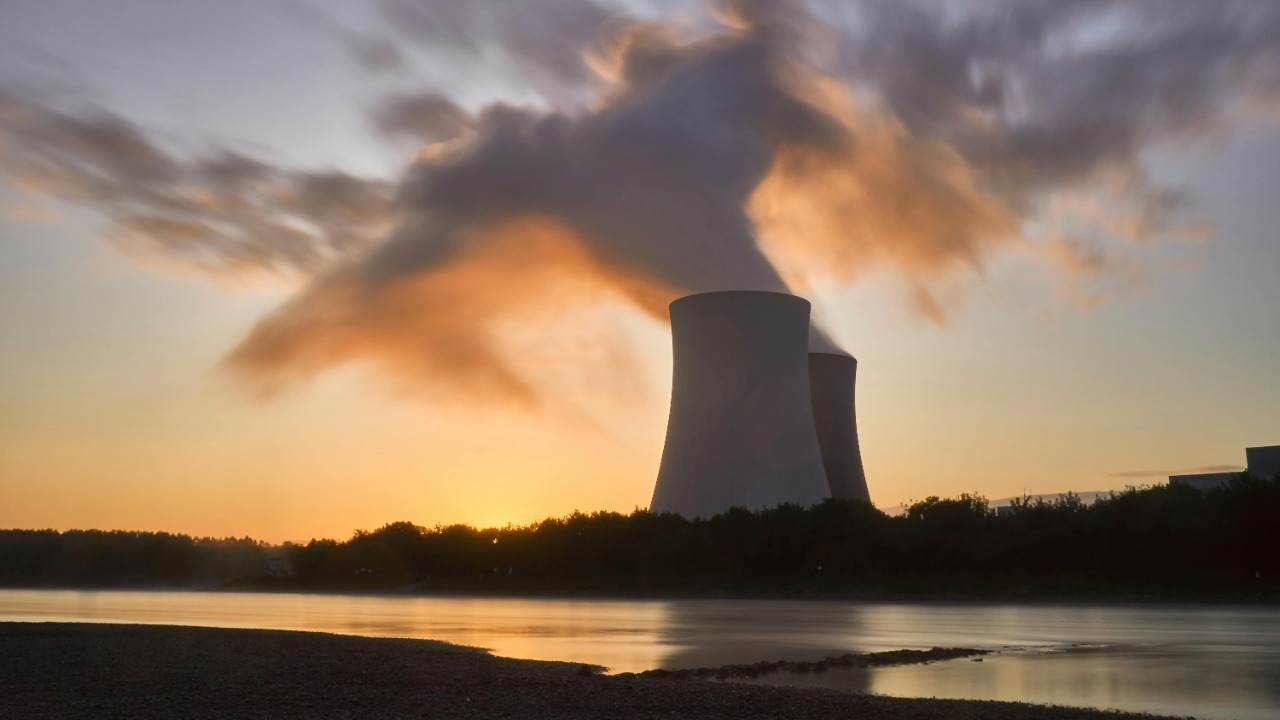

Big Tech is no longer just a heavy user of electricity, it is rapidly becoming part of the power system itself. As artificial intelligence drives a surge in data center construction, the same companies that built the modern internet are now buying utilities, striking long term generation deals, and lobbying for control over critical grid assets. That shift concentrates energy risk in corporate hands at the exact moment the grid is straining under unprecedented demand.
The result is a new kind of infrastructure gamble. The more Jan scale up AI and cloud services, the more they lock households and small businesses into the consequences of their energy bets, from higher bills to new fossil fuel projects and local pollution. I see a widening gap between the private upside of this buildout and the public exposure if anything goes wrong.
The AI power crunch stops being theoretical
For years, warnings about data centers overwhelming electricity systems sounded abstract, but that cushion is disappearing fast. The AI boom has turned server farms into industrial scale power users, and even industry insiders now concede that AI Power Crunch as grids struggle to keep up with round the clock computing loads. In London, this means the electricity network is already under noticeable strain, a preview of what happens when dense clusters of data centers plug into aging infrastructure that was never designed for this kind of constant draw.
That pressure is not confined to one city. Analysts tracking global buildouts describe data centers as overwhelming power grids worldwide, with new AI facilities demanding the kind of capacity once associated with steel mills or chemical plants. When I look at those numbers, it is clear that the old assumption, that digital growth is almost weightless, no longer holds. Artificial Intelligence has hit a physical wall, and the constraint is not chips or coders but the ability to secure enough reliable electricity to scale operations for extended periods, a reality that is already reshaping how Artificial Intelligence is financed and deployed.
Communities feel the strain before the benefits
While executives talk about innovation, residents near new server farms are confronting more immediate trade offs. In Ohio, local reporting has detailed how Jan scale data center projects are driving up infrastructure costs that ultimately land on regular customers, even as the facilities themselves secure discounted rates and special deals. The story is not just about abstract grid planning, it is about how Data centers aren’t putting wallets at risk but also forcing utilities to build new lines and substations that primarily serve corporate campuses.
New York is bracing for a similar wave. Officials there are racing to update rules as a surge of AI data centers heads for the state, but, as one analysis put it, Jan efforts may be too little too late. According to Bloomberg, electricity costs in areas near “significant data center activity” are already rising, a warning sign for neighborhoods that will share the same substations and transmission corridors. When I talk to local advocates, they describe a pattern in which the promise of jobs and tax revenue arrives first, while the reality of higher bills, noise, and land use conflicts shows up years later.
Big Tech starts buying the power system
Faced with this crunch, the largest platforms are not waiting for utilities to solve their problems, they are moving directly into the energy business. Earlier this month, Jan made one of the biggest energy moves in tech history when Google purchased an entire energy company for $4.75 billion, a deal framed internally as a way to lock in long term clean power for its data centers. The price tag signals how central electricity has become to the core business model, and it shows that the company would rather own generation outright than depend on markets that might tighten or regulators who might say no.
Other giants are taking a more financial route, snapping up stakes in nuclear operators and advanced reactor developers as a hedge against future scarcity. Analysts describe a power struggle in which tech firms are buying nuclear stocks because, For the largest AI players, baseload reactors look like one of the few ways to guarantee enough carbon free energy to run clusters at full tilt. When I read that Jan investments are framed as a way to secure capacity for extended periods, it is clear that these are not side bets but strategic moves to control the fuel that feeds their algorithms, a trend that raises questions about who will set priorities when supply is tight.
Government policy shifts risk onto the public
The federal government is now trying to channel this corporate appetite into shoring up the grid, but the approach carries its own hazards. The Trump administration has floated a plan that would push tech companies to buy $15B of power plants they may not use, an effort to keep aging fossil fuel units online as a backstop for reliability. The proposal lands in regions like PJM, the massive regional transmission organization, where the price of natural gas is also to blame for recent volatility and where PJM is heavily dependent on that fossil fuel.
On paper, shifting ownership of these plants to cloud providers might look like a way to manage risk on similar timelines, aligning corporate planning cycles with grid needs. In practice, I see a different danger. If Jan and other platforms end up holding stranded assets that regulators still treat as essential, the public could be pressured to subsidize facilities that no longer make economic or climate sense. The use of slogans like WAITLIST and NOW in promotional material around the plan underscores how quickly policymakers are trying to move, even as consumer advocates warn that the long term costs and governance questions have barely been debated.
Environmental and reliability risks pile up
Environmental groups are already documenting how this scramble for power is reshaping the energy mix. A recent poll and policy analysis found that the enormous electric demands from new data centers are driving new fossil infrastructure, toxic local pollution, and threats to climate goals, especially in regions where renewables and transmission have lagged. The same research argues that data center development is accelerating faster than regulators can ensure it meets a public interest standard, leaving communities with little leverage to demand cleaner alternatives or stronger protections.
Grid operators are sounding the alarm on reliability as well. One widely cited assessment warned that AI data centers are pushing the electric grid into meltdown, with experts cautioning that this summer may bring more than hot temperatures as peak demand collides with limited reserve margins. The report, Published Jan in the afternoon EST and accompanied by an Illustration by Tag Hartman and Simkins, quoted one analyst saying bluntly that it is going to get worse. When I connect that warning to the trend of tech giants diving into the power business, the picture that emerges is not just one of corporate risk but of systemic exposure if their bets on generation, fuel, and grid upgrades do not pan out.
More from Morning Overview