

For centuries, the enigmatic monument known as King Arthur’s Hall in Cornwall was believed to be a medieval site linked to the legendary King Arthur. Recent archaeological discoveries have revealed that this monument is actually a mysterious structure built over 4,000 years ago during the Bronze Age, reshaping historical narratives.
The Legend of King Arthur’s Hall

The tale of King Arthur’s Hall has captivated historians and enthusiasts for generations. Nestled in the moorlands of Cornwall, the site was long thought to be a medieval assembly place tied to the legendary King Arthur. According to local lore, this was a place where knights gathered, echoing the grandeur of Camelot itself. The association with Arthurian legend lent an air of mystique and cultural richness to the site, making it a focal point for tourists and scholars alike.
Previous archaeological efforts also reinforced the medieval narrative. Excavations in the 19th and 20th centuries often interpreted findings through the lens of Arthurian legend, seeing traces of medieval craftsmanship where none existed. These interpretations were influenced by the cultural climate of the time, which sought to romanticize Britain’s medieval past. The allure of linking the site to an iconic figure like King Arthur had significant cultural and economic implications, boosting local tourism and embedding the legend into the region’s identity.
The cultural significance of King Arthur’s Hall cannot be overstated. It served as a beacon for thousands of visitors each year, eager to step into the world of knights and chivalry. This romanticized vision of history not only shaped tourism but also impacted local culture, with festivals and events often themed around the Arthurian legend, drawing both domestic and international attention.
Uncovering the Ancient Origins
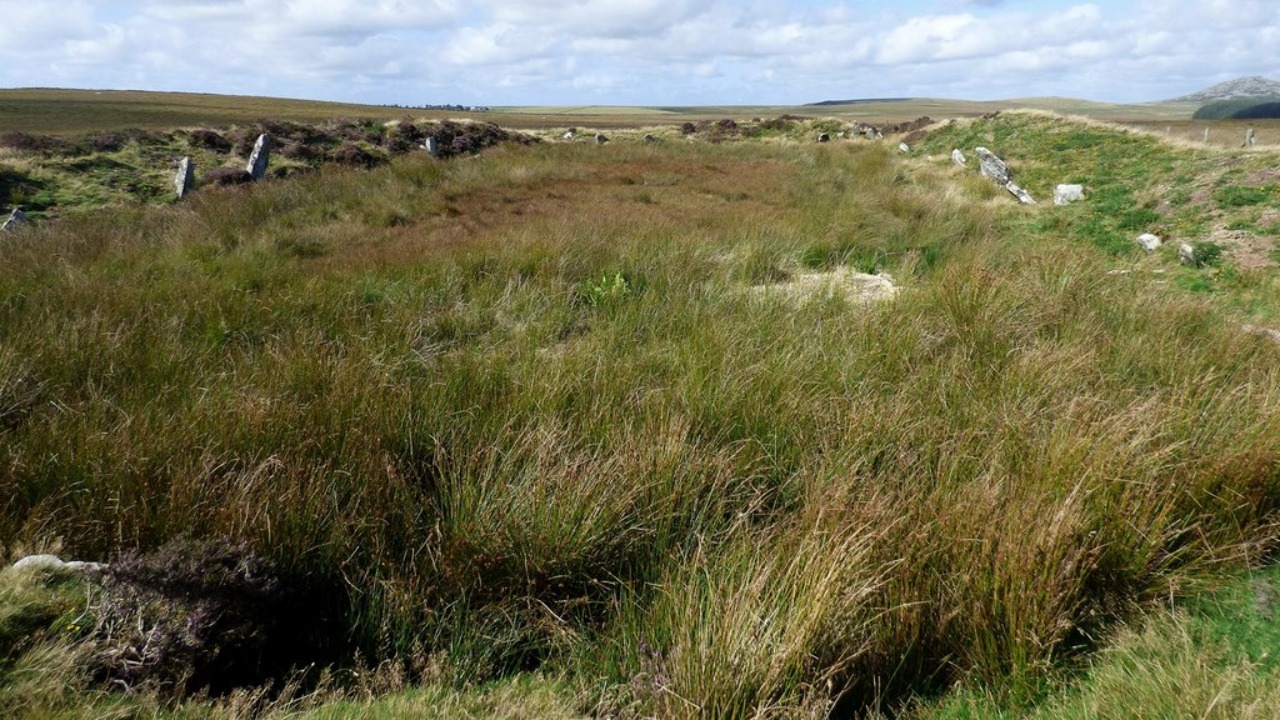
Recent archaeological discoveries have turned the narrative of King Arthur’s Hall on its head. Using advanced dating techniques, researchers have discovered that the monument predates the medieval period by several millennia. This revelation emerged from a recent study that employed radiocarbon dating and other sophisticated technologies to analyze the site. As reported by Smithsonian Magazine, the findings suggest the monument was constructed during the Bronze Age, over 4,000 years ago.
The methodologies used in these recent studies include ground-penetrating radar and advanced stratigraphic analysis, tools that were unavailable to earlier archaeologists. These technologies have allowed researchers to peer beneath the surface without disturbing the site, revealing a complex structure that aligns more closely with known Bronze Age edifices. This breakthrough challenges previously held assumptions and compels historians to reconsider the timeline of human settlement and architectural achievement in the region.
The implications of these findings are profound. The discovery that King Arthur’s Hall is much older than previously thought expands our understanding of the region’s history. It suggests that the area was of considerable importance long before the medieval period, with a sophisticated society capable of constructing such a monument. This new perspective not only enriches the historical tapestry of Cornwall but also prompts a re-examination of other sites traditionally linked to medieval legends.
Understanding the Bronze Age Site
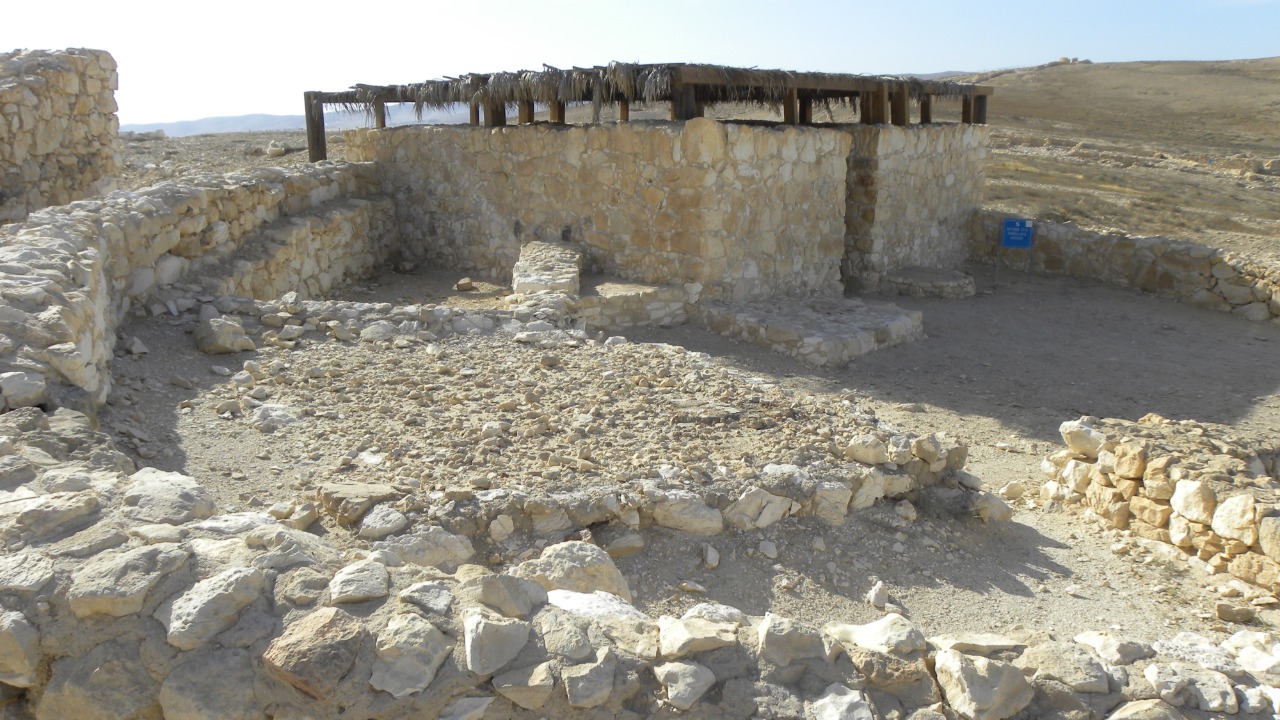
Examining the architectural features of the site reveals distinct characteristics that set it apart from medieval structures. Unlike the stonework typically associated with medieval English architecture, the monument displays unique stone arrangements and alignments that are more commonly found in Bronze Age structures. These features include a large rectangular enclosure surrounded by a bank and ditch, which hints at ceremonial or astronomical purposes rather than military or residential use.
One of the prevailing theories about the site’s original purpose is its potential use as a ceremonial or ritualistic center. Some researchers suggest it may have served as an astronomical observatory, designed to align with celestial events such as solstices or equinoxes. This theory is supported by the monument’s alignment with the cardinal points and its similarity to other known Bronze Age sites, such as Stonehenge and the recently discovered Bronze Age stone circle in an English forest.
Comparative analysis with other Bronze Age monuments highlights the uniqueness of King Arthur’s Hall. While there are similarities in terms of construction techniques and purposes, the scale and complexity of the site suggest it played a significant role in the society that built it. This discovery adds a new layer of depth to our understanding of prehistoric Britain, illustrating a complex and interconnected network of cultural and ceremonial sites across the landscape.
The Broader Impact on Archaeology and History
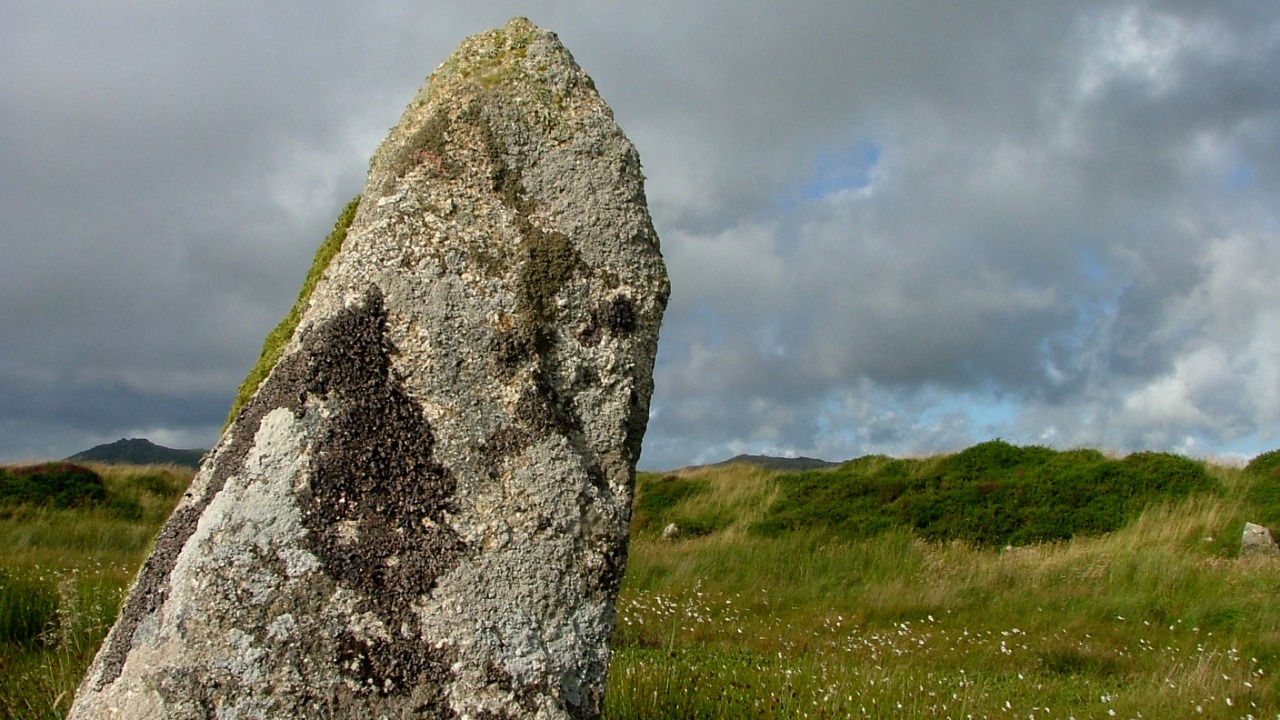
The recent revelations about King Arthur’s Hall prompt a reassessment of historical narratives. Historians and archaeologists are now encouraged to re-evaluate other sites that have been traditionally linked to well-known legends. This discovery underlines the importance of questioning long-held assumptions and employing modern technologies to uncover the truth about our past. As noted in an insightful book on historical interpretation, the discovery at King Arthur’s Hall is a reminder of the dynamic nature of history.
These findings are likely to influence future archaeological research and funding priorities. As researchers gain a deeper understanding of the significance of Bronze Age sites, there may be a shift in focus and resources toward uncovering and preserving these ancient monuments. This could lead to new archaeological expeditions and studies that provide further insights into the early inhabitants of Britain and their cultural practices.
Public perception of history is also reshaped by such discoveries. As new information emerges, it challenges preconceived notions and enriches our collective understanding of the past. The reclassification of King Arthur’s Hall from a medieval to a prehistoric site invites the public to engage with history in new and exciting ways, recognizing the depth and complexity of human civilization over the millennia.
Future Prospects for Archaeological Exploration
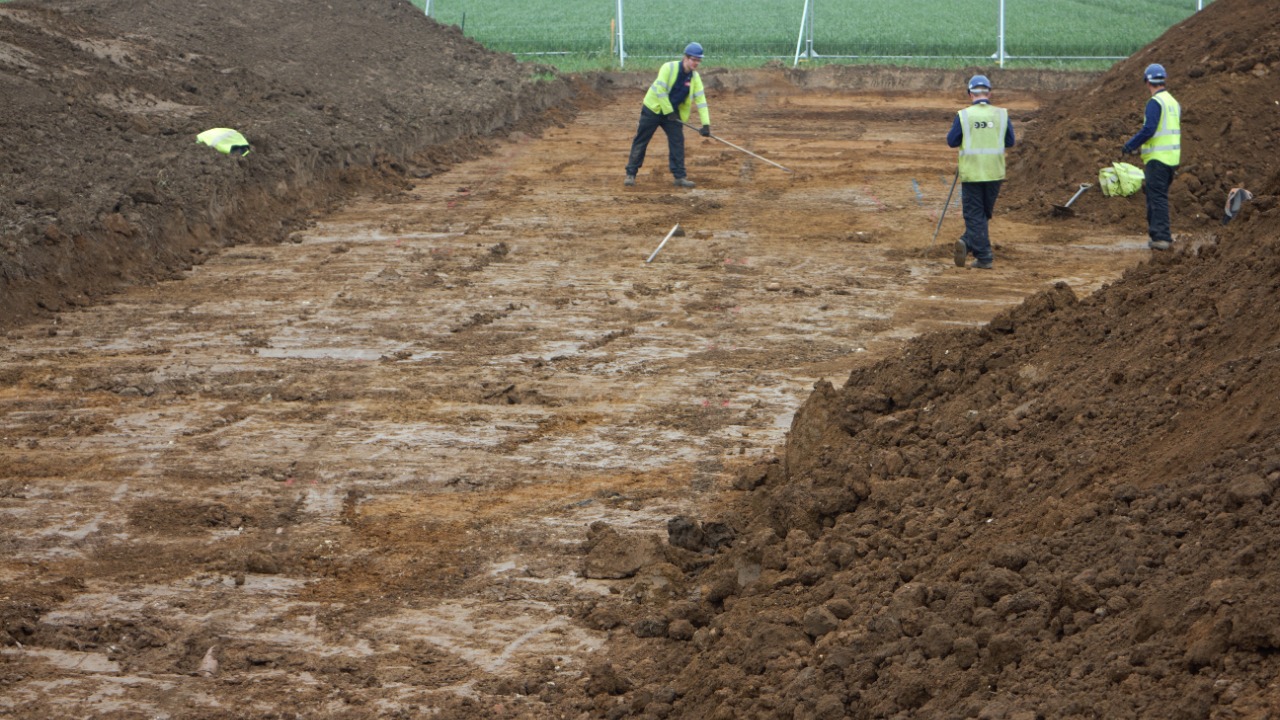
The ongoing research at King Arthur’s Hall promises to reveal even more about its history and significance. Archaeologists are planning further excavations and studies to explore the site’s full extent and uncover more details about its construction and use. This continued research is crucial to piecing together the story of the people who built the monument and understanding their place in history.
Preservation efforts are also a key consideration as the site gains recognition for its ancient origins. Protecting the monument from environmental and human-induced threats is vital to ensuring that future generations can learn from and appreciate this remarkable piece of history. However, these efforts come with challenges, such as securing funding and balancing public access with conservation needs.
Initiatives to engage the public with these new findings are already underway. Educational programs, community events, and digital resources are being developed to share the story of King Arthur’s Hall and its newfound significance. These efforts aim to foster a deeper appreciation for archaeology and encourage community involvement in preserving our shared heritage. By bringing history to life, these initiatives help bridge the gap between past and present, enriching our understanding of the world we inhabit.