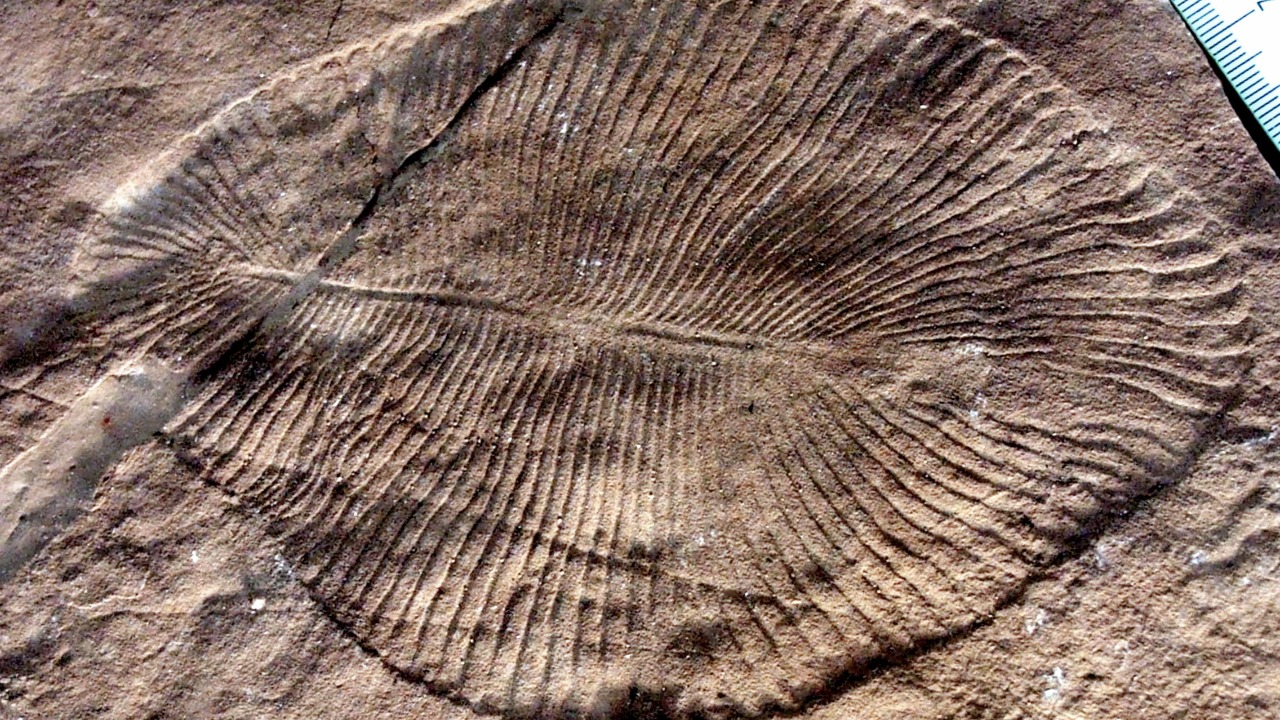

A groundbreaking ancient signal discovered in recent paleontological research has confirmed the true appearance of the very first animals on Earth, reshaping our understanding of early evolutionary forms. This signal, likely derived from fossilized biomarkers or molecular traces, points to simple, sponge-like structures as the earliest animal precursors rather than more complex organisms. The finding challenges previous assumptions and highlights the Ediacaran period’s role in animal origins (ScienceAlert).
The Nature of the Ancient Signal
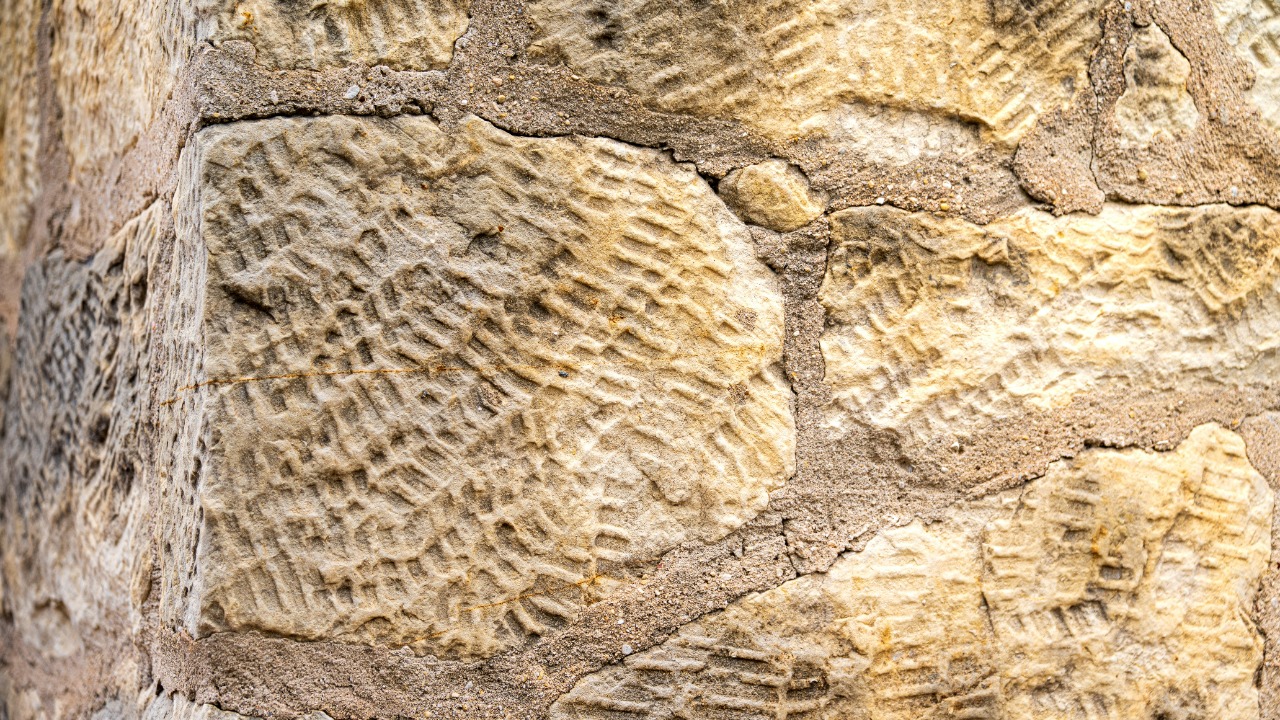
The scientific detection of the ancient signal involved advanced methods that identified lipid or genetic biomarkers preserved in ancient rocks. These biomarkers provide crucial insights into early animal physiology, revealing that the first animals were soft-bodied and asymmetrical, lacking hard skeletons or advanced features. This discovery was made possible by analyzing sediment layers from approximately 600 million years ago, where the signal was identified (ScienceAlert).
The geological context of this discovery is significant, as it places these early forms in the late Precambrian era. The sediment layers that housed these biomarkers offer a window into a time when life on Earth was undergoing significant evolutionary changes. This period, known as the Ediacaran, is now understood to be a critical phase in the development of animal life, setting the stage for the Cambrian explosion that followed.
Implications for Early Animal Evolution
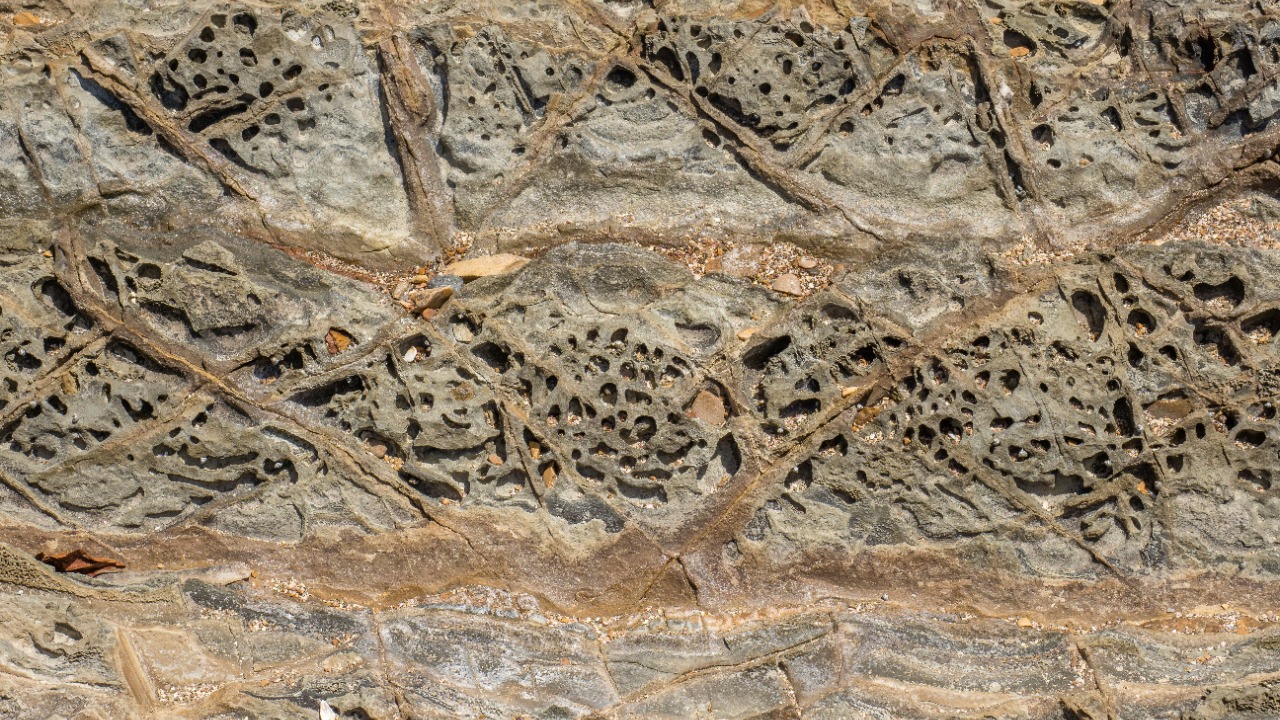
The confirmation of sponge-like organisms as the basal animals has profound implications for our understanding of early animal evolution. These organisms, characterized by porous, filter-feeding structures, are now seen as the earliest metazoans. The molecular evidence supporting this view aligns with the timeline of the late Precambrian era, reinforcing the idea that these simple forms were the first to emerge (ScienceAlert).
This finding contrasts sharply with prior theories that suggested more complex cnidarian-like ancestors. By rejecting these earlier models in favor of simpler metazoans, the research reshapes our understanding of the evolutionary pathways that led to the diversity of life we see today. This shift in perspective underscores the importance of the Ediacaran period in the history of life on Earth.
Techniques Behind the Confirmation

The confirmation of the ancient signal’s authenticity relied on advanced analytical tools, such as mass spectrometry, to decode its chemical signatures. This technology allowed scientists to identify and verify the presence of specific biomarkers that indicate early animal life. The interdisciplinary approach, involving both geochemists and paleobiologists, was crucial in ensuring the accuracy and reliability of the findings (ScienceAlert).
Despite the challenges of potential contaminants and preservation issues, the research team successfully extracted the signal from samples dated to the late Precambrian era. This meticulous process highlights the complexity and precision required in paleontological research, as well as the importance of collaboration across scientific disciplines to achieve groundbreaking results.
In addition to mass spectrometry, researchers employed techniques such as gas chromatography and nuclear magnetic resonance (NMR) spectroscopy to further analyze the molecular composition of the biomarkers. These methods allowed for a detailed breakdown of the chemical structures, providing a clearer picture of the biological processes that might have occurred in these early organisms. The integration of these technologies not only confirmed the presence of ancient life forms but also offered insights into their metabolic pathways, which were likely simple yet effective for survival in the nutrient-poor environments of the Precambrian seas.
Furthermore, the study utilized isotopic analysis to trace the origins of the carbon found in the biomarkers. This approach helped distinguish between biological and non-biological sources of carbon, thereby strengthening the argument that these signals were indeed remnants of early animal life. By cross-referencing isotopic data with geological records, scientists could more accurately date the emergence of these organisms, aligning their findings with known shifts in Earth’s atmospheric and oceanic conditions during the Ediacaran period.
Broader Scientific Impact
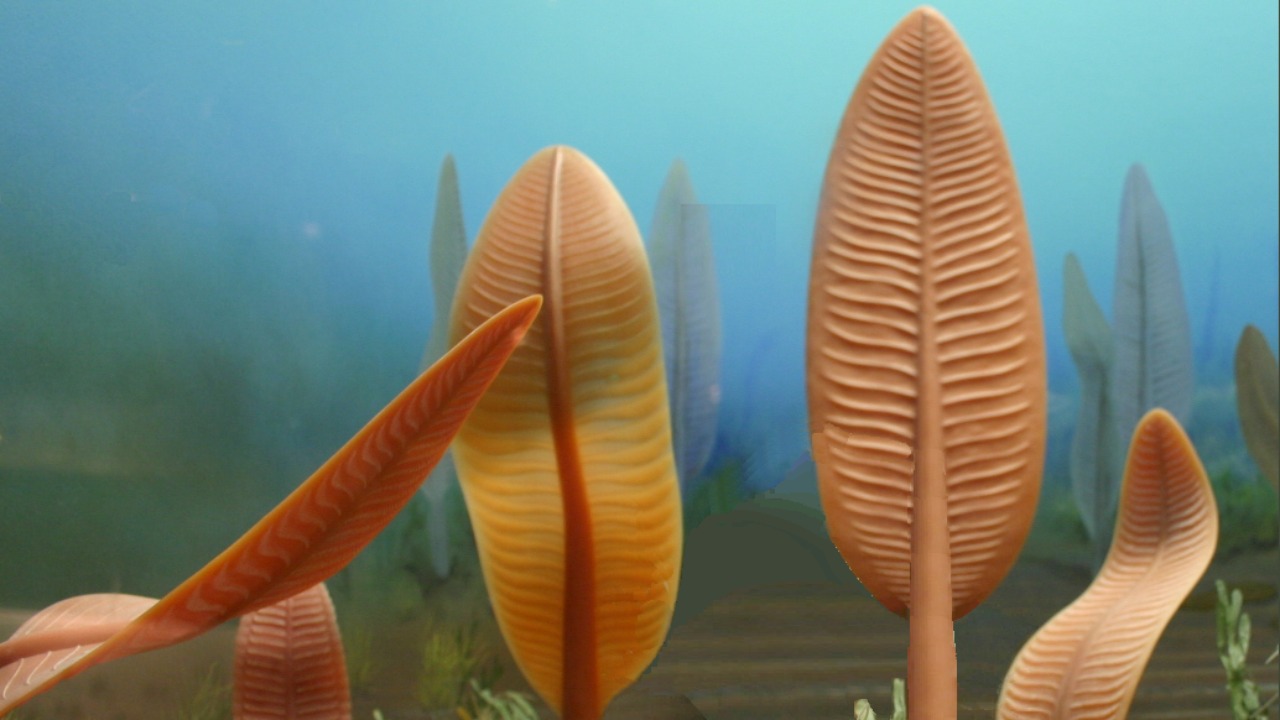
The confirmation of these early animal forms has significant implications for models of the Cambrian explosion, linking the appearance of the first animals to environmental triggers that may have facilitated rapid diversification. This discovery not only enhances our understanding of early life on Earth but also opens new avenues for future research, such as the search for similar signals in global fossil sites (ScienceAlert).
As scientists continue to refine evolutionary biology textbooks, this finding will play a crucial role in updating educational materials to reflect the latest understanding of early animal evolution. The research underscores the dynamic nature of scientific inquiry and the ongoing quest to unravel the mysteries of life’s origins on our planet.
This discovery also prompts a reevaluation of the ecological dynamics during the Ediacaran period. The presence of sponge-like organisms suggests that early ecosystems were more complex than previously thought, with these simple animals potentially playing a crucial role in nutrient cycling and energy flow. By acting as primary consumers, these organisms could have influenced the chemical composition of their environment, paving the way for more complex life forms to evolve. This perspective encourages scientists to explore how early animal life might have interacted with microbial communities, contributing to the gradual buildup of oxygen in Earth’s oceans.
Moreover, the implications of this research extend beyond paleontology, influencing fields such as astrobiology. Understanding the conditions that allowed for the emergence of the first animals on Earth can inform the search for life on other planets. By identifying the chemical and environmental signatures associated with early animal life, scientists can better target their investigations of extraterrestrial environments, such as those on Mars or the icy moons of Jupiter and Saturn, where similar conditions might exist. This interdisciplinary approach highlights the interconnectedness of scientific fields in unraveling the mysteries of life’s origins both on Earth and potentially elsewhere in the universe.