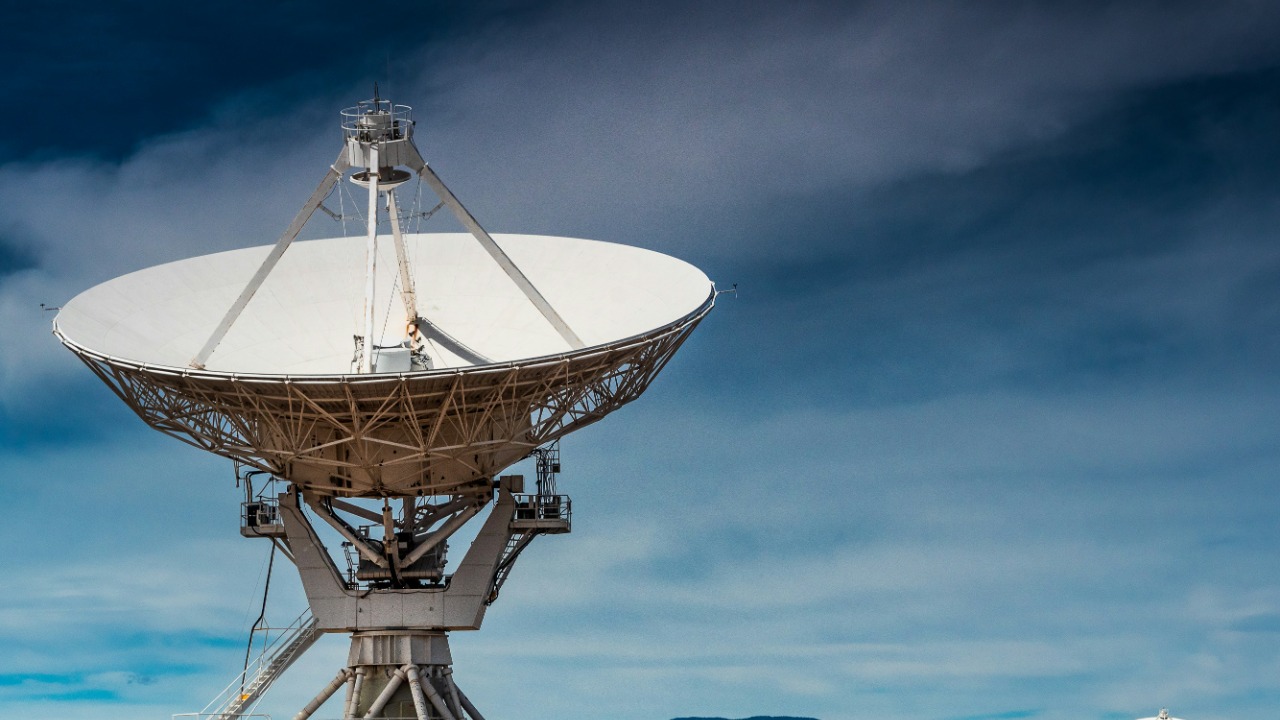

Recent research suggests that the radar signals emitted from airports might be attracting extraterrestrial attention. Scientists hypothesize that these signals could act as beacons, allowing technologically advanced alien civilizations to detect and potentially contact Earth. This theory offers a fascinating perspective on how human technology might inadvertently broadcast our presence to the cosmos, sparking interest in the implications of such cosmic eavesdropping.
The Science Behind Airport Radar Signals

Radar systems at airports are crucial for ensuring the safety and efficiency of air travel. They operate by emitting radio waves that bounce off aircraft and return to the radar system, allowing air traffic controllers to monitor the position, speed, and direction of aircraft within a particular range. These systems typically operate in the microwave range of the electromagnetic spectrum, which is known for its ability to travel long distances with minimal interference.
The range and frequency of these radar signals are significant when considering their potential detectability across cosmic distances. Radar frequencies can range from 1 to 40 GHz, with airport radars commonly operating between 2.7 and 3.5 GHz. These frequencies are not unique to Earth and could theoretically be picked up by advanced alien civilizations equipped with sophisticated detection technology. Studies on electromagnetic emissions have shown that these signals can leak into space, potentially reaching extraterrestrial worlds. A study highlights how these emissions might be inadvertently advertising our presence to unknown cosmic neighbors.
The Hypothesis: Aliens Tuning In
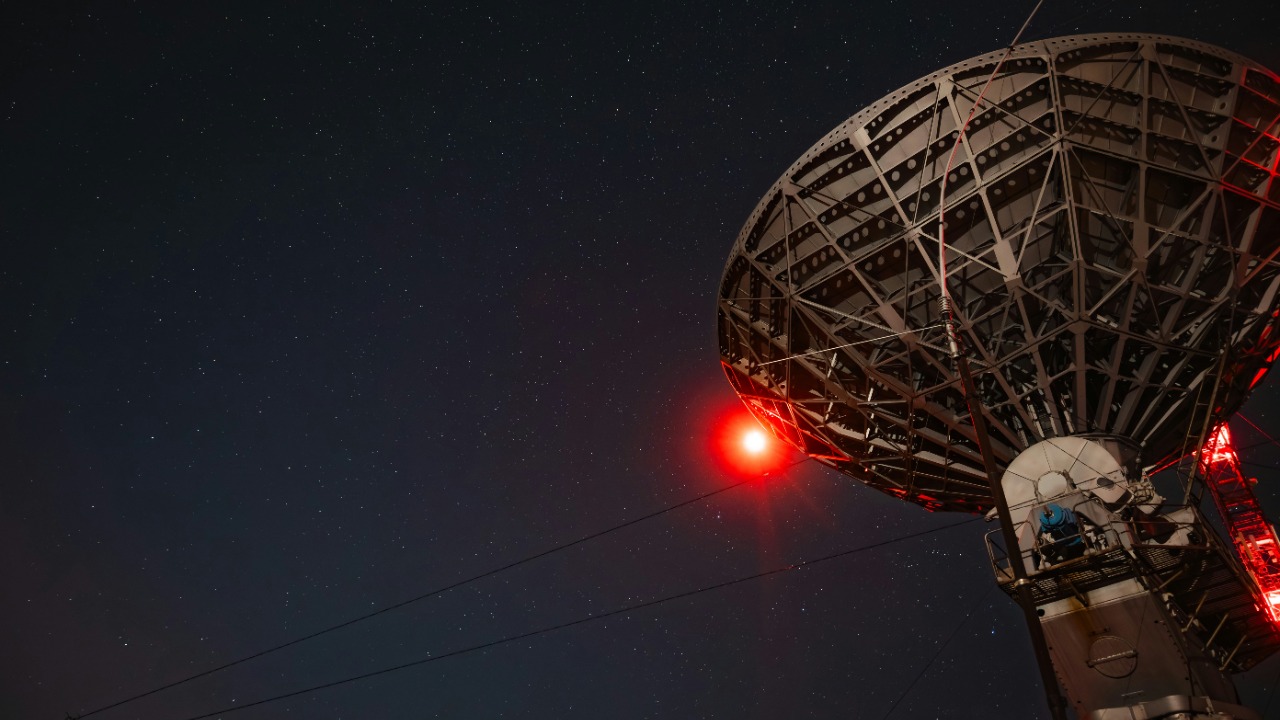
The theory that aliens might be tuning into Earth’s radar signals is an intriguing one. Scientists propose that these signals, due to their regularity and strength, could be interpreted by extraterrestrial beings as signs of an intelligent civilization. The hypothesis is based on the assumption that alien civilizations, like us, might be using radio waves to communicate and explore the universe. If they possess technology advanced enough to detect and interpret these signals, our airport radars could serve as unintentional cosmic lighthouses.
Why would extraterrestrials be interested in Earth-based signals? One reason could be the search for intelligent life, much like our own SETI initiatives. If aliens are actively seeking out intelligent life forms, Earth’s radar signals could be their first clue. Historical precedents, such as the “Wow! Signal” detected in 1977, show that we have long been tuned into the possibility of extraterrestrial contact. These signals, although not definitively linked to alien life, keep the conversation alive about the potential for interstellar communication.
Potential Evidence and Supporting Studies
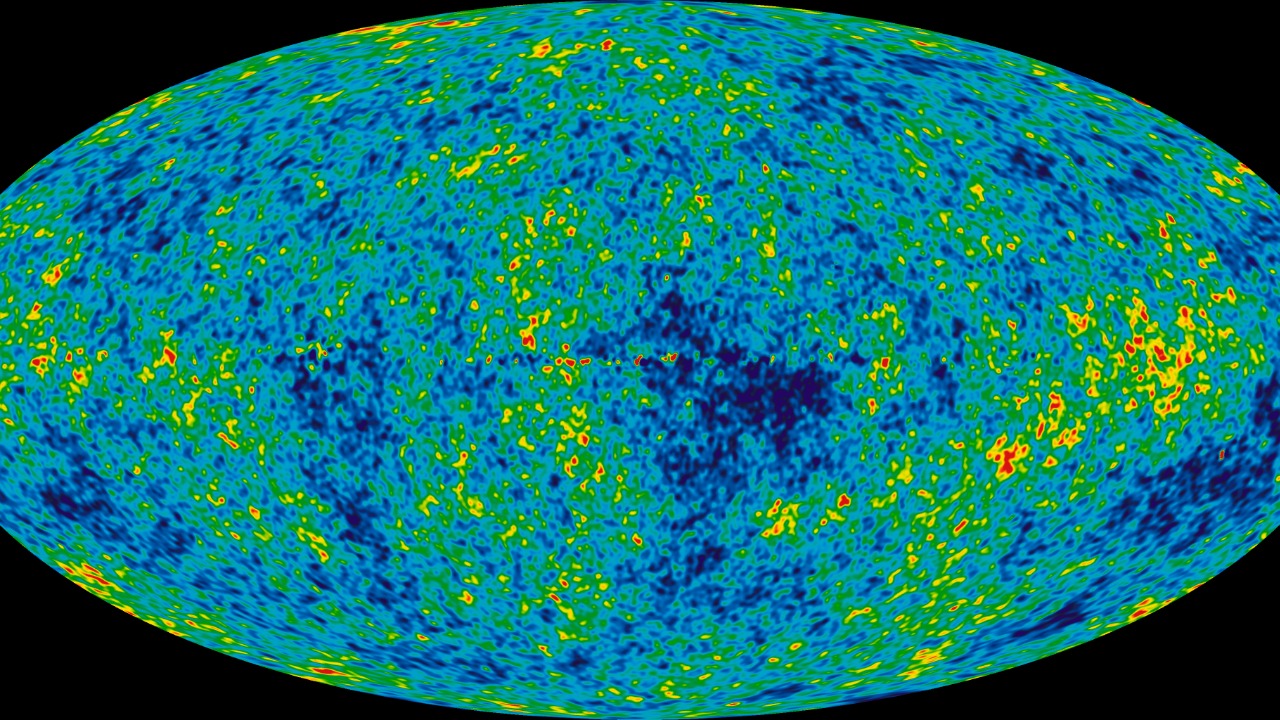
Recent studies are beginning to examine the potential for radar signals to act as interstellar beacons. Researchers have proposed models that suggest these signals could travel across the galaxy, reaching extraterrestrial civilizations that are capable of detecting them. An article from Yahoo News discusses how airports, particularly those with high traffic like Heathrow and Gatwick, might be more prominent in the cosmic noise we emit.
Observational data and theoretical models are beginning to support the idea that radar signals could be intercepted by alien technology. Significant research papers and expert insights are contributing to the debate. While definitive evidence of alien interception remains elusive, the growing body of research suggests that the hypothesis is worth exploring. As we continue to refine our understanding of electromagnetic emissions and their reach, the likelihood of alien interception becomes an increasingly fascinating topic of study.
Implications for Earth and Humanity
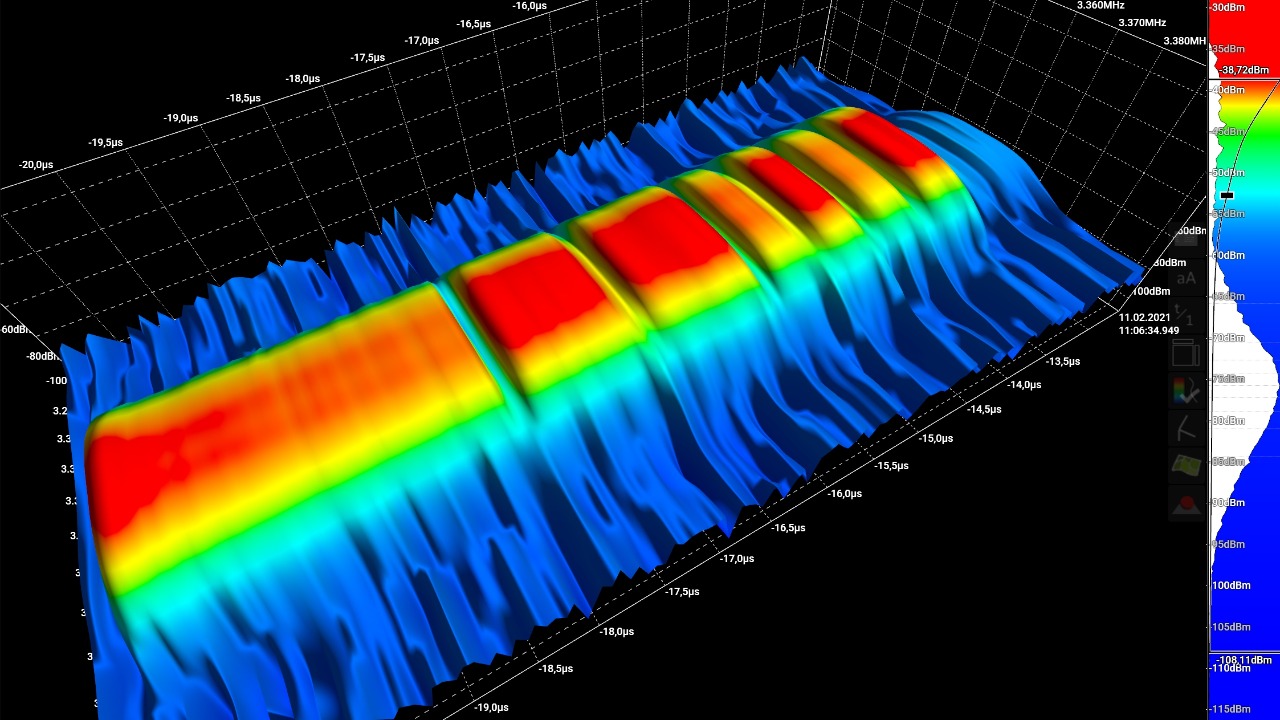
If aliens are indeed detecting our radar signals, the implications for humanity are profound. On one hand, such detection could lead to contact with an advanced civilization, offering potentially unparalleled opportunities for knowledge exchange and technological advancement. On the other hand, it could pose risks, such as the possibility of attracting unwanted attention from hostile entities. The potential benefits and risks of alien detection have long been debated among scientists and policymakers alike.
This hypothesis could significantly alter our understanding of extraterrestrial life and how we search for it. It highlights the importance of considering the signals we send into space and the messages they convey. International policy may need to adapt to these new considerations, balancing scientific curiosity with caution. Future research directions could focus on enhancing our detection capabilities and exploring the ethical implications of alien contact. Universe Magazine presents an intriguing discussion on how airports could illuminate Earth’s presence in the galaxy.
Public and Scientific Reactions

The scientific community’s response to the theory of aliens detecting radar signals has been mixed. While some researchers are excited about the potential for new discoveries, others remain skeptical, citing the lack of concrete evidence. The debate is ongoing, with some scientists advocating for more research into the phenomenon and others cautioning against drawing premature conclusions. The topic has garnered significant media attention, with articles and discussions bringing the possibility of alien detection into the public eye.
Public interest in the idea of aliens tuning into our radar signals is high, as fascination with extraterrestrial life continues to captivate the imagination. The potential impact on future scientific research and SETI initiatives is significant. As we continue to explore the universe and our place within it, the possibility of alien contact remains a compelling narrative. The conversation around radar signals and alien detection is just one of many threads in the broader tapestry of our search for intelligent life beyond Earth.