
Recent advancements in artificial intelligence (AI) models are hinting at the intriguing notion that time may not be linear at the quantum level. This could have far-reaching implications for our understanding of quantum mechanics and the potential applications for quantum computing.
Understanding Time in Quantum Mechanics
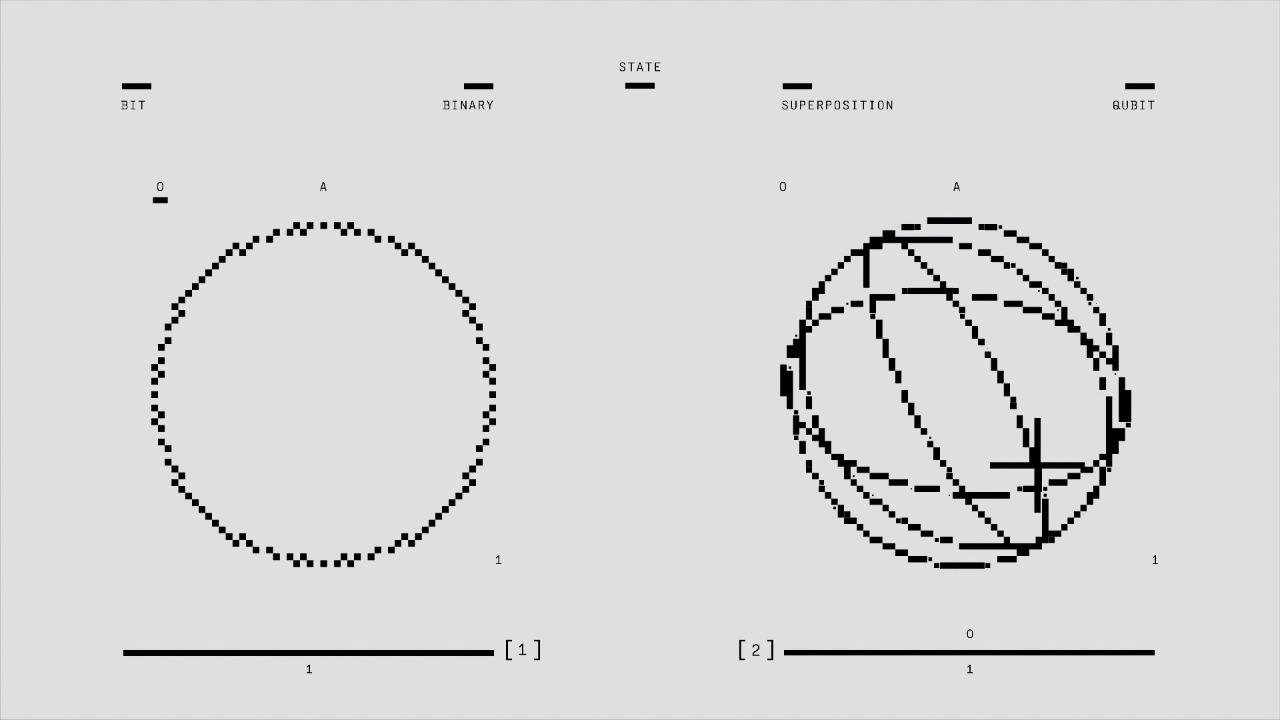
Our understanding of time in quantum mechanics is markedly different from that in classical physics. In classical physics, time is a continuous, smoothly flowing parameter. However, in quantum mechanics, the nature of time becomes more complex, and its definition is not as straightforward. Time in quantum mechanics is often associated with wave functions and probability amplitudes, which change over time. This departures from the linear, deterministic concept of time in classical physics.
Time symmetry is another critical aspect of quantum mechanics. It is the idea that the laws of physics remain the same irrespective of the direction of time. This concept also introduces debates around the non-linear nature of time at the quantum level. Theorists have proposed models of quantum mechanics where time is not linear, such as Julian Barbour’s timeless physics. These theories challenge our conventional understanding of time, suggesting that it might be an emergent phenomenon rather than a fundamental one.
AI Models and Quantum Time

Artificial intelligence models have become invaluable tools for studying quantum mechanics. AI models, such as quantum neural networks, simulate quantum systems and predict system properties. These models offer computational advantages over traditional methods and allow the exploration of quantum systems in ways previously not possible.
Recent AI models have suggested that time may not be linear at the quantum level. These models use complex algorithms to simulate quantum systems and analyse their behaviour over time. While the results are preliminary, they hint at a departure from the conventional linear concept of time. However, the accuracy and reliability of these models in predicting quantum time behaviour still require further validation and testing.
Implications for Quantum Computing
A non-linear understanding of quantum time could significantly impact the development of quantum computing. Quantum computers operate on the principles of quantum mechanics, including superposition and entanglement. If time is indeed non-linear at the quantum level, it could open new possibilities for quantum computing algorithms or pose unexpected challenges.
For instance, quantum computing could potentially solve complex problems in mere seconds that would take classical computers thousands of years. This is demonstrated by Google’s claim of quantum supremacy. However, if our understanding of time is altered, this could affect the assumptions underlying these algorithms. Despite this, quantum computing’s potential applications and limitations remain under exploration. Is quantum computing truly revolutionary or just a mirage? Understanding the role of time in quantum mechanics could be key to answering these questions.
Future Research Directions
While these AI models offer intriguing insights, further research is needed to validate their findings. The field of quantum mechanics is notoriously complex, and the non-linear nature of time at the quantum scale is a relatively unexplored area. Future research could focus on developing more sophisticated AI models to accurately simulate quantum systems and validate the non-linear time concept.
Artificial intelligence plays a significant role in facilitating future research in quantum mechanics. AI’s ability to handle vast amounts of data and perform complex calculations could help scientists further explore the enigmatic world of quantum mechanics. The rise of Gen AI, which refers to the generation of AI that can independently learn and adapt, could be particularly influential in this domain.
Implications for our Understanding of the Universe
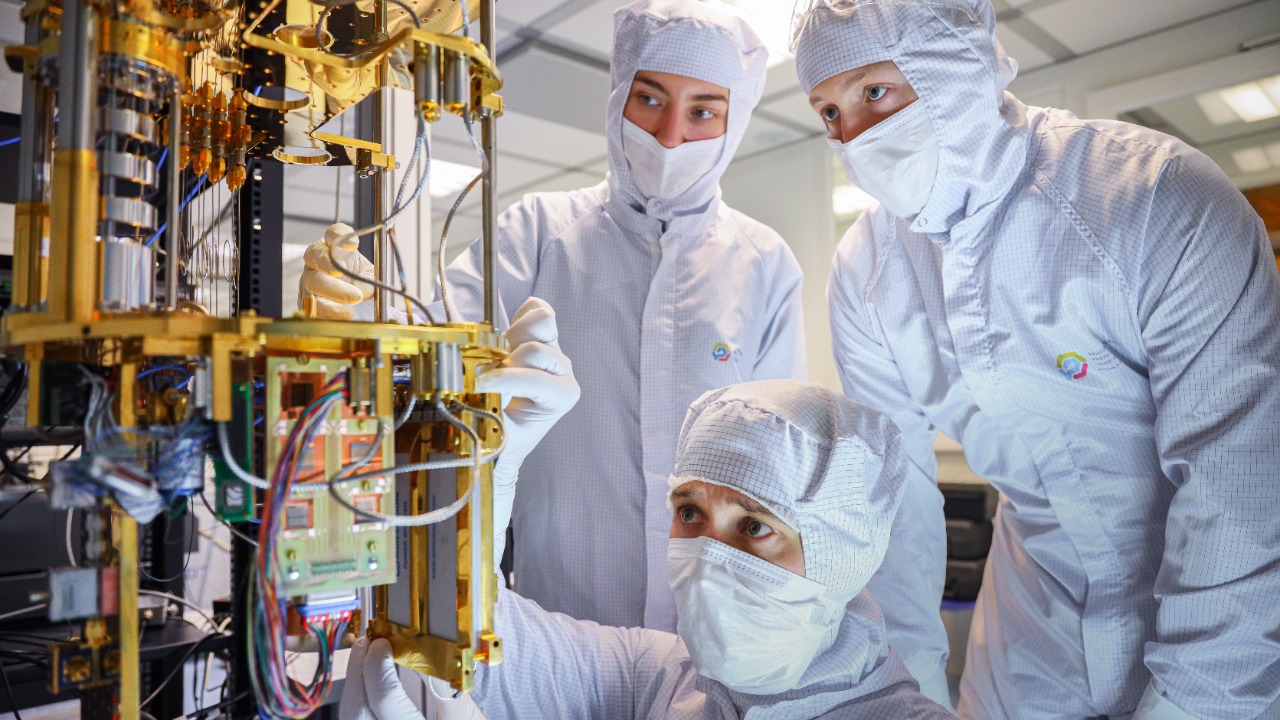
The notion of non-linear time at the quantum level carries broader implications for our understanding of the universe. If validated, this concept could necessitate a re-evaluation of our current physical theories. The non-linear time concept could potentially align with other theories in modern physics, such as quantum gravity or string theory.
Speculation on potential paradigm shifts in our understanding of reality based on these findings is certainly fascinating. The possibility that time might be an emergent rather than fundamental property could transform our perspectives on the universe. However, it’s essential to remember that these are still early days, and much more research is required to fully understand the implications of non-linear time in quantum mechanics.
