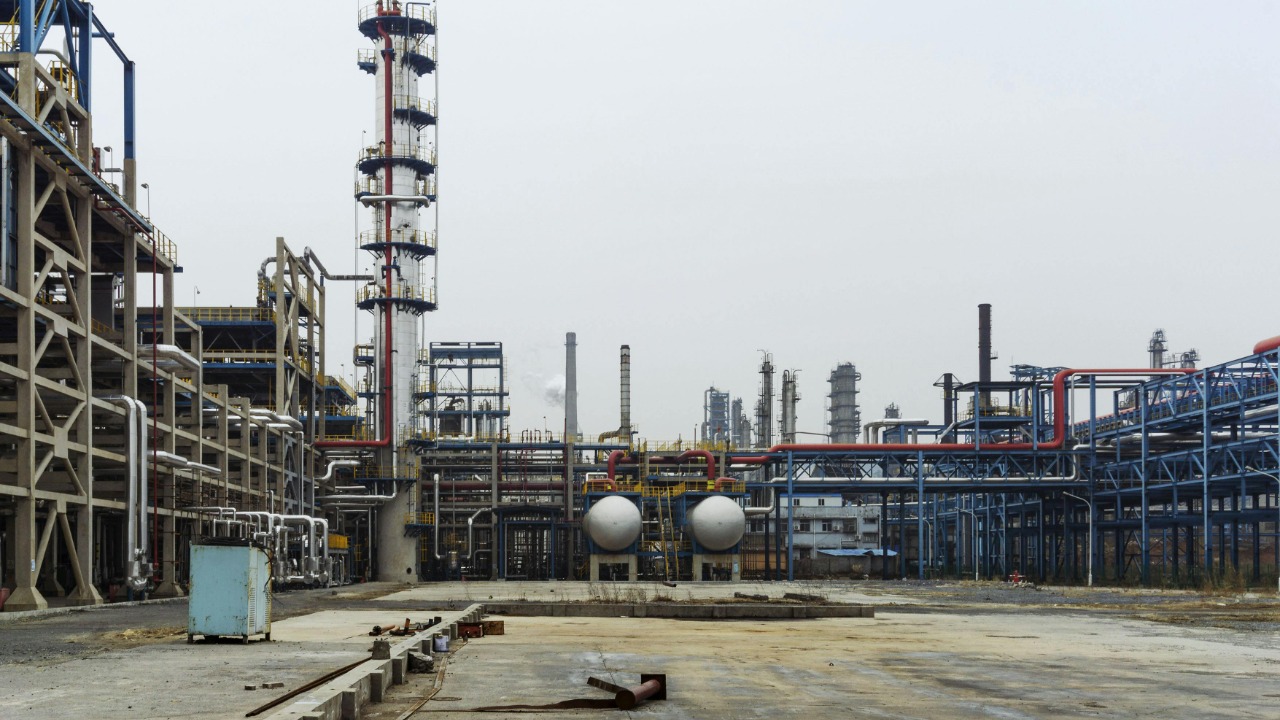

Artificial intelligence is supposed to help cut emissions, from optimizing traffic to balancing power grids. Instead, the race to build ever larger AI data centers is locking in a surge of fossil fuel generation that will pump far more carbon dioxide into the atmosphere for decades. Across the United States, utilities and developers are racing to build new gas plants to keep up with AI’s electricity appetite, effectively tripling the pipeline of projects in just a year.
That pivot is turning the cloud into a major new driver of gas demand, even as climate science demands rapid cuts in fossil fuel use. The result is a collision between the promise of digital efficiency and the physical reality of smokestacks, pipelines, and long lived infrastructure that will shape the country’s emissions trajectory well past 2050.
The AI buildout that rewired the US power pipeline
Behind the scenes of every chatbot and image generator sit sprawling server farms that draw as much power as small cities. As AI workloads have exploded, so has the number of gas fired power projects tied to them, with US gas power builds effectively tripling in 2025 as developers chased this new demand, according to gas project data. The United States now has the largest volume of gas fired capacity in development worldwide, with projects in the announced, pre construction, and construction stages representing a massive bet that AI demand will keep rising, according to The United States.
Researchers tracking this boom say the shift is not marginal. When Global Energy Monitor last surveyed America’s gas infrastructure, it found that gas projects in the US pipeline explicitly linked to data centers had increased by almost 25 times, a staggering jump even by Silicon Valley’s standards, according to When Global Energy. Separate analysis of the same trend notes that gas projects in the US pipeline tied to data centers have risen by almost 25 times in just a few years, underscoring how quickly AI has become a central justification for new fossil capacity, according to Data Centers Are.
How data centers turned into gas guzzlers
AI facilities are not ordinary server rooms. A single hyperscale campus can draw hundreds of megawatts, and operators want that power to be available around the clock, which makes them gravitate toward firm fossil generation. Earlier analysis of the sector counted 5,426 data centers nationally as of March 2025, a figure that has only grown as AI training and inference workloads spread into every industry, according to 5,426. Those facilities are already upending power grids and threatening to further contribute to climate change as utilities scramble to keep them online.
On the supply side, Extracted methane gas is carried to power plants via pipelines at high cost, and Constructing new gas fired power plants requires extensive infrastructure that locks in fossil use for decades, according to Extracted. Forecasts for data centers’ ballooning electricity demand show that a 100 MW data center running on a typical US grid mix can emit millions of tonnes of CO2 over its lifetime, a scale that analysts describe simply as massive, according to Forecasts for.
The climate bill: 12.1bn tonnes and counting
The climate implications of this gas rush are stark. The gas projects in development in the US will, if all completed, cause 12.1bn tonnes in carbon dioxide emissions over their lifetimes, a volume that would consume a huge share of the remaining global carbon budget compatible with limiting warming to 1.5 degrees Celsius, according to gas projects in. That figure includes plants explicitly justified by AI data center demand, meaning the digital economy is now directly tied to a multibillion tonne emissions trajectory.
Even if some of these projects never get built, the scale of what is on the drawing board signals a powerful political and financial commitment to fossil fuel infrastructure. Analysts warn that the US now leads a record global surge in gas fired power driven by AI demands, outpacing countries such as Vietnam, Iraq, and Brazil in planned capacity, according to Jan. At the same time, climate advocates point out that going back to 2018, data center growth has already been adding to grid emissions, and the current AI wave threatens to further contribute to climate change unless the power mix shifts rapidly, according to By Miguel Ya.
Communities on the front lines of the gas rush
The boom is not evenly distributed. Data Center Emissions show that Virginia, Texas, and California Top CO2 Chart, with Virginia, Texas, and California leading the US in data center emissions and facing mounting pressure to reduce their carbon footprints, according to Data Center Emissions. These states are already grappling with local air pollution, water use, and land conflicts tied to both data centers and the gas plants that feed them.
In the Southeast, legal advocates warn that utilities are leaning on aggressive projections to justify a wave of new fossil projects. Megan Gibson, senior attorney at SELC, has argued that inflated and speculative data center electricity demand forecasts in the Southea are being used to rationalize massive increases in power usage and new gas fired plant proposals, according to Megan Gibson. At the global climate summit COP, broadcast host Amy Goodman highlighted how this AI driven energy demand risks entrenching fossil fuels just as countries gather in a Brazilian city to negotiate deeper cuts, according to Amy Goodman.
Investors, utilities, and the fight over AI’s energy future
For energy companies and investors, AI is now a central part of the growth story for gas. The Nationwide Expansion of Natural Gas to Meet AI Energy Demands describes how the growing demand for power, including for artificial intelligence, is driving new pipelines, storage, and generation projects across the country, according to Nationwide Expansion of. New AI data centers will emerge in locations with available power even if they are not traditionally considered tech hubs, encouraging states and utilities to make aggressive infrastructure investments to attract projects, according to New AI.
At the same time, some of the rhetoric around the boom reveals how casually the climate stakes are being treated. One analysis of the gas surge tied to AI datacenters notes that developers are effectively saying, Screw that, we have money to lose and memes to generate, as they push ahead with fossil fuel fired power projects that could add tens of gigawatts on top of the 179,998 MW currently in use, according to Screw. That same reporting, by Brandon Vigliarolo, underscores how quickly gas power projects tripled in 2025 on AI demand, with Fossil fuel fired power now central to the AI race, according to Brandon Vigliarolo.
Other analysts stress that not all of the planned capacity will necessarily be built, but the direction of travel is clear. Detailed tracking of gas and oil project data shows that the US is looking at adding nearly as much new gas capacity as the 39 largest existing fleets combined, a scale that would reshape the grid for a generation, according to Jan. Separate coverage of the same buildout notes that gas projects in the US pipeline explicitly linked to data centers increased by almost 25 times, even as some may never get built, highlighting the tension between AI’s rapid expansion and the need to align the power system with climate goals, according to Gas.
Climate advocates argue that there is still time to steer AI’s energy footprint toward cleaner options, from pairing new data centers with dedicated renewables and storage to tightening planning rules so utilities cannot rely on speculative forecasts to justify gas plants. But as long as America’s AI ambitions are wired directly into a rapidly expanding fleet of fossil generators, the technology’s hidden cost will be measured in billions of tonnes of CO2. The choice now facing regulators, companies, and communities is whether to let that trajectory harden into concrete and steel, or to demand that the next wave of digital infrastructure is built on a very different foundation.
More from Morning Overview