
The New World screwworm, a notorious parasite known for infesting livestock and humans through its larvae, has reemerged in the United States after nearly 60 years of absence. This unsettling development was confirmed through recent detections in southern states, underscoring vulnerabilities in long-standing eradication efforts. The resurgence of this parasite poses renewed risks to agriculture and public health, highlighting the need for vigilance and effective control measures. [Source]
What Is the New World Screwworm?
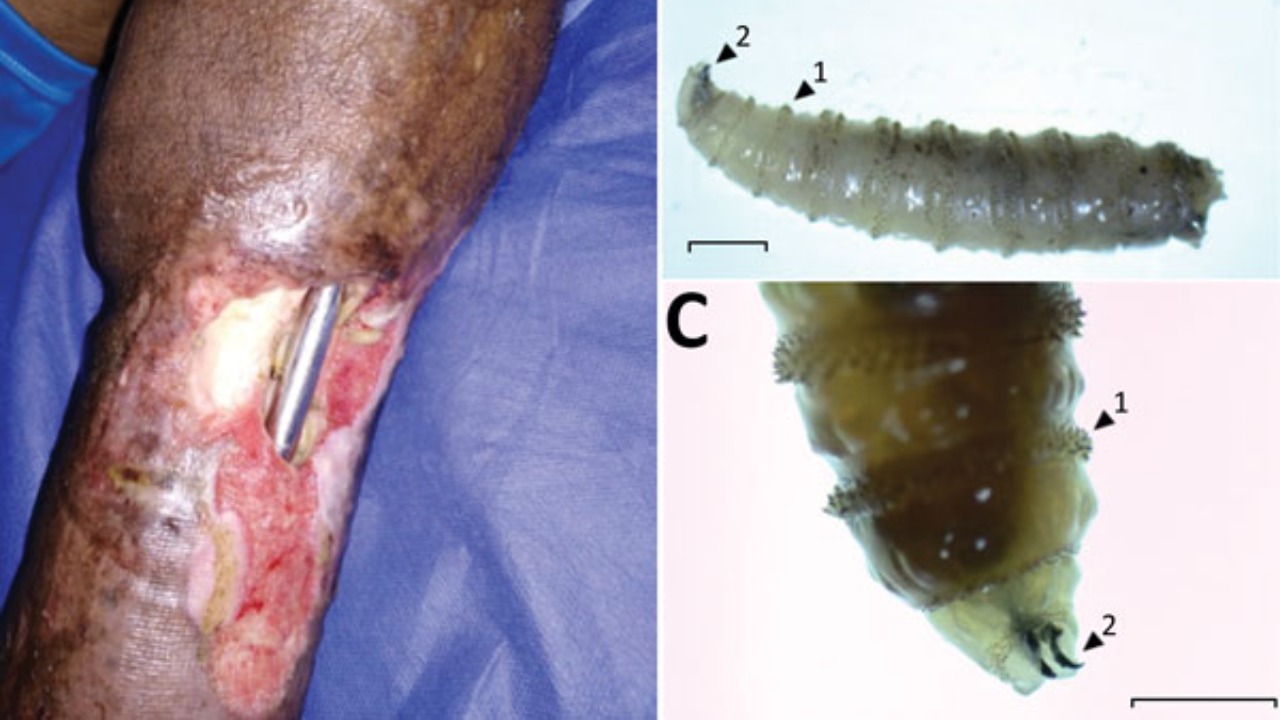
The New World screwworm is a parasitic fly whose life cycle begins when female flies lay eggs in the open wounds of warm-blooded animals. This includes livestock such as cattle and deer, and occasionally humans. Once the eggs hatch, the larvae burrow into the host’s tissue, causing severe damage and potentially leading to death if left untreated. This process not only inflicts significant suffering on the affected animals but also poses a serious threat to livestock economies due to the rapid tissue destruction it causes. [Source]
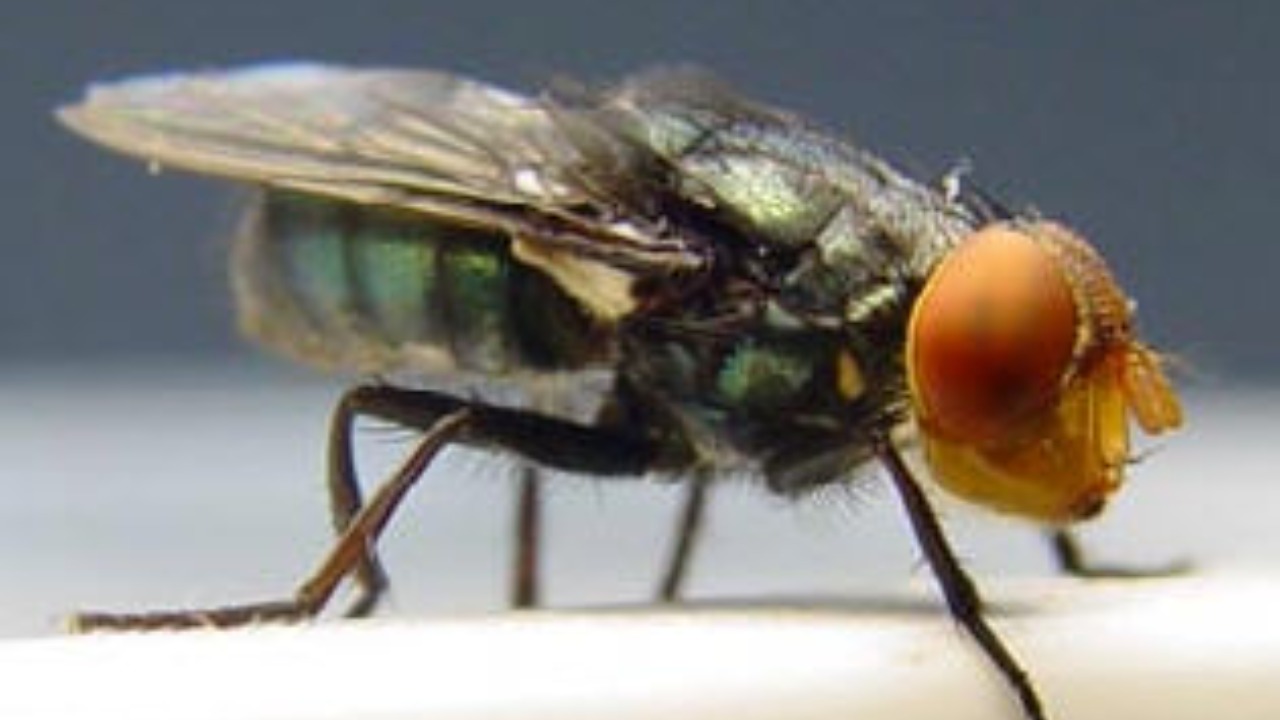
The term “New World” refers to the parasite’s native range in the Americas, distinguishing it from the Old World screwworm. Scientifically classified as Cochliomyia hominivorax, the New World screwworm has long been recognized for its disturbing nature. Infestations can lead to rapid tissue destruction, and without prompt treatment, the consequences can be dire, particularly for livestock industries that rely heavily on healthy animal populations. [Source]
Historically, the New World screwworm has been a formidable adversary for livestock owners across the Americas. Its ability to cause extensive damage in a short period makes it a particularly dangerous pest. The larvae’s feeding habits can lead to secondary infections, further complicating treatment efforts and increasing the mortality rate among affected animals. The economic burden of managing these infestations includes not only the cost of veterinary care and insect control measures but also the potential loss of livestock productivity and market value. This underscores the importance of early detection and intervention to minimize the impact on agricultural operations. [Source]
History of Eradication in the US
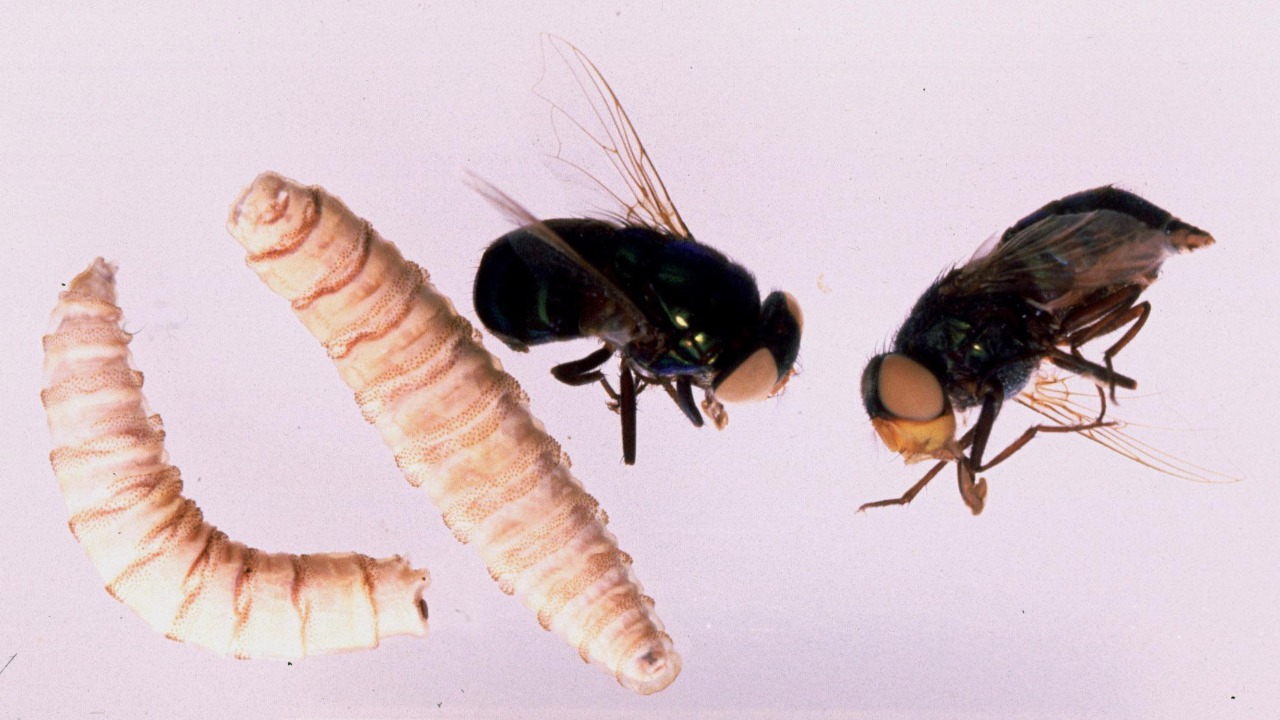
The United States launched a successful eradication campaign against the New World screwworm in the 1950s, employing the sterile insect technique to eliminate the parasite from the mainland by 1966. This method involved releasing sterile male flies to interrupt the breeding cycle, effectively reducing the population over time. The campaign was a landmark achievement in pest control, eradicating the screwworm after nearly 60 years of its widespread presence. [Source]
To prevent the screwworm’s northward migration from South America, a permanent barrier was established in Panama. This barrier is maintained through ongoing releases of sterile flies, serving as a critical line of defense against reintroduction. Despite these efforts, past outbreaks, such as the 2016 detection in Florida, have demonstrated the need for continued vigilance. These outbreaks were managed effectively, preventing the parasite from re-establishing itself until the recent detections. [Source]
The eradication program in the United States was a pioneering effort in the field of entomology and pest management. It set a precedent for using the sterile insect technique, which has since been applied to other pest control programs worldwide. The success of this program relied heavily on international cooperation, particularly with countries in Central and South America, to maintain a buffer zone that prevents the northward spread of the screwworm. Continuous research and development have been crucial in refining these techniques, ensuring they remain effective against evolving pest populations. The program’s legacy is a testament to the power of science and collaboration in addressing global agricultural challenges. [Source]
Recent Return and Detection
In 2024, the New World screwworm larvae were confirmed in Texas, marking the first detection in the United States in nearly 60 years. This discovery triggered immediate quarantine measures to contain the outbreak and prevent further spread. The reintroduction is believed to have occurred through infested animal imports or natural migration across borders, with initial cases found in cattle near the Mexican border. [Source]
In response, the USDA and state agriculture departments have initiated mass releases of sterile insects and increased surveillance in affected southern regions, including Texas and potentially Florida. These measures aim to control the screwworm population and prevent it from gaining a foothold in the United States once again. The coordinated efforts highlight the importance of rapid response and effective management strategies in dealing with such invasive species. [Source]
The recent detection of the New World screwworm in Texas has prompted a reevaluation of current biosecurity measures. Authorities are investigating potential gaps in import controls and quarantine protocols that may have allowed the parasite’s reentry. Enhanced border inspections and stricter regulations on animal imports are being considered to prevent future occurrences. Additionally, public education campaigns are being launched to inform livestock owners and veterinarians about the signs of screwworm infestations and the importance of reporting suspected cases promptly. These efforts aim to bolster the country’s defenses against this persistent threat. [Source]
Implications for Agriculture and Health
The return of the New World screwworm poses significant economic threats to the US livestock industry. Untreated infestations can kill animals within days, leading to potential losses in the billions, as seen in historical outbreaks. The economic impact extends beyond direct livestock losses, affecting related industries and rural economies dependent on agriculture. [Source]
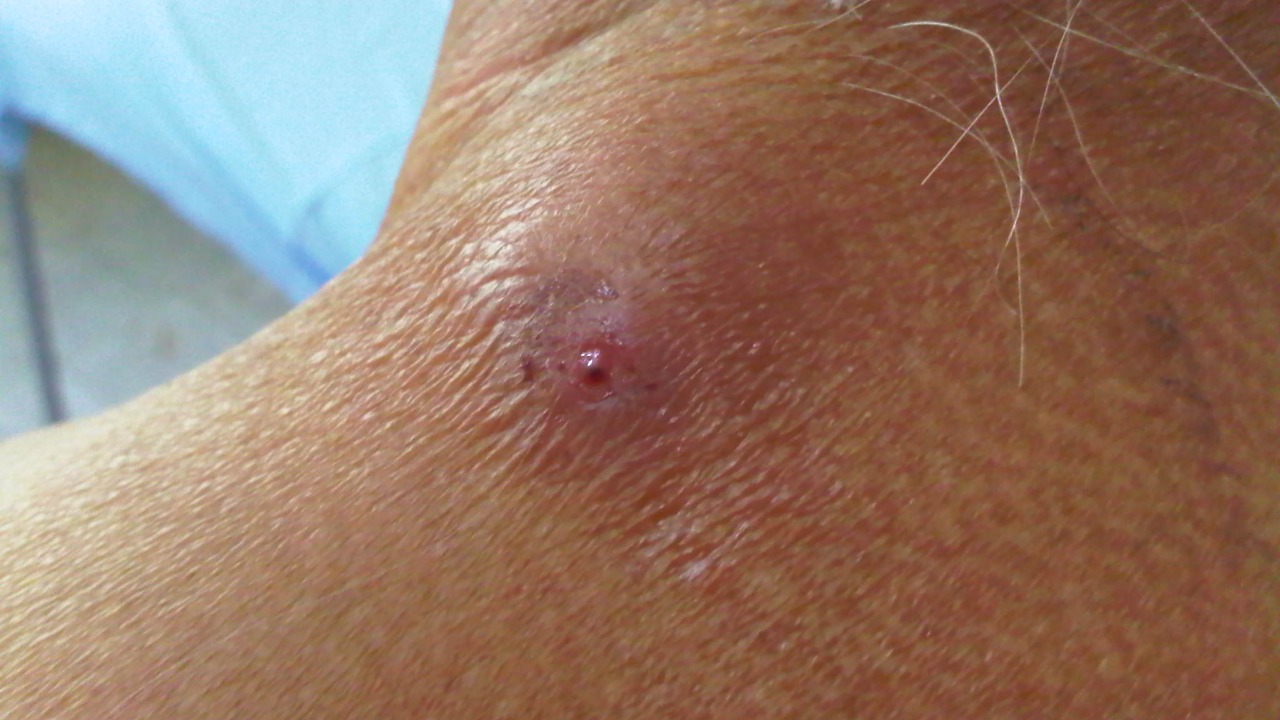
While human health risks are rare, they are not negligible. Cases of myiasis, where larvae infest human wounds, require surgical removal and can cause severe discomfort and complications. Public awareness in rural areas is crucial to prevent such occurrences and ensure prompt treatment. Additionally, the ecological impact on wildlife, such as deer populations, cannot be overlooked, especially with climate change potentially aiding the parasite’s spread northward. These challenges underscore the need for comprehensive strategies to mitigate the parasite’s impact on both agriculture and public health. [Source]
The potential impact of the screwworm’s return extends beyond immediate economic losses. The psychological toll on farmers and ranchers, who may face the prospect of losing entire herds, is significant. This stress can affect decision-making and long-term planning, further destabilizing rural communities. Moreover, the need for increased surveillance and control measures places additional financial strain on already limited agricultural budgets. Policymakers are urged to consider these broader implications when designing support programs for affected regions. The integration of advanced technologies, such as drones and remote sensing, into monitoring efforts could enhance early detection capabilities, offering a proactive approach to managing this threat. [Source]
