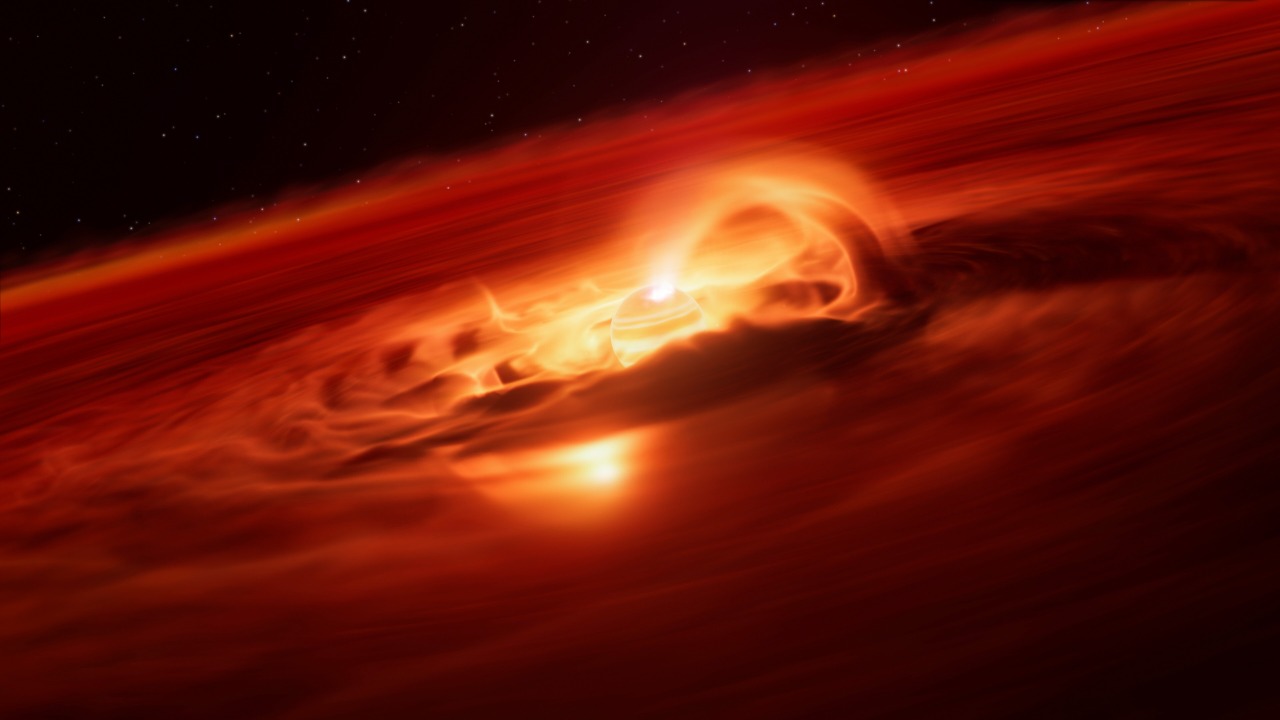

Astronomers have recently observed a rogue planet with a voracious appetite, consuming an estimated six billion tons of gas and dust every second. This free-floating world, not tethered to any star, is challenging our current understanding of planetary formation and evolution. The discovery underscores the dynamic and unpredictable nature of objects meandering through interstellar space.
What is a Rogue Planet?
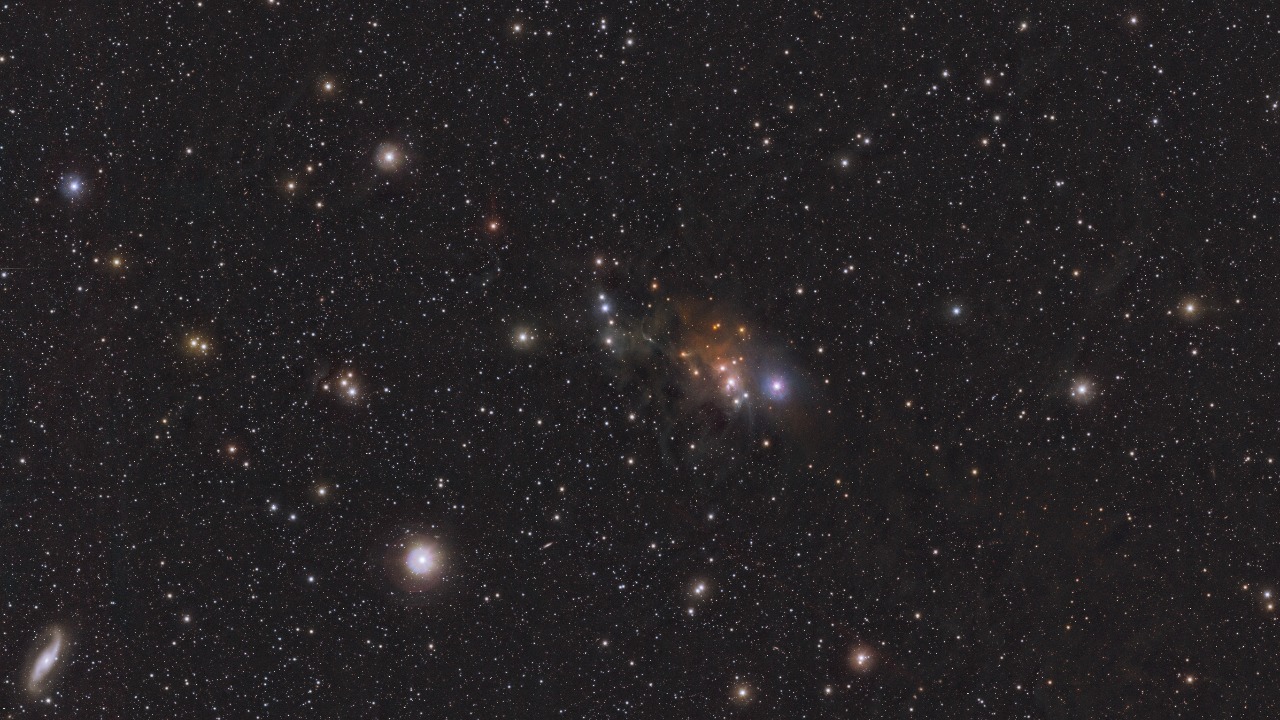
Rogue planets are free-floating celestial bodies that do not orbit any star. They are nomads of the cosmos, wandering through the vast expanse of interstellar space. This particular rogue planet, however, has caught the attention of astronomers due to its unusual behavior. Unlike most of its counterparts, it has been spotted gobbling up gas and dust at an extraordinary rate, earning it the moniker of a ‘devouring’ rogue planet.
This object is not just a rogue planet, but a mysterious one at that. Its extreme rate of material consumption has left scientists both intrigued and puzzled. The rogue planet’s behavior is a departure from what we typically expect from such celestial bodies, challenging our understanding of their nature and capabilities.
The Discovery Process
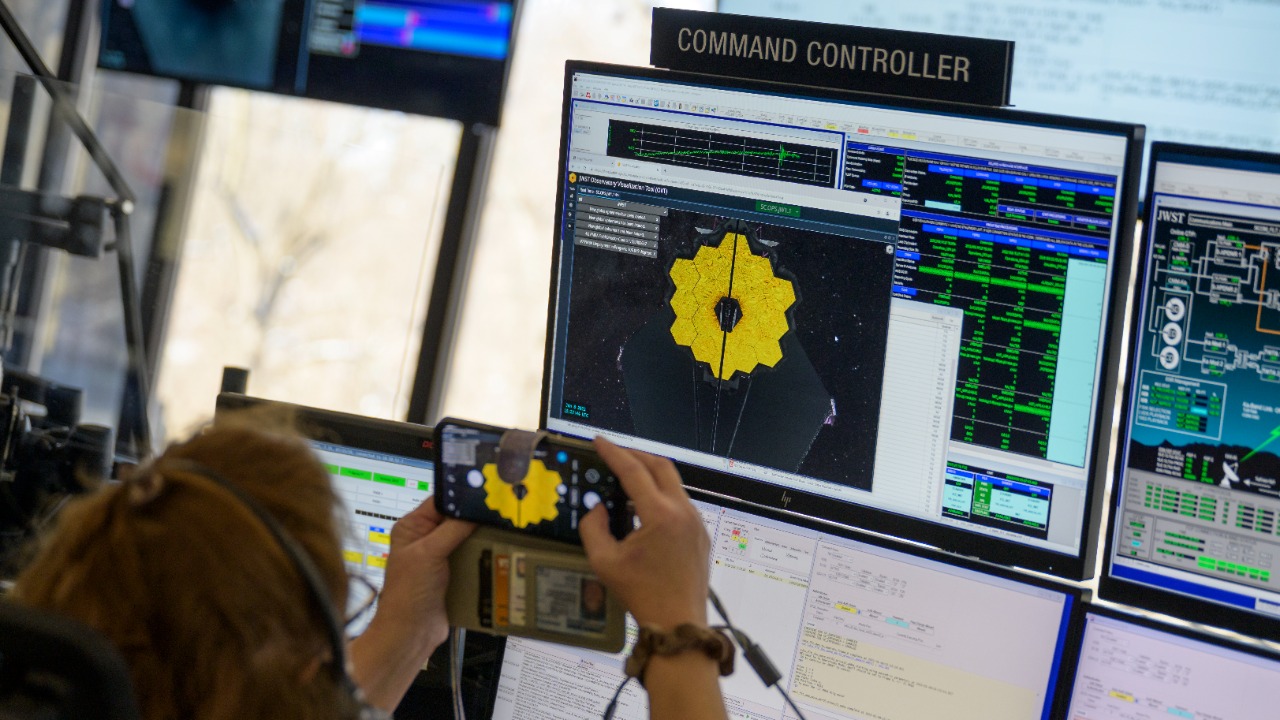
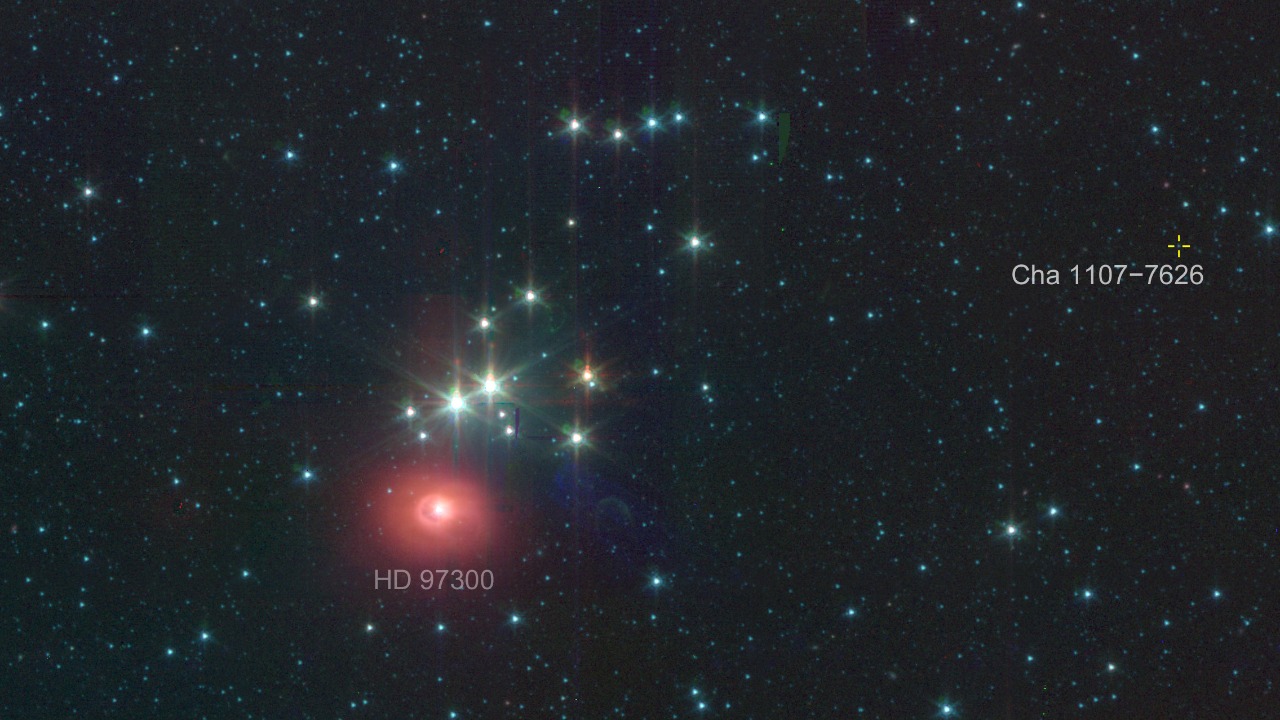
The discovery of this rogue planet was a significant event in the field of astronomy. The planet was first spotted on a routine observation, but it was its unusual behavior that caught the attention of astronomers. The planet was seen devouring six billion tonnes of gas and dust every second, a rate of consumption that left scientists astonished.
Further observations confirmed the initial findings. The rogue planet was indeed consuming material at an unprecedented rate. This discovery has been a topic of intense discussion and study among the scientific community, as it challenges our understanding of rogue planets and their behavior.
The process of identifying this rogue planet was a testament to the power of modern astronomical technology and the keen eyes of the observing scientists. The planet was initially detected during a routine scan of the cosmos, but its unusual activity quickly set it apart from other celestial bodies. The astronomers were able to discern the planet’s extraordinary consumption of gas and dust, marking it as a unique object of interest.
Once the initial observation was made, a series of follow-up studies were conducted to confirm and further investigate the rogue planet’s behavior. These studies involved multiple teams of scientists from around the world, each contributing their expertise to the collective understanding of this remarkable celestial body. The discovery process was a collaborative effort, demonstrating the global nature of astronomical research.
Rate of Material Consumption
The rogue planet’s consumption rate is not only staggering in its scale but also in its consistency. The planet has been observed to maintain its consumption rate of six billion tons of gas per second over an extended period, suggesting a stable and ongoing process. This consistency further adds to the mystery surrounding the rogue planet, as it implies a sustained source of material for consumption.
Moreover, the rogue planet’s consumption of dust is equally intriguing. Dust, composed of tiny particles of solid matter, is typically not a significant part of a planet’s diet. The fact that this rogue planet is consuming dust at the same rate as gas suggests a unique mechanism at work, one that scientists are eager to understand.
Scientific Astonishment and Implications
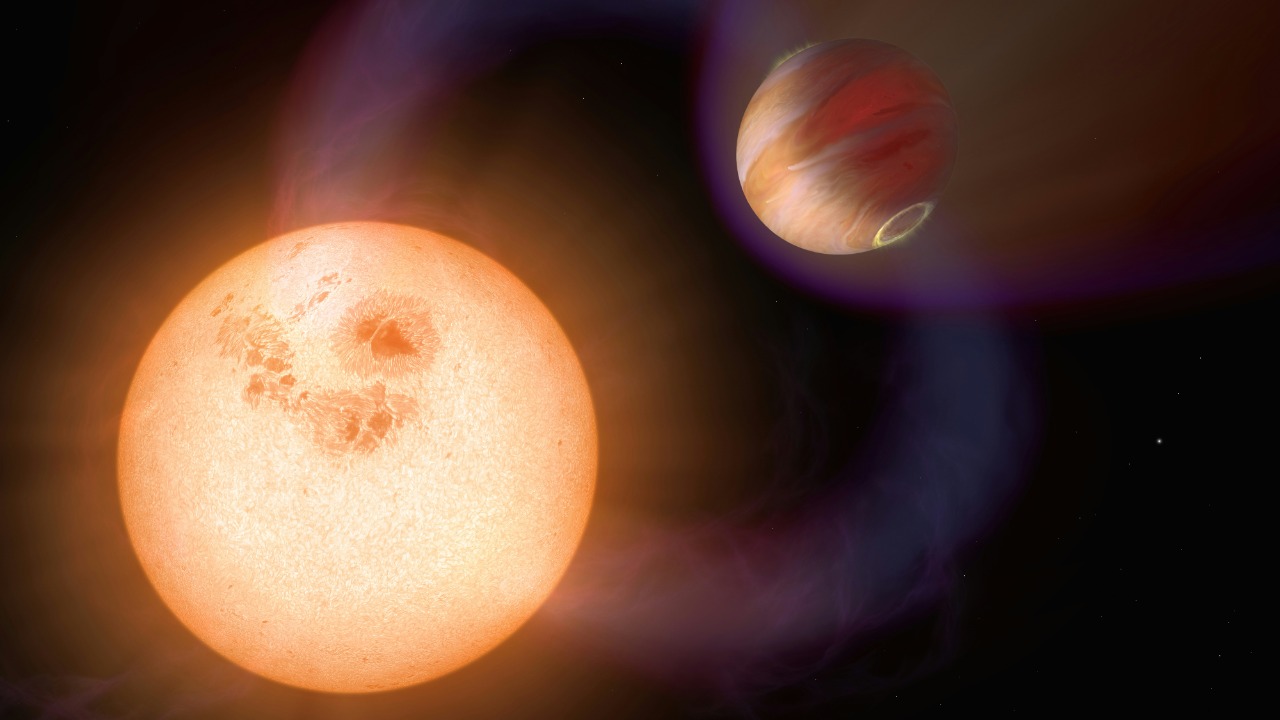
The rogue planet’s behavior has not only astonished scientists but also sparked a wave of new questions and theories. The planet’s voracious appetite and the sheer scale of its consumption have prompted scientists to reconsider their understanding of rogue planets. The scientific community is now exploring the possibility of other rogue planets exhibiting similar behavior, which could significantly alter our understanding of these free-floating worlds.
Furthermore, the discovery of this rogue planet has implications for our understanding of planetary formation and evolution. The planet’s consumption of gas and dust could provide insights into the processes that lead to the formation of planets and other celestial bodies. This could potentially revolutionize our understanding of how the universe works, opening up new frontiers in astronomical research.
Observation Details and Reporting Timeline
The rogue planet was first reported by ZME Science, who provided an initial analysis of the planet’s unusual behavior. This report was quickly followed by a series of articles from other reputable sources, each adding their own insights and perspectives to the story. The Science Daily report, for instance, delved into the implications of the discovery for our understanding of rogue planets, while CBS News focused on the staggering scale of the planet’s consumption.
Since these initial reports, the rogue planet has been the subject of numerous scientific papers and discussions. These ongoing studies reflect the scientific community’s continued interest in the rogue planet and its implications for our understanding of the cosmos. The timeline of reporting on the rogue planet is a testament to the significance of this discovery and its impact on the field of astronomy.
Broader Context in Astronomy

The discovery of this rogue planet has broader implications for the field of astronomy. It not only adds to our understanding of rogue planets but also expands our knowledge of the diverse behaviors that celestial bodies can exhibit. The ZME Science report on the rogue planet’s consumption of gas and dust underscores this point, highlighting the planet’s unique behavior as a significant contribution to our understanding of the cosmos.
Moreover, it serves as a reminder of the ongoing nature of astronomical research. As we continue to explore the cosmos, we are constantly encountering new and unexpected phenomena. Each discovery, like this rogue planet, provides a valuable opportunity to expand our knowledge and challenge our assumptions about the universe.