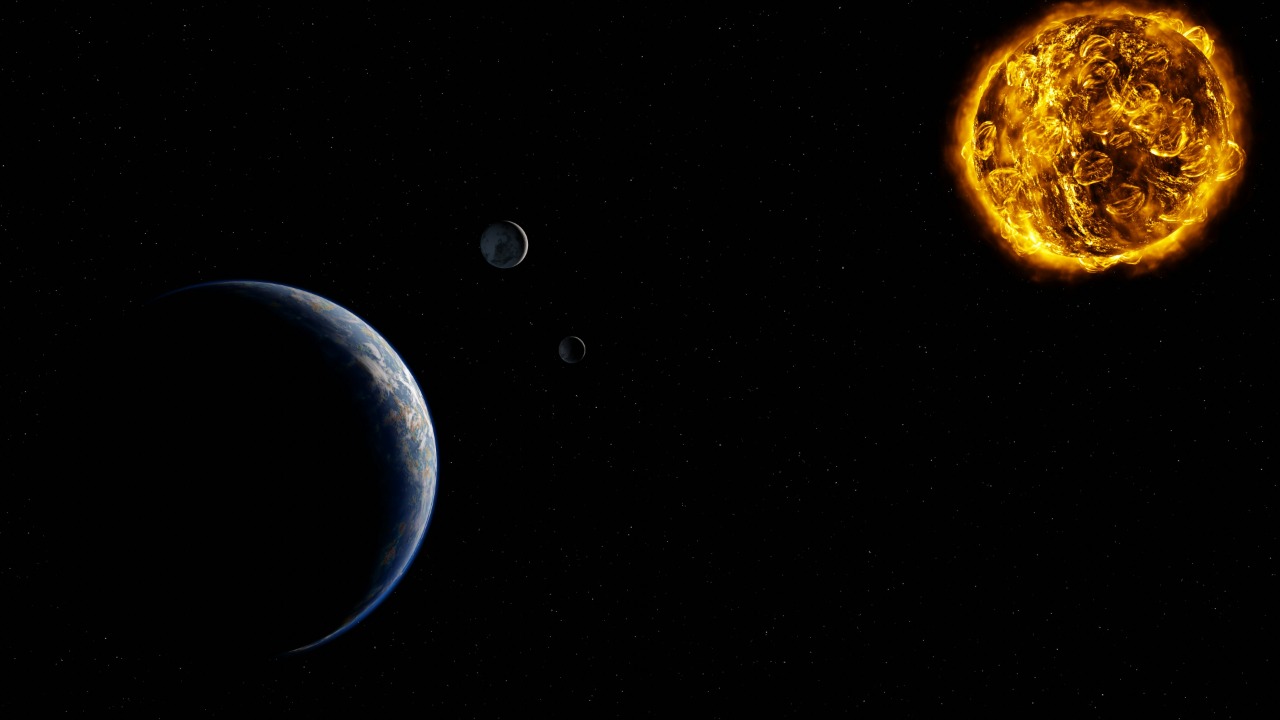

Imagine a real-life version of Pandora, the breathtakingly beautiful world from James Cameron’s Avatar. This may not be a mere flight of fancy, as scientists have recently discovered a ‘disappearing’ planet in our neighboring star system that might harbor a moon fit for life. Let’s delve into the characteristics of this newfound exoplanet and the exciting possibility of it hosting an Avatar-like moon.
Understanding the ‘Disappearing’ Planet
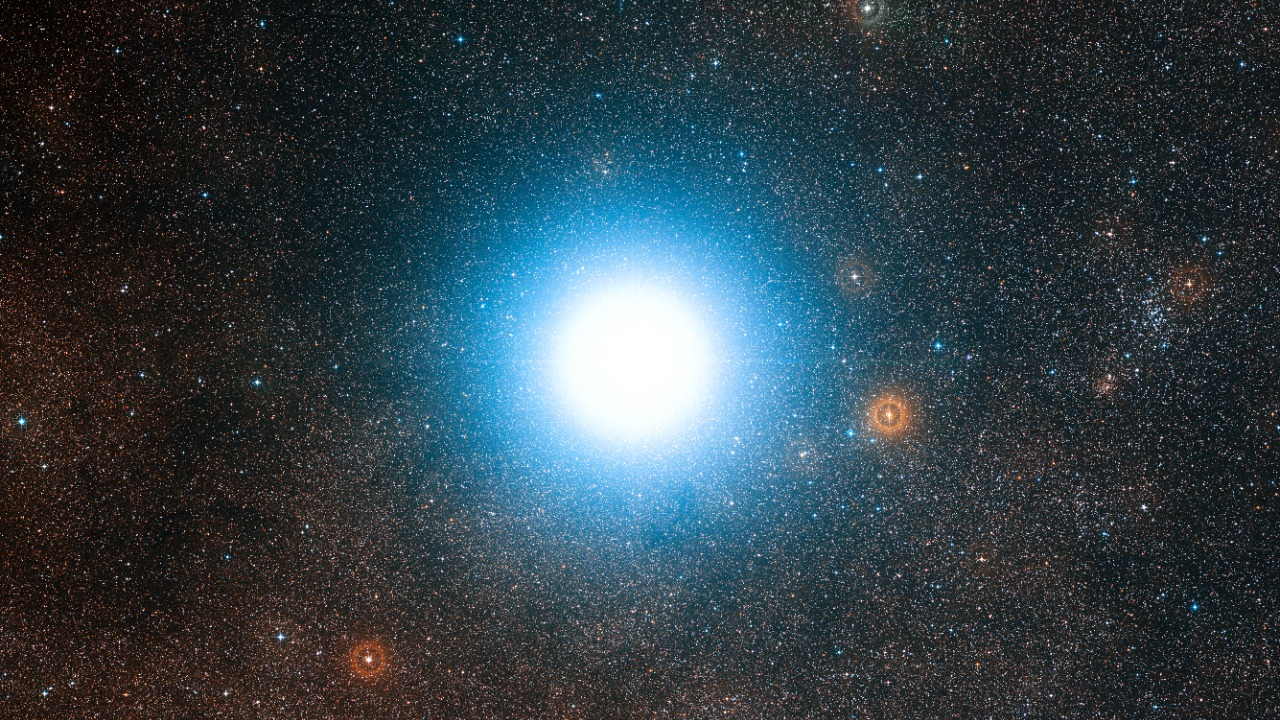
The term “disappearing” in the context of this new planet refers to its highly eccentric orbit, which makes it appear and disappear from our line of sight. Located in the Alpha Centauri star system, this planet orbits its host star in a manner that is not quite like the regular orbits we observe in our solar system.
When it comes to size and composition, the planet is akin to a gas giant, reminiscent of Jupiter or Saturn. However, despite its size, the planet is not the main attraction. Instead, it’s the potential moon orbiting it that has scientists buzzing with excitement.
The Search for Exomoons
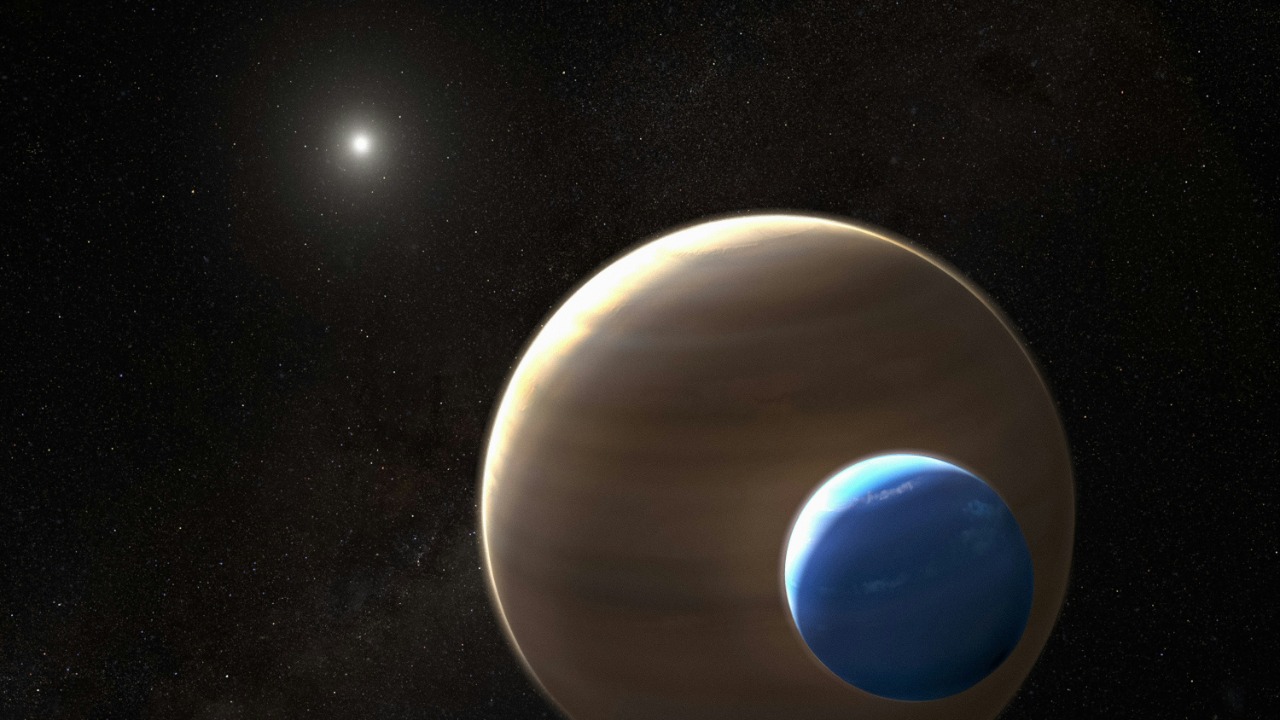
Exomoons, moons outside our solar system, could potentially support life. Just like the moons in our solar system, they could harbor diverse environments, from icy landscapes to potentially habitable zones. Detecting these celestial bodies, however, is no easy task.
Scientists use various methods, such as the transit method, to detect the slight dimming of a star’s light as a planet or moon passes in front of it. However, the detection of exomoons poses significant challenges due to their smaller size and the immense distances involved. Despite these limitations, the search for exomoons is a burgeoning field in the quest for extraterrestrial life.
Conditions for Habitability
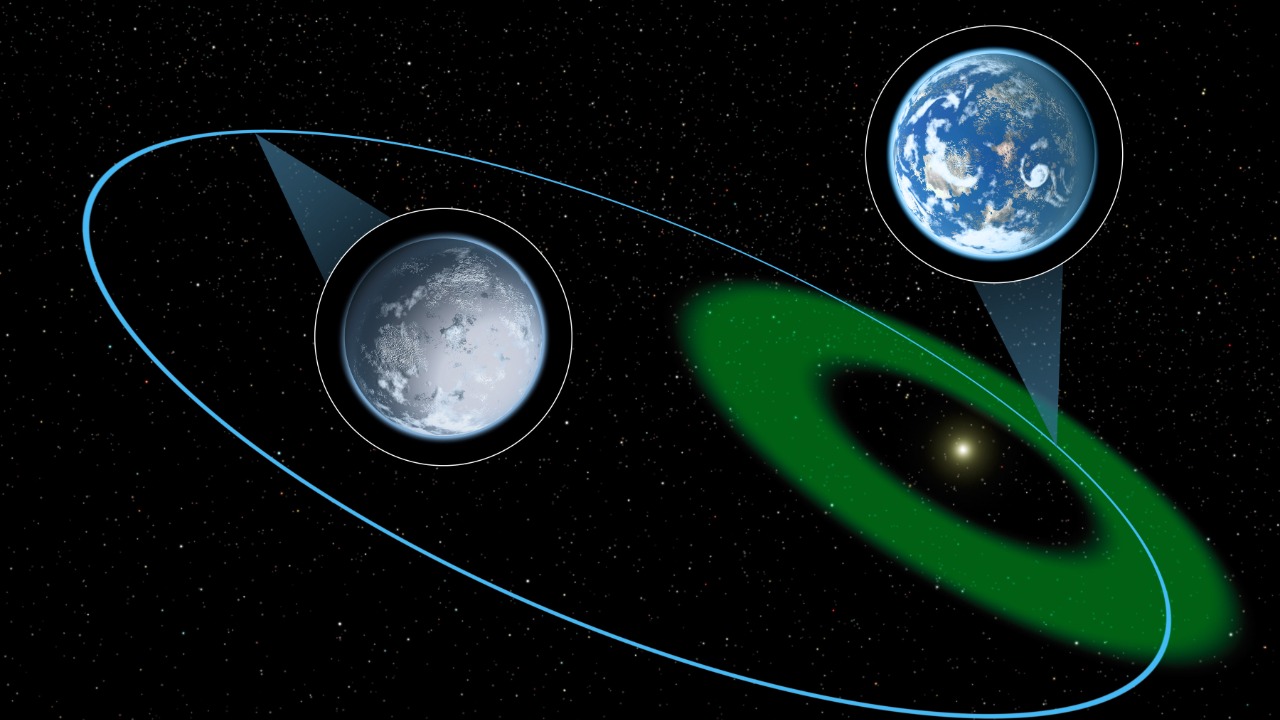
The concept of the habitable zone, also known as the Goldilocks zone, is crucial in the search for life. It’s the region around a star where conditions are just right – not too hot, not too cold – for liquid water to exist on the surface of a planet or moon. This is vital because, as far as we know, water is a necessary ingredient for life.
The potential moon orbiting the ‘disappearing’ planet is believed to lie within the habitable zone of its host star. This, coupled with the right atmospheric conditions and the presence of water, could make it a potential abode for life. Still, these are just possibilities, and much research is needed to confirm these hypotheses.
Parallels to Pandora
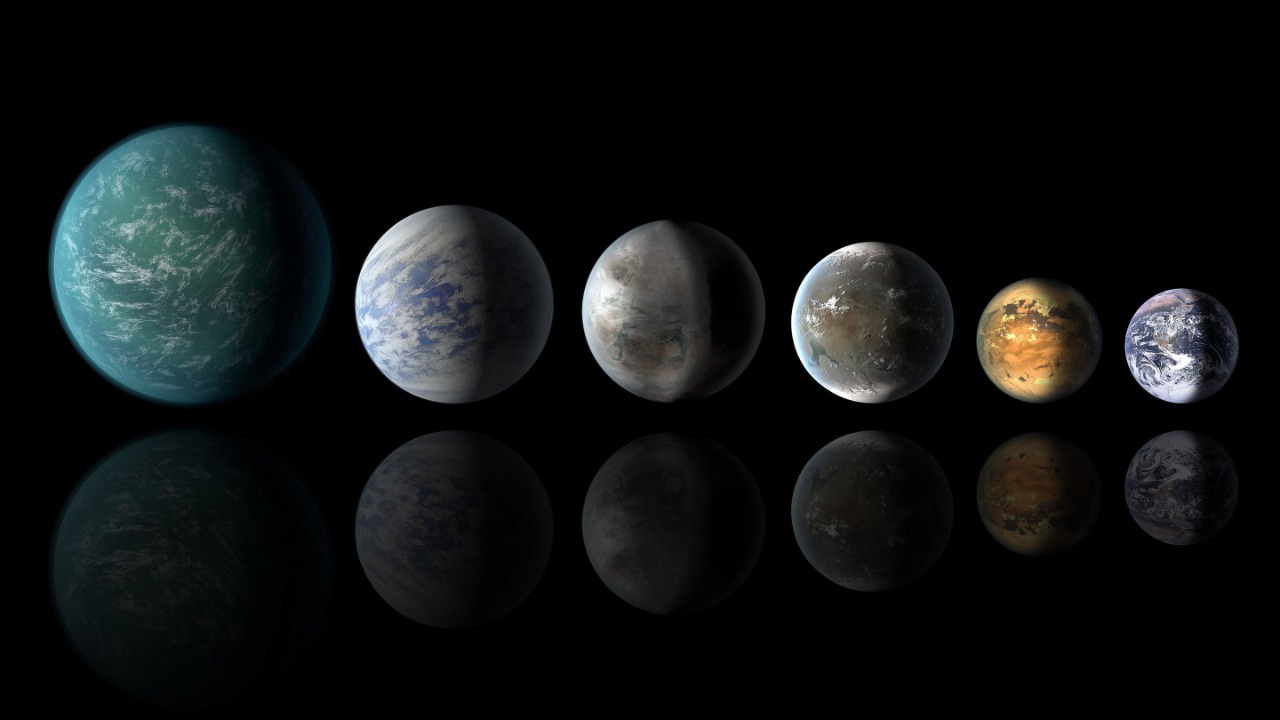
The world of Pandora, as depicted in the Avatar movies, is a lush, bioluminescent moon teeming with life and incredible biodiversity. If the moon orbiting the ‘disappearing’ planet is indeed habitable, it could bear some fascinating similarities to Pandora. However, the possibility of giant floating mountains and neon-colored wildlife, as shown in the movies, is pure speculation at this point.
Nonetheless, finding a real-life Pandora would have profound implications. It would not only validate the existence of habitable moons but could also drastically reshape our understanding of life’s potential in the universe.
The Future of Exoplanet and Exomoon Exploration
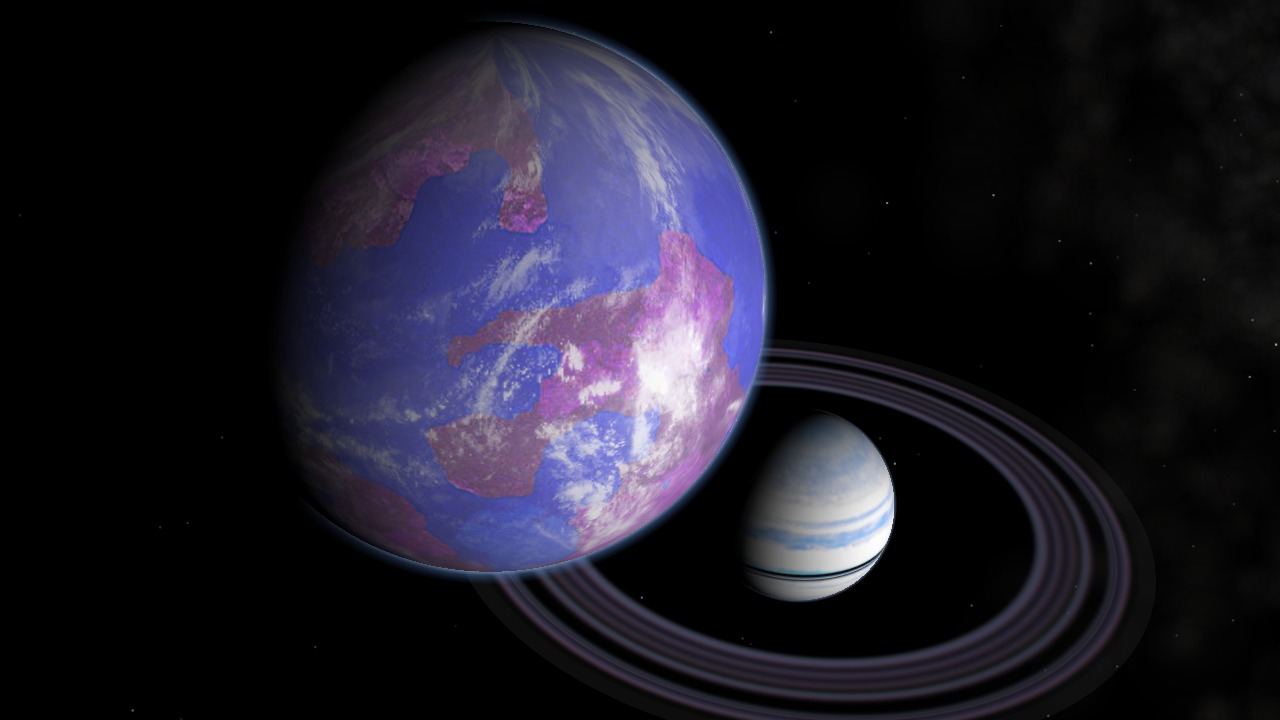
The future of exoplanet and exomoon exploration holds exciting prospects. Several projects and missions are already underway, aiming to uncover the mysteries of these distant worlds. The discovery of life on another planet or moon would undoubtedly have significant scientific and societal implications.
Moreover, the potential for human exploration and colonization of exoplanets and exomoons is a tantalizing prospect. Just like the human explorers in Avatar, we could one day find ourselves setting foot on a distant moon or planet. As we continue to push the boundaries of exploration, who knows what wonders await us in the cosmos? For now, the ‘disappearing’ planet and its potential moon serve as a tantalizing hint of what might be out there, waiting to be discovered.