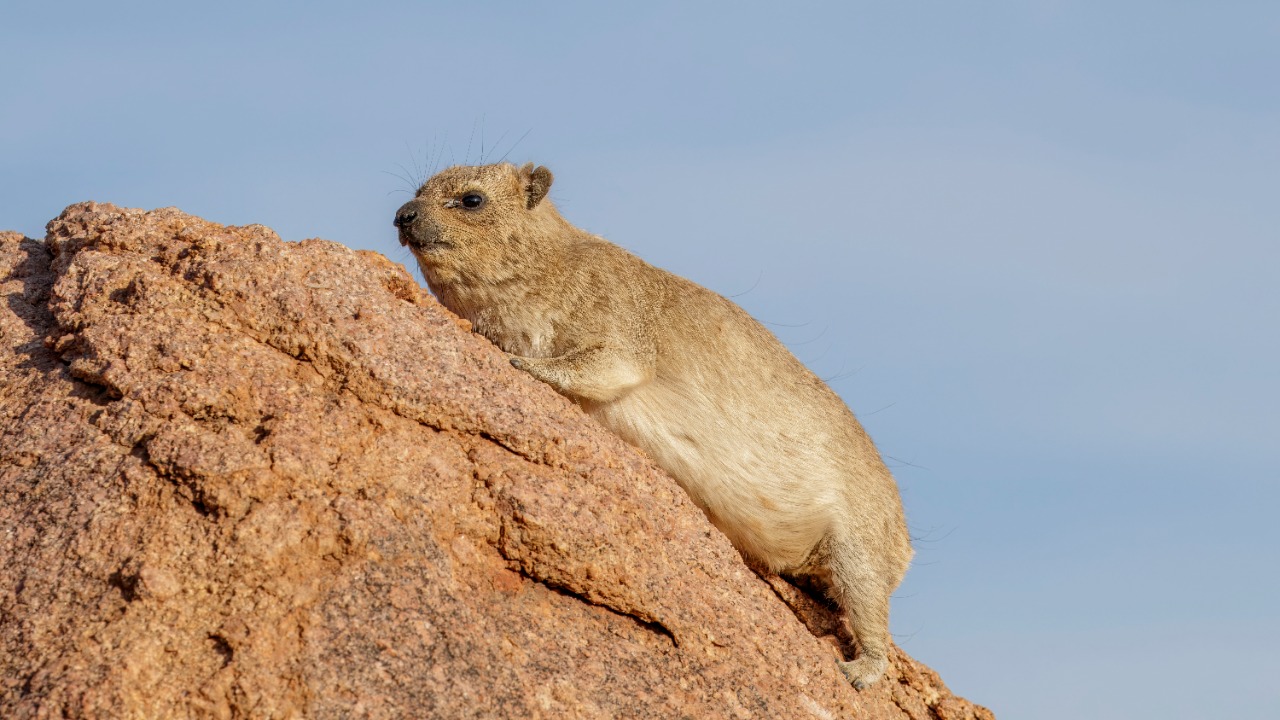

In a groundbreaking paleontological find, a rock hyrax in South Africa left the world’s first known butt-drag fossil trace 126,000 years ago, offering a rare glimpse into ancient mammal behavior through this unique drag mark preserved in the sediment. This fossil, identified as a distinctive rear-end trail, challenges previous assumptions about how such everyday actions fossilize and highlights the hyrax’s role in early ecosystems. Discovered in a key prehistoric site, it provides concrete evidence of a behavior typically erased by time (The Conversation).
The Fossil’s Discovery
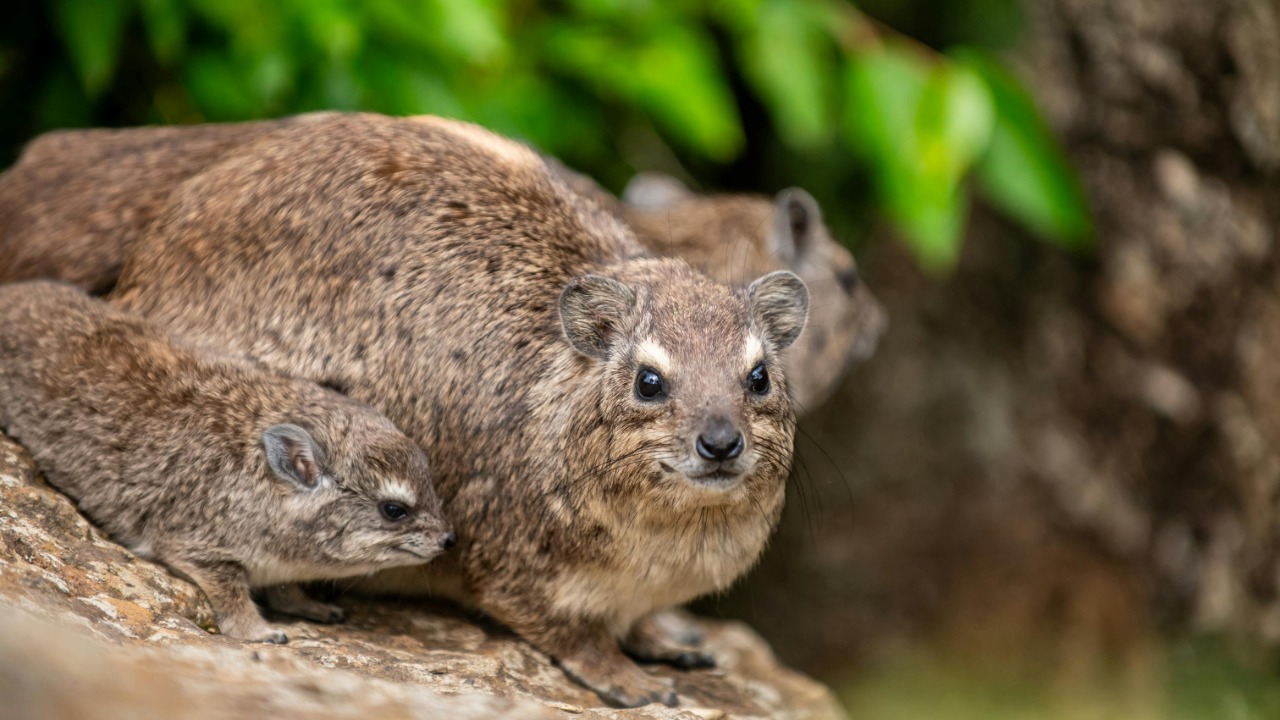
Researchers have identified this unique trace as the world’s first known butt-drag fossil, found in South Africa. The fossil dates back 126,000 years and is preserved as a drag mark from the animal’s rear. This discovery was made in a region known for its rich prehistoric significance, adding a new dimension to our understanding of ancient ecosystems. The fossil’s preservation is attributed to the specific sediment conditions that allowed such a delicate trace to endure through millennia (The Conversation).
The trace was left by a rock hyrax, a small mammal whose behavior created the distinctive fossil pattern. This finding not only highlights the rock hyrax’s presence in ancient South Africa but also provides insight into the types of behaviors that can leave lasting marks in the fossil record. The discovery underscores the importance of small mammals in the paleontological archives and their potential to reveal behaviors that are otherwise lost to time (The Conversation).
In addition to its scientific significance, the discovery of the butt-drag fossil trace has sparked interest in the methodologies used to identify and preserve such delicate traces. Researchers employed advanced imaging techniques and sediment analysis to confirm the fossil’s authenticity and age. These methods have opened new possibilities for detecting similar traces in other regions, potentially leading to a broader understanding of ancient animal behaviors. The interdisciplinary approach, combining paleontology, geology, and advanced technology, underscores the complexity and precision required in modern fossil studies (The Conversation).
Understanding the Rock Hyrax
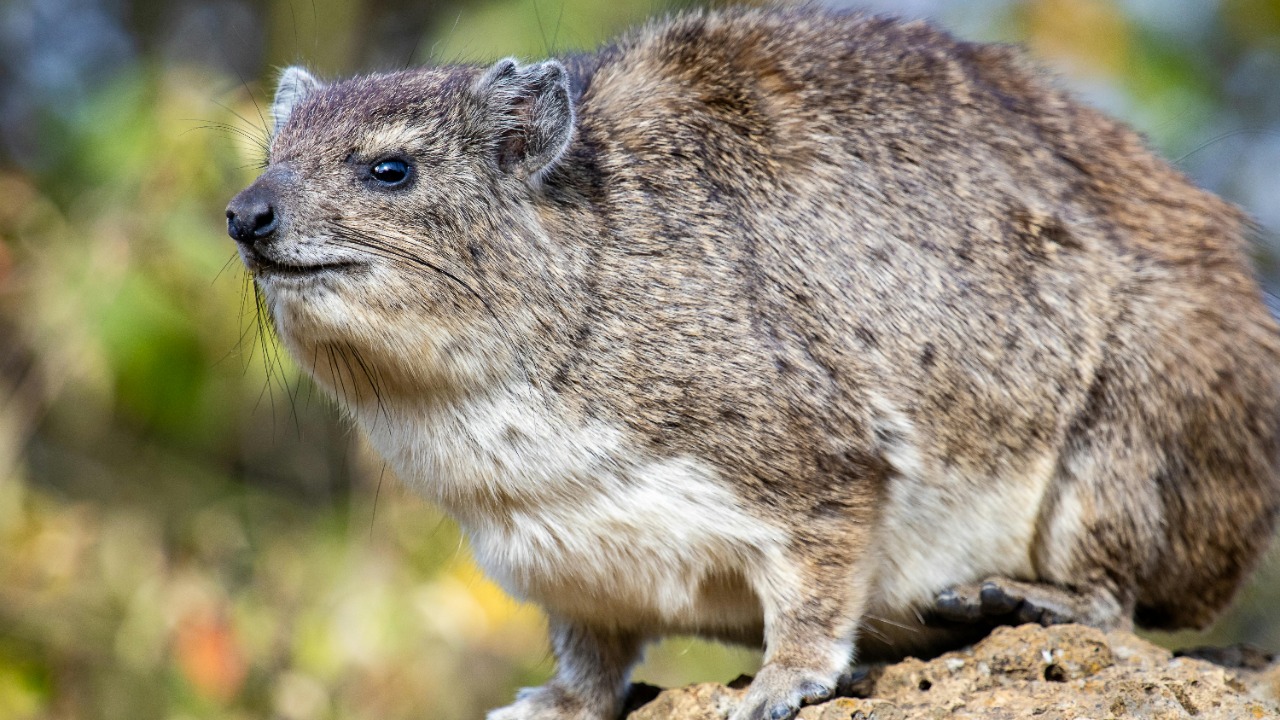
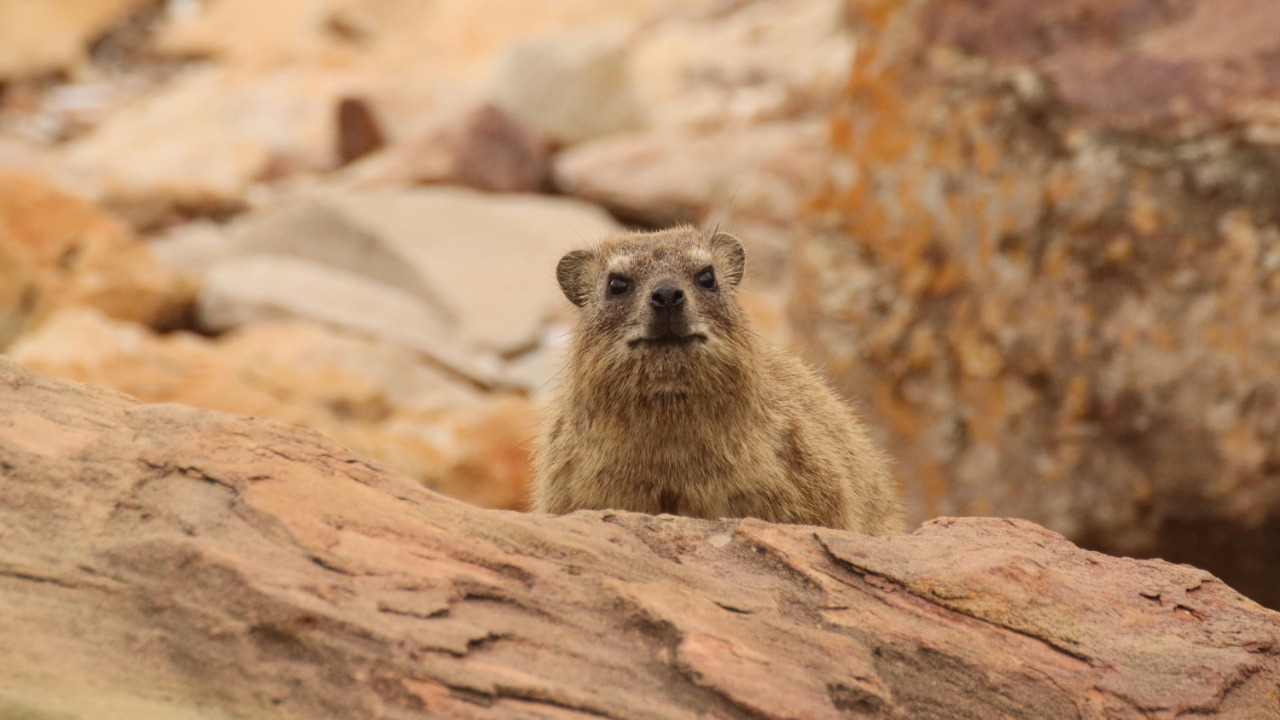
The rock hyrax, responsible for the butt-drag fossil trace, is a small, rodent-like mammal native to Africa. Known for behaviors such as scooting to mark territory or relieve irritation, the rock hyrax’s actions likely led to the creation of this rare fossil type. Its anatomy, particularly suited for such movements, facilitated the preservation of this unique trace. This behavior, while common among modern hyraxes, rarely leaves such a clear mark in the fossil record, making this find particularly significant (The Conversation).
Rock hyraxes are intriguing creatures, often compared to rodents due to their size and appearance, yet they are more closely related to elephants and manatees. This connection is evident in their unique anatomical features, which include specialized pads on their feet that aid in climbing rocky terrains. These adaptations not only support their survival in diverse environments but also contribute to their ability to leave behind such distinctive traces in the fossil record. The discovery of the butt-drag fossil provides a rare opportunity to study the behaviors of these ancient mammals in their natural habitat (The Conversation).
The rock hyrax’s behavior, which led to the creation of the butt-drag fossil, is a fascinating example of how everyday actions can become part of the geological record. These animals are known for their social structures and vocal communications, which play a crucial role in their survival. Their ability to adapt to various environments, from rocky outcrops to savannas, demonstrates their evolutionary success. The rock hyrax’s unique physiological traits, such as their efficient thermoregulation and specialized kidney function, allow them to thrive in arid conditions, further illustrating their adaptability and the ecological niches they occupy (The Conversation).
Significance of the Butt-Drag Trace
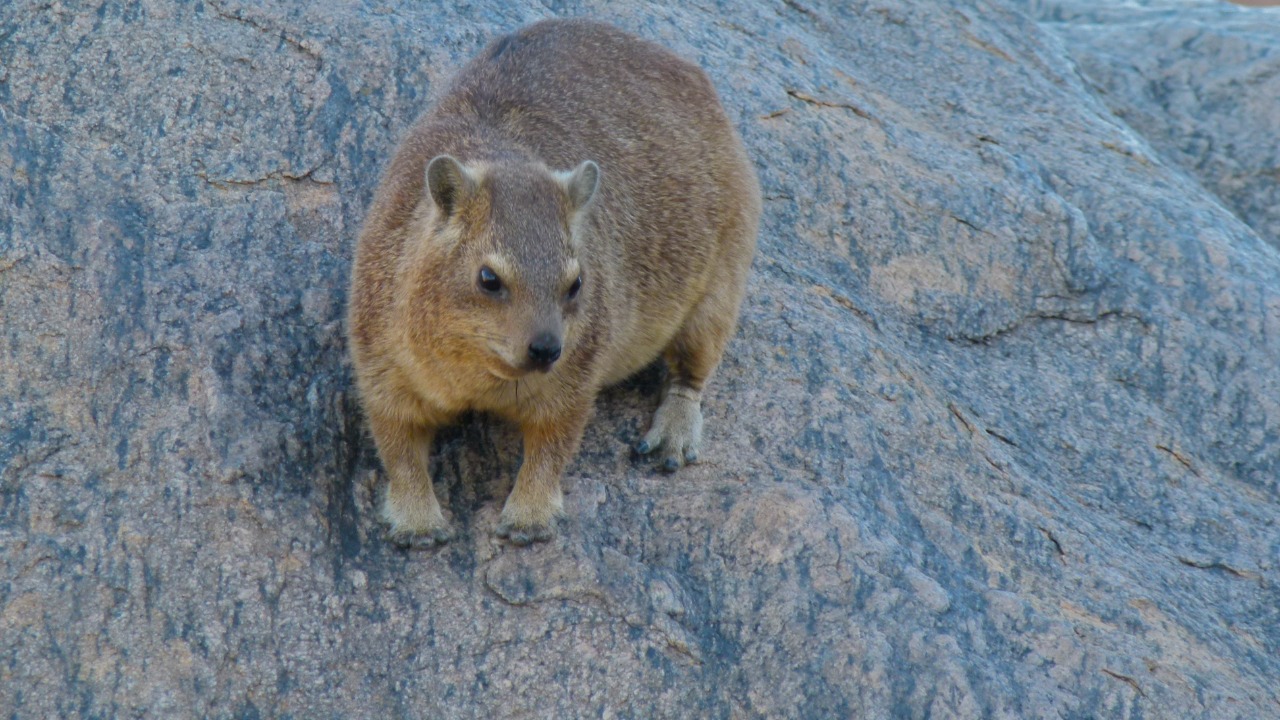
This fossil represents the world’s first known example of a butt-drag trace, a behavior fossilized from 126,000 years ago. The trace provides evidence of everyday mammal actions in ancient South Africa, preserved uniquely due to sediment conditions. This discovery highlights how subtle behaviors, often overlooked in paleontological studies, can leave lasting records in the fossil archive. The rock hyrax’s butt-drag trace is a testament to the intricate interactions within ancient ecosystems and the potential for seemingly mundane actions to become significant paleontological evidence (The Conversation).
The significance of this find extends beyond the novelty of the behavior itself. It challenges researchers to reconsider the types of activities that can be preserved in the fossil record and encourages a broader exploration of behavioral fossils. By understanding the conditions that allowed this trace to be preserved, scientists can better predict where similar fossils might be found and what they can reveal about ancient life. This discovery opens new avenues for research into the daily lives of prehistoric creatures and the environments they inhabited (The Conversation).
Context in South African Paleontology
South Africa serves as the location where the rock hyrax left this 126,000-year-old butt-drag fossil trace. The discovery underscores South Africa’s importance for fossil traces from this period, including those from small mammals like the rock hyrax. This region is renowned for its rich paleontological sites, which have yielded numerous significant finds that contribute to our understanding of prehistoric life. The butt-drag fossil adds to this legacy, providing a unique glimpse into the behaviors of ancient mammals and their interactions with their environment (The Conversation).
This find expands knowledge of behavioral fossils in the region, marking the first known butt-drag example worldwide. It highlights the potential for South Africa to continue offering insights into the lives of ancient creatures and the conditions that allowed such traces to be preserved. As researchers continue to explore this area, they may uncover more examples of behavioral fossils, further enriching our understanding of the complex ecosystems that existed long before humans walked the earth (The Conversation).
South Africa’s paleontological landscape is renowned for its diversity and depth, offering a window into various prehistoric eras. The region’s geological formations, such as the Karoo Supergroup, have been instrumental in uncovering fossils that span millions of years. These sites have provided critical insights into the evolution of mammals, reptiles, and early hominins. The discovery of the butt-drag fossil adds a new layer to this rich history, emphasizing the importance of small mammals in understanding ecological dynamics. As paleontologists continue to explore these ancient landscapes, they are likely to uncover more behavioral fossils that will further illuminate the complex interactions within prehistoric ecosystems (The Conversation).