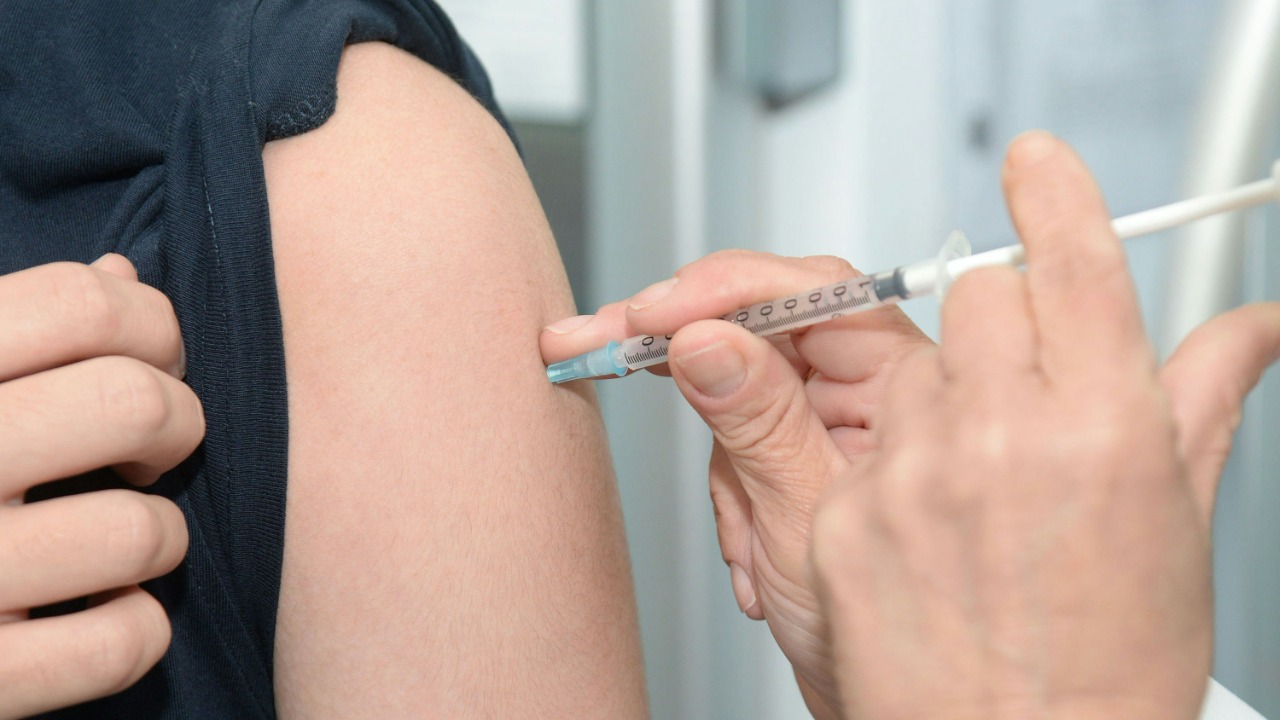

Researchers are closing in on a new kind of protection against the deadliest drug in the United States: a vaccine that trains the immune system to trap fentanyl before it reaches the brain. If early data hold up, the first large human studies could begin in 2026, turning a once speculative idea into a concrete tool alongside medications like methadone and buprenorphine.
The stakes are stark. Fentanyl is so potent that a few grains can stop breathing, and its spread into heroin, counterfeit pills, and even stimulants has made accidental exposure a daily risk for people who use drugs. A long lasting shot that blunts fentanyl’s effects would not replace addiction treatment, but it could sharply reduce the odds that a single lapse or contaminated dose becomes a fatal overdose.
The opioid crisis that made a vaccine thinkable
The push for a fentanyl vaccine starts with the brutal math of the opioid crisis. Synthetic opioids have driven a surge in deaths because fentanyl binds opioid receptors in the brain with far greater potency than drugs like morphine, triggering powerful euphoria along with slowed breathing and, at high enough doses, respiratory arrest. Public health agencies have leaned heavily on naloxone, branded as Narcan, to reverse overdoses in progress, but the sheer speed and strength of fentanyl means that even rapid naloxone use sometimes comes too late.
Scientists and policymakers have been forced to ask whether the immune system itself can be recruited to intercept the drug before it ever reaches those receptors. Federal analysts have described how opioid molecules, once in the bloodstream, cross into the central nervous system and latch onto receptors in the brain and spinal cord, setting off the chain of events that leads to pain relief, reward, and potentially lethal suppression of breathing, a process summarized in a technical spotlight on How opioid molecules bind. If antibodies could grab fentanyl in the blood and keep it from crossing into the brain, the thinking goes, the drug’s most dangerous effects might be blunted even when exposure is unexpected.
How a fentanyl vaccine actually works
At its core, a fentanyl vaccine is a clever workaround to a basic immunology problem. Fentanyl is a small molecule, too tiny for the immune system to recognize on its own as a foreign invader. To get around that, the company Dec and its collaborators at ARMR have chemically linked a fentanyl like fragment to a much larger carrier protein, a deactivated diphtheria toxin that the immune system already knows how to see. When this hybrid molecule is injected, immune cells treat the carrier as a threat and, in the process, learn to recognize the attached fentanyl mimic as well, a design Dec and ARMR describe as pairing a fentanyl like molecule with a carrier protein to stimulate antibody production in hopes of providing roughly a year of protection in people, as detailed in their description of ARMR vaccine design.
Those antibodies then circulate in the bloodstream, ready to latch onto fentanyl molecules if the person uses the drug or encounters it unknowingly. Once bound to bulky antibodies, fentanyl can no longer slip easily across the blood brain barrier, so far fewer molecules reach the receptors that drive euphoria and respiratory depression. In animal studies, this has translated into a near complete blockade of fentanyl’s behavioral effects, with vaccinated subjects failing to show the usual signs of opioid intoxication even when the drug is present in their system, a pattern that matches the way opioid vaccines are expected to work according to federal explanations of When opioids reach receptors.
The adjuvant breakthrough behind the shot
Getting the immune system to notice fentanyl at all is only half the challenge. The other half is persuading it to mount a strong, durable response without causing unacceptable side effects. That is where advances in adjuvants, the immune boosting ingredients added to many vaccines, have been crucial. Dec has pointed to what he calls “the big breakthrough in the past five or six years,” namely the refinement of adjuvant technology that can safely supercharge antibody production against tiny drug molecules while still allowing researchers to fine tune how long those antibodies persist and how tightly they bind fentanyl, a shift he credits with making it possible to test how well the vaccine blocks the drug’s effects in living systems, as described in his comments on adjuvant technology.
In practice, that means the ARMR formulation does more than just present a fentanyl mimic to the immune system. It also includes carefully chosen adjuvants that act like a megaphone, telling immune cells that this is a threat worth remembering for months. The goal is to generate antibody levels high enough to neutralize fentanyl even if a person uses a large dose, and to keep those levels elevated long enough that patients do not need constant booster shots. Early preclinical work suggests that with the right adjuvant mix, a limited series of injections could maintain strong protection for at least half a year, a duration that researchers hope to extend as they refine the schedule and dosing.
From rats to people: what the early data show
The idea of vaccinating against a drug is not new, but fentanyl’s extreme potency has made it a particularly urgent target. A research team led by the University of Houston has already demonstrated that a fentanyl focused vaccine can generate robust antibody responses in rats, sharply reducing the amount of drug that reaches the brain and preventing the usual drop in breathing rate that signals overdose. In those experiments, immunized animals showed no obvious adverse side effects, and the antibodies appeared to steer fentanyl toward elimination through the kidneys instead of allowing it to accumulate in the central nervous system, findings that led the investigators to describe their candidate as a potential game changer for the opioid epidemic in a report on vaccine safety in rats.
Those preclinical results have been backed up by more detailed descriptions from the same group, which emphasized that their formulation was designed to target fentanyl specifically without interfering with other opioid medications that might be needed for pain control or addiction treatment. The University of Houston team reported that their vaccine induced antibodies that bind fentanyl and its closely related analogs, preventing them from entering the brain and instead promoting clearance from the body via the kidneys, an approach they argue could reduce overdose risk while still allowing clinicians to use other opioids when medically necessary, as outlined in their summary of a University of Houston vaccine.
Inside the first human trials
The leap from animal models to people is now underway. ARMR Sciences has begun its first human trial of a fentanyl vaccine in the Netherlands, enrolling 40 healthy volunteers to test safety, dosing, and the strength of the antibody response. In earlier animal work, the same formulation reportedly rendered 92 percent of subjects effectively immune to fentanyl’s lethal effects, a striking figure that has raised hopes that similar levels of protection might be achievable in humans if antibody titers can be pushed high enough, as described in a report on how ARMR Sciences begins its clinical program.
Those early phase studies are not designed to prove that the vaccine prevents overdose in the real world, but they will answer key questions about how people’s immune systems respond, how long antibodies last, and whether there are any unexpected safety signals. The plan is to follow volunteers over time, measuring antibody levels and, in controlled settings, exposing them to small, carefully monitored doses of fentanyl to see how much of the drug is neutralized. If those data look promising, larger trials in people who use opioids, including those in treatment programs, could begin as soon as 2026, setting the stage for regulators to evaluate whether the vaccine meaningfully reduces overdose risk when layered onto existing care.
What “blocking fentanyl” really means for patients
For people living with opioid use disorder, the appeal of a fentanyl vaccine is straightforward. A single lapse in abstinence or a single bag of heroin cut with fentanyl can be fatal, even for someone who has been stable on medications or in counseling. A vaccine that generates circulating antibodies would act as a biochemical shield, binding fentanyl in the bloodstream so that it cannot slow breathing, lower respiratory rate, or trigger the cascade of events that leads to overdose. Advocates for medication assisted treatment have framed the shot as a way to support ongoing therapies rather than replace them, arguing that it could give patients and clinicians a crucial margin of safety while they work on the underlying addiction, a role described in detail in an explainer on Why the fentanyl vaccine is seen as a big deal.
It is equally important to be clear about what the vaccine does not do. Antibodies against fentanyl will not stop cravings, heal trauma, or address the social and economic drivers of drug use. They also will not protect against other opioids or non opioid drugs unless those molecules are specifically targeted in the vaccine design. In practice, that means a vaccinated person could still overdose on heroin, oxycodone, or benzodiazepines, and they could still experience withdrawal and relapse. The vaccine is best understood as a pharmacological seat belt, something that reduces the risk of catastrophic harm when things go wrong but does not make risky behavior safe.
How long protection might last
One of the most pressing questions for any vaccine is durability. For a fentanyl shot to be practical in addiction care, it needs to provide meaningful protection for months at a time, not just a brief spike in antibodies. Preclinical work suggests that is achievable. Researchers who have followed vaccinated animals report that the longest they have tracked them is about six months, during which they saw complete blockade of fentanyl’s effects even in the presence of the drug, a finding that hints at the possibility of long lasting immunity if similar responses can be elicited in people, as described in a detailed look at how the longest we have followed vaccinated animals.
Translating that durability into human schedules will require careful calibration. Clinicians will need to know how quickly antibody levels rise after the first dose, how many injections are required to reach peak protection, and how fast those levels decline. If the vaccine behaves like many traditional shots, a primary series followed by periodic boosters might be enough to maintain coverage for people at highest risk, such as those leaving jail or detox programs. But if antibody levels fall more quickly, programs may need to align booster visits with existing treatment touchpoints, such as monthly buprenorphine refills or counseling sessions, to avoid leaving gaps in protection.
Why this is not Narcan 2.0
As the vaccine moves into human testing, it is already being compared to naloxone, the emergency antidote that has become ubiquitous in schools, bars, and family medicine clinics. The comparison is useful, but only up to a point. Naloxone, sold as Narcan, works by displacing opioids from their receptors after an overdose has already begun, rapidly reversing respiratory depression if it is given in time. The fentanyl vaccine, by contrast, is designed to work in advance, preventing the drug from ever reaching those receptors in sufficient quantities to cause an overdose, a distinction highlighted in coverage that notes how, unlike naloxone (Narcan), the vaccine would work in advance to protect people by stopping overdoses before they occur, as explained in a discussion of how Unlike naloxone (Narcan) the vaccine acts preemptively.
In practice, that means the two tools are complementary rather than interchangeable. Naloxone will remain essential for people who are not vaccinated, for exposures to other opioids, and for situations where the dose of fentanyl overwhelms the available antibodies. The vaccine, if it works as intended, could reduce the number of times naloxone is needed and lower the risk that a single missed dose of medication or a single contaminated pill becomes fatal. Public health planners will need to think about how to integrate both tools into harm reduction kits, emergency response protocols, and treatment programs so that people who use drugs have multiple layers of protection rather than a single line of defense.
The social and ethical knots a vaccine cannot untangle
Even if the science holds up, the rollout of a fentanyl vaccine will be shaped by social realities that are far messier than any lab experiment. Researchers who have examined the broader context warn that both individual and environmental factors will influence who gets vaccinated, who trusts the shot, and how it is used. Stigma around drug use, mistrust of medical institutions, and structural barriers like unstable housing or lack of transportation can all limit access, while policy choices about whether to tie vaccination to criminal justice involvement or treatment mandates could deepen inequities, concerns that emerge clearly in analyses that urge readers to See Table summaries of Both individual and environmental factors shaping uptake.
There are also ethical questions about consent and autonomy. A vaccine that blunts fentanyl’s euphoric effects could be seen by some as a way to coerce abstinence, especially if courts or probation officers pressure people to accept it as a condition of release. Others may worry that vaccinating adolescents or young adults who use drugs experimentally could backfire if it leads them to take larger doses in an attempt to overcome the blockade. Policymakers will need to grapple with these scenarios openly, involving people who use drugs, harm reduction workers, and addiction specialists in decisions about how the vaccine is offered, what information is provided, and how to guard against punitive uses that could undermine trust.
What comes next
As ARMR, Dec, the University of Houston team, and others push their candidates through early trials, the field is moving from proof of concept to practical questions. Regulators will want to see not only that the vaccines are safe and generate strong antibody responses, but also that they reduce real world harms like overdose deaths and hospitalizations when layered onto existing treatments. That will require large, carefully designed studies that follow people over time, track their drug use patterns, and measure outcomes in communities where fentanyl is already deeply entrenched. It will also require coordination with agencies that oversee addiction care, criminal justice, and public health so that trial results can be translated into policy quickly if the benefits are clear.
For now, the most honest way to describe the fentanyl vaccine is as a promising but unproven addition to the overdose prevention toolkit. The science of linking a fentanyl like molecule to a carrier protein, supercharging the response with modern adjuvants, and generating long lasting antibodies has advanced rapidly, and early animal data are encouraging. But until the 40 person trial in the Netherlands and the larger studies that follow report their results, key questions about durability, side effects, and real world effectiveness will remain open. If those answers are favorable, a shot that quietly patrols the bloodstream, neutralizing fentanyl before it can shut down breathing, could become one of the most important new tools in the fight against a crisis that has already claimed hundreds of thousands of lives.
More from MorningOverview