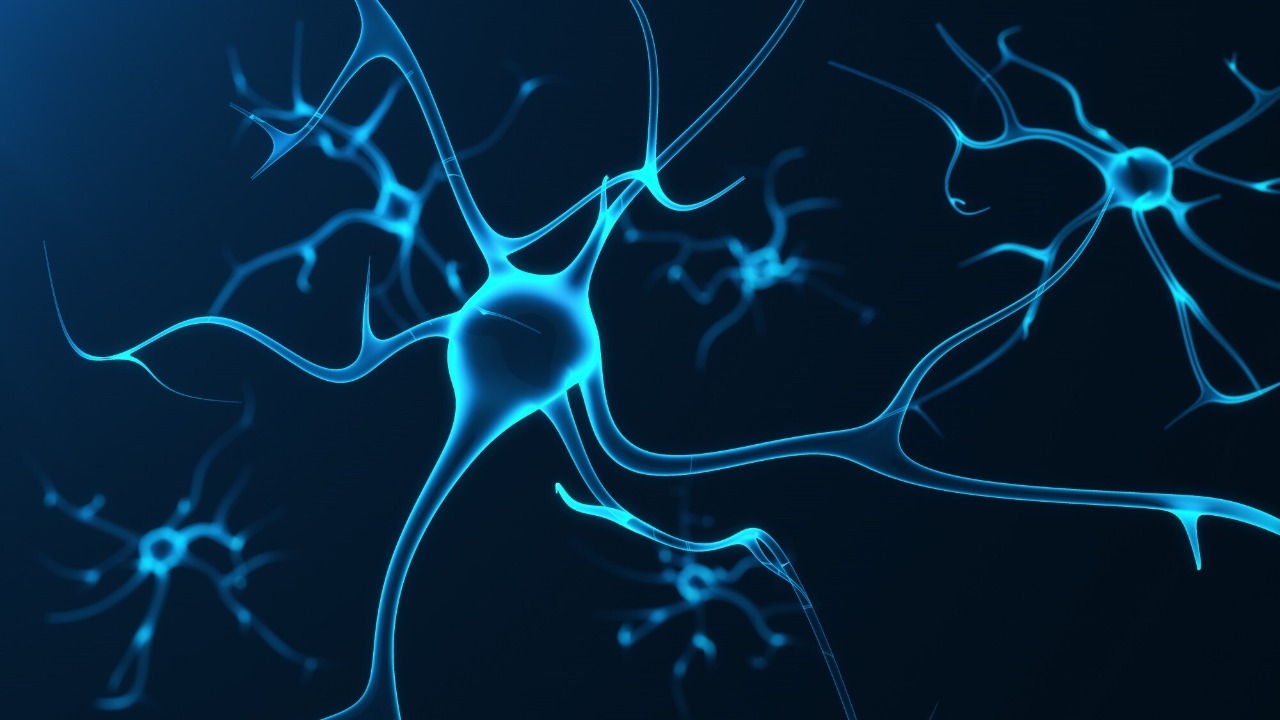

Neuroscientists have unveiled an engineered protein that lets them watch incoming signals wash over neurons in real time, turning what used to be invisible chemical whispers into vivid, trackable activity. Instead of inferring what a cell is hearing from the spikes it sends out, researchers can now directly monitor the inputs that shape those spikes, opening a new window on how the brain’s circuits compute.
By acting as a living sensor inside cells, this protein captures the brain’s hidden language of neurotransmitters and receptor activity, promising sharper insight into everything from learning and memory to psychiatric disease. I see it as a shift from listening only to the brain’s “output speakers” to finally tapping the input lines that drive each neuron’s decisions.
From electrical spikes to chemical conversations
For decades, most of what I and other observers have called “reading the brain” has really meant tracking electrical spikes, the rapid voltage changes that mark when neurons fire. Techniques like single-unit recordings and calcium imaging have given neuroscientists detailed views of these outputs, but they say little about the barrage of chemical messages that arrive at each cell’s synapses before a spike ever occurs. That gap has left a major blind spot in efforts to decode how networks of neurons integrate information and decide which signals matter.
The new work targets that blind spot by focusing on the incoming side of neural communication, where neurotransmitters bind to receptors and trigger subtle changes long before a neuron crosses its firing threshold. Researchers have engineered a protein that behaves like a molecular microphone for these inputs, letting them visualize the real-time flow of signals between cells instead of inferring it indirectly from spikes. In effect, they are shifting attention from the brain’s loud electrical outbursts to its quieter chemical conversations, which carry much of the nuance in how circuits compute.
An engineered protein that “listens in” on synapses
The core of the advance is a special protein that scientists have deliberately redesigned so it can report on synaptic activity from inside living tissue. According to Engineered Protein Reveals Hidden Incoming Signals Between Neurons, Researchers created this next-generation molecule to change its properties when it detects specific chemical events at the surface of neurons. By fusing sensing domains to fluorescent or otherwise trackable components, they turned a once-silent protein into a dynamic reporter that brightens or shifts in response to synaptic input.
What makes this design so powerful is that it is genetically encoded, so neurons can be instructed to produce the protein themselves, embedding the sensor directly into their membranes. That allows scientists to monitor the same cells over time, watching how their incoming signals evolve as animals learn, sleep, or experience disease. Instead of relying on external dyes or electrodes that sample only a few sites, the engineered protein effectively converts each labeled neuron into its own live feed of synaptic traffic.
Decoding the brain’s “hidden language”
Researchers often describe the brain’s activity as a kind of language, with patterns of spikes and synaptic strengths forming an internal code. Until now, most tools have captured only the “spoken” part of that code, the spikes that neurons send to their partners, leaving the “listening” side largely opaque. In new work highlighted as Scientists develop new way to “listen in” on the brain’s hidden language, Scientists emphasize Why Understanding the incoming signals is crucial, because those inputs determine which neurons are primed to fire next and how information flows through a circuit.
By capturing the timing and strength of synaptic inputs, the engineered protein lets investigators see which cells are being driven together, which are being inhibited, and how those patterns change as an animal processes a stimulus. That level of detail is essential for Understanding the brain’s code, since it reveals not just which neurons are active, but why they became active in the first place. In practical terms, it turns the brain’s hidden language of chemical messages into a visible script that can be analyzed, compared across conditions, and eventually linked to behavior.
A “glue sniffer” sensor for incoming signals
Some scientists have likened the new protein to a “glue sniffer,” a vivid metaphor for a sensor that detects the chemical “glue” holding synapses together and transmitting messages. Reporting on this work notes that Scientists have introduced a highly sensitive protein sensor that captures the real-time flow of incoming signals between neurons, allowing them to watch how synaptic inputs spread across dendrites and cell bodies. By letting researchers observe these hidden inputs directly, the tool reveals patterns that were previously inferred only from sparse electrical recordings or averaged signals.
The sensor’s sensitivity is central to its impact, because synaptic events can be fleeting and localized, occurring in tiny patches of membrane that traditional methods often miss. With the engineered protein embedded at those sites, even brief bursts of neurotransmitter release can trigger a detectable response, effectively flagging each incoming message. As Scientists describe it, the sensor turns the brain’s secret whispers into signals that can be recorded frame by frame, giving experimenters a detailed map of how information arrives at each neuron.
How the sensor works inside living brain tissue
At the technical level, the engineered protein functions as a sensor that couples a binding event to a measurable change, often in fluorescence or another optical property. When a neurotransmitter or related molecule interacts with the protein, its structure shifts, altering how it emits light under a microscope. In coverage of this work, Engineered sensor reveals the brain’s hidden chemical conversations explains that the special protein that researchers designed acts as a live reporter for these chemical exchanges, providing a direct readout of synaptic activity that can be captured with high-speed imaging systems.
Because the sensor is expressed by neurons themselves, it can be targeted to specific cell types or brain regions using genetic tools, allowing highly selective experiments. Scientists can, for example, label only inhibitory interneurons in the hippocampus or excitatory cells in the visual cortex, then watch how their incoming signals differ during a task. This flexibility makes the protein not just a single gadget but a platform for measuring and analyzing neural activity across many circuits, with the potential to adapt it to different neurotransmitters or receptor families as the technology matures.
The Allen Institute’s push to hear the brain more clearly
The development of this protein-based sensor fits into a broader push by large research centers to move beyond traditional electrophysiology and calcium imaging. Scientists at the Allen Institute have been explicit that, while neuroscientists have pretty good ways to measure when neurons fire, they have lacked tools to see the inputs that shape those spikes. In their description of the new approach, they frame it as a way to fill that gap so that long-standing mysteries about circuit computation may soon be revealed through more complete measurements of both incoming and outgoing signals.
By integrating the engineered protein into their existing pipelines for large-scale brain mapping, the Allen Institute can combine anatomical data, gene expression profiles, and now synaptic input patterns for the same cells. That multi-layered view promises a richer understanding of how different neuron types contribute to perception and behavior, and how those contributions change in disease models. The institute’s emphasis on open data also means that recordings made with the new sensor could be shared widely, accelerating efforts across the field to interpret the brain’s hidden language. The scope of this ambition is captured in their report that Scientists at the Allen Institute see the technology as a key step toward decoding how networks of neurons compute.
Scientists unlock a new way to hear the brain
Across multiple accounts of the work, one theme stands out: Scientists Unlock a New Way to Hear the Brain’s Hidden Language by focusing on the inputs that precede spikes rather than the spikes themselves. In one summary, researchers describe creating an ultra-sensitive protein that listens for the chemical cues that tell neurons when to fire, effectively capturing the prelude to each electrical event. This shift in emphasis from output to input reframes what it means to “hear the brain,” since it highlights the computations that happen before a neuron crosses its threshold.
By tracking these precursors, scientists can start to answer questions that were previously out of reach, such as how different combinations of synaptic inputs add up to a decision to fire, or how neuromodulators reshape those combinations during attention or stress. The work is presented as a New Way to Hear the Brain and its Hidden Language because it reveals the internal deliberations of neurons, not just their final verdicts. As one report notes, Scientists Unlock this capability with a new protein that listens to how neurons communicate, offering a more complete picture of the brain’s internal dialogue.
Why incoming signals matter for brain disorders
From my perspective, one of the most important implications of this technology lies in its potential to clarify what goes wrong in brain disorders. Many conditions, from epilepsy to schizophrenia, are thought to involve disruptions in the balance of excitation and inhibition, or in the timing of synaptic inputs that shape network rhythms. Until now, those disruptions have often been inferred from changes in firing patterns or behavior, leaving open the question of whether the core problem lies in the inputs, the intrinsic properties of neurons, or the connections they send onward.
With an engineered protein that reports on incoming signals, researchers can directly test whether specific diseases alter the strength, timing, or spatial distribution of synaptic inputs to vulnerable cell types. For example, they could compare how excitatory and inhibitory inputs to cortical pyramidal neurons differ between healthy animals and models of autism, or how neuromodulatory inputs to the prefrontal cortex change in depression. By tying those input patterns to symptoms and treatment responses, the field may be able to move from broad theories about “circuit dysfunction” to precise, testable mechanisms rooted in the brain’s chemical conversations.
From basic circuits to future neurotechnology
In the near term, I expect the engineered protein to be a workhorse for basic research, helping to map how sensory information, memories, and decisions are represented in the pattern of inputs to specific neurons. Because the sensor can be expressed in targeted populations, scientists can dissect how different layers of cortex or distinct cell classes within the hippocampus receive and integrate their synaptic drive. That level of detail is essential for building accurate models of brain computation, which in turn inform everything from artificial intelligence algorithms to theories of consciousness.
Looking further ahead, the same principles that make the protein a powerful research tool could inspire new forms of neurotechnology that monitor or even modulate brain activity with unprecedented specificity. If sensors can be tuned to particular neurotransmitters or receptor states, they might one day guide closed-loop therapies that respond to early signs of pathological input patterns before symptoms emerge. While such applications remain speculative and Unverified based on available sources, the current work already demonstrates that it is possible to engineer proteins that reveal hidden incoming signals between neurons, a conceptual leap that will shape how I and many others think about reading and influencing the brain.
More from MorningOverview