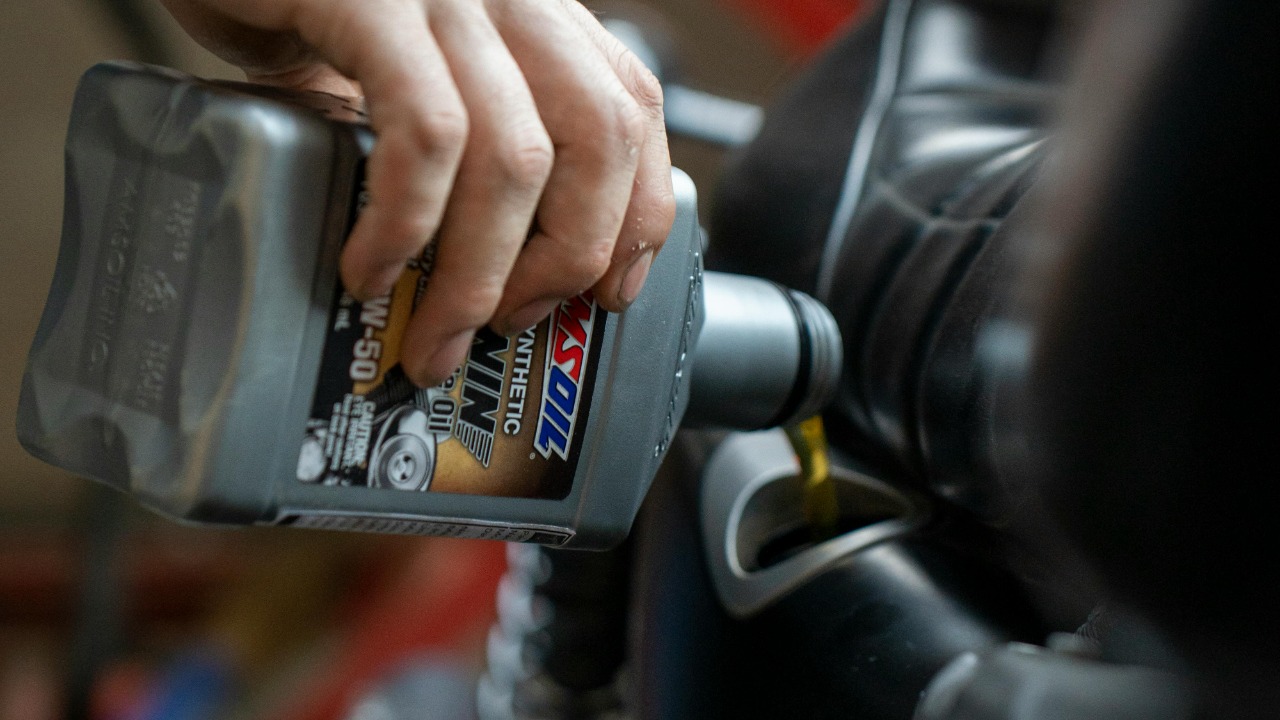

Motor oil has quietly become one of the most important choices car owners make, especially as vehicles routinely cross 150,000 kilometers and keep going. The debate between full synthetic and high mileage oil is not just about price, it is about how each formula handles wear, leaks, sludge, and long-term reliability in very different engines. I want to cut through the marketing and focus on what the chemistry, manufacturer guidance, and real-world experience actually say about which option fits your car.
What full synthetic oil really does for an engine
Full synthetic oil starts with a more uniform base stock than conventional oil, which gives it better stability at both high and low temperatures and helps it maintain a protective film under stress. In practice, that means synthetic oil resists oxidation, thickening, and breakdown when engines are worked hard on highways, in hot climates, or in turbocharged applications, and it can keep internal parts cleaner by suspending contaminants instead of letting them bake into deposits. Technical discussions of the advantages and disadvantages of synthetic oil point out that these engineered molecules can maintain viscosity and film strength where mineral oils would shear or evaporate, which is why many modern engines are factory-filled with synthetic from day one.
There is a cost tradeoff, because full synthetic oil is more expensive per liter than conventional or basic blends, but that price gap is partly offset by longer service intervals and reduced wear. Service advisors who field complaints about whether synthetic is “overpriced” often note that the higher upfront cost buys longer drain intervals and better protection against heat, sludge, and cold-start wear, which directly affects long-term engine health. One analysis of whether synthetic oil lasts longer emphasizes that the extended life between oil changes and the reduced risk of costly repairs are central to what drivers are really paying for, not just the bottle on the shelf.
What makes high mileage oil different
High mileage oil is not simply thicker conventional oil in a different label, it is a targeted formula built for engines that have already seen years of heat cycles and wear. These products typically include seal conditioners, detergents, and anti-wear additives designed to minimize internal leaks, slow consumption, and clean deposits that build up as rubber components harden and tolerances open up. Technical guides explain that high mileage oils contain seal enhancers and special additives that can reduce seepage and help older engines maintain compression, especially when age, not just distance, has started to affect gaskets and seals.
Unlike basic conventional motor oil, high mileage blends are built around the specific problems that show up after years of use, such as minor leaks, oil burning, and sludge in tight passages. Consumer-facing explainers on what high mileage oil is and when to use it stress that these formulas are engineered to offer meaningful advantages over regular oil in older engines, particularly by conditioning seals and cleaning deposits that can otherwise accelerate wear. In other words, high mileage oil is less about chasing peak performance numbers and more about stabilizing a powertrain that is already well into its service life.
How full synthetic and high mileage oils overlap
The choice is not always binary, because many high mileage products are themselves synthetic or synthetic blends that combine the base stock benefits of full synthetic with the seal conditioners and detergents aimed at older engines. That is why some labels read “high mileage synthetic” or “extended performance high mileage,” signaling that the oil is built to handle both the thermal stress of modern engines and the age-related issues of higher odometer readings. A prominent example is Mobil 1 Extended Performance High Mileage, which is marketed to drivers who want synthetic-level protection and longer intervals but also need help reducing sludge and protecting seals in vehicles with uncertain maintenance histories.
For owners of a 2012 Toyota Camry or a 2010 Honda CR‑V that has already crossed 200,000 kilometers, this overlap matters more than the label on the front of the bottle. In practice, the decision often comes down to whether the engine is still tight and clean enough to benefit most from a pure full synthetic, or whether it has started to show the small leaks, consumption, or varnish that a high mileage synthetic can better address. Retail and dealer guidance that compares synthetic, high mileage, and conventional oil tends to frame synthetic as the performance and longevity choice, with high mileage versions stepping in when age-related issues start to appear.
When high mileage oil makes the most sense
High mileage oil is usually recommended once a vehicle has accumulated significant distance or age, but the exact threshold depends on how and where it has been driven. Many brands suggest considering a switch around 120,000 to 160,000 kilometers, or when an engine begins to show symptoms like minor leaks, oil consumption between changes, or a rougher idle that may be linked to deposits. Guidance on when you should start using a high mileage oil highlights that products such as Valvoline High Mileage with MaxLife Technology are designed specifically to address wear, sludge, and other problems older engines face, rather than simply extending drain intervals.
Age alone can be a deciding factor, even on relatively low-mileage cars that have spent years in stop‑and‑go traffic or short-trip duty. Technical notes on using high mileage synthetic oil point out that engines that are several years old can benefit from seal conditioners and detergents to prevent leaks and minimize internal deposits, even if the odometer is not extreme. For a 2011 Ford Focus that has spent its life on short city hops, the combination of age, heat cycles, and potential sludge buildup can make a high mileage formula a smarter choice than a basic full synthetic that does not target those specific issues.
When full synthetic is still the better bet
Full synthetic oil remains the default recommendation for many newer vehicles, especially turbocharged engines and models that specify low-viscosity grades like 0W‑20 or 5W‑30 for fuel economy and emissions reasons. These engines rely on precise oil flow and stable viscosity under high temperature, and they often have tight clearances and advanced variable valve timing systems that are sensitive to sludge and varnish. Dealer guidance that compares synthetic oil versus high mileage and conventional notes that Nissan Synthetic Oil is the recommended choice for many late-model engines because it lasts longer and offers better performance than conventional oil, particularly under the higher stresses of modern designs.
Even on older vehicles, full synthetic can be the right answer if the engine is still tight, clean, and free of leaks, and if the owner prioritizes maximum protection over targeted conditioning. Technical breakdowns of the advantages and disadvantages of synthetic oil emphasize that synthetic base stocks can maintain a strong lubricating film and resist thermal breakdown better than mineral oils, which is crucial for drivers who tow, drive in extreme heat, or regularly push engines to higher RPM. For a 2018 Subaru Outback that spends weekends hauling gear into the mountains, a high quality full synthetic that meets the manufacturer’s specification is usually a more important safeguard than the seal conditioners found in high mileage blends.
Myths, leaks, and switching between oils
One of the most persistent myths in garages and online forums is that synthetic oil will cause leaks in older engines, or that once a car has been run on conventional oil it can never safely switch to synthetic. Technical education from major oil brands directly labels this as a myth about full synthetic oil, explaining that properly formulated synthetics are safe for high mileage cars and older vehicles and protect them just as effectively as they do new engines. The confusion often stems from the fact that synthetic oil can reveal existing gasket or seal problems by cleaning away sludge that was temporarily plugging a leak, which is not the same as causing new damage.
Real-world mechanic communities echo that view, noting that drivers can move between synthetic, regular, and high mileage oils as needed without harming the engine as long as the correct viscosity and specifications are followed. One widely shared discussion of synthetic versus high mileage versus conventional oil points out that synthetic oil does not cause leaks and that switching back and forth is mechanically safe, even if it may not always be cost-effective. For owners of an older BMW 3 Series or Mazda3 who are nervous about trying synthetic after years on conventional, the key is to monitor for preexisting leaks and consumption, not to fear the chemistry itself.
How to match oil type to your specific vehicle
The most reliable starting point is always the owner’s manual, which specifies the viscosity grade and performance standard the engine was designed around, and many experts argue that this should carry more weight than marketing labels. Service advisors who walk drivers through the choice between full synthetic and high mileage consistently stress that manufacturer recommendations come first, and that any oil, whether synthetic or high mileage, must at least meet those baseline requirements. From there, the decision becomes more personal: a well-maintained 2019 Honda Civic that sees mostly highway miles may be best served by sticking with full synthetic, while a 2008 Chevrolet Malibu with minor seepage and some oil consumption might benefit from a high mileage synthetic that still meets the same spec.
Choosing the right bottle also means reading the fine print on the label, not just the big “high mileage” or “full synthetic” branding on the front. Technical buying guides on how to choose the best high mileage oil for your vehicle recommend starting with the manufacturer’s viscosity and certification, then considering factors like climate, driving style, and whether the engine already shows signs of leaks or sludge. For example, a 2010 Toyota RAV4 in a hot region that tows occasionally might be a good candidate for a 5W‑30 high mileage synthetic that meets the original specification, while a lightly used 2016 Hyundai Elantra in a mild climate can stay on a standard full synthetic that prioritizes fuel economy and long drain intervals.
Cost, intervals, and long-term ownership math
From a budget perspective, full synthetic oil usually costs more per change but can safely run longer intervals when the manufacturer allows it, which changes the math over several years of ownership. Analyses that ask whether synthetic oil is overpriced point out that the higher upfront price is offset by fewer oil changes and better protection against heat and wear, which can prevent expensive repairs like timing chain or turbocharger failures. For drivers who keep cars for a decade or more, the cumulative savings from avoiding major engine work often outweigh the extra cost of synthetic at each service.
High mileage oils, especially synthetic versions, sit in a middle ground: they may cost slightly more than basic synthetics because of their additive packages, but they can extend the useful life of an aging engine by slowing leaks and cleaning deposits. Technical comparisons of high mileage versus full synthetic oil note that products like Valvoline MaxLife were among the first to target older engines specifically, and that their value lies in reducing consumption and stabilizing performance rather than maximizing drain intervals. For someone nursing a 2005 Toyota Corolla or a 2007 Jeep Liberty through its final years, spending a bit extra on a high mileage synthetic that cuts oil usage and quiets lifter noise can be a rational way to delay a much larger expense.
Driving style, climate, and how your engine “lives”
Beyond age and mileage, the way a vehicle is driven has a huge influence on which oil type is the smarter choice, because stop‑and‑go traffic, short trips, and extreme temperatures all stress oil differently. A technical breakdown of full synthetic versus high mileage oil frames the decision as a question of how the engine is actually living, not just what the odometer says, and notes that as engines rack up miles the priority shifts from chasing perfection to managing wear. A turbocharged Volkswagen Golf GTI that sees frequent spirited driving and long highway runs will benefit most from a robust full synthetic that resists high-temperature breakdown, while a 15‑year‑old Toyota Highlander used mainly for school runs and errands may be better served by a high mileage synthetic that tackles sludge from repeated cold starts.
Climate also shapes the choice, because very cold winters and very hot summers both demand more from the oil’s viscosity and additive package. Full synthetic oils generally handle extreme cold better, flowing quickly at startup to protect bearings and camshafts, while high mileage synthetics add the extra benefit of seal conditioners that can help older rubber components survive repeated thermal cycling. Service advisors who walk customers through choosing the right oil often end up recommending full synthetic for newer vehicles in harsh climates and high mileage synthetic for older ones that face the same conditions but also show age-related wear. In both cases, the goal is the same: keep a stable lubricating film in place from the first crank on a cold morning to the last kilometer of a long summer road trip.
More from MorningOverview