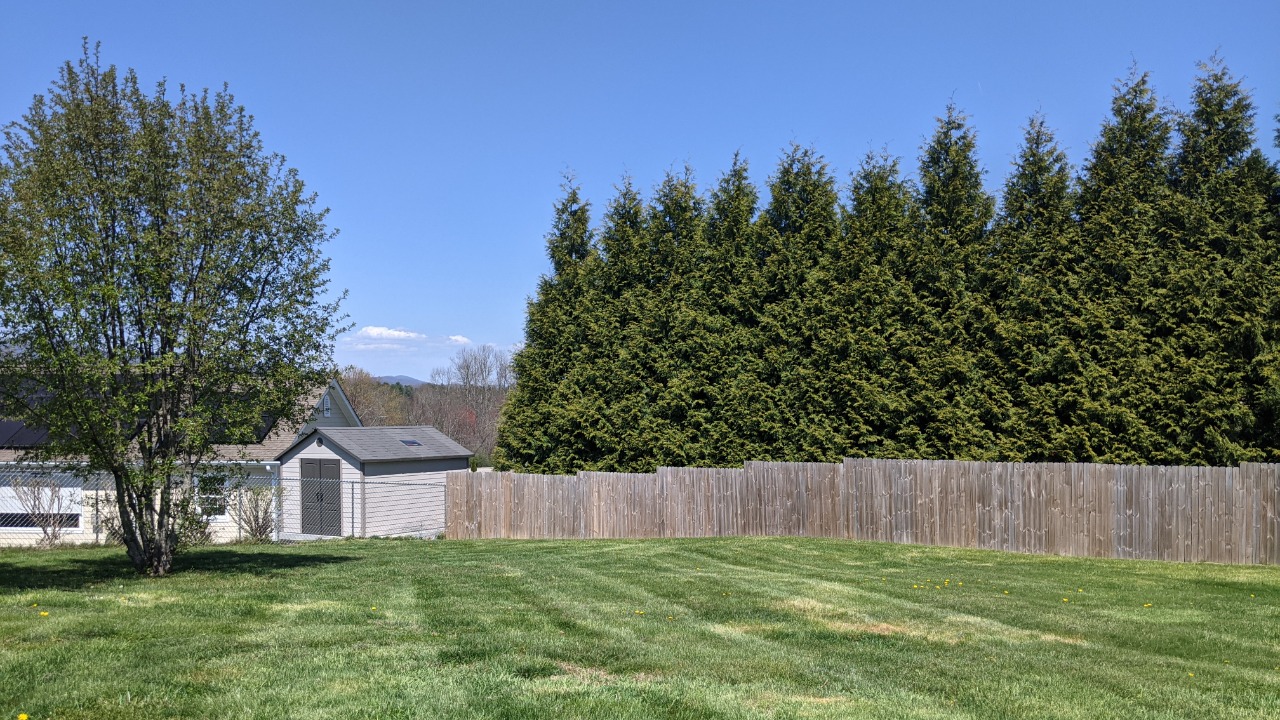

When a retired science teacher stepped into their backyard and realized the ground was cracking and the plants were failing in ways they had “never, ever seen this bad,” it was not just a personal shock. It was a small, vivid snapshot of a much larger pattern that scientists and land managers have been warning about for years. What looks like one distressed yard is, in reality, part of a global story about how a hotter, drier climate is reshaping the places we live, the parks we visit, and the wildlife that depends on them.
I see that backyard moment as a kind of alarm bell, the sort of everyday disruption that turns abstract climate charts into something you can feel under your feet. From national parks in the United States to fragile habitats in the Middle East, the same forces that dried out that lawn are driving animals into danger, stressing ecosystems, and forcing people who know the land best to speak out.
The backyard that stopped behaving like a backyard
The retired science teacher at the center of this story did not need a lab to recognize that something was off. Years of watching seasonal patterns had taught them what “normal” looked like, which is why the sudden collapse of familiar plants, the parched soil, and the sense that the yard had crossed a line into “never, ever seen it this bad” territory felt so jarring. That kind of lived expertise, built over decades of teaching and observing, turns a simple walk outside into a diagnostic check on the local environment.
According to reporting on the incident, the retired science teacher was so unsettled by the change that they decided to speak publicly, framing their yard not as an isolated curiosity but as a warning sign. When someone trained to separate anecdote from evidence says the baseline has shifted, it carries a different weight than a casual complaint about the weather. It suggests that the climate signal has finally broken through the noise of everyday variability.
From private worry to public warning
What struck me about this story is how quickly a private worry turned into a public warning. The teacher could have chalked the damage up to a bad season and moved on, but instead they chose to raise the alarm, explicitly saying they had never seen conditions deteriorate to this extent. That decision reflects a broader shift in how people with scientific training, even in retirement, are responding to environmental change: less quiet concern, more open testimony about what they are witnessing.
In follow up coverage, the same Retired science teacher framed their backyard as a kind of case study in how quickly conditions can tip once drought and heat take hold. That framing matters, because it invites neighbors and readers to treat their own yards, balconies, and local parks as data points rather than background scenery. When more people start to see their surroundings that way, the political and cultural space for serious climate action tends to widen.
Park rangers say the quiet part out loud
The retired teacher is not alone in sounding the alarm. Across the United States, park rangers have begun speaking more bluntly about how climate change is reshaping the landscapes they are sworn to protect. Visitors who arrive expecting postcard views are increasingly met with smoky skies, closed trails, or rivers running too low to float a raft, and rangers are the ones who have to explain why the trip they planned for years no longer matches reality.
Recent reporting describes how park rangers are speaking out about hotter summers, more intense wildfires, and shrinking snowpacks that are turning once predictable seasons into a logistical puzzle. They are warning that some iconic features, from glaciers to old-growth forests, may not survive the century if current trends continue. When the people who know every trail and watershed in a park start telling visitors that the place itself is at risk, it echoes the retired teacher’s message: the baseline is moving, and it is moving fast.
Climate change is rewriting the national park experience
For decades, national parks have been sold as timeless escapes, places where families could count on the same views their grandparents enjoyed. That promise is becoming harder to keep. Longer fire seasons are forcing campgrounds to close with little notice, extreme heat is making mid-day hikes dangerous, and once-reliable wildlife sightings are becoming hit or miss as animals shift their ranges in search of cooler, wetter refuges.
One detailed account of these shifts notes that Climate change is not just an abstract threat but a daily operational challenge for park staff. Trails wash out more often, invasive species gain a foothold in warmer conditions, and emergency responses to heat illness or flash floods pull resources away from education and conservation. The result is that a national park trip, once a relatively straightforward vacation, now requires more flexibility, more awareness, and sometimes a willingness to confront loss.
Drought as the common thread
Whether we are talking about a backyard in a residential neighborhood or a sprawling national park, drought keeps emerging as the common thread. Prolonged dry spells do more than brown lawns. They stress trees to the point of death, lower water tables, and set the stage for fires that can transform entire regions. When soil moisture drops and stays low, the effects ripple through every layer of an ecosystem, from microbes to large mammals.
In Iran, for example, conservation officials have warned that Drought, lack of food, and water have forced Persian gazelles to abandon their traditional habitats and move into insecure areas and agricultural lands. That shift exposes them to poaching, vehicle collisions, and conflict with farmers, accelerating what officials describe as an extinction pace that is picking up speed. The same basic mechanism is at work when deer wander into suburbs or bears raid trash cans during dry years. When the landscape can no longer provide, wildlife moves, and those movements often bring new risks.
Wildlife on the move in the American South
The American South offers another window into how long running drought reshapes behavior. As rivers shrink and wetlands dry, animals that once had reliable access to water are forced to travel farther, cross roads more often, or crowd into the few remaining wet spots. That not only increases mortality, it also changes predator prey dynamics and can spread disease as stressed animals congregate in tight quarters.
Researchers tracking these trends in the region have documented how the South is seeing lizards struggle with reduced precipitation, fish populations decline as streams warm and shrink, and larger mammals alter their movements in ways that bring them into closer contact with people. Those changes do not stay within park boundaries. They spill into ranches, suburbs, and, yes, backyards, where residents suddenly find unfamiliar species at their birdbaths or notice that the usual chorus of frogs has gone quiet.
What drought does at the smallest scales
It is easy to focus on charismatic animals when we talk about climate impacts, but some of the most profound changes are happening at much smaller scales. Insects and aquatic invertebrates, for example, are exquisitely sensitive to shifts in temperature and water availability. When ponds dry earlier in the season or never fill at all, entire life cycles can be disrupted, with cascading effects on the birds, fish, and amphibians that depend on them for food.
One study of the predatory diving beetle Thermonectus marmoratus, conducted by Tim O’Sullivan at the St. Louis Zoo, cites the work of Gigi Owen to underscore how drought reshapes these micro worlds. As As Gigi Owen from the University of Arizona wrote in “Drought and the Environment,” prolonged dry conditions reduce both vegetation and prey, stripping away the resources that species like Thermonectus marmoratus need to survive. When those tiny predators disappear, mosquito populations can surge, algae can bloom unchecked, and the basic chemistry of small water bodies can shift, all of which feeds back into the health of nearby yards and parks.
Scientists, rangers, and teachers as frontline witnesses
What connects the retired science teacher, the park ranger, the field biologist, and the zoo keeper is that they all function as frontline witnesses. They spend enough time in specific places to notice when the timing of a bloom is off, when a stream runs dry earlier than it used to, or when an animal shows up where it does not belong. Their observations are not a substitute for formal data, but they often provide the first hint that something has gone awry.
Earlier this year, a 2025 study interviewed 63 National Park Service employees from 31 parks across the country and found that they were already grappling with climate impacts in ways most Americans had not yet noticed. That kind of systematic listening to people on the ground helps bridge the gap between individual anecdotes and broader patterns. When dozens of rangers in different ecosystems report similar shifts, it becomes much harder to dismiss a retired teacher’s distressed backyard as a fluke.
Why these local alarms matter for policy
From a policy perspective, stories like this matter because they make climate change tangible in places that rarely show up in global models. Legislators and city councils respond not just to graphs and projections but to constituents who can point to a dead tree line, a dried up pond, or a backyard that no longer supports the same mix of life. When those constituents include retired educators and career public servants, their testimony often carries extra credibility.
I have seen how local alarms can spur concrete action, from watering restrictions and native plant incentives to investments in urban tree canopies and green infrastructure that captures stormwater when it does arrive. The retired science teacher’s decision to speak out adds one more voice to a growing chorus that includes park rangers, wildlife managers, and researchers. Together, they are making it harder for decision makers to pretend that climate change is a distant or abstract problem, rather than something already reshaping the ground beneath our feet.
More from MorningOverview