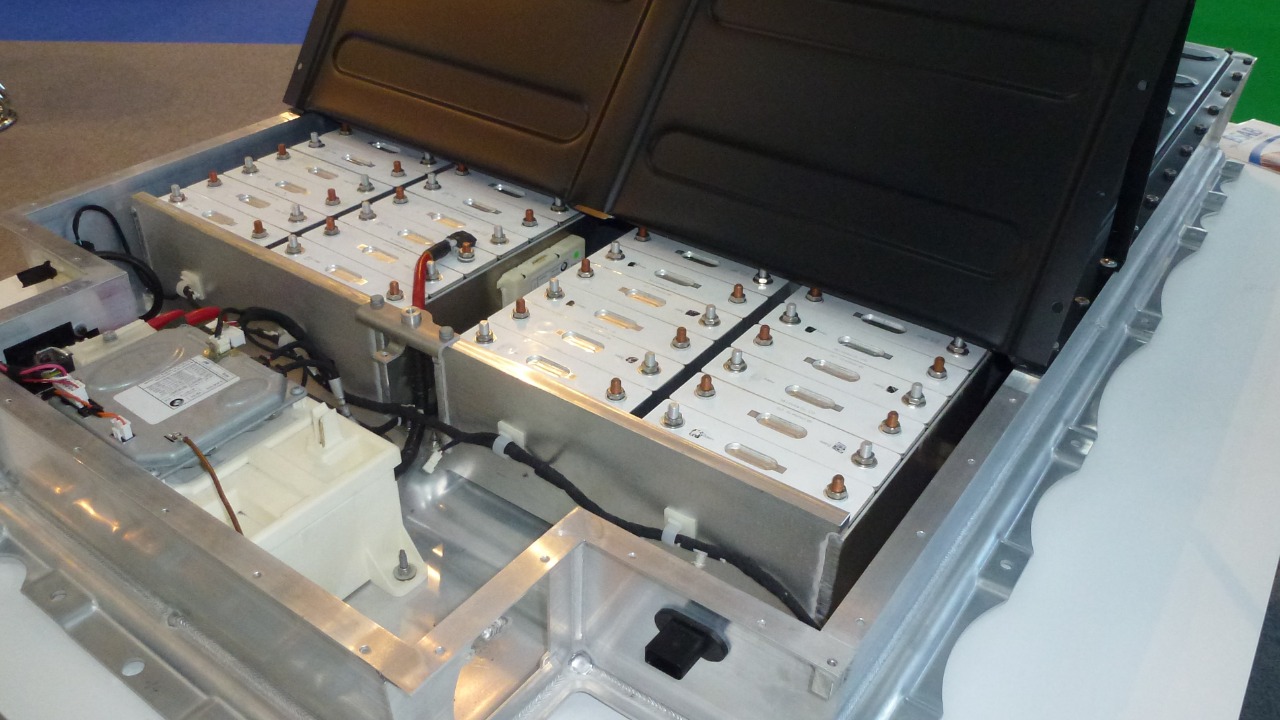

Electric vehicles have long forced drivers to choose between fast charging and long battery life, with high currents blamed for premature degradation. A new wave of research and commercial prototypes is starting to overturn that trade off, pointing to battery chemistries, cooling systems and charging strategies that can cut wait times while extending how long packs last on the road. The result is a quiet race to define the next generation of EV batteries that charge in minutes yet survive hundreds of thousands of miles.
At the center of this shift is a deceptively simple idea: if engineers can control what happens inside cells during the most stressful moments, especially the first few charges and repeated fast sessions, they can tame the damage that used to be inevitable. From formation “tricks” in the lab to silicon anodes, solid and quasi solid electrolytes and radically redesigned cooling hardware, the industry is converging on technologies that promise both quicker pit stops and longer pack lifespans.
Why fast charging and long life have always clashed
For years, battery engineers have treated ultra rapid charging as a necessary evil, useful for convenience but inherently harmful to cell health. High current pushes lithium ions into the anode faster than the material can safely absorb them, which encourages plating, heat buildup and structural damage that shorten usable life. Technical reviews of fast charging innovations underline that heat management is a significant challenge, since the high currents involved can accelerate degradation and reduce lifespan if they are not tightly controlled.
That tension has shaped how most current EVs are designed and marketed, with automakers often capping peak charge rates to protect packs and warranty budgets. Academic work on Effective thermal management stresses that Excessive heat accelerates the loss in capacity and power output over time, which is why today’s battery management systems throttle power when temperatures climb. The result is a familiar compromise for drivers: accept slower charging to preserve longevity, or push the pack hard and risk earlier range loss.
The counterintuitive “first charge” breakthrough
One of the most intriguing challenges to that old logic comes from work that treats the very first charge as a powerful lever. Instead of babying new cells, researchers have shown that a carefully controlled high current during formation can reshape the internal structure in ways that make the battery more robust. A report on a New High Current Charging Technique Could Extend EV Battery Life By 50% describes how this Technique challenges the traditional assumption that gentle initial charging is always better.
In parallel, work at Stanford has highlighted how a 20 minute high current first charge can also extend life by 50% by deliberately Deactivating some lithium ions to create a more stable interface. Instead of treating every ion as precious, the team accepts a small sacrifice in initial capacity to gain a much more durable structure, a trade that looks attractive when drivers care more about years of reliable range than squeezing out the last fraction of energy on day one.
Formation strategies meet real world manufacturing
These formation tricks are not just academic curiosities, they are starting to influence how commercial cells are made. Industrial guidance on Initial Charging Conditions Charging batteries at higher currents during the initial formation process notes that this can significantly enhance performance and lifespan, echoing the lab results. For manufacturers, the appeal is clear: a one time tweak in the factory could unlock years of better behavior in the field without changing pack size or vehicle design.
There are still practical hurdles, from ensuring uniform current distribution across thousands of cells to validating that the gains hold up under varied driving patterns. Yet the convergence between the Aug work on a New High Current Charging Technique Could Extend EV Battery Life By 50% and the Aug results from Stanford that also report a 50% boost suggests that formation engineering is becoming a serious tool in the EV playbook. If scaled, it could let automakers advertise faster charging profiles without paying as steep a penalty in warranty claims.
Silicon anodes and the 600,000 mile promise
Alongside smarter charging, new materials are attacking the problem from inside the cell. Silicon rich anodes store far more lithium than traditional graphite, which can translate into higher energy density and better performance at high currents if the swelling and cracking challenges are managed. A Washington based company highlighted in a report on a Silicon battery breakthrough has claimed cells that could double EV range and last 3,000 cycles, with SCC55 described as an elegant and stable combination of silicon and carbon. If those 3,000 full cycles are realized in vehicles, they would support hundreds of thousands of miles of driving even under frequent fast charging.
Another example comes from StoreDot, which has used its current electrolyte and silicon anode know how to build a 600,000-mile EV battery that aims to make range anxiety a thing of the past. Technical notes from Battery technology specialists explain that Anodes made from silicon can deliver much higher lithium ion capacities and better conductivity than graphite, which helps both energy density and fast charge acceptance. Combined with smarter formation and cooling, these chemistries are central to the idea that drivers could enjoy both rapid top ups and decade long pack durability.
Extreme fast charging and the cooling revolution
Even the best materials will fail if they overheat, which is why thermal management is becoming as important as chemistry in the race to cut charge times. British startup Hydrohertz has put cooling at the center of its pitch, unveiling what it calls a world first breakthrough in EV battery thermal management that promises 10 minute charging. The company’s system, detailed in a report on Hydrohertz, uses a simplified coolant architecture that avoids the complexity of multiple valve arrays while keeping cell temperatures tightly controlled.
A companion look at the same British effort notes that a British startup Hydrohertz has created a Radical new British designed battery cooling technology, called Dectravalve, that aims to slash charging times and boost battery range by keeping a uniform temperature across the pack. A separate report on New EV Battery Tech Enables Ultra Fast 10 Min Charging from LONDON reinforces that Hydrohertz is positioning itself as a leader in advanced automotive thermal systems by developing an entirely new pack architecture around this cooling concept. If it works as advertised, it could let cells accept extreme currents without the Excessive heat that usually destroys longevity.
StoreDot, Tesla and the 5 minute benchmark
Cooling is also central to the most aggressive fast charging claims from StoreDot, which has been working on what it calls extreme fast charging cells. Technical coverage of its I BEAM concept notes that Central to the BEAM XFC concept lies a proprietary 100in5 cell technology that can add significant miles of range in just 5 minutes by combining tailored chemistry with advanced cooling. The design integrates coolant channels directly into the pack structure, reducing thermal gradients that would otherwise limit how hard the cells can be pushed.
Automakers are paying attention. A feature on how Tesla Explores StoreDot’s Extreme Fast Charging Batteries Tesla explains that the renowned electric vehicle manufacturer is evaluating the battery technology developed by Israeli startup StoreDot for potential use in future models. If companies like Tesla adopt 100in5 style cells, it would signal that extreme fast charging is moving from demonstration to mainstream, provided the long term durability matches the marketing.
Solid and quasi solid state: safer, denser, faster
While liquid electrolyte lithium ion dominates today, solid and quasi solid state designs are edging closer to production with promises of higher energy density and improved safety. Industry analysis of From The Lab To The Real World notes that For the longest time, solid state technology was confined to isolated lab cells, but is now being scaled by companies that specialize in solid state batteries. These designs replace flammable liquid electrolytes with solid materials that can tolerate higher voltages and potentially allow faster charging without the same risk of runaway reactions.
Complementing that push, a manufacturing partnership is bringing Quasi solid state batteries closer to market, with a New thermal management system that promises faster charging and improved safety. A broader overview of Solid state batteries shaping the future of electric vehicles argues that You will see new chances for EV range, safety and charging advances as these cells mature, changing how you travel and use devices. If solid and quasi solid packs can accept high currents with less heat and side reactions, they could naturally support both rapid charging and long service life.
Algorithms, infrastructure and the system level fix
Hardware is only part of the story. Smarter software and infrastructure are emerging as quiet enablers of faster charging that does not punish batteries. Technical commentary on Fast charging challenges points out that higher heat production and the risk of deterioration can be mitigated by better cooling systems, thermal management and battery management algorithms that adapt current in real time. Academic work on Effective pack life extension techniques reinforces that Excessive heat must be avoided through coordinated control of coolant flow, cell balancing and charging profiles.
On the grid side, planners are preparing for a world where ultra fast chargers are common. A consumer facing explainer on Faster Charging with New Infrastructure notes that Next generation stations are being designed to handle ultra fast charging speeds while smoothing their impact on the grid, so the experience for drivers is getting smoother and faster. Policy oriented coverage of Electric Vehicle Technology Trends highlights Innovations in Electric vehicle battery technology as one of the key levers for wider adoption, alongside smarter charging networks that support both convenience and grid stability.
Solid state pilots, national tests and industry momentum
Evidence that these ideas are moving beyond prototypes is starting to show up in national testing programs and early vehicle deployments. A weekly analysis of solid state progress reports that Dec national test results for solid state batteries were as expected, with On the downstream application side, Dongfeng and FAW moving ahead with strategic settlements and real vehicle deliveries. That combination of lab validation and on road trials suggests that solid state packs are edging closer to mainstream use, even if volumes remain limited for now.
Broader industry commentary on From The Lab To The Real World emphasizes that For the longest time, solid state cells were stuck in research, but are now being scaled by companies that specialize in solid state batteries for automotive use. A separate overview of New Tech promising faster charging and longer lasting EV batteries notes that Two breakthrough technologies could allow packs to charge in 10 minutes and last much longer, combining advanced chemistries with extreme fast charge capability. Together, these reports point to a sector that is no longer just talking about the future, but actively testing it on public roads.
How automakers are packaging the next wave
Automakers and battery suppliers are already sketching how these technologies will show up in showroom vehicles. A corporate explainer on Anodes and new EV battery tech describes how silicon rich designs can be tailored for different segments, with high energy versions for long range sedans and high power variants for performance models that prioritize fast charging. Consumer guides on Next generation batteries stress that drivers can expect shorter charging stops and more durable packs as these chemistries filter into mainstream models over the next product cycles.
At the same time, high profile figures are helping to frame expectations. A widely viewed video in which Elo discusses 3 battery tech breakthroughs for 2025 frames the year’s EV battery breakthroughs as rewriting what we know about speed, endurance and longevity in EVs, even if some specific claims remain Unverified based on available sources. Policy and consumer focused coverage of Innovations in Electric vehicle technology underscores that these advances are arriving just as incentives and infrastructure investments are expanding, which could accelerate adoption if the promise of both faster charging and longer life holds up in daily use.
More from MorningOverview