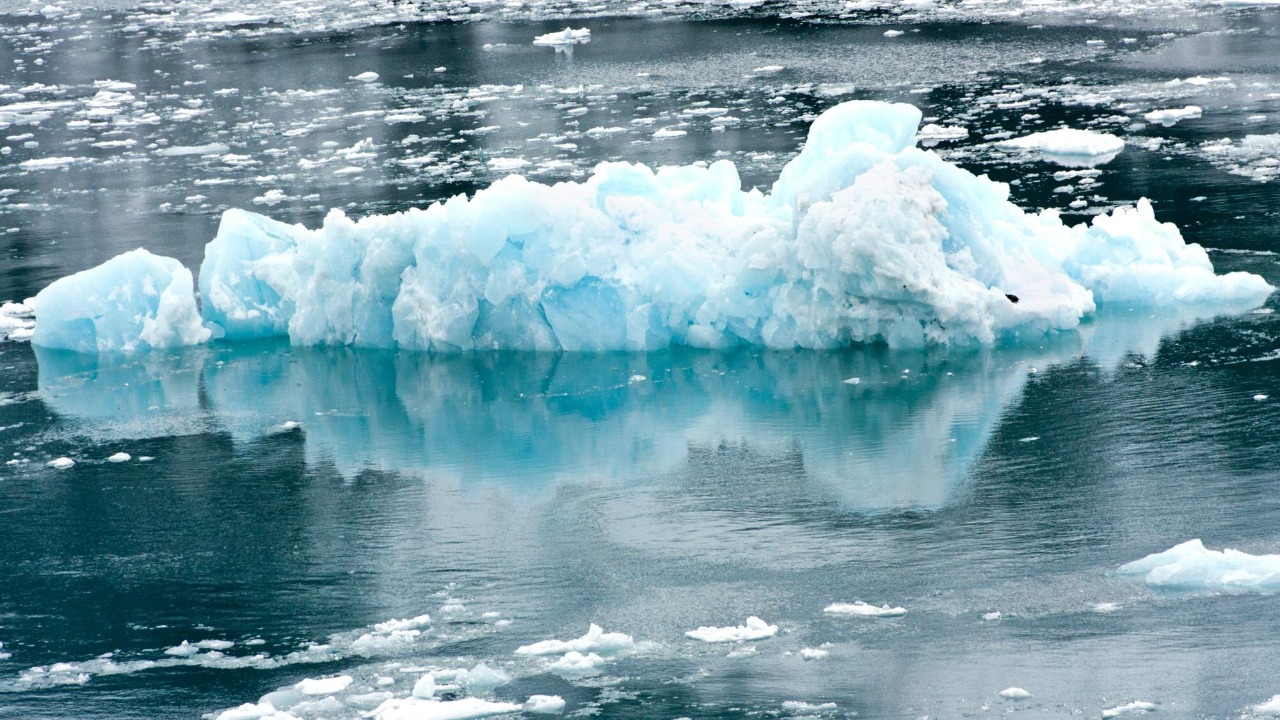

Scientists are increasingly blunt about what lies ahead: the climate is edging toward thresholds that, once crossed, will lock in damage for generations and accelerate the very warming that caused the crisis. Instead of a slow, linear rise in risk, they describe a world where impacts can suddenly compound, turning today’s record heat, floods, and ecosystem losses into a far more volatile new normal. The warning is not abstract, it is rooted in specific planetary systems that are already starting to fail.
At the same time, researchers stress that this is not a story of inevitability. The same physics that makes some tipping points dangerous also means rapid cuts in pollution and fast deployment of cleaner technologies can trigger positive shifts in energy, land use, and public health. The choice, as they frame it, is whether societies act before those critical thresholds are fully breached or wait until the damage is both worse and harder to reverse.
What scientists mean by a climate tipping point
When researchers talk about a climate tipping point, they are describing a boundary in the Earth system where gradual pressure suddenly gives way to rapid, often irreversible change. Instead of each extra fraction of a degree of warming having a similar effect, crossing a tipping point can unleash feedback loops that amplify the original disturbance, such as melting ice that exposes darker ocean water, which then absorbs more heat and melts even more ice. In that sense, the concern is not only how hot the planet gets, but how the planet behaves once key thresholds are passed.
Recent assessments frame these thresholds as part of a broader pattern of transformative shifts that could affect lives and ecosystems worldwide. Researchers examining these dynamics describe how multiple subsystems, from ice sheets to rainforests, can flip into new states if warming continues, with some studies warning that transformative changes impacting lives and ecosystems worldwide are already under way. The core message is that these are not distant, theoretical risks, they are emerging features of the climate we are now entering.
The planet’s first catastrophic tipping point has already been crossed
One of the starkest signals that the world has moved beyond warning signs into lived tipping points is the condition of tropical coral reefs. Scientists now argue that the planet’s first catastrophic climate tipping point has been reached, with coral reefs facing what they describe as “widespread dieback” as heatwaves bleach and kill the very structures that support marine life. This is not a marginal loss, it is a fundamental shift in some of the most biodiverse ecosystems on Earth.
In a major synthesis of risks, researchers highlight how this coral collapse is unfolding alongside mounting threats to ice sheets and the Amazon rainforest, painting a picture of a climate system where multiple elements are under simultaneous stress. The analysis warns that the world is already seeing the consequences of global heating in the form of coral reefs facing widespread dieback alongside the loss of ice sheets. Once these ecosystems cross their respective thresholds, the damage is expected to persist even if temperatures later stabilize.
Coral reefs as a warning system for the rest of the planet
Coral reefs are often described as the canary in the coal mine for the climate crisis, and the latest science suggests that alarm is already blaring. Researchers examining “Change No” in a series of looming climate shifts warn that Coral reefs could be gone forever if current warming trends continue, with evidence that the tipping point for these systems “may have already begun.” The description of “Widespread” bleaching and mortality is not just a scientific label, it reflects the lived reality of coastal communities that depend on reefs for food, tourism, and storm protection.
As reefs die, the impacts ripple outward. Fisheries that rely on complex coral structures lose habitat, coastal villages lose natural breakwaters that blunt storm surges, and entire cultures tied to reef ecosystems face upheaval. Scientists emphasize that this is one of three massive changes that signal the arrival of an increasingly hotter planet, grouping coral collapse with glacier loss and destabilized carbon stores as part of a broader pattern of accelerating risk. In that sense, the fate of Coral reefs is both a tragedy in its own right and a preview of how other systems may respond once their own thresholds are crossed.
Global heat records show how close we are to critical thresholds
The physical backdrop to these tipping point warnings is a planet that keeps breaking temperature records. Climate monitors report that 2025 is currently tied with 2023 to be the second warmest year on record, with November ranked as the third warmest month ever measured. The global average temperature anomaly over the preceding twelve months has pushed the climate system closer to the 1.5 degree benchmark that scientists use as a rough guide to dangerous warming.
These figures are not just statistical curiosities, they are a measure of how much extra energy the atmosphere and oceans are holding, and therefore how much stress is being placed on ice sheets, forests, and oceans. The data show that the global average temperature anomaly has made 2025 currently the second warmest year, underscoring why researchers say the window to avoid the most destabilizing tipping points is narrowing. Each additional fraction of a degree increases the odds that vulnerable systems will cross into new, less predictable states.
Cascading failures: when one tipping point triggers another
Scientists are not only worried about individual thresholds, they are increasingly focused on how one tipping point can trigger others in a chain reaction. A major assessment known as the Global Tipping Points Report warns that humanity is on the verge of “Scientists Warn of Cascading Climate System Failures,” highlighting how disruptions in one part of the climate can reverberate through others. Among the concerns is the potential weakening of the Atlantic Ocean circulation, which helps regulate weather patterns across Europe, Africa, and the Americas.
Another branch of the same research warns that if current melting trends continue, it could cause irreversible sea level rise measured in several meters, driven by the long term loss of the polar ice sheets. The analysis notes that Scientists Warn of the destabilization of the polar ice sheets, which would not only flood coastal cities but also alter ocean circulation and regional climates. In this view, tipping points are less like isolated cliffs and more like a network of dominoes, where pushing one over can set others in motion.
Glaciers, rainforests, and the risk of runaway feedbacks
Beyond coral reefs and polar ice, researchers are tracking how glaciers and rainforests are edging toward their own critical thresholds. One analysis highlights a New Forecast Reveals When Thousands of Glaciers Will Disappear, Highlighting Urgent Need for Climate Action, underscoring how mountain ice that feeds rivers and supports agriculture is shrinking. As glaciers vanish, downstream communities face more erratic water supplies, with too much meltwater in the short term and too little in the long term.
Rainforests, particularly the Amazon, are also under scrutiny as potential tipping elements. Scientists warn that if deforestation and warming continue, large swaths of rainforest could shift toward a drier, savanna like state, releasing vast amounts of stored carbon and weakening one of the planet’s key natural buffers against climate change. This combination of glacier loss and rainforest degradation is central to the concern that feedbacks could become self reinforcing, making it harder to stabilize the climate even if emissions fall later.
Researchers say some tipping points are already being surpassed
In a separate line of work, a group of researchers has concluded that several climate tipping points are not just approaching but are already being surpassed. Their report describes how, between key temperature thresholds, multiple systems show signs of crossing into new regimes, from thawing permafrost to destabilizing ice. The authors characterize some of these shifts as “highly uncertain” in terms of exact timing, but clear in terms of direction and risk.
The same analysis, summarized under the banner that Climate ‘tipping points’ are being surpassed, stresses that uncertainty is not a reason for delay. Instead, the researchers argue that the possibility of abrupt shifts should push policymakers toward faster, more precautionary action, rather than waiting for perfect forecasts. In their view, the cost of acting too late far outweighs the cost of acting too soon.
Voices from the front lines of climate science
Individual scientists are also raising alarms in more personal terms, drawing on their own research and regional experience. At Boğaziçi University, climate director Levent Kurnaz has warned that rising temperatures are pushing Earth’s vital systems toward collapse, emphasizing that what once seemed like distant scenarios are now unfolding within a single human lifetime. His message is that the abstract graphs of global averages translate into concrete shifts in rainfall, heatwaves, and sea levels that people can already feel.
These warnings from the University and other institutions are not simply academic exercises, they are attempts to connect complex Earth system science with decisions being made in parliaments, boardrooms, and households. By framing the problem as one of tipping points rather than gradual change, researchers like Levent Kurnaz aim to convey both the urgency and the stakes: delay does not just mean more of the same, it risks crossing thresholds that fundamentally change what Earth can sustain.
UN and global assessments warn impacts will “dramatically worsen”
Large scale environmental assessments are echoing these individual warnings, describing a world on the brink of more severe and intertwined crises. A comprehensive United Nations review of the global environment concludes that the state of nature is deteriorating in ways that will “Will dramatically worsen” if current trends continue, particularly as climate change interacts with pollution, habitat loss, and overexploitation of resources. The report stresses that these pressures do not act in isolation, they combine to erode the resilience of societies and ecosystems.
The same assessment warns that the world is heading toward “Cascading and compounding” adverse socioeconomic effects, from food insecurity to displacement, as climate tipping points intersect with social vulnerabilities. It frames the situation as a critical tipping point for human development itself, arguing that without rapid course correction, gains in health, education, and poverty reduction could be reversed. The language is stark, with Scientists warning that cascading and compounding adverse socioeconomic effects are likely if environmental decline continues unchecked.
How close we are to 1.5°C, and why that number matters
Underlying many of these warnings is a simple but consequential figure: 1.5°C. That is the level of global warming, relative to preindustrial times, that governments have pledged to try to limit in order to reduce the risk of the most dangerous climate impacts. According to a recent global report, warming is now approaching this threshold, with multiple lines of evidence suggesting that the planet is already experiencing conditions that were once expected only at higher temperature levels.
The same analysis notes that The planet is crossing climate tipping points as it nears 1.5°C, and that understanding these points is crucial to avoid irreversible damage. In practical terms, this means that every fraction of a degree matters, and that policies which shave even a few tenths of a degree off future warming can make the difference between stressed but functioning systems and outright collapse. The number is not a magic line where safety suddenly gives way to disaster, but it is a useful marker of how narrow the remaining margin for error has become.
Technology, AI, and the race to trigger positive tipping points
While much of the discussion focuses on negative tipping points, some researchers argue that societies can also trigger positive ones, especially in the energy system. One analysis points out that the positive tipping point for the energy transition already exists, because renewable energy is now cheaper than fossil fuels in many markets. The challenge, as the authors see it, is to align policy and investment with this economic reality so that clean technologies scale fast enough to bend the emissions curve.
At the same time, they caution against relying on energy intensive tools that could slow that transition. In particular, they argue that using energy hungry AI to detect climate tipping points undermines the transition if it increases demand for fossil fueled electricity without delivering commensurate benefits. Their broader point is that technology alone will not save the climate, it must be paired with the “actual political choices required” to phase out pollution and protect vulnerable communities.
Why scientists say the next few years will decide how bad it gets
Across these studies and warnings, a common thread emerges: the world is not yet locked into the worst outcomes, but the window to avoid them is closing fast. Researchers emphasize that the pace and scale of emissions cuts over the next decade will largely determine how many tipping points are crossed, how severe the cascading impacts become, and how much room remains for adaptation. In their view, the choice is between a future where climate shocks are frequent but manageable and one where they spiral into overlapping crises.
That is why multiple scientific teams, from those documenting coral dieback to those modeling glacier loss and ocean circulation, are urging immediate and effective action rather than incremental steps. Their message is that the planet is already showing signs of strain, from the first catastrophic tipping point in coral reefs to the approach of 1.5°C, and that waiting for clearer signals risks locking in changes that “Will dramatically worsen” living conditions for billions of people. As one summary of these warnings put it, Scientists issue a stark warning as the world nears a critical tipping point, and what happens next depends on decisions being made right now.
More from MorningOverview