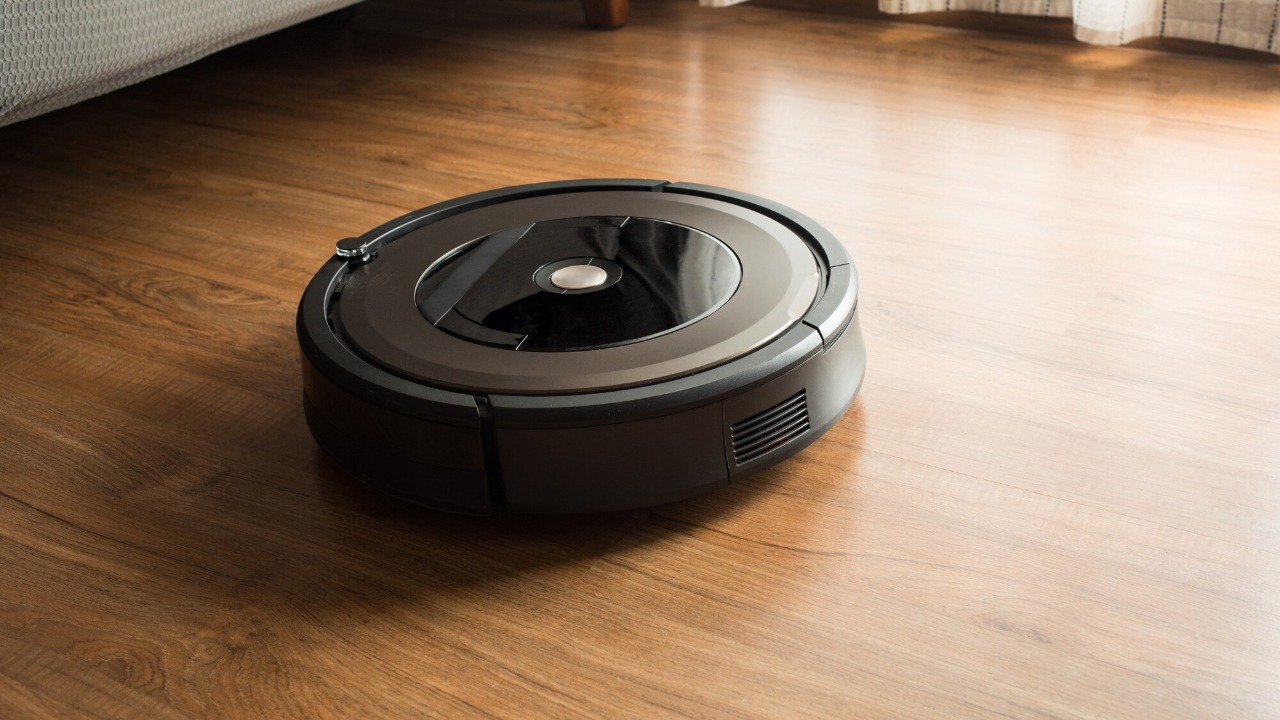

iRobot’s bankruptcy has turned a familiar household helper into a source of anxiety, as Roomba owners suddenly have to think about what happens when the company behind their robot vacuum is in court fighting for survival. The filing does not mean every Roomba will grind to a halt overnight, but it does raise concrete questions about software, spare parts, warranties, and who will ultimately control the data these devices collect in people’s homes. I want to walk through what is actually known so far, what is still uncertain, and how owners can protect themselves while the company restructures.
What iRobot’s bankruptcy actually changes right now
The most important point for current owners is that iRobot has not shut down its operations. The company has filed for Chapter 11, a form of bankruptcy that is designed to let a business keep running while it reorganises its debts and sells assets, rather than liquidating everything at once. Reporting on the case stresses that the company that makes the Roomba robot vacuum has filed for bankruptcy protection but is still shipping products, maintaining its headquarters in Bedford Massachusetts, and keeping its existing devices online while it works through the court process and a planned sale.
For people who already own a Roomba, several analyses converge on the same short term message: your robot should keep doing its daily cleaning runs. One detailed breakdown of iRobot Bankruptcy: What It Means for Your Roomba notes that, Despite the bankruptcy filing, the devices in homes are expected to keep operating normally in the short run, with no immediate change to basic cleaning performance or navigation behaviour. Another explainer framed it even more bluntly, telling owners that if they already have a Roomba they should breathe, because the filing itself does not flip a switch that disables vacuums sitting on living room floors.
Why iRobot ended up in Chapter 11
To understand the risks ahead, it helps to know why iRobot ended up in court at all. The company’s financial problems have been building for years, with revenue sliding as cheaper rivals crowded the market and a planned sale to a larger tech buyer fell apart under regulatory pressure. One analysis of Why iRobot filed for bankruptcy describes a long period of declining revenue and rising competition that left the company struggling to fund new products while defending its premium pricing against lower cost robot vacuums that could clean reasonably well for less money.
Another reconstruction of how iRobot lost its way home points to strategic missteps as well as market pressure. As The Verge is cited in that reporting, even before the bankruptcy, iRobot was already cutting staff and scaling back experimental projects as it tried to stabilise its core Roomba business. By the time the Chapter 11 paperwork was filed, the company was also negotiating a sale to a contract manufacturer, a move that would shift it from being an independent consumer brand to a business effectively controlled by its main factory partner.
The Picea deal and the “Final Chapter” for Roomba
The bankruptcy is not happening in isolation, it is tied directly to a plan to sell iRobot to a Chinese manufacturing partner. In its own press material, the company said it was selling itself off to Picea Robotic, a China based robotics company that has long been involved in building Roombas. Coverage of iRobot’s Final Chapter: A Chinese Takeover explains that the restructuring agreement envisions iRobot emerging from Chapter 11 under the control of this Chinese Takeover, with creditors and the new owner sharing in whatever value is left after years of financial strain.
Separate reporting on what the iRobot bankruptcy means for Roomba owners notes that, after a deal to sell the company to the China based robotics company Picea, executives have been trying to reassure customers that product support will continue and that the brand will not simply vanish. A more consumer focused Q&A on Just bought a new Roomba? iRobot CEO promises customers that takeover won’t affect product support quotes the chief executive saying that, Last week, we learned that Roomba maker iRobot had been taken over by Chinese contract manufacturing company Picea, and that it is business as usual, with the app working and warranties being honoured while the products will continue to be sold under the familiar name.
Will your Roomba and its app keep working?
For most owners, the first fear is simple: Will my Roomba stop working. In its public statements around the filing, iRobot has said its devices will run as usual despite the bankruptcy, and that the Roomba app, mapping features, and smart home integrations are expected to keep functioning while the restructuring is underway. A detailed explainer that asks Will Your Roomba App and Mapping Features Still Work emphasises that the company has every incentive to keep cloud services online during the transition, because any visible outage would damage the value of the brand it is trying to sell.
That reassurance is echoed in consumer facing coverage that walks through what iRobot’s bankruptcy means for your Roomba right now, which notes that owners might see occasional navigation hiccups or battery health issues as their devices age, but those are normal wear and tear problems rather than symptoms of the court process. A separate guide on iRobot Bankruptcy: What It Means for Your Roomba underlines that, Despite the legal turmoil, the robots are designed to operate autonomously on local software for basic cleaning, so even if cloud features were disrupted later, a Roomba could still drive around and vacuum floors on a schedule.
The cloud risk: what happens if servers or integrations change
The more subtle risk sits in the cloud. Modern Roombas rely on remote servers for account management, detailed maps, and integrations with platforms like Alexa, Google Home, and Home Assistant. A deep dive into iRobot’s bankruptcy could change your Roomba forever warns that, while the company intends to keep services running, Chapter 11 can lead to changes in priorities that might affect long term support for third party integrations and firmware updates, especially if the new owner decides to streamline features that do not directly drive sales.
Another analysis of What Could Fall Apart if Things Change with Cloud Services spells out the worst case scenario: if a future owner decided to shut down or radically alter the cloud infrastructure, any Roomba that depends heavily on those servers could lose advanced mapping, app based control, or smart home routines, even if its basic motors and sensors still work. That concern is already being debated in enthusiast communities, where one thread titled What does iRobot’s bankruptcy mean for us notes that iRobot said the bankruptcy is not expected to disrupt its app functionality, but users are still weighing backup plans in case a restructuring leads to a more limited or paywalled service.
Warranties, repairs, and spare parts in a restructuring
Beyond software, owners have to think about the physical life of their robots. Brushes wear out, batteries degrade, and sensors fail, and historically iRobot has sold official replacement parts and offered repairs through its own channels and authorised partners. A consumer oriented breakdown of What This Means for iRobot Customers stresses that, under the current plan, warranties will continue to be honoured and customer support will remain available while the company reorganises, because Chapter 11 is designed to let the company reorganise without ceasing operations.
Another overview of Roomba Owners Alarmed: Will Support Continue After Maker’s $1B Bankruptcy frames it similarly, explaining that What This Means for Your Roomba is that, Instead of shutting down entirely, the bankruptcy gives the company room to reorganise without ceasing operations, which in practice means warranty claims and parts orders should still be processed. At the same time, the reporting notes that long term availability of specific components will depend on how the new owner rationalises the product line, so owners of older models may want to consider buying spare filters, side brushes, and batteries while they are still easy to find.
How the bankruptcy affects new buyers and the wider robot vacuum market
The uncertainty around iRobot is already reshaping the broader robot vacuum landscape. Roombas are an extremely popular brand of robot vacuum cleaners, and one market analysis notes that iRobot holds a commanding 42 percent market share in the category, which means any wobble in its product roadmap or support policies will ripple across retailers and rivals. A report on Roomba maker iRobot has filed for bankruptcy points out that the company could be facing bankruptcy after a long period of strain, and that competitors have seen this coming from a mile away and are positioning their own devices as safer long term bets.
For shoppers who are still considering a Roomba, the calculus is more complicated than it was a year ago. On one hand, the company and its new owner are signalling that next year’s Roomba robots are currently in development and that they will continue occupying their headquarters in Bedford Massachusetts, as explained in a video analysis titled iRobot is Bankrupt! What Does it Mean for Roomba. On the other hand, buyers now have to weigh that promise against the possibility of future changes in app features or data policies under Picea, and some may decide to look at alternatives from brands like Shark and Anker that are not in Chapter 11, a point raised in consumer guidance that asks Will my Roomba stop working and compares the situation with other devices like Shark and Anker.
Data, privacy, and who controls your home maps
Roombas do not just clean, they also map the layout of homes and, in some models, capture limited imagery to improve navigation. That data has always raised privacy questions, and the shift to a new owner in a different jurisdiction adds another layer of concern. A feature on why you should remember the Roomba, even after iRobot is kaput notes that, In its iRobot press release, the company said that by selling itself to Picea Robotic it expects that users won’t face any immediate service disruptions, but it did not spell out in detail how data governance might change once the Chinese based owner is in full control.
Another piece on what the iRobot bankruptcy means for Roomba owners highlights that the new parent is a China based robotics company Picea, and that regulators and privacy advocates are likely to scrutinise how home layout data, cleaning logs, and user accounts are handled after the acquisition closes. For now, the company is emphasising continuity and compliance with existing privacy policies, but owners who are particularly sensitive about data may want to review their app settings, limit sharing features, or even consider using models that store maps locally rather than relying heavily on the cloud.
What owners can do now to protect their investment
While the legal and corporate manoeuvring plays out, Roomba owners are not powerless. One practical step is to make sure each robot is fully set up with local schedules and cleaning preferences so that it can operate even if the app or cloud services experience temporary issues. Enthusiast discussions in communities like the thread asking What does iRobot’s bankruptcy mean for us suggest that some users are already experimenting with integrating their Roombas into platforms like Home Assistant in ways that minimise dependence on iRobot’s own servers, though any such tinkering should be approached carefully to avoid voiding warranties.
Another sensible move is to stock up on consumables and, for older models, critical spare parts while they are still widely available from major retailers. Replacement filters, brushes, and batteries for popular Roomba lines are still easy to find on large marketplaces such as Amazon, and buying a modest reserve now can extend the useful life of a robot even if future corporate decisions make official parts harder to source. For owners who are still within their warranty window, it is also worth keeping purchase receipts and registration details handy, since the company and its new owner have publicly committed to honouring those obligations during the restructuring.
How long term Roomba support could evolve
Looking further ahead, the key question is not whether Roombas will keep working this month, but what the product and its ecosystem will look like in a few years under new ownership. A forward looking analysis of iRobot Files for Bankruptcy: What This Means for Roomba users suggests that, while basic cleaning and app control are likely to remain, there could be shifts in how often firmware updates arrive, which older models continue to receive new features, and how aggressively the company pushes subscription style services or accessories to boost revenue. The same piece notes that third party integrations and firmware updates are particularly vulnerable if the new owner decides they do not directly contribute to profitability.
At the same time, some reporting is cautiously optimistic that a well capitalised manufacturing owner could stabilise the brand and even accelerate hardware development once the debt overhang is cleared. A consumer Q&A on What iRobot’s bankruptcy means for your Roomba right now argues that, if the restructuring goes as planned, future Roombas could benefit from tighter integration between design and manufacturing, potentially delivering better performance at lower cost. For now, though, the only firm commitments are that existing devices will keep running, that warranties will be honoured, and that the company will continue to communicate with customers through its app and support channels while the Chapter 11 process and the sale to Picea move toward their final chapter.
For anyone trying to keep track of the story, it is worth remembering that the situation is still fluid. Early coverage flagged that iRobot could be facing bankruptcy and that the warning signs were visible long before the filing, as noted in a retrospective that mentions how observers saw the strain coming from a mile away. More recent updates have focused on reassuring owners that it is business as usual, with the app working and warranties being honoured, as the CEO stressed in his message to customers. Between those two poles sits the reality that a beloved consumer brand is being reshaped in court and in boardrooms, and Roomba owners will need to stay informed, keep an eye on software updates and policy changes, and be ready to adapt if the next phase of the company’s life brings more than just a new logo on the box.
For prospective buyers, the safest approach is to treat iRobot’s current models as what they are: capable robot vacuums backed by a company in transition. Reviews and analyses, including a detailed breakdown of iRobot Declares Bankruptcy: What It Means for Roomba and a consumer focused guide to iRobot Files for Bankruptcy: What This Means for Roomba, stress that the core cleaning performance of these devices remains strong, and that the bankruptcy is about corporate finances rather than a sudden collapse in product quality. At the same time, they advise weighing the potential for future changes in app features, cloud services, and data policies against the stability offered by rival brands that are not navigating Chapter 11, and making a choice that reflects both current needs and comfort with uncertainty.
For those who already have a Roomba humming away at home, the most realistic outlook is a mix of continuity and caution. The robots will keep cleaning, the app will keep scheduling, and the maps of living rooms and kitchens will keep updating as long as iRobot and its new owner see value in maintaining that infrastructure. Yet the bankruptcy and the sale to a China based robotics company Picea, framed in some coverage as iRobot’s Final Chapter: A Chinese Takeover, are reminders that even the most familiar gadgets are ultimately tied to corporate decisions far beyond the living room. Staying informed, backing up what you can, and planning for contingencies is the best way to make sure your Roomba remains a helpful roommate rather than an expensive paperweight as the company behind it writes its next chapter.
More from MorningOverview