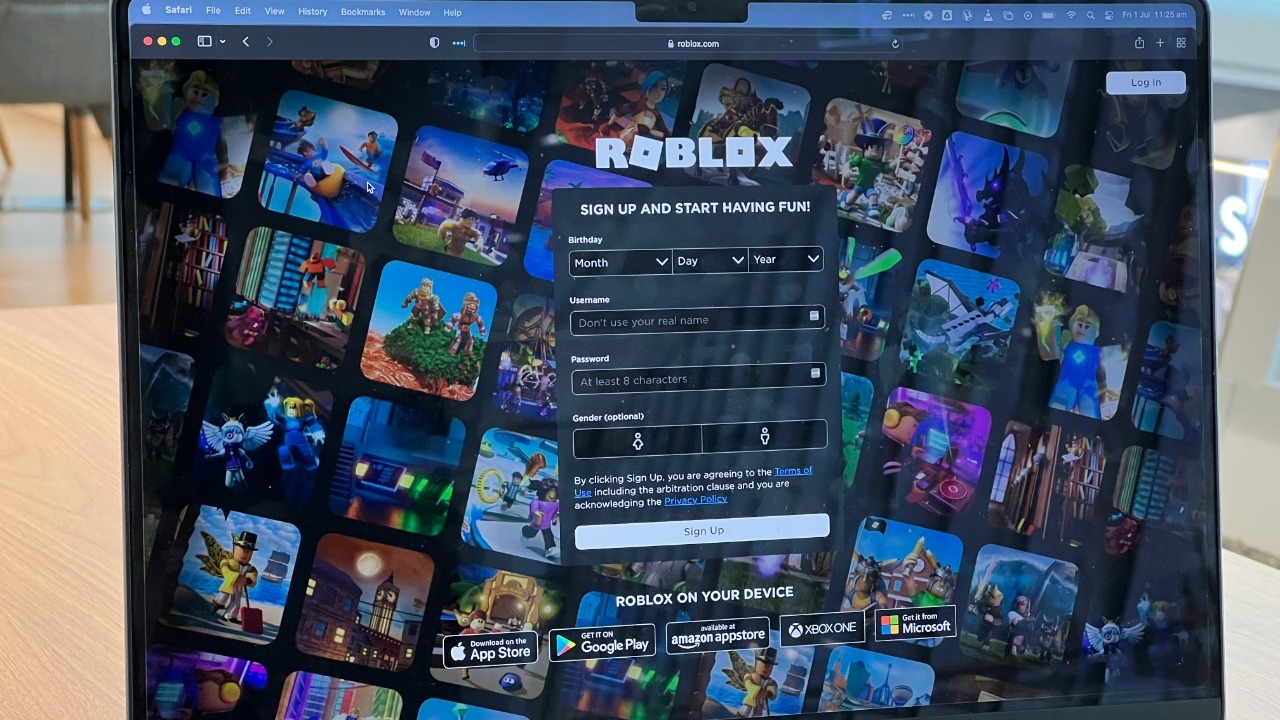

Russia has moved to block access to Roblox, accusing the children’s gaming platform of spreading “extremist” material and LGBTQ “propaganda” that it claims could harm minors. The decision instantly cuts Russian users off from one of the world’s most popular virtual worlds and folds a kids’ game into the country’s broader culture war over sexuality, gender and political dissent.
The ban lands at the intersection of online safety, state censorship and queer visibility, turning a platform best known for blocky avatars and user-made obstacle courses into a flashpoint in Russia’s tightening control of the internet. It also sends a clear signal to other Western tech companies that anything touching LGBTQ themes or unmoderated speech can be recast as a threat to “traditional values.”
How Russia’s Roblox ban unfolded
Russian authorities framed the move against Roblox as a straightforward enforcement of domestic law, but the speed and breadth of the block show how deeply politics now shapes access to global platforms. Officials announced that access to the American gaming platform would be restricted nationwide, presenting the decision as a protective measure for children rather than a crackdown on digital expression. In practice, the block means that Russian players can no longer log in to the service, join multiplayer games or participate in the sprawling ecosystem of user-generated experiences that define Roblox.
Regulators justified the decision by claiming that Roblox hosted “extremist material” and content that they described as “LGBT propaganda,” language that aligns with Russia’s expanded bans on any positive depiction or “portrayal of LGBT topics” in media accessible to minors. The authorities argued that such material could undermine what they call the “spiritual and moral development of children,” a phrase that has become a catchall rationale for sweeping restrictions on queer representation and dissenting views online. By casting a global gaming hub as a vector for extremism and LGBTQ influence, the state effectively folded a children’s entertainment platform into its broader security and morality agenda.
What Roblox is, and why it matters in Russia
To understand the stakes, it helps to remember what Roblox actually is: a massive online platform where users, many of them children and teenagers, create and play games built from digital building blocks. The company behind it describes Roblox as a space where people can imagine, build and share immersive 3D experiences, with a business model that relies on user creativity and a virtual currency that powers in-game economies. On its corporate site, the platform highlights its global reach and its focus on safety tools, moderation systems and community standards that are meant to keep young players secure while they explore user-made worlds on Roblox.
In Russia, that model translated into a vibrant community of players and amateur developers who used Roblox to socialize, learn basic coding and experiment with game design. The ban does not just block a single app, it severs Russian users from a global network of peers and from a pipeline of digital skills that can start with building a simple obstacle course and grow into more advanced programming. For children who relied on Roblox as a social outlet or creative canvas, the decision abruptly removes a familiar space and replaces it with a message that their favorite game is now considered dangerous by the state.
Officials invoke “extremism” and LGBTQ “propaganda”
Russian regulators did not limit their criticism of Roblox to vague concerns about screen time or commercial exploitation. Instead, they leaned on the country’s hardened legal framework against “extremism” and LGBTQ visibility, arguing that the platform hosted content that could be interpreted as support for banned organizations or as promotion of non-heterosexual relationships. By tying Roblox to “extremist material,” officials placed it in the same rhetorical category as groups and media they accuse of undermining national security, even though the platform is primarily known for child-friendly games and social hangouts.
The second pillar of the state’s argument focused on what it calls “LGBT propaganda,” a term that Russian law now applies to any positive or neutral depiction of LGBTQ people, relationships or identities in content that might be accessible to minors. Regulators claimed that Roblox contained experiences and user-generated material that fell into this category, and they framed the ban as a way to shield children from what they described as harmful influences. In their telling, the block is less about silencing queer expression and more about enforcing a moral code that prioritizes “traditional” family structures, even when that means cutting off millions of young people from a global digital community.
Russia’s wider crackdown on LGBTQ visibility
The Roblox decision fits neatly into a broader pattern in which Russian authorities have steadily expanded restrictions on LGBTQ representation in media, culture and online platforms. Laws that once targeted “propaganda” directed at minors have been widened to cover virtually any public expression of queer identity, giving regulators broad discretion to label books, films, websites and now games as illegal if they include LGBTQ characters or themes. The language used to justify the Roblox ban, with its emphasis on protecting the “spiritual and moral development of children,” mirrors the rhetoric that has accompanied earlier moves against queer content in television, literature and social media.
In that context, the focus on a children’s gaming platform is less surprising than it might seem. Officials have repeatedly argued that Western media and technology companies are vehicles for values they reject, and they have used the specter of LGBTQ “propaganda” to rally support for tighter controls. By targeting Roblox, regulators can claim they are acting directly to defend minors from what they portray as a coordinated cultural influence campaign, even though the platform’s LGBTQ-related content typically takes the form of inclusive avatars, pride-themed accessories or user-created stories rather than explicit political messaging.
Roblox swept up with Snapchat and FaceTime
Roblox is not the only Western service caught in this latest wave of restrictions. Russian regulators have also moved against Snapchat and FaceTime, presenting the trio as part of a broader ecosystem of foreign apps that allegedly host extremist content and undermine state narratives. Social posts from within the country highlighted that Russia, Roblox, Snapchat and other communication tools were being blocked together, underscoring how entertainment, messaging and video calling platforms are now treated as interconnected fronts in the information space.
Officials have argued that Snapchat and Roblox are used for “terrorist activities,” a claim that folds mainstream apps into the same category as encrypted channels and fringe forums. According to reporting on the decision, regulators said that Russia, Snapchat and Roblox were being restricted because the platforms allegedly facilitated communication and recruitment by banned groups. By pairing those accusations with the language of LGBTQ “propaganda,” the state has effectively merged its security and morality narratives, treating queer visibility and political extremism as parallel threats that justify cutting off access to global apps.
Inside the regulator’s case against a children’s game
At the heart of the ban is Russia’s federal media regulator, which has positioned itself as the guardian of what children see and do online. The agency argued that the children’s gaming platform violated the country’s anti-LGBTQ “propaganda” law, asserting that certain Roblox experiences and user-created content crossed the line into illegal promotion of non-heterosexual relationships. In its explanation, the regulator said that Russia blocks children’s gaming platform Roblox for violating anti-LGBTQ rules that are meant, in its view, to safeguard minors’ development.
The same regulator also cited the presence of “extremist material” on Roblox, though it did not publicly detail specific games or experiences that triggered the designation. Instead, it leaned on the platform’s open, user-generated nature as evidence that it could not adequately prevent the spread of banned symbols, messages or communities. By framing the issue as one of systemic risk rather than isolated violations, the agency gave itself room to justify a full block rather than demanding targeted removals or stricter moderation. That approach reflects a broader trend in which Russian authorities treat Western platforms as inherently suspect, arguing that their design and governance models are incompatible with the country’s legal and moral framework.
How LGBTQ content became a national security issue
One of the most striking aspects of the Roblox ban is how seamlessly LGBTQ content has been folded into the language of national security. Officials did not just say that queer themes were inappropriate for children, they linked them to a broader narrative about foreign influence and cultural destabilization. In their telling, games and social platforms that allow players to express non-heterosexual identities or explore gender diversity are part of a Western project to erode traditional values and weaken social cohesion, a framing that turns personal expression into a geopolitical threat.
Reports on the decision note that Russia Bans Roblox, Says that “LGBT” content on the platform is a danger to children, language that echoes official statements about Western media more broadly. By using the same vocabulary to describe queer visibility and extremist propaganda, the state blurs the line between identity and ideology, making it easier to justify sweeping bans without distinguishing between inclusive storytelling and actual calls to violence. That conflation has profound implications for LGBTQ Russians, who see their existence framed as a security risk, and for global platforms that must decide whether to strip out queer content to remain accessible in the country.
The scale of the cutoff and who is affected
The decision to block Roblox is not a symbolic gesture, it affects a vast user base that spans children, teenagers and adult creators. Reporting on the move notes that Russia Bans Roblox Over LGBTQ Content, Cutting Off 70M users, a figure that underscores how deeply the platform has penetrated global gaming culture. While that number reflects the broader Roblox community rather than just Russian players, it highlights the scale of the ecosystem that is now partially walled off from one of the world’s largest countries.
For Russian users, the impact is immediate and personal. Children who spent years building virtual worlds, collecting items and maintaining friendships through Roblox suddenly find themselves locked out, with little clarity on whether access will ever be restored. Parents who saw the platform as a relatively safe, structured environment for online play are now told that it is a source of extremist and LGBTQ “propaganda,” a stark reframing that may sow confusion and fear. For developers who earned income from their creations, the ban cuts off a segment of their audience and complicates their ability to reach players in a major market, even if they continue to build for the global community outside Russia.
What the ban reveals about Russia’s internet strategy
The Roblox decision is part of a broader strategy in which Russia is steadily building a more insular, state-controlled internet that prioritizes sovereignty over openness. By blocking high-profile Western platforms and justifying those moves with a mix of security and morality arguments, the government is signaling that it is willing to sacrifice access to global services in order to maintain tighter control over information flows and cultural narratives. The inclusion of a children’s gaming platform in that strategy shows how far the state is prepared to go, treating even seemingly apolitical spaces as potential battlegrounds in its struggle over values and influence.
Social posts documenting the move emphasize that Russia has blocked access to the American gaming platform Roblox because of what authorities describe as extremist material and the portrayal of LGBT topics. That framing encapsulates the state’s approach: foreign, American-branded platforms are treated as vectors for unwanted ideas, and the presence of queer content is enough to trigger the same response as overtly political dissent. For global tech companies, the message is clear. To operate in Russia, they must either align with a legal regime that criminalizes LGBTQ visibility and broad categories of speech, or accept that their services may be cut off entirely.
More from MorningOverview