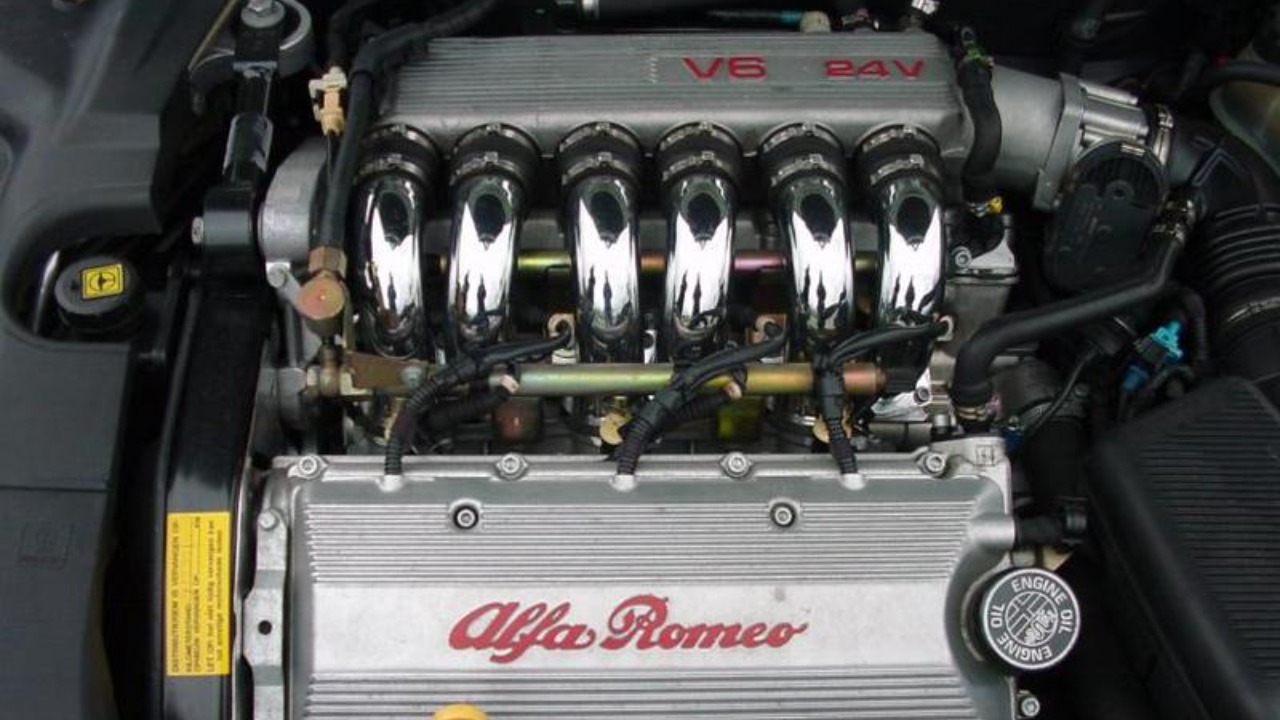

Alfa Romeo is doing something most brands only talk about: it is actually bringing a beloved combustion engine back after promising an all-electric future. The storied Italian marque is reviving its V-6 in fresh Giulia Quadrifoglio variants and limited Collezione editions, turning what looked like a farewell tour into a renewed commitment to high-performance petrol power. In a market racing toward batteries and silence, this return of the V-6 is a pointed reminder that character and emotion still matter.
The move is not just a nostalgic gesture for collectors, it reshapes the near-term direction of Alfa Romeo’s lineup and signals a more flexible strategy around electrification. By keeping the V-6 alive in the Giulia and Stelvio Quadrifoglio, and by crafting special Giulia Quadrifoglio Collezione models, Alfa Romeo is betting that there is still strong demand for visceral engines even as it develops electric successors.
From all‑EV ambition to a strategic V‑6 U‑turn
For several years, Alfa Romeo framed its future as fully electric, positioning upcoming generations of its core models as EV-only successors. That plan created a sense of finality around the existing V-6 Giulia and Stelvio Quadrifoglio, which were widely treated as the last of their kind. Yet as the realities of market demand and brand identity set in, the company quietly shifted course, choosing to keep combustion performance in play rather than forcing a clean break.
The pivot is clearest in the decision to revive the V-6 for new Giulia Quadrifoglio Collezione models, a move that directly contradicts the earlier expectation of an all-EV replacement path. Reporting on why the V-6 is making a comeback notes that an all-EV future “had to pan out that way” only on paper, and that Alfa Romeo has instead brought back the engine in a limited-edition “Collezione” series, underscoring how the brand is rebalancing its strategy around real-world demand rather than rigid planning assumptions, as detailed in why the V6 is making a comeback.
Alfa Romeo keeps its promise to enthusiasts
When Alfa Romeo first hinted that its V-6 performance cars might not be gone for good, many enthusiasts treated it as wishful thinking rather than a binding pledge. The brand’s heritage is so tightly bound to soulful engines that the idea of a purely electric portfolio felt like a betrayal of its own mythology. By following through and reintroducing the V-6 in fresh Quadrifoglio offerings, Alfa Romeo has turned that skepticism into renewed trust.
The fulfillment of that commitment is captured in coverage that explicitly frames the story as Alfa Romeo keeping its promise that the V-6 engine is back, highlighting how the twin-turbo, 2.9-liter unit returns at the heart of the performance lineup and how the company has wrapped it in carefully curated details, from the powertrain to the cabin touches between the seats and on the armrests, as described in Alfa Romeo Keeps Its Promise.
Giulia and Stelvio Quadrifoglio: survival and revival
The V-6 comeback is not limited to a single special edition, it is tied to the survival of Alfa Romeo’s core performance nameplates. Earlier plans had cast doubt on whether the Giulia and Stelvio would continue at all, let alone in Quadrifoglio form, as the company weighed larger models and a rapid shift to electrification. Instead, Alfa Romeo has chosen to keep these cars alive, recognizing that they are central to the brand’s credibility among drivers who care about handling and character.
Reports confirm that Alfa Romeo’s Giulia and Stelvio will survive after all, and that the Quadrifoglios too are staying in the picture, with the company shelving plans for larger models and focusing on these established performance pillars, a strategy laid out in detail in coverage of how Alfa Romeo Giulia and Stelvio Will Survive After All.
Wildest cars back from the dead
Alfa Romeo is not just preserving its performance sedans and SUVs, it is actively reviving them in a way that feels almost defiant in an era of downsizing and electrification. The decision to bring the V-6 Giulia and Stelvio Quadrifoglio back to life in 2026 reframes them from outgoing relics into renewed flagships. That shift sends a clear message that the brand’s most extreme combustion models still have a role to play in its near-term future.
Detailed reporting describes how Alfa Romeo brings its wildest cars back from the dead, explaining that the V6 Giulia and Stelvio Quadrifoglio will return to life in 2026 as the company axes plans for larger models and doubles down on these high-performance icons, a move that underscores how central these cars are to the brand’s identity, as outlined in the analysis of how Alfa Romeo Brings Its Wildest Cars Back From The Dead.
Giulia Quadrifoglio Collezione: the showcase for the revived V‑6
The most visible expression of this V-6 renaissance is the Giulia Quadrifoglio Collezione, a limited series that turns the familiar sedan into a collector-grade statement. Rather than reinventing the mechanical formula, Alfa Romeo has chosen to refine and celebrate it, using the Collezione badge to signal a curated blend of performance, design, and exclusivity. The car functions as both a farewell to one era and a bridge to the next, showing how combustion power can coexist with a more electrified roadmap.
Coverage of the Collezione models makes clear that Alfa Romeo has brought back the V-6 specifically for these limited-edition Giulia Quadrifoglio Collezione cars, emphasizing how the series is positioned as a special run that leans into the engine’s character and the car’s dynamic strengths, as detailed in reporting on how Alfa Romeo revives its V6 for new limited-edition Giulia Quadrifoglio Collezione.
What makes the Collezione editions special
Alfa Romeo’s decision to keep the mechanical package largely intact in the Collezione editions is deliberate, and it is part of what makes these cars so compelling. Under the hood, the familiar 2.9-liter twin-turbo V-6 continues with 520 horsepower, a figure that preserves the Giulia Quadrifoglio’s reputation as one of the most intense sedans in its class. That engine is paired with an Akrapovič exhaust system that comes standard, a combination that keeps the car’s soundtrack as central to the experience as its acceleration.
Rather than softening the formula, the Collezione cars double down on the existing hardware, with reports noting that the 2.9-liter engine and its 520 output are matched with the Akrapovič exhaust and a hardware list that includes serious brakes and chassis components, all of which contribute to the sense that these are instant classics, as laid out in the analysis of how the Collezione Quadrifoglios are instant classics.
Design, hardware and the “instant classic” factor
Beyond the engine and exhaust, the Collezione editions lean heavily on design and hardware details to justify their special status. Alfa Romeo has treated these cars as rolling showcases, layering in unique finishes, trim, and performance components that separate them from standard Quadrifoglio models. The result is a package that feels carefully curated rather than simply optioned up, which is crucial when asking collectors to pay attention in a crowded performance market.
Reporting on what is special about the Collezione editions explains that under the skin, nothing dramatic changes, which is part of the appeal, and that the focus instead is on a complete hardware list that includes serious brakes and other performance parts, reinforcing the idea that these cars are finely honed evolutions of an already great formula rather than radical departures, as described in coverage of What is Special About the Collezione Editions.
Balancing heritage performance with an electric future
Alfa Romeo’s V-6 revival is not a rejection of electrification, it is a recalibration of timing and priorities. By keeping the Giulia and Stelvio Quadrifoglio alive with their combustion hearts, and by crafting the Giulia Quadrifoglio Collezione as a halo, the brand is buying itself time to develop electric models without abandoning the enthusiasts who have carried its reputation. That balance is delicate, but it may prove more sustainable than a hard pivot that leaves loyal customers behind.
The decision to revive the V-6, to keep the Giulia and Stelvio in the lineup, and to position the Collezione editions as instant classics all point to a strategy that treats heritage performance as an asset rather than a liability, a direction that is evident across the reporting on the V-6 comeback, the survival of the Quadrifoglios, and the resurrection of Alfa Romeo’s wildest cars, including the detailed accounts of the revived V6 strategy.
More from MorningOverview