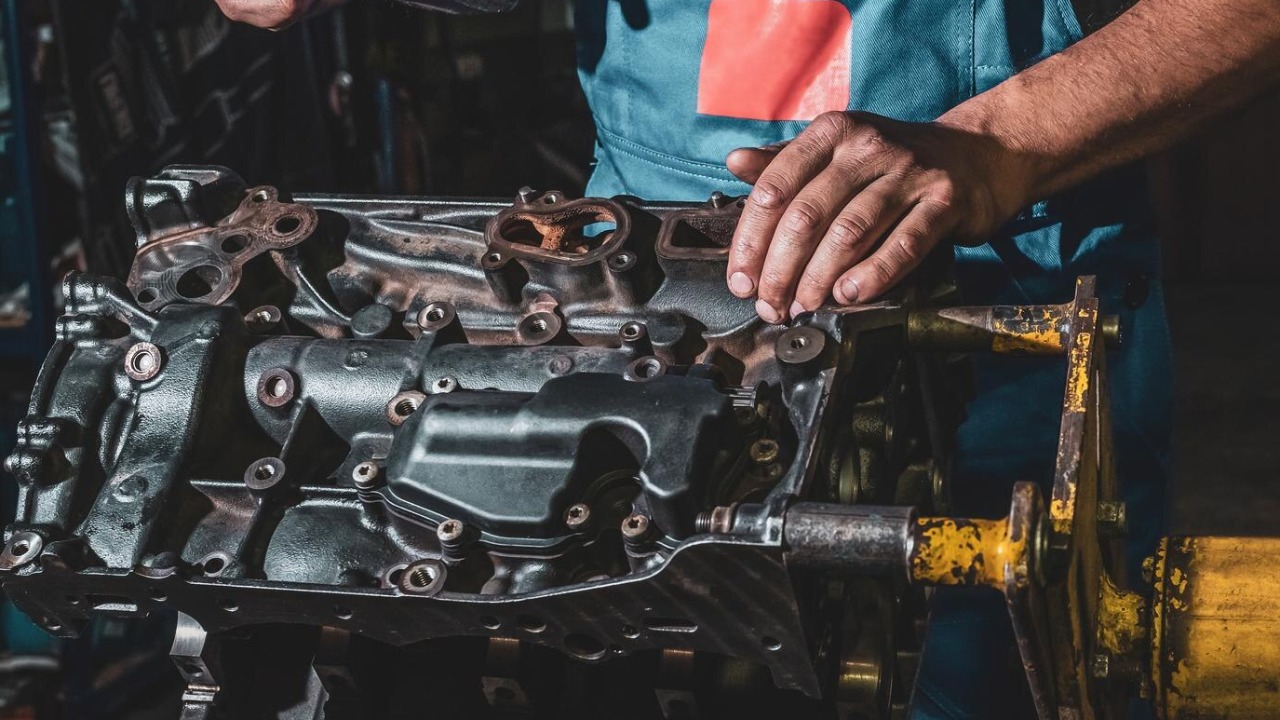

Ask a room full of diesel mechanics which engine is the worst to work on and the answers come fast, colorful, and very specific. From cramped pickup bays to sprawling Class 8 chassis, the “toughest diesel to wrench on” is usually the one that buries critical parts, fights every fastener, and punishes anyone who dares to skip the service manual.
In talking through how professionals rank difficult engines, clear patterns emerge: packaging choices, emissions hardware, and access to basic components often matter more than raw displacement or horsepower. The names that keep coming up, from Ford’s 6.0 Power Stroke to modern high‑pressure common‑rail heavy‑duty platforms, earn their reputations not just by failing, but by making every repair feel like a full‑day commitment.
How mechanics define a “nightmare” diesel
When I ask working techs what makes a diesel truly miserable, they rarely start with catastrophic failures; they start with access. If you cannot reach a turbo without pulling the cab, or you need three specialty tools just to remove a fuel filter, the engine earns a black mark regardless of how well it runs between breakdowns. Many mechanics describe a mental checklist that blends physical layout, parts availability, diagnostic complexity, and how often the same failures return after a repair.
That checklist is not far from how engineers and data analysts break down complex systems into structured vocabularies, mapping each recurring issue to a defined term so patterns become visible over time. In the same way a technical dictionary organizes thousands of entries into a usable reference, shops build their own internal taxonomy of “problem engines,” often logging every repeat failure in shop software that functions like a living service dictionary for the diesels they see most.
Ford 6.0 Power Stroke: the repeat offender
Among light‑duty pickups, the Ford 6.0 Power Stroke is the engine mechanics most often single out as the toughest to live with. On paper it promised strong power and modern emissions controls, but in practice it combined fragile components with a layout that buries critical hardware under layers of plumbing. Head gasket failures, EGR cooler issues, and high‑pressure oil system leaks are not just common complaints; they are jobs that often require stripping the top of the engine and working deep in the valley where access is tight and visibility is poor.
Veteran technicians describe the 6.0 as an engine that punishes improvisation, because one missed step in the repair sequence can mean repeating hours of labor. That experience mirrors how complex technical fields warn against skipping foundational steps, a theme that shows up in reflective engineering essays that treat every misstep as a lesson in humility and process discipline, much like the way a longform set of technical musings walks through hard‑earned insights about working methodically with intricate systems.
Modern emissions diesels: plumbing overkill
Ask a mechanic who spends most days on late‑model trucks and they will often say the hardest engines are not defined by a single badge, but by the era of emissions hardware bolted to them. Diesel particulate filters, selective catalytic reduction systems, and complex EGR circuits add layers of sensors, valves, and lines that snake around the block. On many 2010s‑era engines, simply reaching a leaking exhaust manifold or a cracked up‑pipe means removing heat shields, aftertreatment plumbing, and wiring looms that were clearly routed for assembly speed rather than service access.
Shops that track these jobs in detail often build their own shorthand for common failures, assigning codes and abbreviations that function like a compact vocabulary of recurring pain points. That internal language can resemble a machine‑readable token list, where each short label stands in for a full description of a fault pattern, not unlike the way a curated technical vocabulary compresses complex concepts into compact units that software can process quickly.
Cab‑off repairs and the packaging problem
One phrase that instantly raises a mechanic’s blood pressure is “cab‑off job.” Certain Ford Super Duty generations, along with some medium‑duty platforms from multiple brands, are notorious for repairs that are dramatically easier if the entire cab is lifted off the frame. Official procedures sometimes present cab removal as optional, but many techs say it is the only realistic way to access turbos, up‑pipes, or rear‑mounted high‑pressure fuel pumps without spending far longer fighting blind from above.
That kind of packaging reflects a broader tension between manufacturing efficiency and long‑term serviceability. Engineers can tuck components tightly to meet crash standards and aerodynamic targets, but every inch saved in the factory can cost hours in the shop. Mechanics often trade tips and “tribal knowledge” about these layouts in forums and internal documents that read like evolving glossaries of hard‑won tricks, similar in spirit to a collaboratively maintained list of frequently reused technical terms that capture what really matters in day‑to‑day problem solving.
Heavy‑duty platforms: when big iron fights back
In the heavy‑duty world, engines like the early EGR‑era International MaxxForce and some first‑generation emissions‑compliant Cummins and Detroit platforms often top mechanics’ lists of difficult jobs. The sheer size of these engines means that even routine tasks, such as injector replacement or turbo swaps, require cranes, specialized lifting fixtures, and careful choreography inside crowded fleet shops. When emissions components are stacked on top of that, a single repair can sprawl into a multi‑day project that ties up a bay and a team of techs.
Fleet managers who lived through the first big wave of emissions changes often compare that period to earlier technological transitions that reshaped entire industries, where new hardware arrived faster than service procedures and training could keep up. Contemporary trade coverage from those years is full of stories about shops scrambling to adapt, echoing the way older technical magazines chronicled disruptive shifts in computing and electronics, as seen in archived issues that detail how technicians coped with rapidly evolving hardware standards and the steep learning curves that came with them.
European diesels in American bays
Independent shops in North America often nominate certain European diesels as the most frustrating engines they see, not because the designs are inherently worse, but because they were never intended for the service environment they end up in. Compact V‑6 and inline‑4 diesels from brands like BMW and Mercedes‑Benz are tightly packaged for transverse or rear‑drive platforms, with intake and exhaust routing that assumes factory tools and dealer‑level diagnostic gear. When those vehicles age into the independent market, every job from swirl flap repairs to high‑pressure pump replacement can turn into a puzzle of hidden fasteners and brittle plastic.
Technicians who specialize in these imports often rely on a patchwork of factory manuals, enthusiast write‑ups, and their own annotated notes to navigate each job. That ecosystem of unofficial documentation can resemble the sprawling, personality‑driven corners of the web where niche technical communities share long, digressive posts that mix hard data with sharp opinion, much like the way an uncategorized stream of web curiosities can still hide precise, practical insights for readers who know what to look for.
Electronics, diagnostics, and the new learning curve
Modern diesels are as much about software as they are about steel, and many mechanics say the hardest engines are the ones that bury critical functions behind opaque electronic controls. High‑pressure common‑rail systems rely on precise sensor feedback and control modules that can trigger limp modes or no‑start conditions for reasons that are not obvious without factory‑level scan tools. When a truck arrives with intermittent power loss and a dashboard full of codes, the real challenge is often decoding the logic behind the fault tree rather than turning wrenches.
Shops that thrive in this environment invest heavily in training and documentation, building internal knowledge bases that read like technical magazines for their own staff. Those resources often mirror the structure of enthusiast and professional computing publications that walk readers through complex troubleshooting in step‑by‑step fashion, similar to how a detailed digital repair guide breaks down intricate systems into manageable diagnostic paths that less experienced technicians can follow.
Packaging lessons from outside the truck world
Some of the most revealing conversations with diesel mechanics happen when they compare their toughest jobs to engines far outside the pickup and highway tractor segments. Aircraft powerplants, for example, are designed with a very different balance of priorities, where access for inspection and redundancy often outrank the kind of tight packaging seen under modern truck hoods. When techs who have worked on both aviation and automotive diesels talk about their experiences, they often point out how much easier it is to reach critical components on engines that were designed from the start with maintenance in mind.
Those comparisons are not theoretical; they draw on real examples from aviation platforms where engine bays are laid out to allow regular inspection of fuel, oil, and control systems without dismantling half the airframe. Detailed write‑ups on specialized aircraft, including models like the IL‑20 and other mission‑specific designs, highlight how maintenance access is treated as a core design constraint, a philosophy that stands in sharp contrast to many road vehicles and is documented in technical discussions of aircraft systems that emphasize serviceability alongside performance.
Why some “easy” diesels still earn respect
Not every diesel that mechanics respect is a joy to work on, but the engines that avoid “worst of” lists tend to share a few traits: straightforward access to wear items, predictable failure modes, and parts that can be replaced without dismantling half the vehicle. Older mechanical‑injection platforms, from classic inline‑6 truck engines to early electronically controlled pickups, often win praise because a competent tech with basic tools can diagnose and repair them without a laptop or a subscription to multiple factory information systems.
That relative simplicity does not mean those engines are primitive; it means their complexity is visible and mechanically intuitive. The way experienced techs talk about them often echoes how seasoned engineers describe well‑designed tools or software, where each component’s purpose is clear and the system’s behavior can be reasoned about without guesswork. In some cases, that clarity is captured in personal technical blogs that walk through design choices and trade‑offs in detail, such as a reflective post on 3D and mechanical design that treats layout and accessibility as core virtues, much like a thoughtful engineering diary that dissects why certain configurations simply work better in the real world.
How shops cope with the engines they dread
For all the frustration certain diesels cause, most professional shops do not have the luxury of turning them away. Instead, they adapt by specializing, investing in the tools, training, and workflow changes that make even the worst offenders manageable. Some dedicate specific bays and techs to known problem platforms like the 6.0 Power Stroke or early emissions‑era heavy‑duty engines, building repeatable processes that turn what used to be all‑day exploratory surgery into a predictable sequence of steps with known time and parts requirements.
Over time, those processes become part of the shop’s institutional memory, passed down from senior techs to apprentices in a mix of formal training and informal storytelling. That culture of shared experience can look chaotic from the outside, but it functions as a living archive of what works and what does not, similar to the way long‑running online communities accumulate dense, sometimes meandering threads of practical knowledge that reward careful reading, much like a sprawling collection of uncategorized notes that still hides a clear throughline for those who know the context.
The engines mechanics name first when asked “toughest”
When I press mechanics to name specific engines rather than general trends, a familiar shortlist emerges. The Ford 6.0 Power Stroke is almost always mentioned first among light‑duty pickups, followed by certain 6.4‑liter variants that doubled down on complex emissions hardware and tight packaging. In the heavy‑duty segment, early EGR‑era MaxxForce engines and some first‑generation emissions‑compliant Cummins and Detroit platforms are cited for combining high failure rates with layouts that make even routine service a major undertaking.
European diesels in North American service, particularly compact V‑6 and inline‑4 units from premium brands, round out the list because they bring dealer‑level complexity into independent bays that may not have been equipped for them when those vehicles were new. Across all of these examples, the common thread is not just that parts fail, but that every failure demands a disproportionate amount of time, tooling, and patience. Mechanics learn to navigate those realities the way experienced readers learn to parse dense technical texts, drawing on structured references, evolving vocabularies, and a shared sense of what details matter most, much like the way a carefully compiled list of key terms can anchor understanding in a field where complexity is the rule rather than the exception.
More from MorningOverview