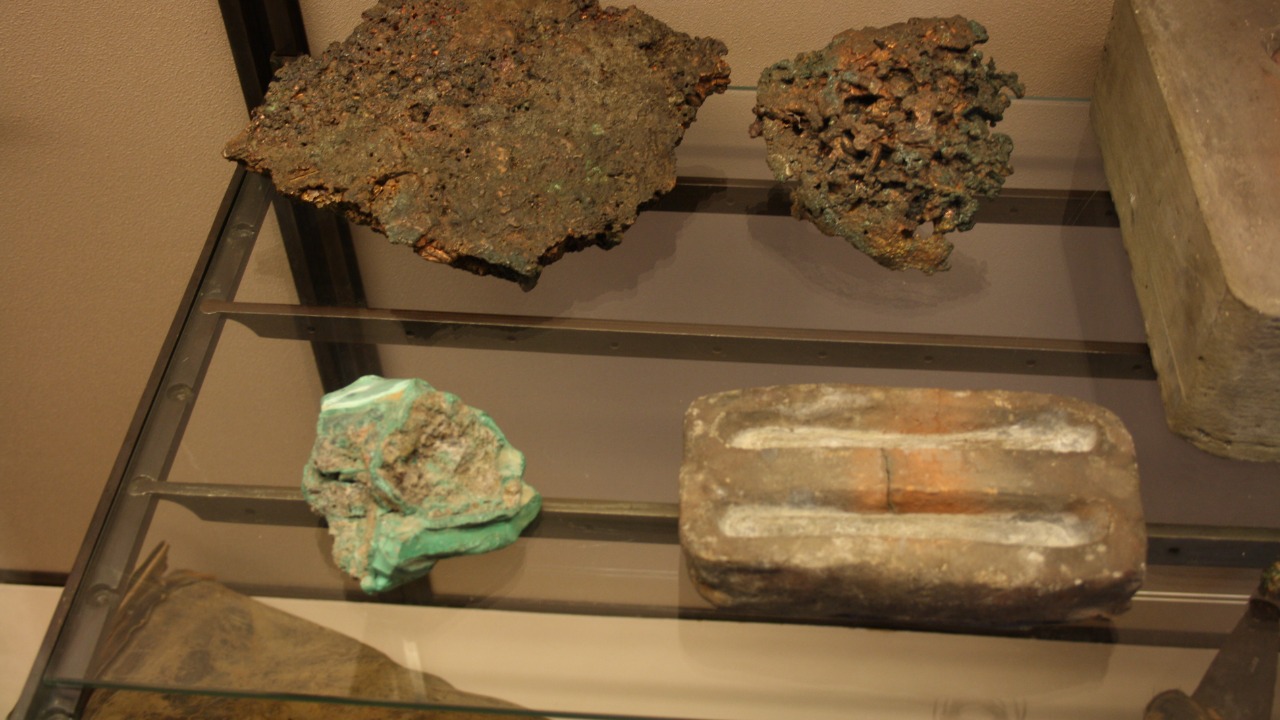

Exploring the captivating world of early African metallurgy unveils a treasure trove of information about Africa’s significant role in the initial development of metalworking technologies. By examining the tools and artifacts unearthed, we gain insights into the progressive and innovative nature of early African civilizations.
Historical Overview of African Metallurgy

African metallurgy has a rich and diverse history. It is believed to have originated during the first millennium BC, with the most significant advancements happening between 500 AD and 1500 AD. The art of metalworking evolved independently in different regions of Africa, with iron and copper being the prevalent metals. The iron smelting techniques used in ancient Africa stand as a testament to the ingenuity and inventiveness of early African societies.
Metallurgy played an integral role in the evolution of African societies. The mastery of metalwork provided these societies with the tools and weapons necessary for survival, agriculture, and warfare. It also laid the foundation for trade and communication with other civilizations, fostering the growth of some of Africa’s most significant empires.
Breakthrough Discoveries in African Metallurgy
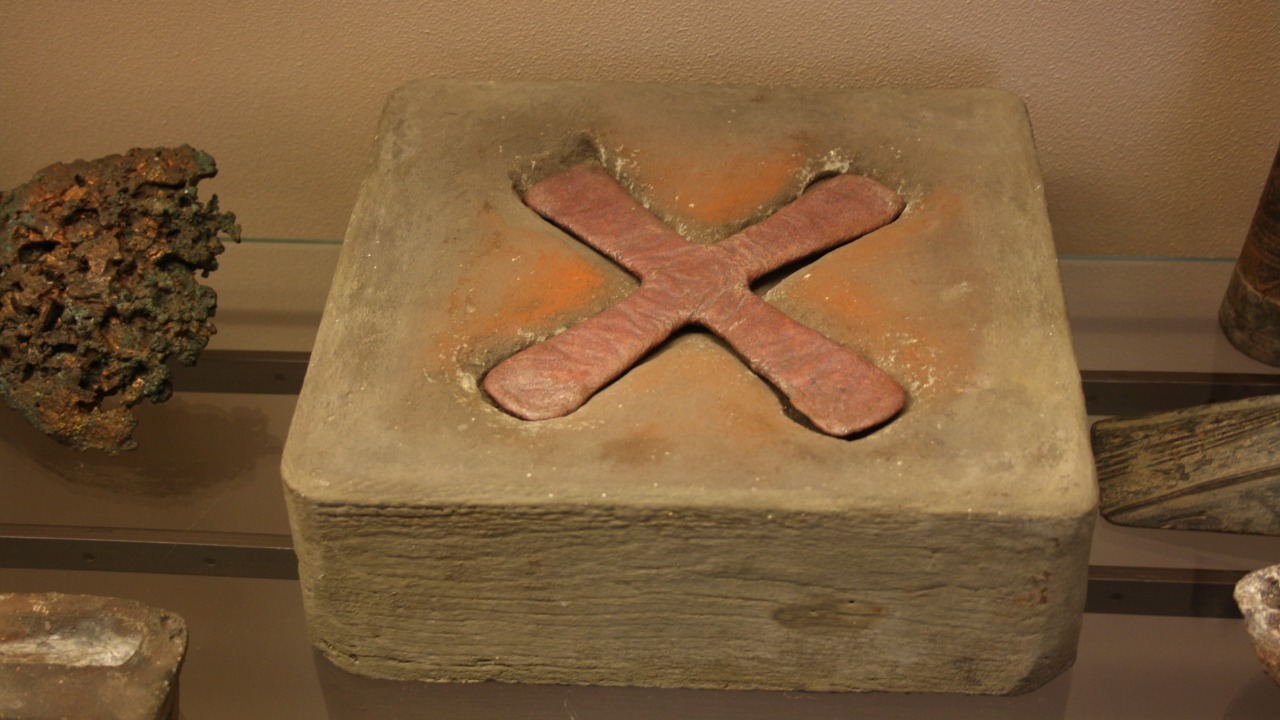
Key archaeological findings have profoundly shaped our understanding of early African metallurgy. For instance, the discovery of ancient furnaces and slag heaps in regions such as present-day Niger and Burkina Faso provides evidence of early iron production. Moreover, the recent breakthrough discoveries have given us a new perspective on the interactions between African and Mediterranean societies, challenging previous notions of historical timelines and trade routes.
These discoveries not only provide a glimpse into the technological prowess of ancient African societies but also offer an opportunity to reevaluate our understanding of African and Mediterranean history. They suggest that African societies were not merely receivers of technological advancements from the Mediterranean but were indeed active contributors to early metallurgy.
The Specifics of Early African Tools and Techniques
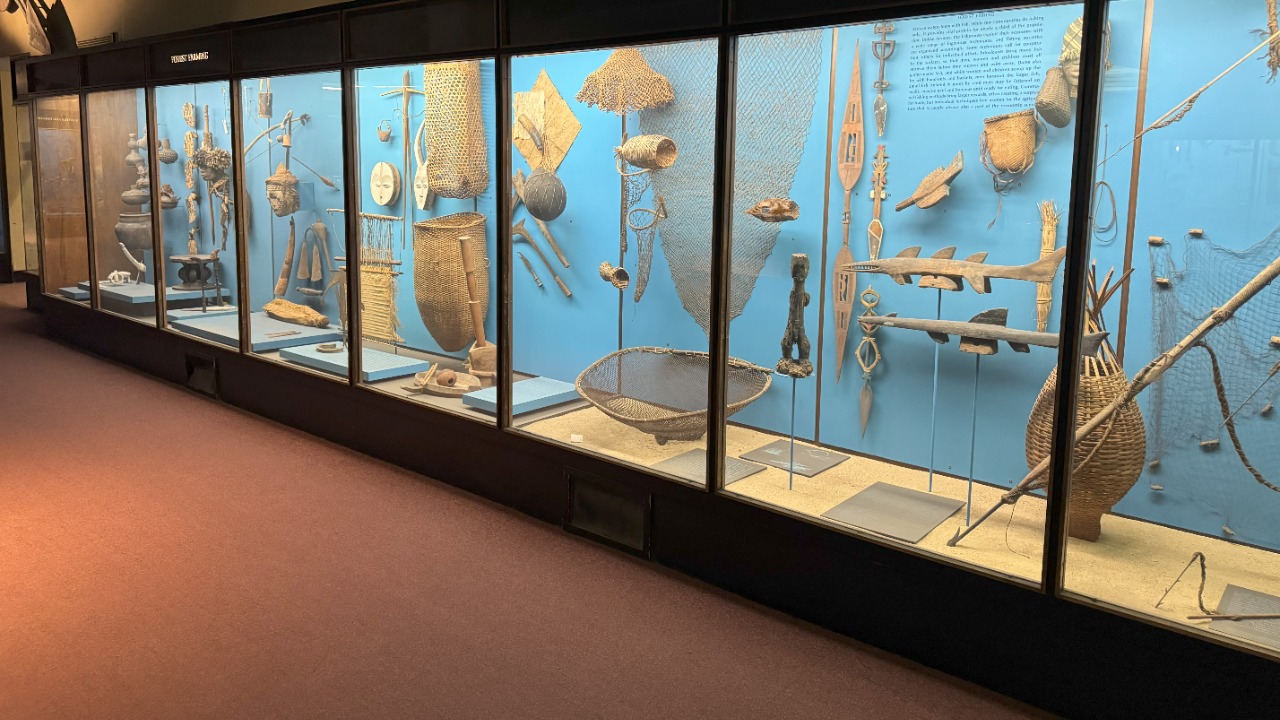
The tools and techniques used in early African metallurgy were unique and innovative. The iron smelting furnaces of ancient Africa, for example, were ingeniously designed to achieve high temperatures necessary for extracting metal from ore. The metal tools produced were practical and often decorated, reflecting the fusion of functionality and aesthetics in early African societies.
One can find detailed explanations of these techniques in several publications. From the choice of raw materials to the design of the final product, every step in the metallurgical process was meticulously planned and executed, showcasing the meticulous craftsmanship of ancient African metalworkers.
Cultural and Socio-Economic Impact of African Metallurgy
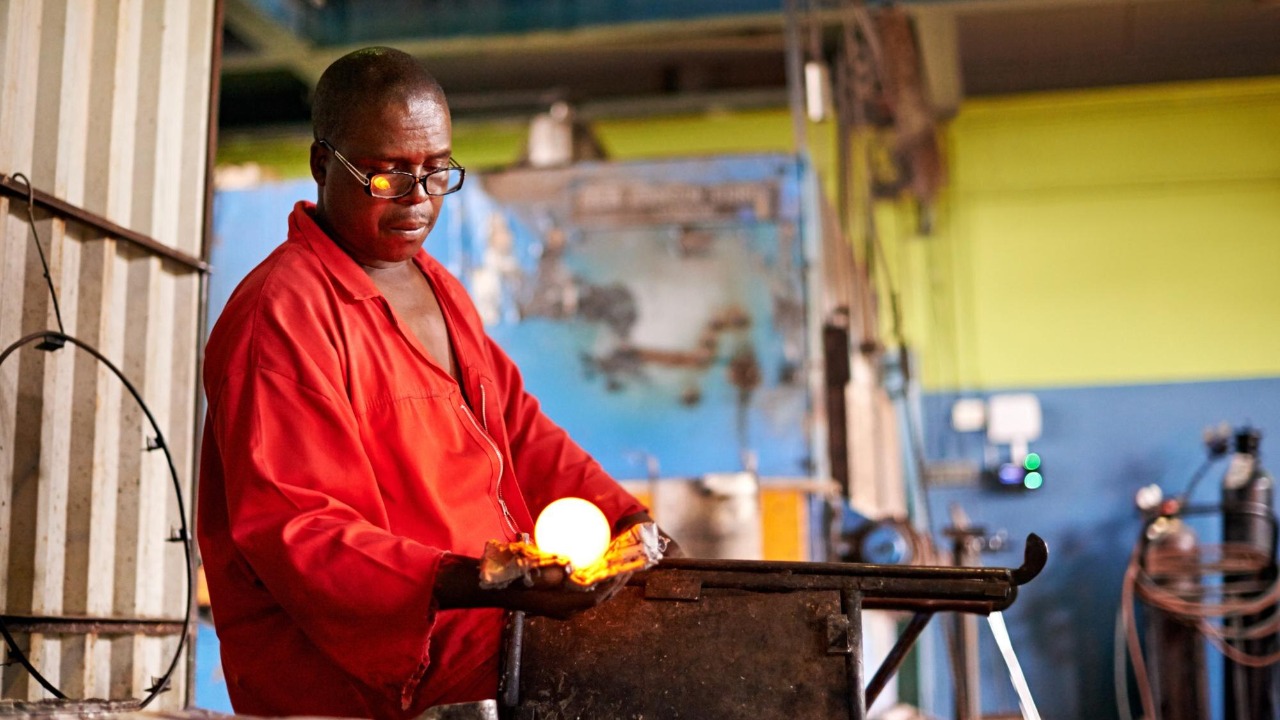
The advent of metallurgy dramatically transformed the socio-economic structures of early African societies. The ability to produce metal tools and weapons facilitated the growth of agriculture, trade, and warfare, leading to the emergence of powerful kingdoms and empires. Metallurgy also created new social roles and hierarchies, with metalworkers often accorded a special status in society.
The cultural significance of metalworking in ancient African civilizations cannot be overstated. Beyond their practical use, metal objects often held symbolic and ritualistic value. They were used in ceremonies, adorned the bodies of the elite, and were integral to religious practices. The cultural importance of metallurgy in these societies is an essential aspect of African history that is still being unraveled by historians and archaeologists today.
African Metallurgy in the Global Context
When compared to other early metalworking civilizations, African metallurgy stands out for its independent development and unique techniques. The methods used in Africa were not merely imitations of foreign technologies but were innovative solutions adapted to the local environment and resources. This independence showcases the ingenuity and adaptability of ancient African societies.
African metallurgy has also influenced global metalworking techniques and practices. The skills and knowledge of African metalworkers traveled along trade routes, spreading to regions as far away as the Mediterranean. As a result, African metallurgy played a significant role in shaping the history of global metalworking.