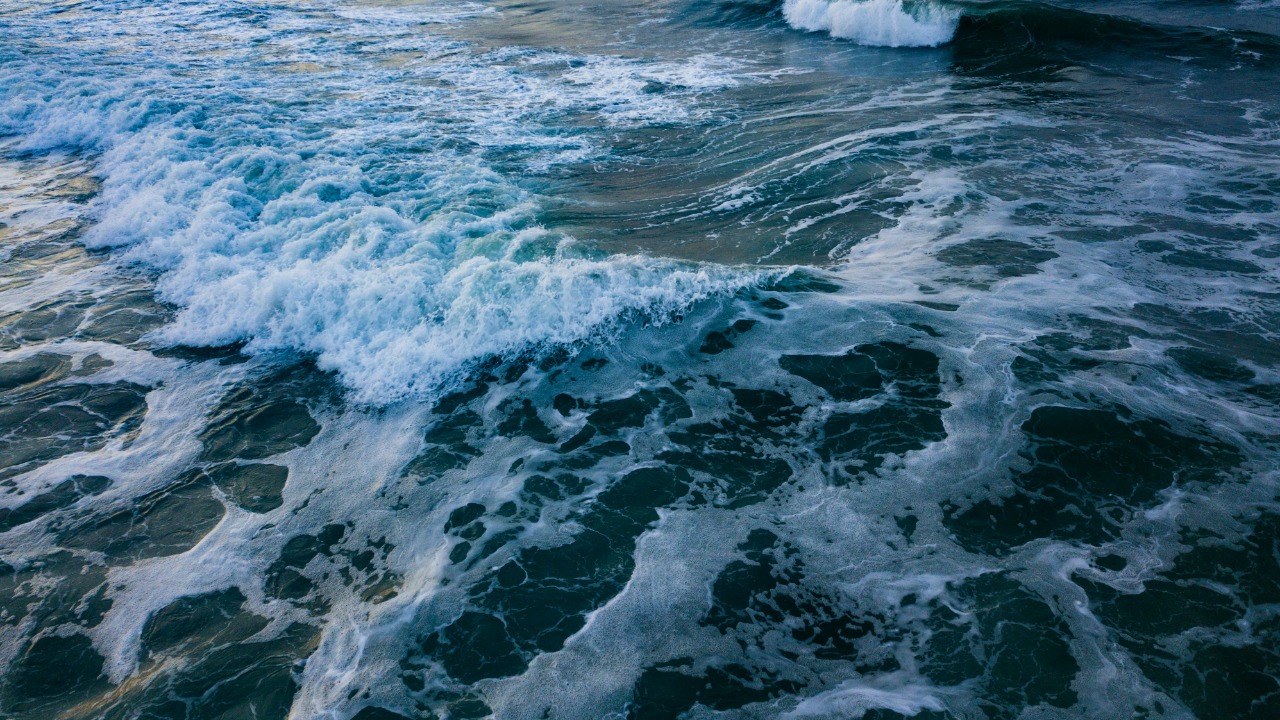

Emerging scientific research suggests a grim reality where the Atlantic Ocean’s formidable currents may collapse within the next few decades. This potential collapse, fuelled by the relentless progress of climate change, threatens to trigger severe global consequences.
Understanding the Atlantic Ocean Currents
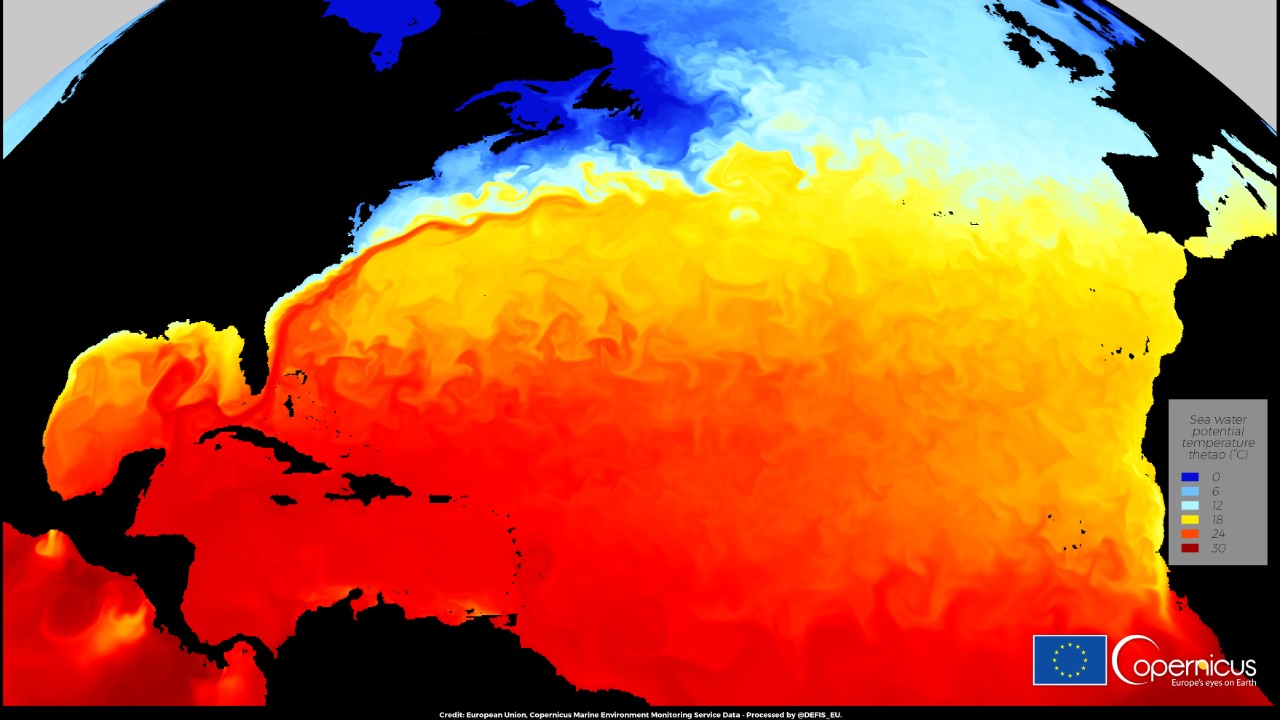
The Atlantic Ocean currents, particularly the Atlantic Meridional Overturning Circulation (AMOC), play a vital role in regulating the planet’s climate. These currents act as a conveyor belt, transferring warm, salty water from the tropics to the North Atlantic. As this water cools and sinks, it carries heat and carbon dioxide with it, effectively regulating global temperatures and carbon levels.
The importance of the AMOC cannot be overstated. It influences weather patterns, sea levels, and maintains a balance in marine ecosystems. Its disruption or collapse could drastically alter the climate and biodiversity, both in the Atlantic region and globally.
The Current Status of the Atlantic Currents
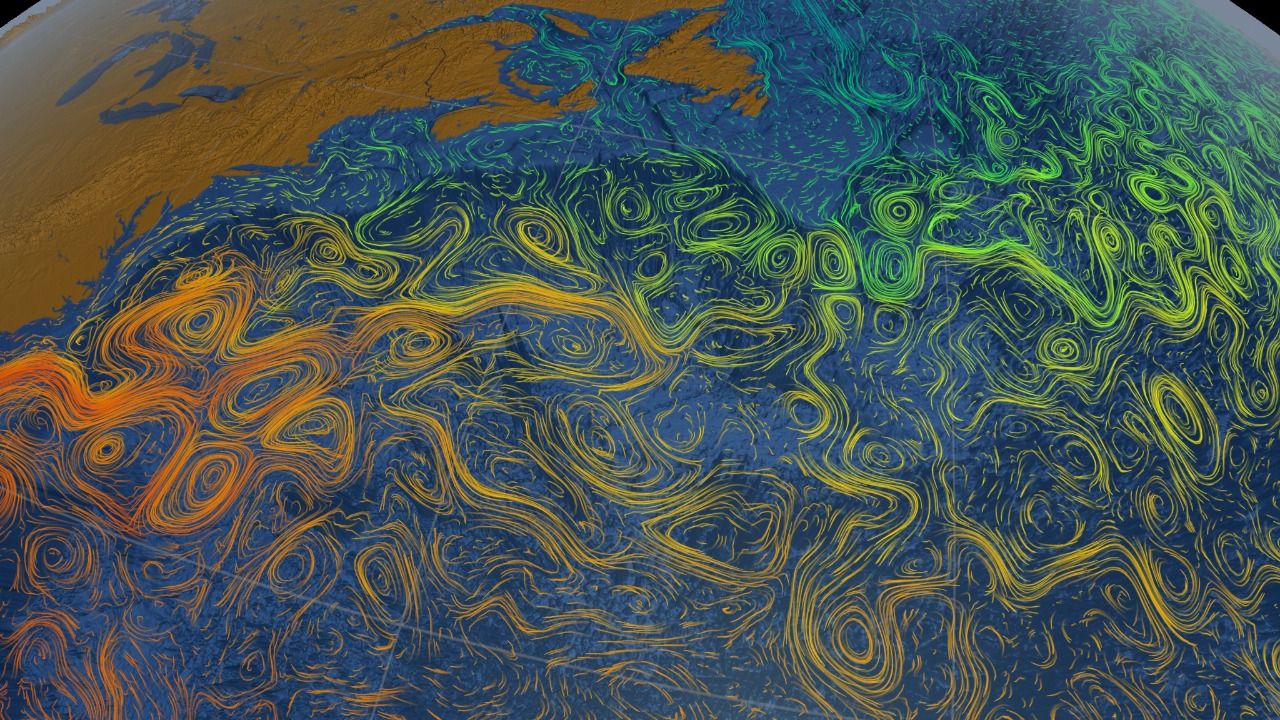
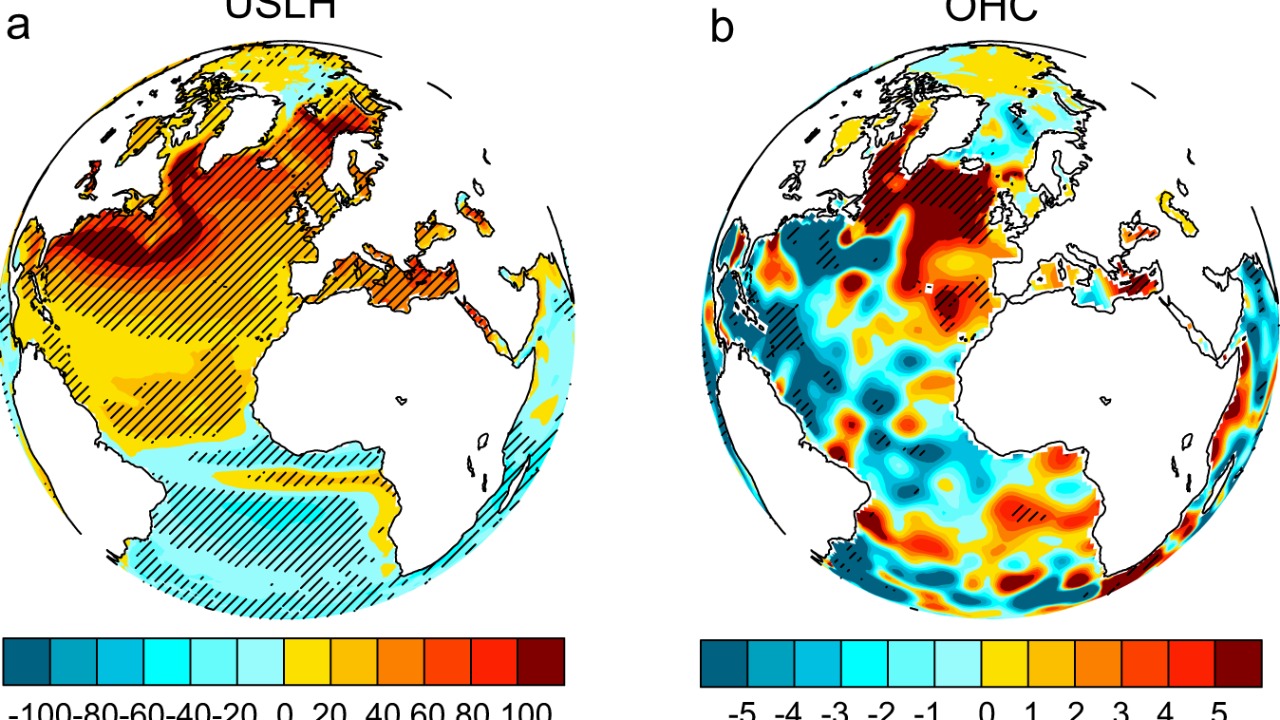
Recent research paints a bleak picture of the current state of the Atlantic currents. Studies indicate that the strength of these currents has been declining, with climate change playing a significant role in this weakening. The accelerated melting of polar ice due to global warming is flooding the Atlantic with fresh water, disrupting the salt balance crucial for the AMOC’s function.
When compared with historical data, the present condition of these currents is alarming. The currents have not been this weak in over a thousand years, further emphasizing the pressing need to address this issue.
Implications of a Potential Collapse
A collapse of the Atlantic currents could have far-reaching consequences. On a climatic level, we could see a rise in sea levels, drastic changes in weather patterns, and even a cooling of the Northern Hemisphere. The effect on marine ecosystems could also be devastating, potentially leading to a loss of marine biodiversity and disrupting the balance of life in the ocean.
Such changes could also have societal implications. Coastal communities could be displaced due to rising sea levels. Industries like agriculture and fishing, which depend heavily on predictable weather patterns and healthy marine ecosystems, could be severely impacted. In essence, a collapse could ripple through various aspects of human life and the natural world.
Projections and Predictions for the Future

Scientists predict that the collapse of the currents could occur as early as 2050. However, predicting the exact timeline remains a challenge due to the numerous variables and uncertainties involved. Worst-case scenarios project significant shifts in global climate patterns, while best-case scenarios suggest a more gradual change, allowing more time for mitigation strategies.
While the future seems uncertain, one thing is clear: the risk of collapse is real and demands urgent attention. It’s clear that we need to understand the complexities of this issue better and take decisive action.
How Can We Mitigate the Risk?
Addressing the threat of a collapsing AMOC requires a multifaceted strategy. This includes slowing down global warming by reducing greenhouse gas emissions, adopting sustainable practices, and transitioning to cleaner energy sources. But individual actions alone may not be enough. International cooperation and policy changes will be key in tackling this global issue.
The importance of reducing human activities contributing to climate change cannot be overstated. As shared in this report, the collapse of the currents could be the tipping point to a series of irreversible climate changes. As global citizens, we have a responsibility to act now for the sake of our planet and future generations.
Scientific research continues to elucidate the reality of our changing climate. With the potential collapse of the Atlantic currents looming over us, it’s clear that we need to heed the warnings and act urgently to mitigate the risks. Our collective efforts can make a difference, and there’s no better time to start than now.