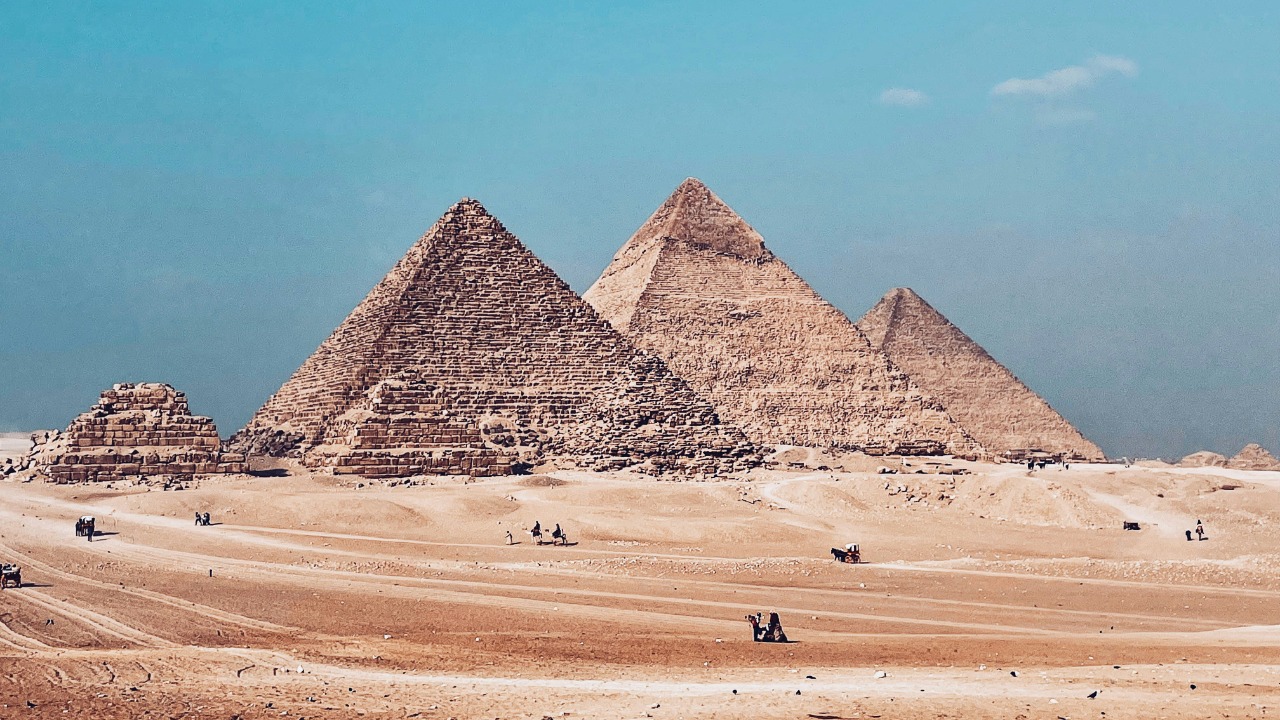

The Great Pyramid of Egypt, a marvel of ancient engineering, has long captivated historians and archaeologists. Among its many mysteries is a secret room, recently discovered, that has sparked intense speculation and intrigue. This article delves into the theories surrounding this enigmatic space and what it might reveal about ancient Egyptian civilization.
The Discovery of the Secret Room
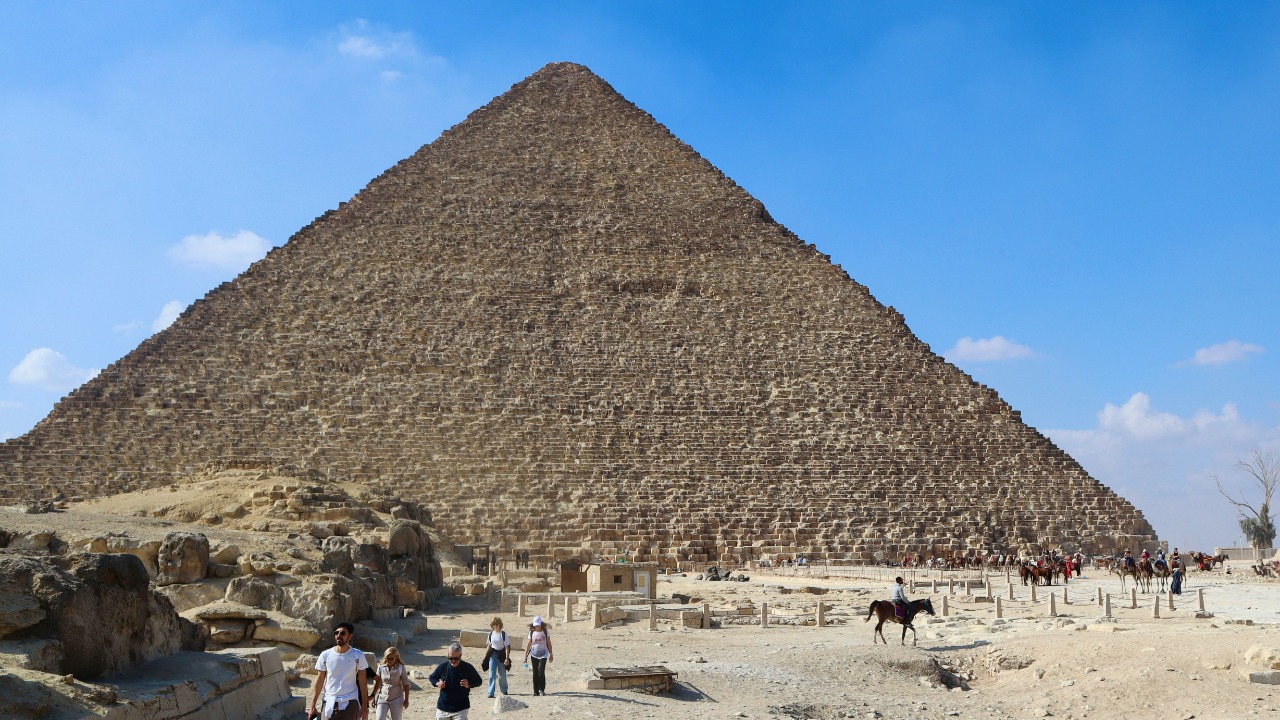
The discovery of a secret room within the Great Pyramid was made possible by recent technological advancements. Techniques such as muon radiography, which uses cosmic ray muons to image structures, and thermal imaging have allowed researchers to peer into areas previously hidden from view. This breakthrough has offered an unprecedented glimpse into the pyramid’s hidden interior, revealing an unknown chamber that has remained concealed for millennia.
The initial reactions from the archaeological community were a mix of excitement and skepticism. While some viewed the discovery as a monumental achievement, others cautioned against overestimating its significance without further investigation. The public, on the other hand, has been largely captivated by the find, with news outlets and social media buzzing with speculation about what the room might contain. The significance of finding a previously unknown chamber within such an iconic structure cannot be overstated, as it challenges existing understandings of the pyramid’s construction and purpose.
Historical Theories and Speculations
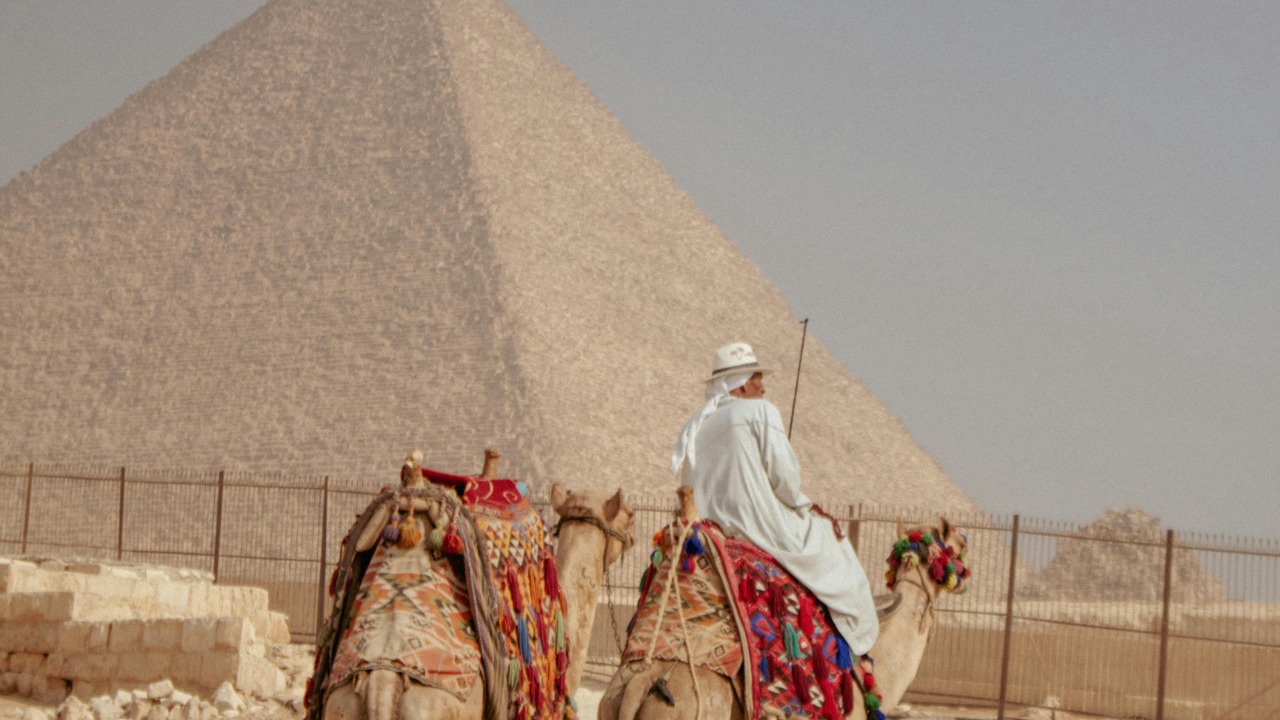
Throughout history, the Great Pyramid has been shrouded in mystery, with countless theories about hidden chambers and their potential contents. Common theories suggest that these hidden spaces could have served various purposes, from burial sites for pharaohs to storage areas for precious artifacts. The discovery of the secret room has reignited these theories, with many wondering if it might finally provide answers to long-held questions.
Speculation has ranged from the plausible to the fantastical. Some believe the room might contain religious or ceremonial objects, such as the Ark of the Covenant or even the body of Jesus. While these ideas are largely dismissed by mainstream archaeologists, they continue to capture the imagination of the public. Conspiracy theories and myths have played a significant role in shaping public perception of the pyramid, highlighting the enduring allure of its mysteries.
Potential Contents of the Secret Room
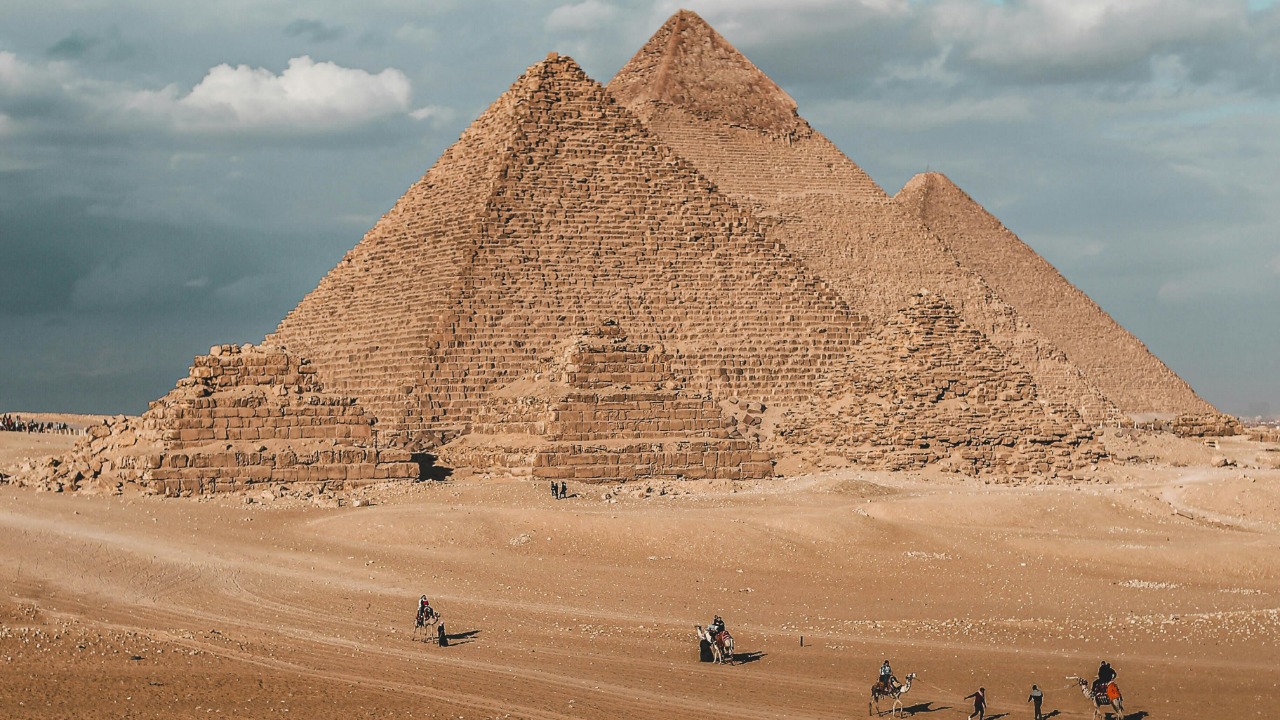
The potential contents of the secret room have sparked a wide range of theories and speculations. Some suggest it might contain a trove of artifacts or treasures, offering a direct link to the past. These could include items of great cultural and historical value, shedding light on the lives of those who built and used the pyramid.
Others speculate about the presence of religious or ceremonial objects. The idea that the room might house the Ark of the Covenant or other significant relics has been discussed, albeit with skepticism from the scientific community. The possibility of finding mundane objects is also intriguing, as these could provide valuable insights into the daily lives and practices of ancient Egyptians. Even seemingly ordinary items could prove to be significant, offering a deeper understanding of the civilization’s social and cultural dynamics.
Modern Archaeological Techniques and Their Limitations
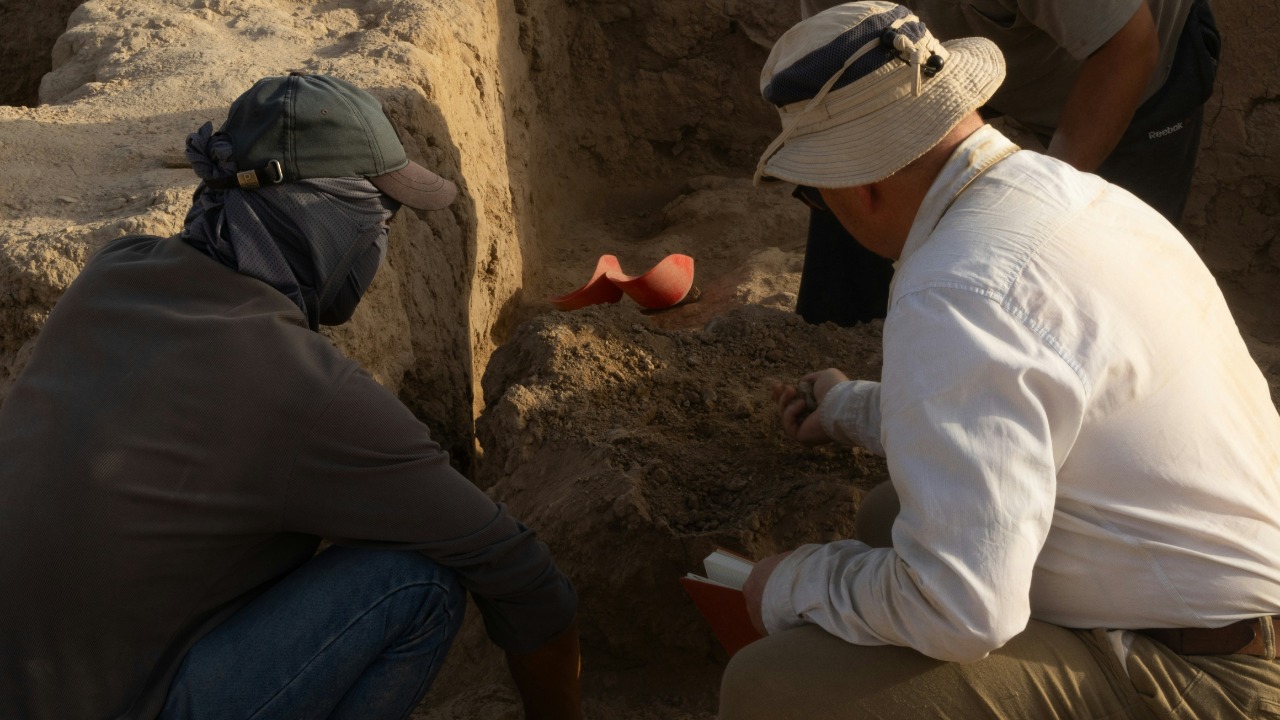
The exploration of the Great Pyramid’s secret room has been facilitated by advanced technologies such as muon radiography and thermal imaging. These techniques allow researchers to visualize the internal structure of the pyramid without causing physical damage. Muon radiography, for instance, exploits the penetrating power of cosmic ray muons to create detailed images of hidden spaces, while thermal imaging detects variations in temperature that may indicate the presence of voids.
Despite these advancements, there are significant challenges and limitations associated with exploring and excavating within the pyramid. The risk of damaging the structure is a major concern, as any physical intervention could compromise its integrity. Ethical considerations also play a crucial role, as researchers must balance the desire for discovery with the responsibility to preserve the site for future generations. These factors underscore the importance of employing non-invasive techniques and exercising caution in any exploration efforts.
Implications for Our Understanding of Ancient Egypt
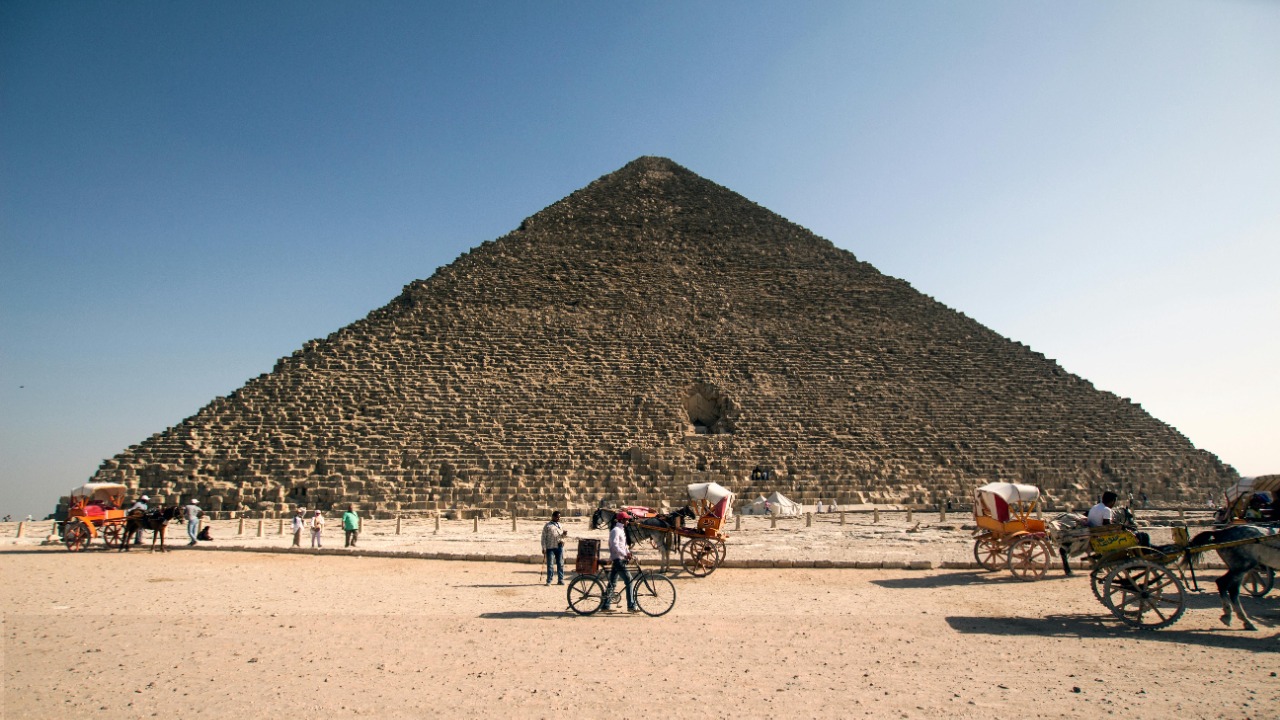
The discovery of the secret room within the Great Pyramid has the potential to reshape our understanding of ancient Egyptian burial practices and beliefs. If the room contains artifacts or remains, it could provide new insights into the rituals and customs associated with the afterlife. This, in turn, could deepen our appreciation of the cultural and religious significance of the pyramid and its role in ancient Egyptian society.
The potential impact on Egyptology and the study of ancient civilizations is immense. New findings could challenge existing theories and prompt a reevaluation of our understanding of the past. For modern Egypt, the discovery holds cultural and historical significance, reinforcing the country’s rich heritage and attracting global interest. As researchers continue to explore the hidden depths of the Great Pyramid, the world watches with anticipation, eager to uncover the secrets that lie within.