

The advent of a new AI model that can translate any language in real time marks a significant milestone in global communication. This cutting-edge technology promises to bridge language barriers like never before, facilitating seamless interaction across diverse linguistic landscapes. This development’s capabilities and implications are indeed transformative.
The Evolution of AI in Language Translation

Artificial Intelligence’s role in language translation has evolved significantly over the past few decades. Initially, the focus was on rule-based systems that required extensive input from linguists and programmers to function effectively. These systems, while groundbreaking at the time, were limited by their rigidity and inability to adapt to new languages or dialects without substantial manual intervention. The introduction of statistical machine translation in the early 2000s marked a pivotal shift, utilizing vast amounts of data to predict translations based on probability.
Today, the new AI model’s capabilities are a leap forward from its predecessors. It offers real-time translation across a multitude of languages, breaking down barriers that once seemed insurmountable. Unlike older models that were often slow and cumbersome, this AI translates with remarkable speed and accuracy, making it suitable for dynamic environments such as international conferences or multilingual customer service. The model supports an expansive array of languages, from widely spoken tongues like Spanish and Mandarin to less commonly used languages, ensuring inclusivity and access for a broader audience.
When compared to previous technologies, the advancements in speed and accuracy are stark. Older models often struggled with context and idiomatic expressions, leading to awkward or incorrect translations. The new AI model, however, leverages sophisticated algorithms to understand context better, producing translations that are not only quicker but also more nuanced. This marks a significant improvement in versatility, allowing for smoother and more natural interactions across language barriers.
Technological Innovations Behind the Model

The real-time translation capabilities of the new AI model are made possible through advanced machine learning algorithms. These algorithms, particularly neural networks like transformers, are designed to handle vast amounts of linguistic data efficiently. They learn from extensive datasets, identifying patterns and nuances in language that enable them to produce accurate translations almost instantaneously. By constantly updating and refining their understanding based on new data, these models can adapt to the evolving landscape of human language.
Data processing techniques are at the heart of this AI model’s success. The model utilizes cutting-edge natural language processing (NLP) to interpret and translate spoken or written inputs accurately. It processes linguistic data in real time, identifying key elements such as syntax, semantics, and pragmatics to deliver precise translations. This ability to handle complex linguistic data on the fly is what sets this model apart from earlier efforts, making it a powerful tool for live translation scenarios.
Integration with existing platforms further enhances the model’s utility. Whether incorporated into popular communication tools like Google Meet or used in specialized applications for industries like finance or healthcare, the model is designed to be flexible and adaptable. This seamless integration ensures that users can easily access its capabilities without needing to switch between different tools or platforms.
Implications for Global Communication
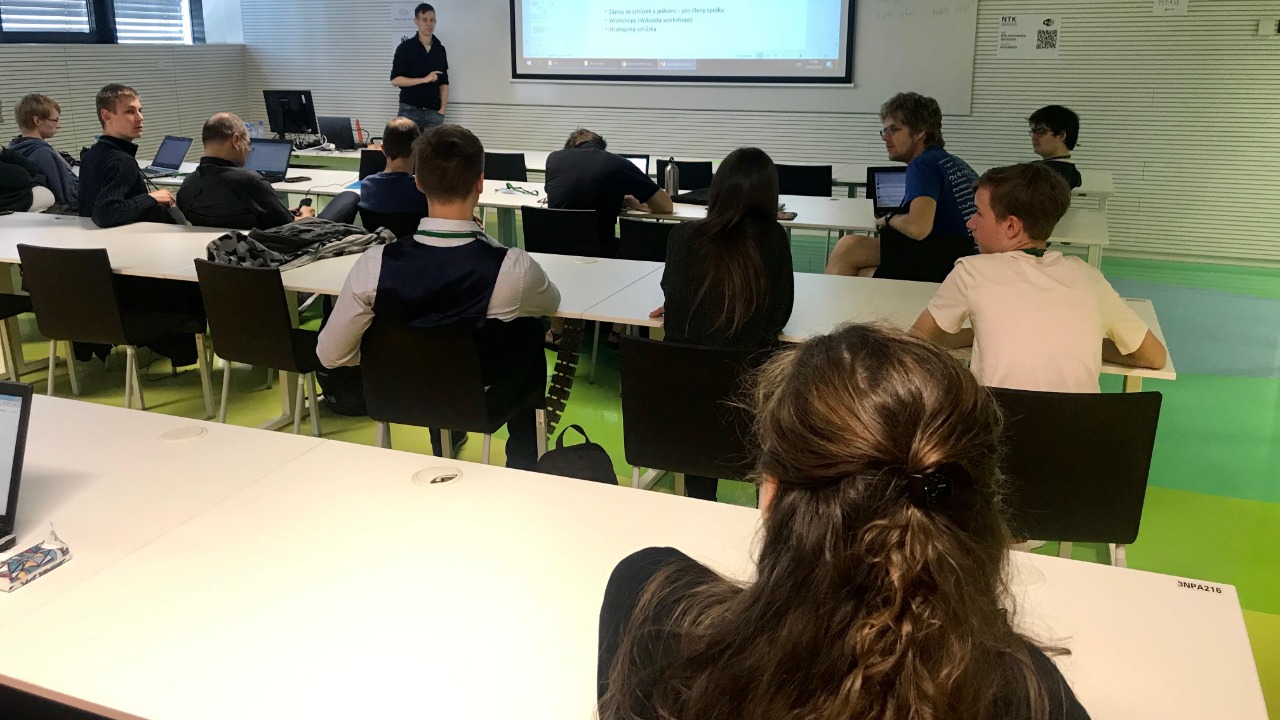
The implications of real-time language translation are profound, particularly in enhancing cross-cultural interactions. In international business, for example, language barriers have long been a hindrance to effective communication. With this new AI model, companies can engage with partners, clients, and customers across the globe with greater ease and confidence. This opens up opportunities for collaboration and innovation that were previously limited by linguistic divides.
In the realm of travel and diplomacy, real-time translation can transform experiences and interactions. Tourists can navigate foreign lands with greater understanding and appreciation of local cultures, while diplomats can engage in more nuanced negotiations, fostering better international relations. The potential for increased accessibility and inclusivity is immense, as non-native speakers can access a wide range of information and services that were once out of reach. This has the potential to democratize knowledge and empower individuals by giving them access to content in their preferred language.
However, challenges and limitations remain. While real-time translation is highly effective in many scenarios, it can struggle with dialect variations and cultural nuances that require a deep understanding of context. Continuous updates and improvements are necessary to address these issues, ensuring that the technology remains relevant and accurate. Additionally, the reliance on extensive datasets raises questions about the representation of less common languages and dialects, which may not be as well-supported as major languages.
Ethical and Societal Considerations

The deployment of AI for real-time translation raises important ethical and societal considerations, particularly regarding privacy concerns. The processing of spoken or written language data raises questions about data security and user privacy, especially when sensitive information is involved. Ensuring that these systems are designed with robust security measures is crucial to protect users’ information and build trust in the technology.
Another consideration is the impact on language preservation. While the AI model excels at translating widely spoken languages, there is a risk that it could inadvertently contribute to the erosion of lesser-known languages and dialects. It’s important to balance the benefits of real-time translation with efforts to preserve linguistic diversity, recognizing the cultural and historical significance of all languages.
The societal changes brought about by this technology could also be significant. As language barriers diminish, social interactions could become more fluid and dynamic, potentially reshaping cultural dynamics on a global scale. The widespread adoption of real-time translation may lead to a more interconnected world, but it also requires us to consider how such changes might affect our relationships and identities.
Future Prospects and Developments

As AI technology continues to advance, the future of real-time language translation looks promising. Ongoing research and development efforts are likely to result in even more sophisticated models that can handle a greater variety of languages and dialects with higher precision. Innovations in AI, such as quantum computing, could further enhance the capabilities of these models, reducing latency and improving translation quality.
Collaboration with major technology firms is likely to play a key role in expanding the reach and efficiency of this AI model. Partnerships with companies like Meta, which is exploring seamless communication technologies, could help integrate real-time translation into a broader array of platforms and devices. By working together, AI developers and tech companies can accelerate the adoption of these tools, making them accessible to a wider audience.
Envisioning a future where language barriers are negligible opens up exciting possibilities for global understanding and cooperation. As these technologies become more widespread, they have the potential to foster greater empathy and collaboration across cultures, paving the way for a more harmonious and interconnected world. The journey towards this vision will require continued innovation, adaptation, and a commitment to addressing the challenges and ethical considerations that arise along the way.