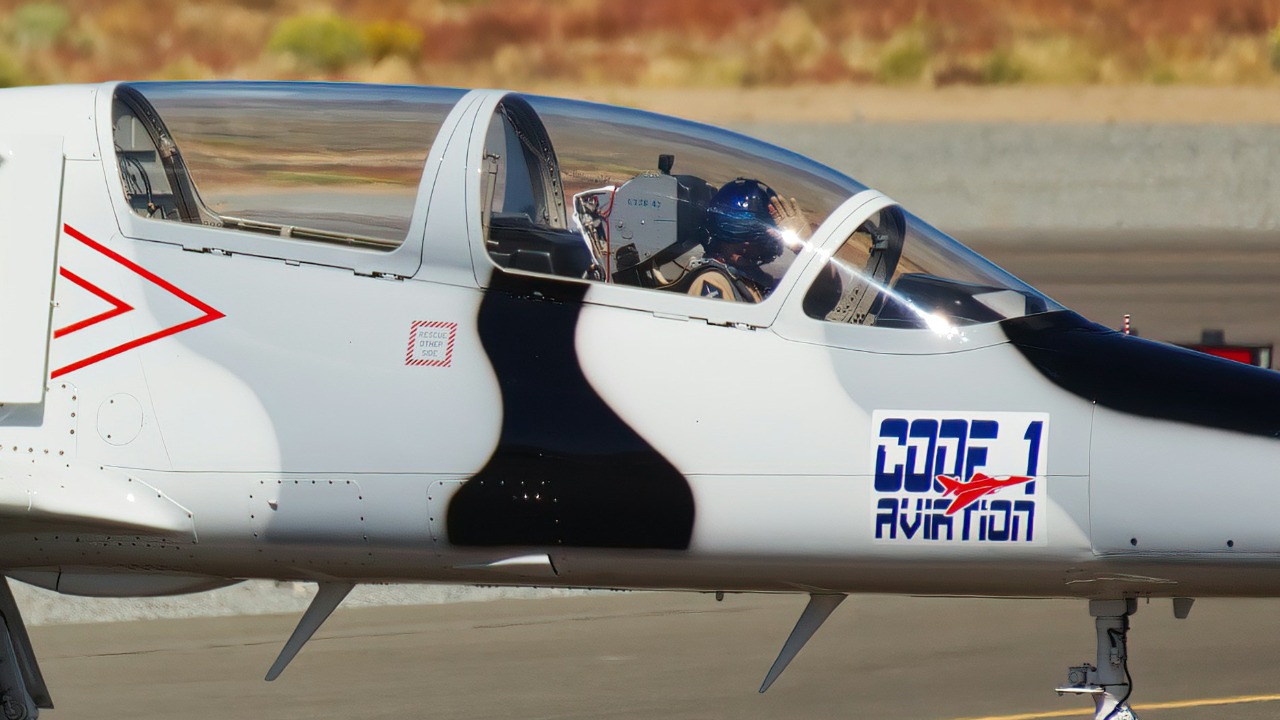

Helmet technology is evolving rapidly, playing a critical role in both aviation and sports. In the world of jets, whether they’re military aircraft or football teams like the New York Jets, advanced helmet tech can significantly influence performance and safety. Understanding the pivotal role that helmet technology plays in the success or failure of jets opens up a fascinating discussion on its applications and future potential.
The Evolution of Helmet Technology
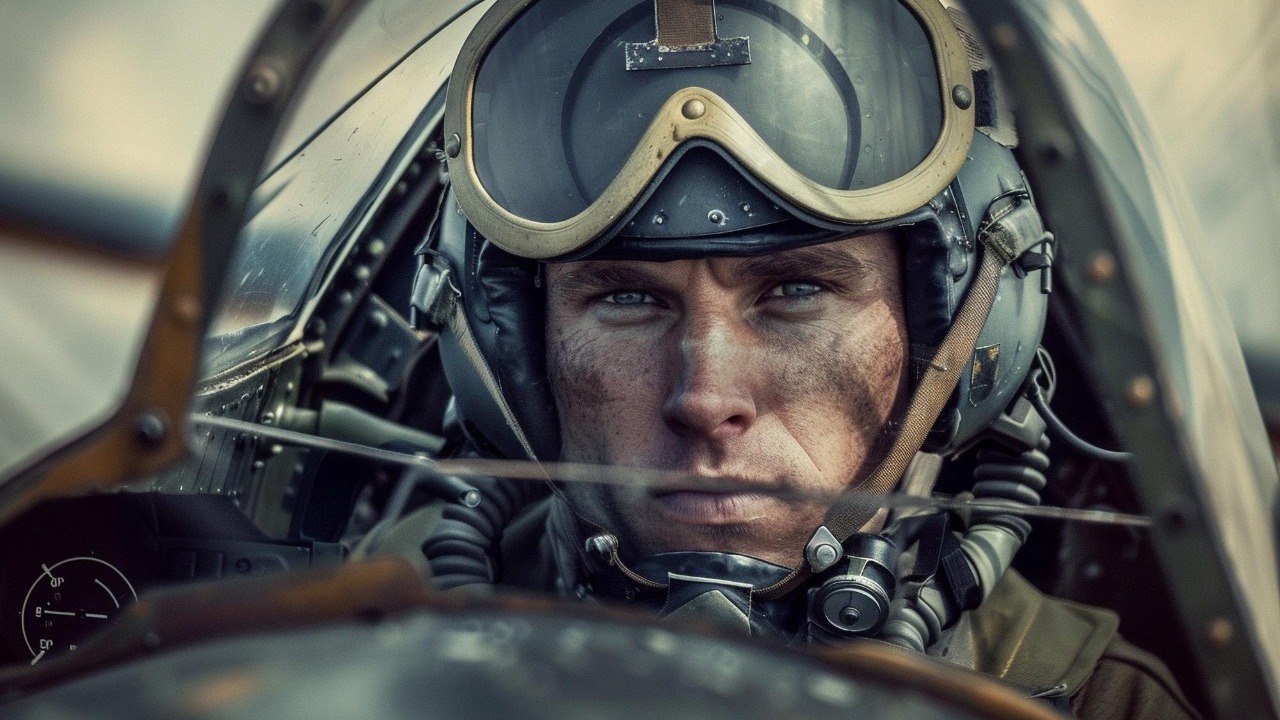
The journey of helmet technology has seen numerous transformations from its rudimentary beginnings to the sophisticated systems we see today. Early designs prioritized basic protection, but as the demands of both military and sports environments grew, so did the capabilities of helmets. Modern helmets are now equipped with integrated communication systems, heads-up displays, and advanced materials designed to absorb impact efficiently.
Key breakthroughs in this arena include the development of helmet-mounted displays that provide pilots with real-time data directly in their line of sight. This technology, initially developed for military applications, has had a ripple effect across various industries. The integration of augmented reality and enhanced communication systems in helmets has not only revolutionized aviation but has also influenced sports and commercial aviation, setting a new standard for safety and performance.
Military Applications and Impact
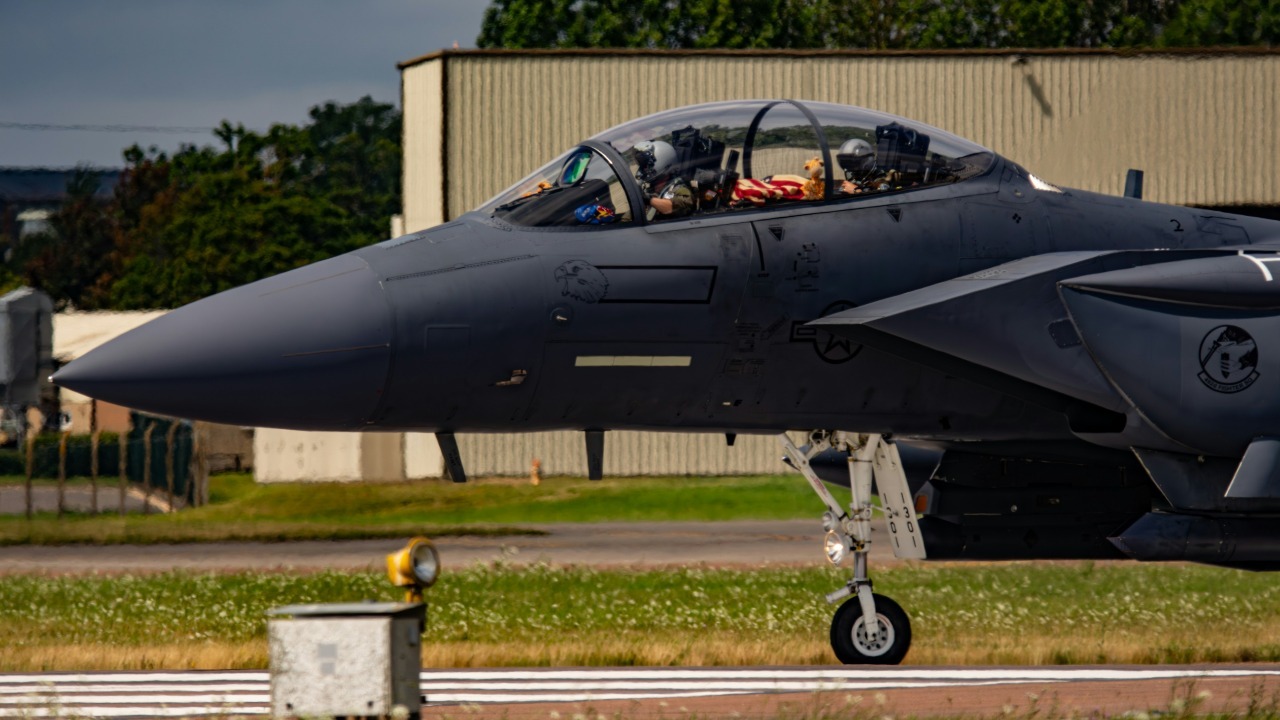
In military aviation, helmet technology is a game-changer for pilots. Enhanced situational awareness is one of the most significant benefits, as helmets now offer real-time data and visuals, ensuring pilots have the critical information needed for decision-making during missions. This capability is crucial during high-speed maneuvers where split-second decisions can determine outcomes.
Advancements in materials and design have also resulted in better protection for pilots. With helmets designed to withstand extreme conditions, the risk of injury during high-stress scenarios is significantly reduced. Additionally, augmented reality-equipped helmets are transforming pilot training and mission rehearsals, providing immersive experiences that enhance preparedness and skill.
Commercial Aviation and Supersonic Travel

Helmet technology’s role in commercial aviation is becoming increasingly pivotal. With an eye on enhancing pilot efficiency and safety, modern helmets in commercial jets are equipped with technologies that streamline communication and improve situational awareness. This integration ensures that pilots can manage complex flight systems with greater ease, ultimately improving flight safety.
The evolution of helmet technology is also making waves in the realm of supersonic travel. Companies like Boom Supersonic, which is developing the XB-1, are integrating advanced helmet tech into their designs to ensure pilots can handle the unique challenges of supersonic flight. As we look to the future, helmet technology is expected to continue evolving to meet the demands of next-generation aircraft, emphasizing efficiency, safety, and comfort.
Sports Applications and the New York Jets

Helmet technology is also making significant strides in the sports industry, particularly for teams like the New York Jets. The integration of helmet-mounted cameras and sensors provides unprecedented insights into player performance and health. These tools allow coaches to analyze plays and make data-driven decisions that enhance team strategy and individual performance.
Safety enhancements are another crucial aspect, with advanced helmet designs helping to reduce concussion risks and improve player safety. For instance, the New York Jets have adopted high-tech helmets that offer enhanced protection and monitoring capabilities. This move not only prioritizes player safety but also aids in developing training innovations that shape the future of the sport. Read more about the Jets’ use of helmet-mounted cameras and how they are revolutionizing training for quarterbacks.
Challenges and Considerations
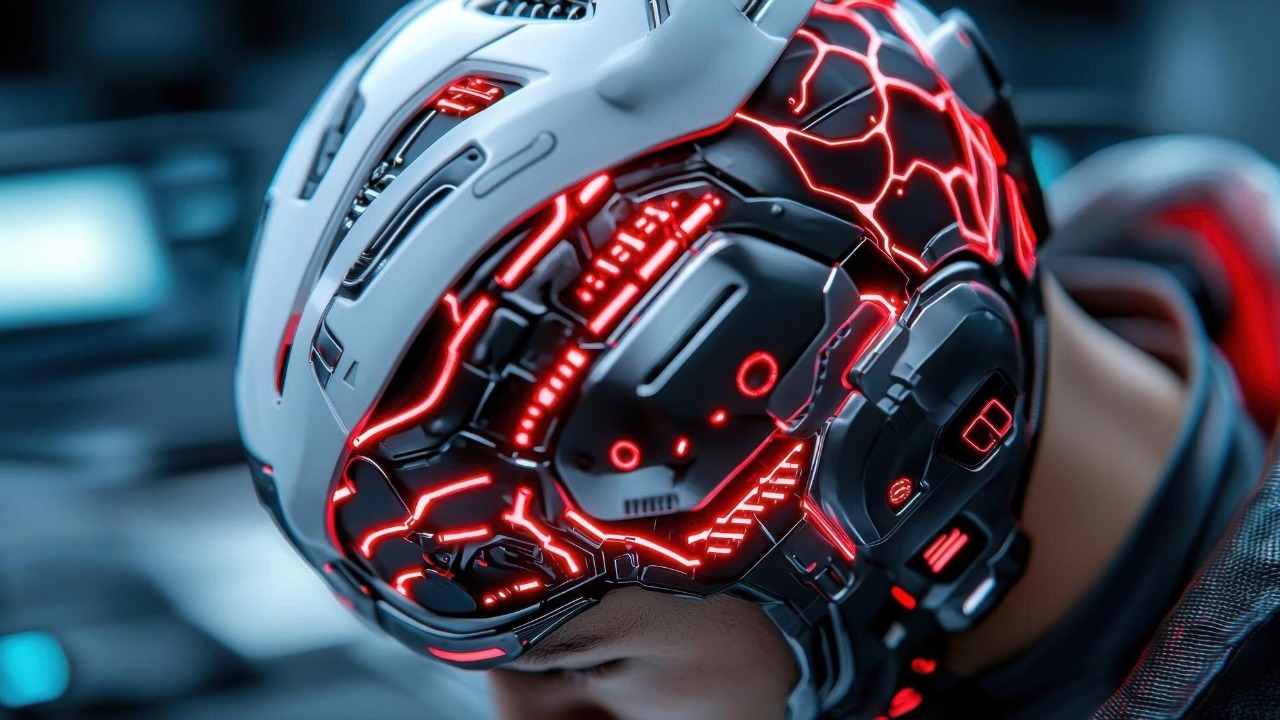
While the benefits of advanced helmet technology are clear, there are challenges and considerations that must be addressed. The cost of implementing such technology across industries can be significant, potentially limiting accessibility for smaller organizations or teams. Balancing the investment with the benefits is a critical discussion point for stakeholders.
Privacy concerns also arise from the data collection and monitoring capabilities embedded in modern helmets. Ensuring that data is used responsibly and ethically is paramount to maintaining trust among users. Furthermore, technological limitations still exist, highlighting the need for continuous innovation to overcome current barriers. These challenges must be navigated carefully to ensure that helmet technology reaches its full potential.
The Future of Helmet Technology
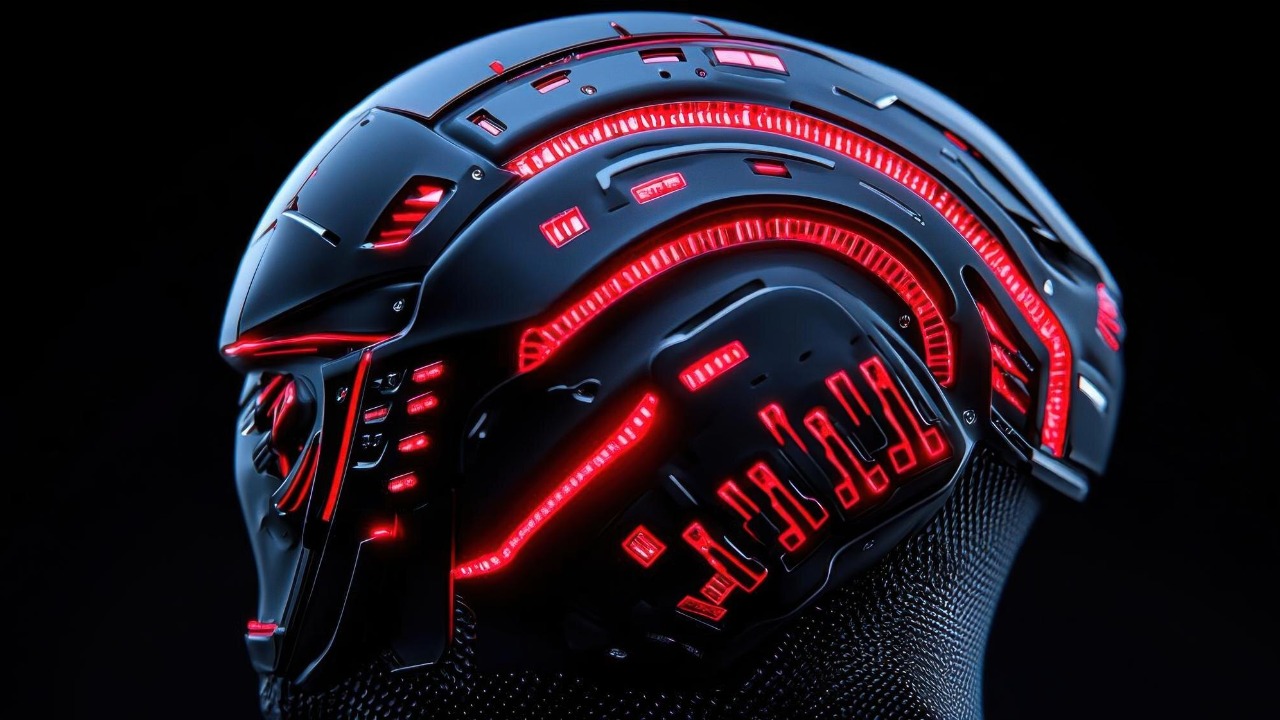
Looking ahead, the integration of artificial intelligence (AI) into helmet technology holds great promise. AI could enhance helmet functionality by improving decision-making processes and automating certain tasks, further increasing safety and efficiency. This advancement could revolutionize how helmets are used across multiple sectors.
Establishing universal standards for helmet technology is also crucial as it ensures compatibility and safety across industries. As helmet tech continues to evolve, having a standardized framework will be essential for widespread adoption. The broader implications of this technology are vast, with potential societal impacts ranging from improved safety standards to new opportunities for innovation in fields previously untouched by helmet advancements. The journey of helmet technology is one of continuous evolution, promising a future where it plays an even more integral role in aviation, sports, and beyond.