
Humans have long been fascinated by the idea that animals might have the ability to predict weather changes. Whether it’s through instinct or heightened senses, several species exhibit behaviors that some interpret as signs of impending weather shifts. Observing these behaviors can offer a unique glimpse into the natural world and its potential connections to weather patterns.
Birds Altering Flight Patterns
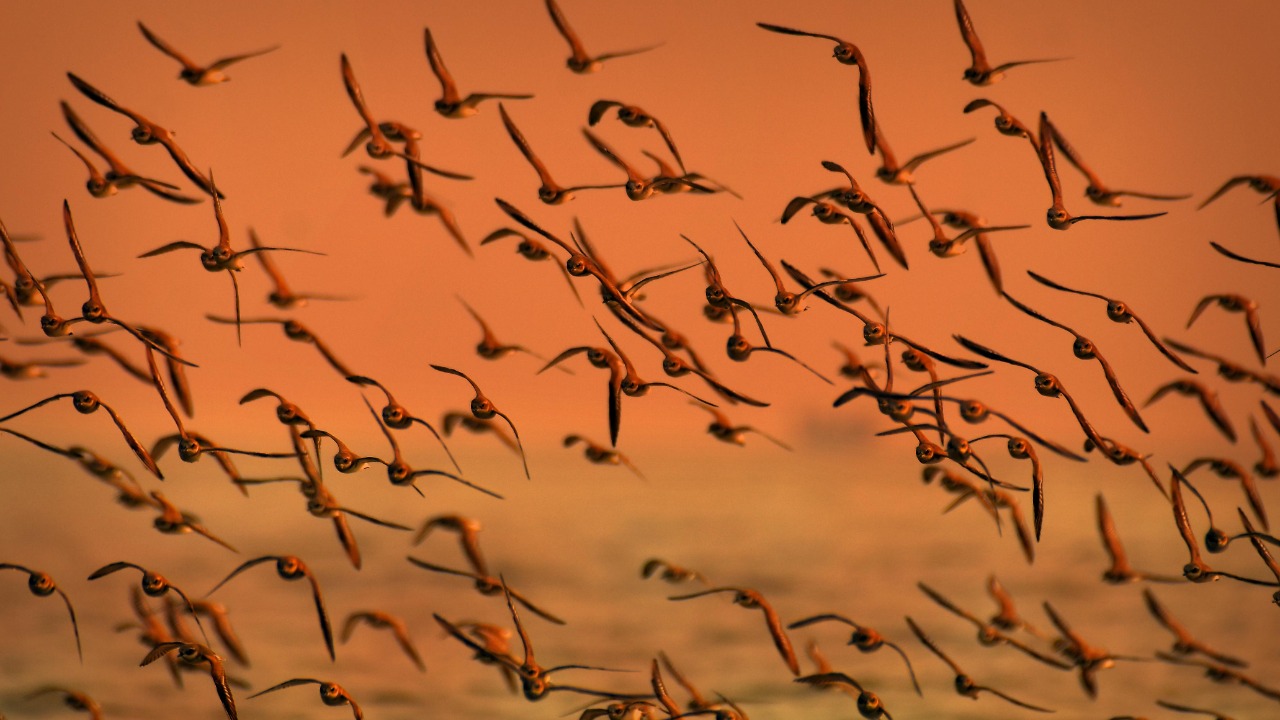
Birds are known for their impressive navigational skills, and some believe they can also predict weather changes. When birds fly lower to the ground, it might indicate an incoming storm. The theory is that changes in air pressure affect their flight patterns, prompting them to seek lower altitudes where the air is more stable. Birds may also adjust their migratory routes to avoid adverse weather conditions, showcasing their remarkable adaptability.
While there is scientific debate over the accuracy of birds as weather predictors, anecdotal evidence suggests a correlation between their flight behavior and weather changes. Farmers and sailors have historically relied on bird movements as an early warning system for approaching storms.
Cows Lying Down in Fields
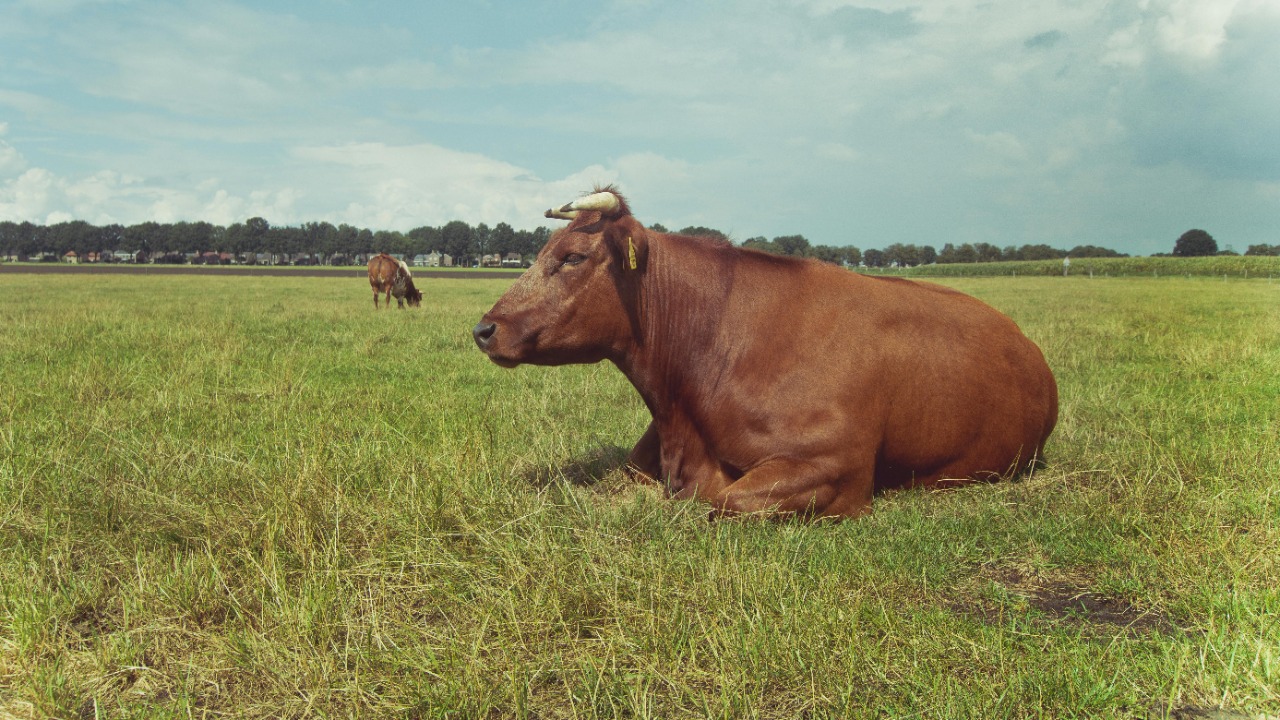
One of the more charming rural beliefs is that cows lying down in fields signal imminent rain. This behavior could be attributed to cows seeking comfort on dry ground before the rain begins, as damp conditions can be uncomfortable for them. It’s a simple yet intriguing example of how animals might sense weather changes before they become apparent to us.
While scientific backing for this behavior as a reliable weather predictor is limited, many farmers still swear by the cow’s actions as a natural barometer. Whether it’s a coincidence or a true instinctual response, it remains a popular and charming piece of folklore.
Frogs Croaking Louder
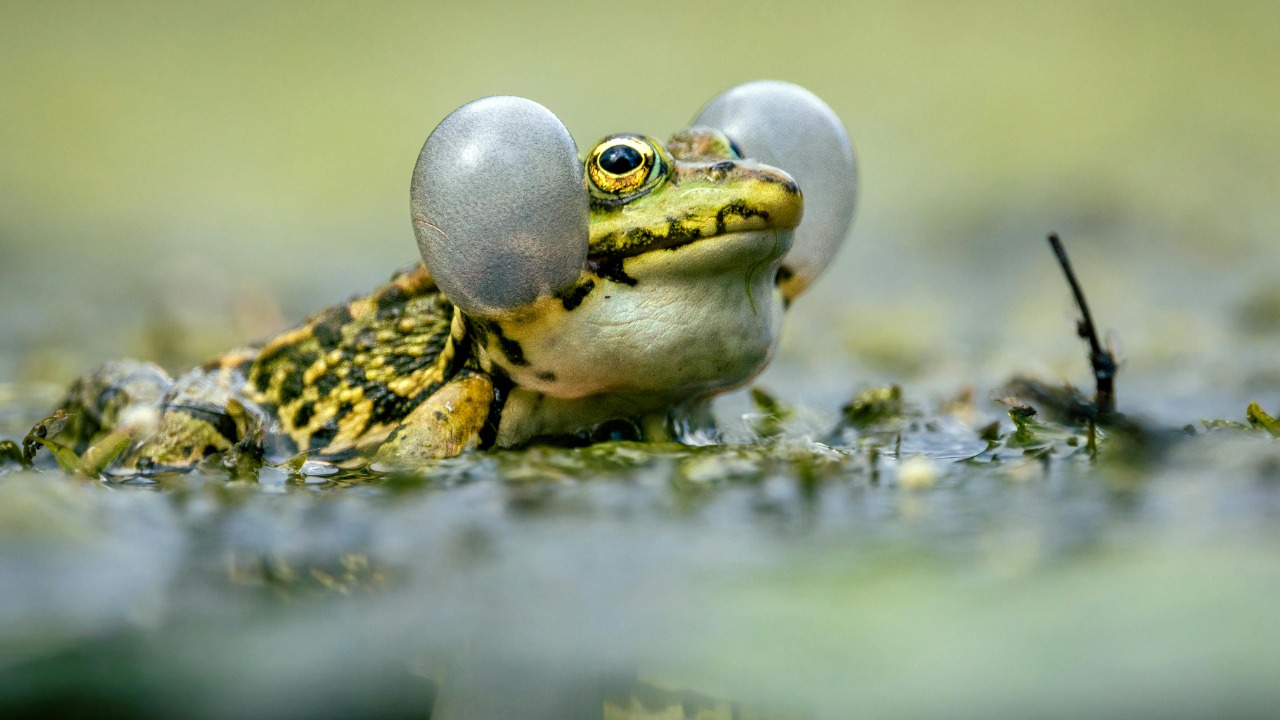
Frogs are known to increase their croaking volume before it rains, a behavior that has intrigued scientists and laypeople alike. The reason behind this may be tied to humidity and pressure changes, which can stimulate frogs’ vocal cords. This intensified croaking is often seen as a harbinger of rain, lending credence to the idea that frogs might be attuned to atmospheric changes.
Some experts suggest that increased croaking could also be related to mating behaviors, as frogs often breed during wet seasons. Regardless of the exact cause, the phenomenon offers an intriguing glimpse into how frogs might use their senses to anticipate environmental changes.
Ants Building Larger Mounds
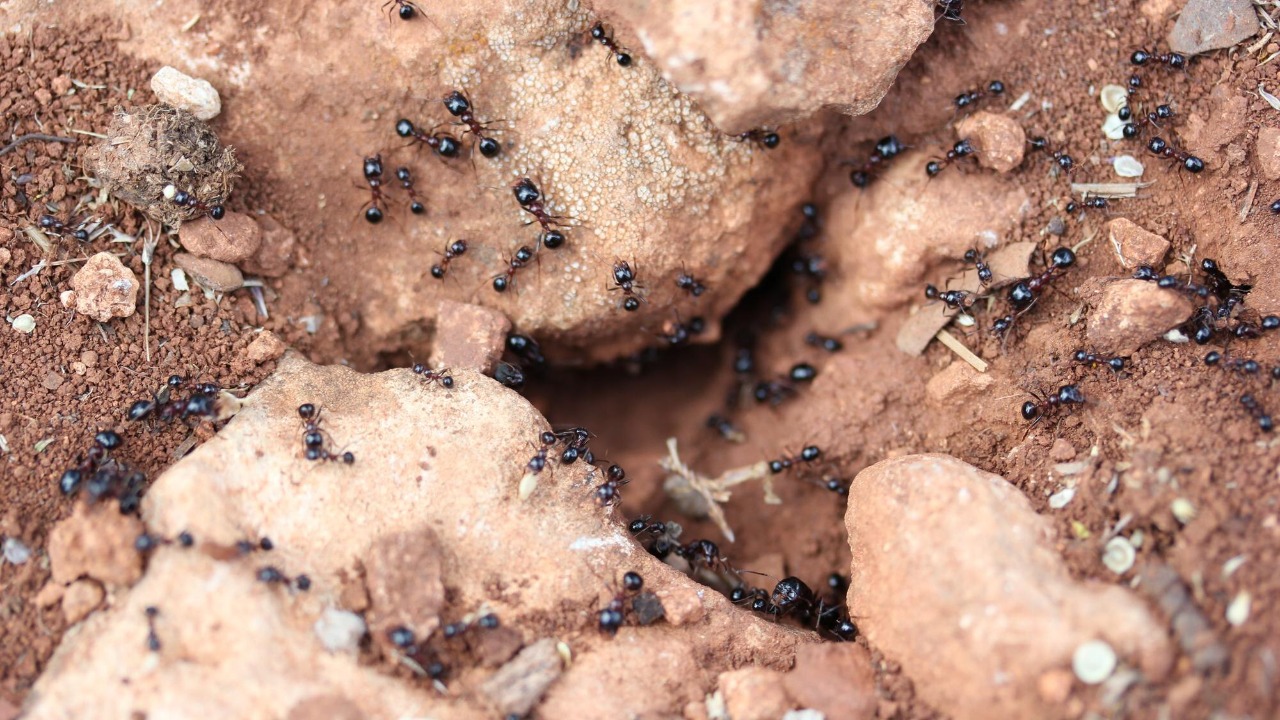
Ants are industrious creatures, and their mound-building behavior may serve as an early warning system for weather changes. When ants build higher mounds, it is often believed to indicate impending rain. The theory is that they are fortifying their homes against potential flooding by constructing more robust structures.
While the connection between ant behavior and weather prediction is primarily anecdotal, it offers a fascinating look at how insects might respond to environmental cues. Observing ant activity can provide a window into their complex social structures and adaptability to changing conditions.
Cats Grooming Against the Grain

Cats are known for their meticulous grooming habits, but when they start grooming against the grain, some believe it signifies an upcoming storm. This unusual behavior might indicate discomfort caused by changes in atmospheric pressure, prompting them to groom more vigorously.
Though scientific validation is sparse, cat owners often observe unusual behaviors like grooming patterns or restlessness before storms. These observations underscore the potential for animals to sense environmental changes through heightened awareness.
Bees Retreating to Their Hives
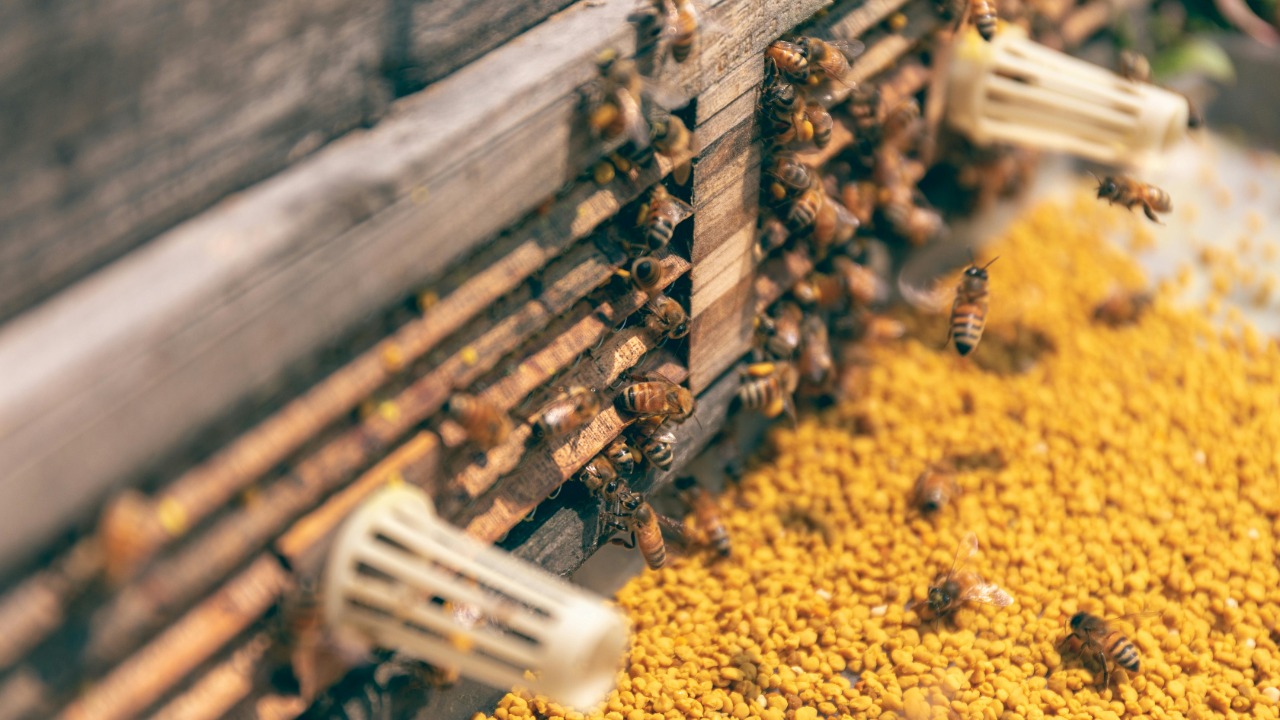
Bees are sensitive to changes in weather, and their behavior can serve as an indicator of an approaching storm. When bees retreat to their hives, it might suggest that they sense a change in pressure or humidity. This behavior ensures their safety and protects their hive from adverse weather conditions.
Beekeepers often notice these patterns and use them as a natural guide for weather prediction. The relationship between bees and weather underscores their important role in the ecosystem and their potential ability to sense atmospheric shifts.
Spiders Spinning Thicker Webs
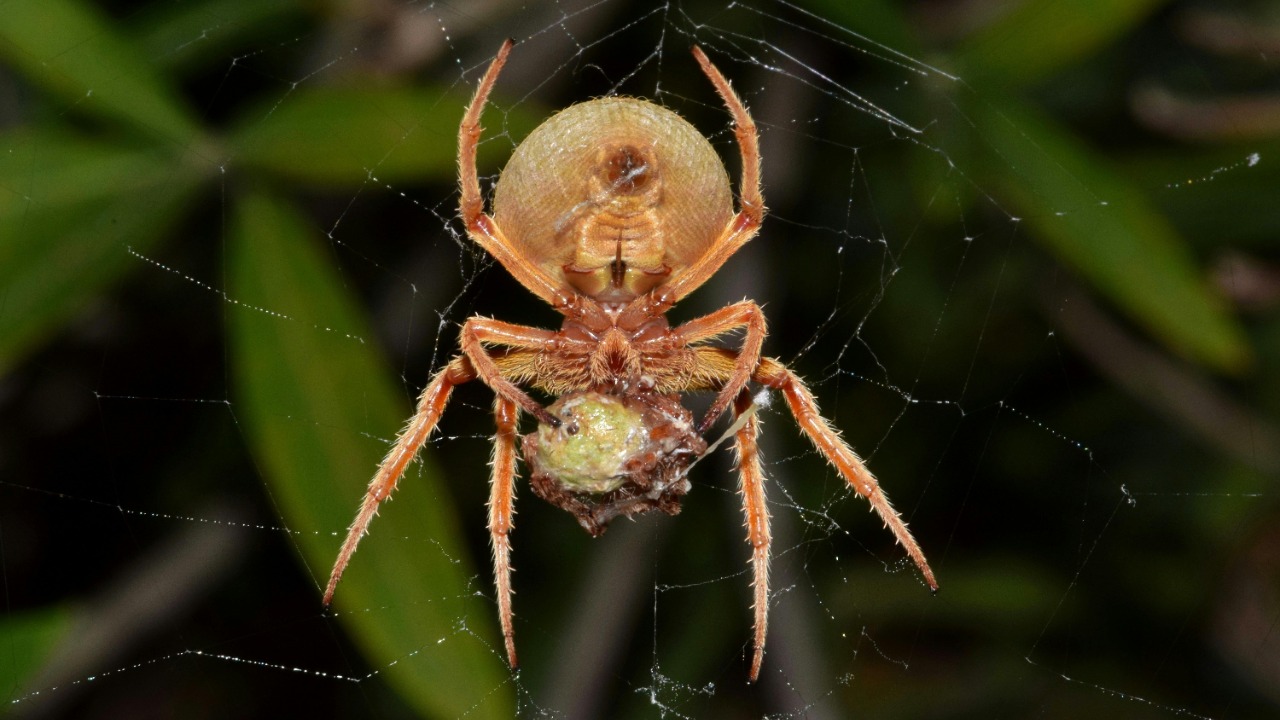
Spiders are known to spin thicker webs when they anticipate rain. The theory is that the thicker strands help the web withstand the impact of raindrops, ensuring its structural integrity. Observers often see this as a sign of an impending weather change, reflecting the spider’s ability to adapt to environmental shifts.
This behavior highlights the ingenuity of spiders and their capacity to respond to potential threats. While the accuracy of using spider webs as weather predictors is debated, it remains a fascinating example of how animals might sense and prepare for changes in their environment.
Sheep Huddling Together
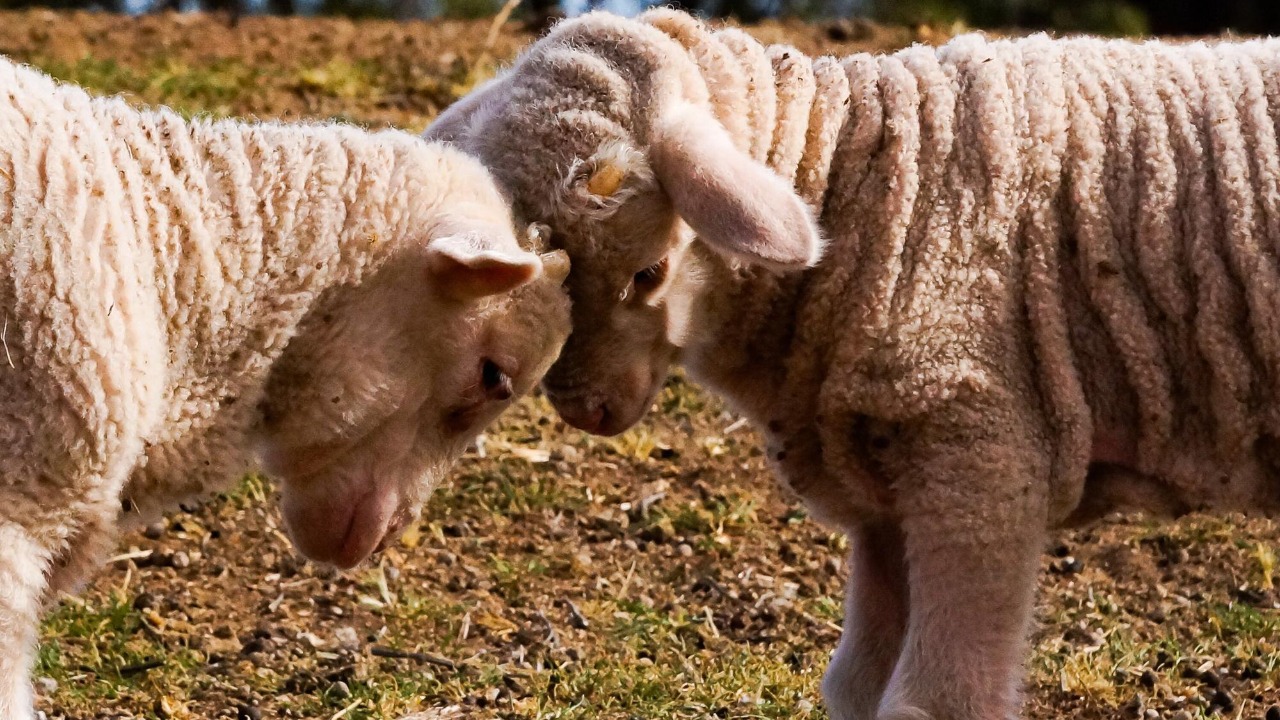
Sheep are social animals, and when they huddle together, some believe it indicates poor weather on the horizon. This behavior could be a response to temperature drops or impending rain, as clustering together conserves warmth and provides mutual protection against the elements.
Farmers and shepherds have long noted this behavior, using it as a potential weather indicator. While it might not be a foolproof method, the sight of sheep huddling together remains a charming and enduring symbol of nature’s adaptability.
