
Transforming Mars into a habitable planet is a captivating concept that has intrigued scientists and space enthusiasts alike. While the challenges are significant, the potential rewards are enormous. Here, I delve into eight innovative ways we might one day turn the Red Planet into a new home for humanity.
Atmospheric Modification
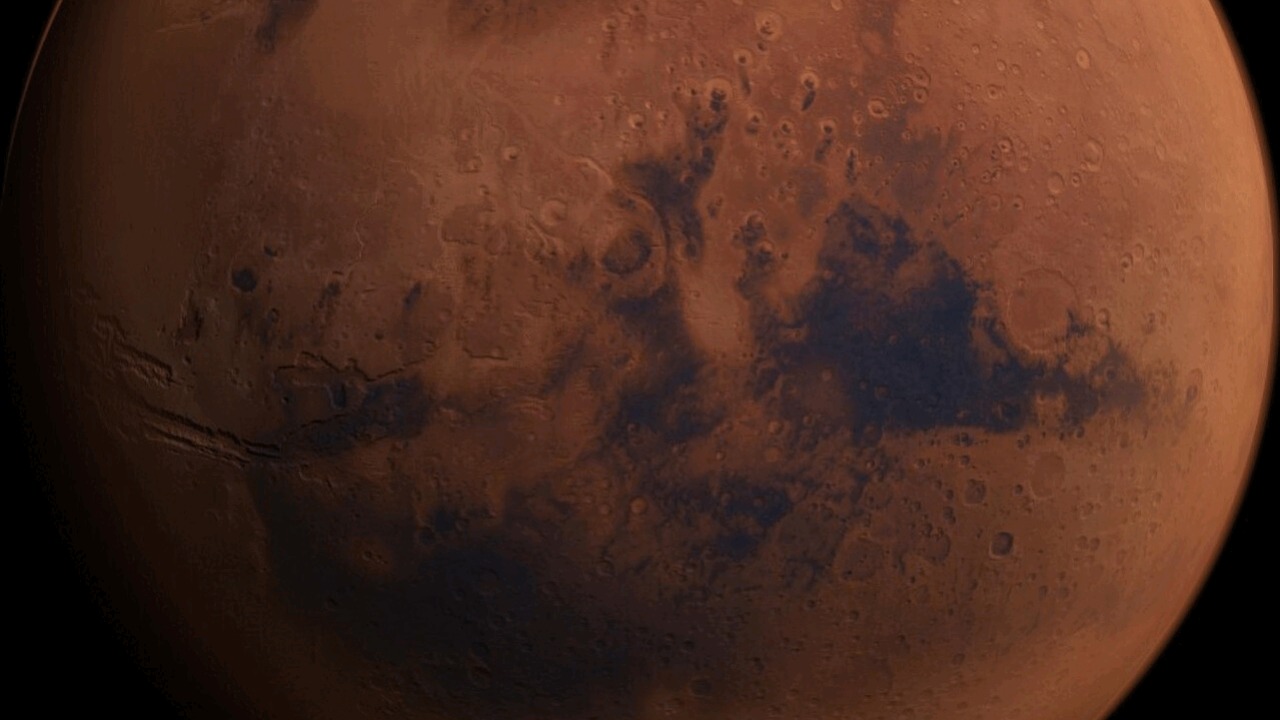
To make Mars hospitable, creating a breathable atmosphere is crucial. This involves injecting greenhouse gases into the Martian atmosphere to increase pressure and temperature. One proposed method is releasing carbon dioxide trapped in the planet’s ice caps. This process could gradually thicken the atmosphere and raise temperatures, making it more Earth-like.
However, the challenge lies in the sheer amount of gases needed, as current technology falls short. Despite this, ongoing research aims to find feasible solutions for this monumental task.
Temperature Regulation
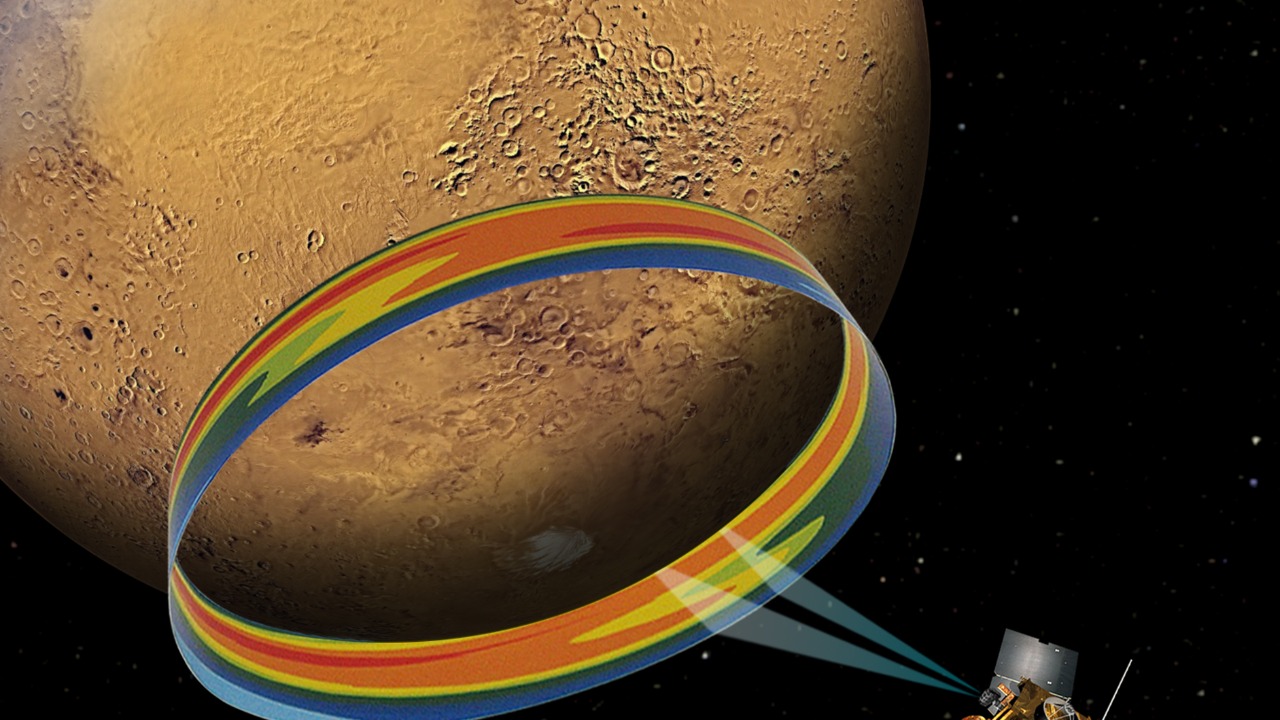
Regulating Mars’ temperature is another vital step. Introducing greenhouse gases, like methane, could help trap heat. Additionally, constructing large mirrors in orbit to reflect sunlight onto the planet’s surface might raise the temperature.
These methods, while promising, face significant technical and logistical challenges. Yet, they are part of a broader strategy to create a stable and warm environment for future colonies.
Soil Enrichment
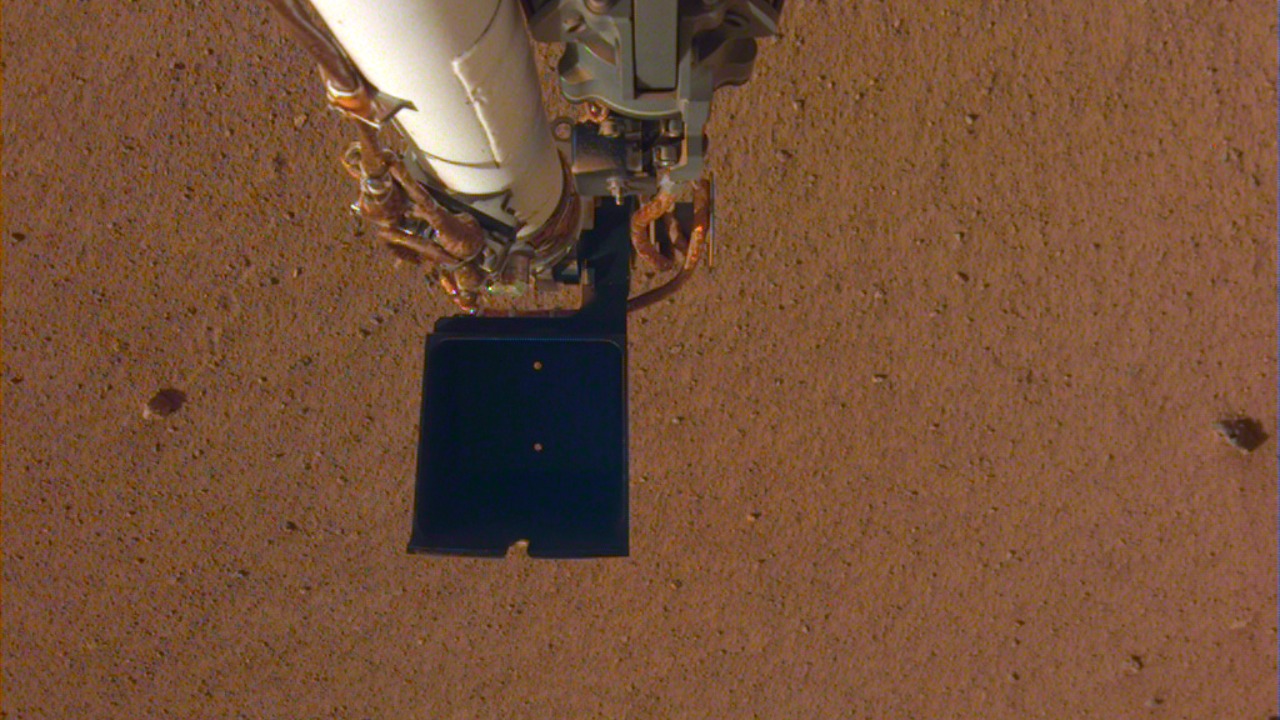
Mars’ soil lacks essential nutrients for plant growth. Enriching the soil with nutrients and minerals is vital for supporting agriculture. Adding organic matter from Earth or using bacteria to fix nitrogen are potential approaches.
This process would enable the cultivation of crops, paving the way for sustainable food production on Mars. Although challenging, soil enrichment is a critical step toward establishing a self-sufficient colony.
Water Introduction

Water is indispensable for life, and introducing it to Mars is a key goal. Melting the ice caps or importing water from other celestial bodies are possible strategies. Another method involves capturing moisture from the atmosphere using advanced technology.
While each method presents unique challenges, the presence of liquid water would significantly enhance Mars’ habitability, supporting both human settlers and agriculture.
Radiation Shielding
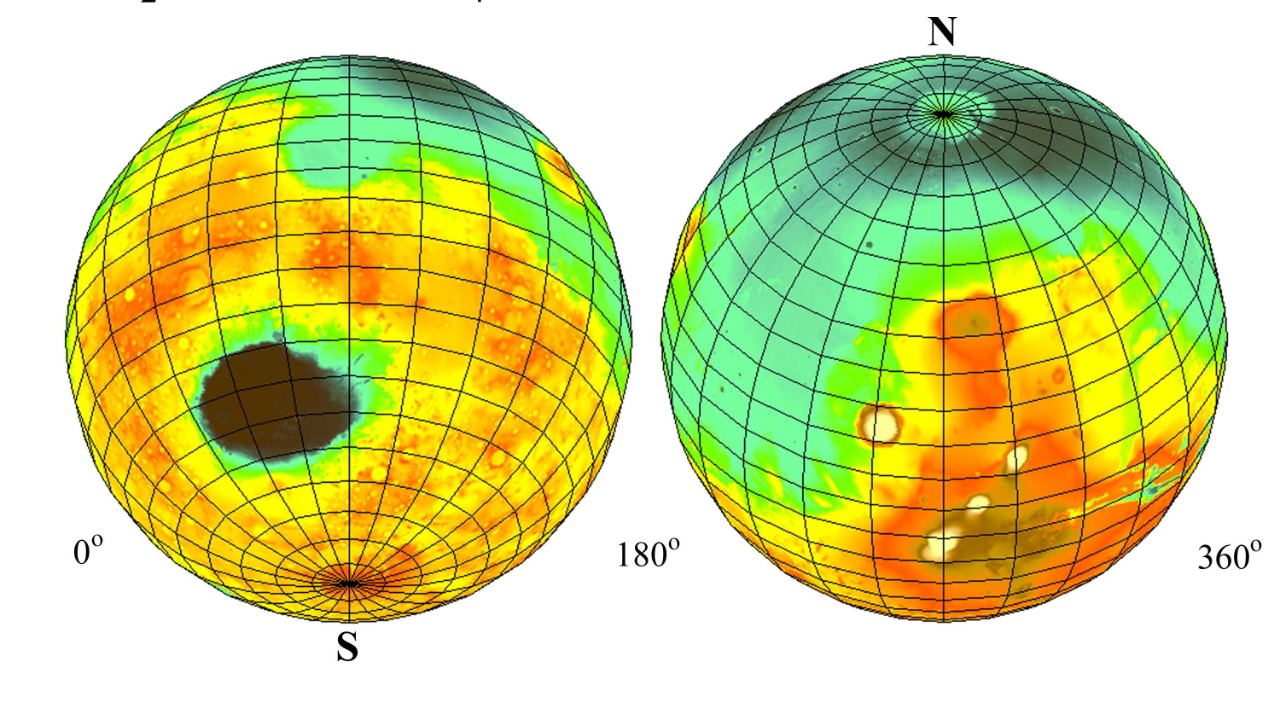
Protecting colonists from radiation is crucial due to Mars’ thin atmosphere and lack of a magnetic field. Building habitats underground or using regolith for shielding are viable solutions. Additionally, advanced materials could be developed to provide effective protection.
Implementing radiation shielding is essential for the safety and long-term health of future Martian inhabitants.
Plant and Microbial Life Introduction
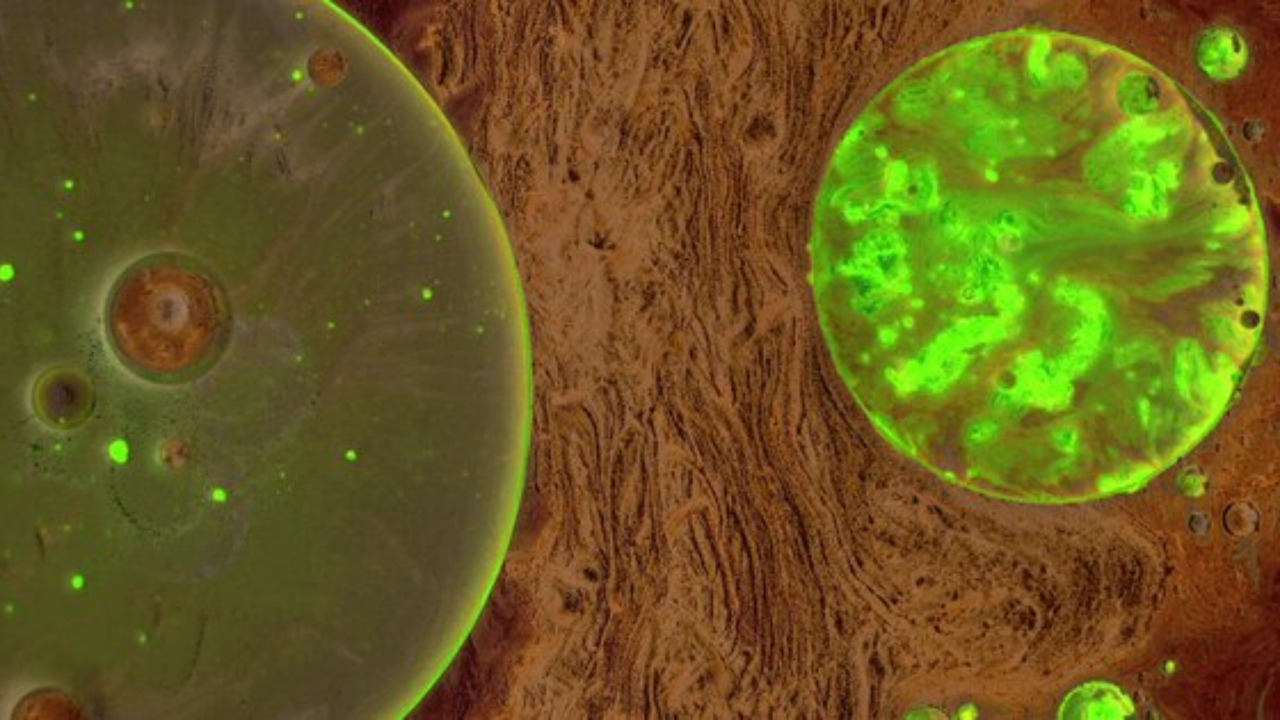
Introducing plant and microbial life is essential for ecosystem development and oxygen production. These organisms could help transform the Martian environment, promoting a stable and self-sustaining biosphere.
Though the challenges are immense, this step is crucial for creating a balanced ecosystem capable of supporting human life.
Infrastructure Development
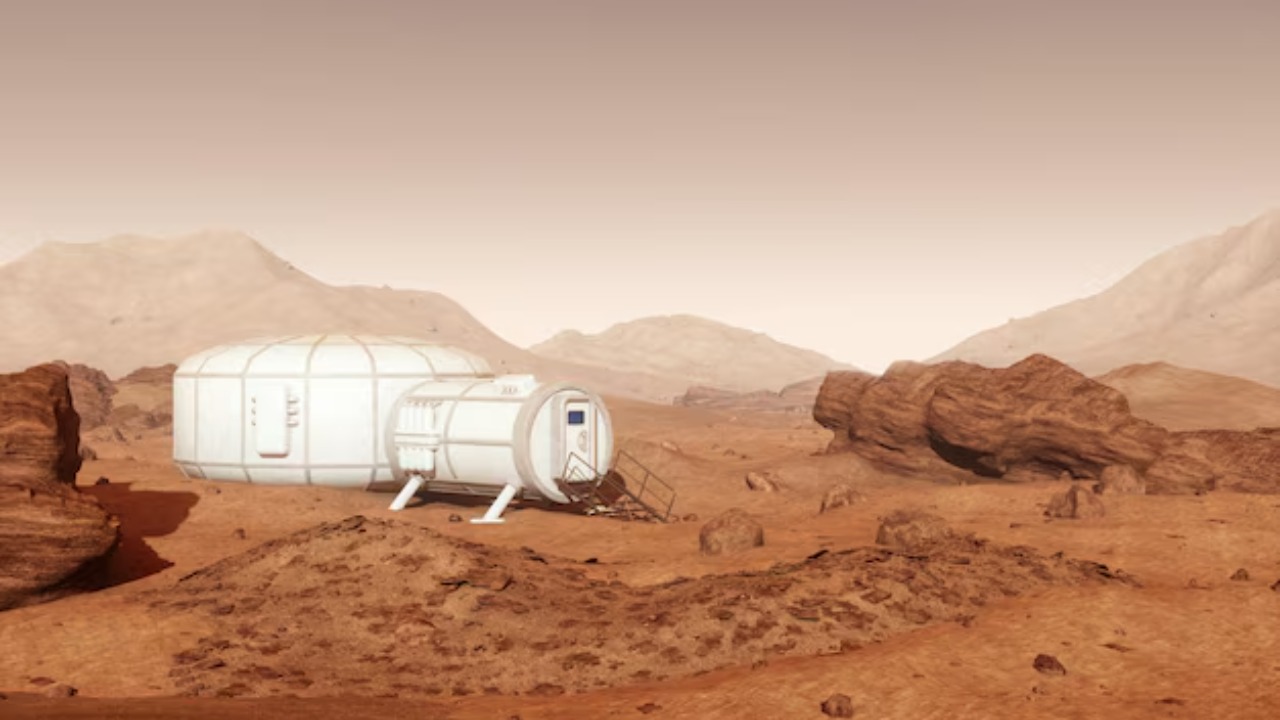
Building infrastructure is critical for sustaining a human presence on Mars. This includes habitats, transportation systems, and research facilities. Incorporating local materials like regolith in 3D printing could expedite construction.
Establishing a robust infrastructure will support long-term colonization efforts, facilitating exploration and development of the Martian environment.
Sustainable Energy Generation
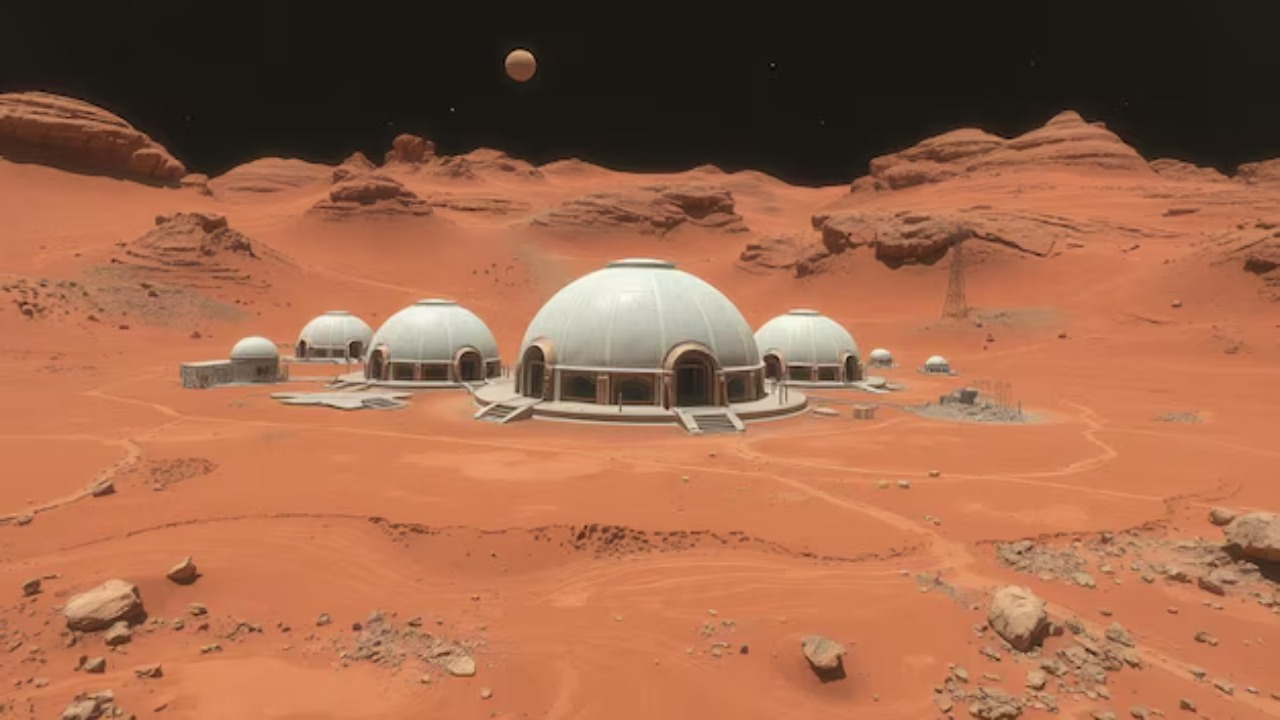
Generating sustainable energy is vital for any Mars colony. Solar power, wind energy, and potentially nuclear reactors could supply the necessary power. Harnessing the sun’s energy using solar panels is particularly promising due to Mars’ thin atmosphere.
A reliable energy source is essential for supporting life, technology, and the overall terraforming process on Mars.
