
Credit card skimmers are a growing concern for consumers. These devices can be cleverly disguised to capture your card information without your knowledge. By being vigilant and knowing what to look for, you can protect yourself from this type of fraud. Here are eight ways to spot a credit card skimmer.
1) Examine the Card Reader for Tampering
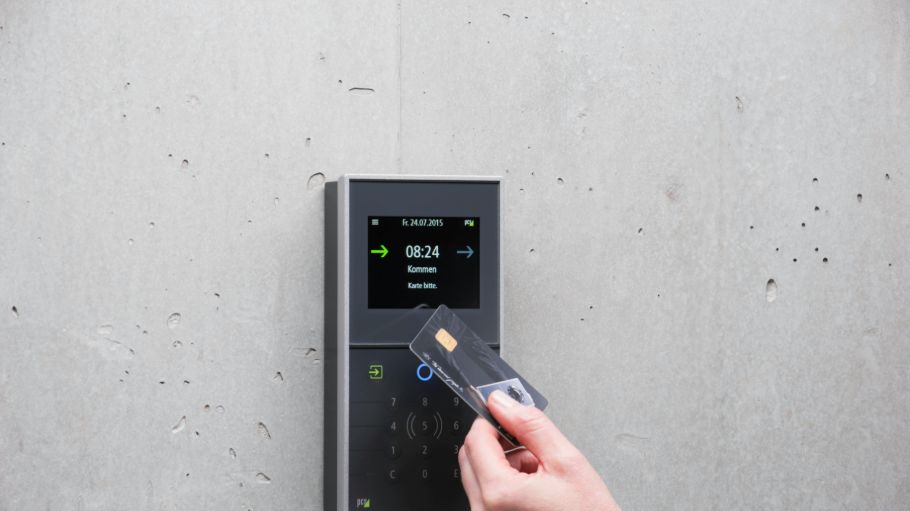
One of the first steps I take when approaching a card reader is to check for signs of tampering. A skimmer may be attached over the existing card reader, making it look slightly out of place. If the reader seems loose or misaligned, it could be a red flag. Comparing the reader with adjacent machines can also help identify discrepancies. For more detailed information, check out this guide on card skimmers.
2) Check for Loose or Bulky Keypads
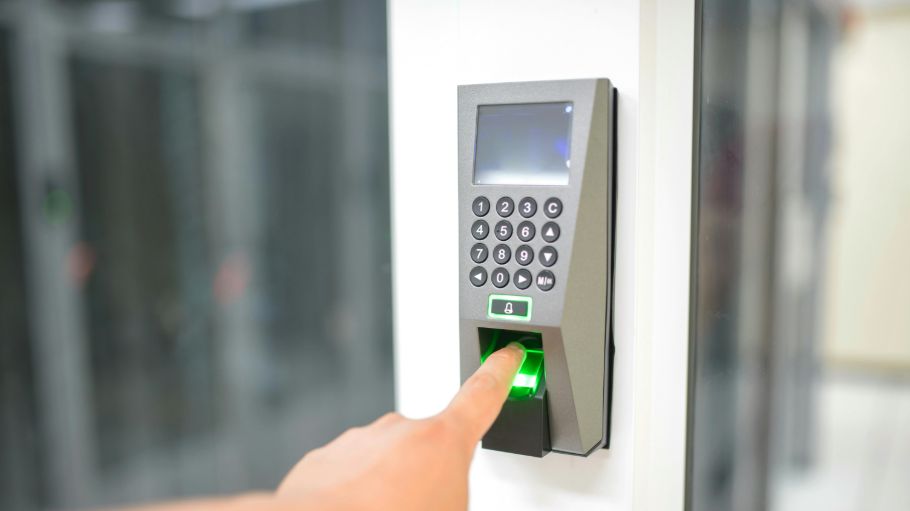
Skimmers often come with secondary keypads placed over the original ones to capture PINs. If the keypad feels loose or appears bulkier than usual, it might be a skimmer. It’s helpful to press down on the keypad; if it moves or feels soft, it could indicate a problem. Being aware of these signs can help you avoid becoming a victim of card fraud.
3) Inspect the Surrounding Area for Unusual Attachments
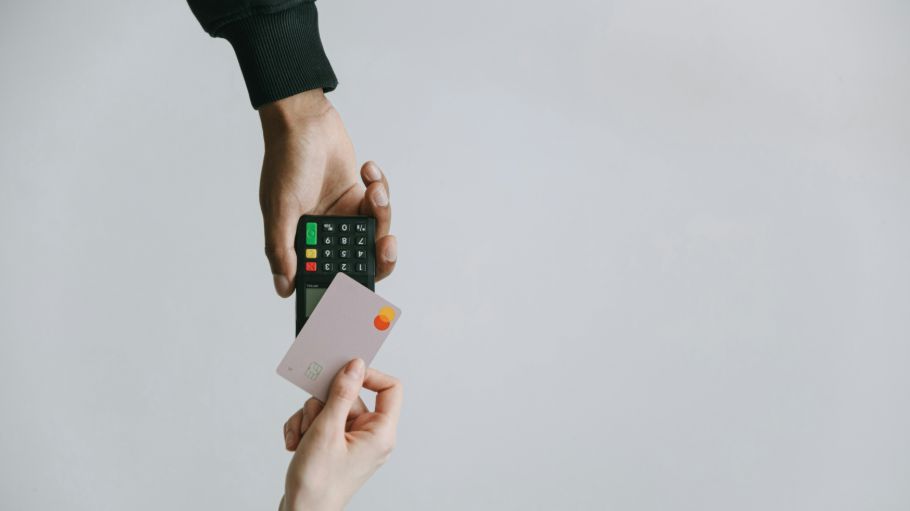
Besides the card reader, I make sure to inspect the surrounding area for any unusual attachments. Skimmers can include extra pieces that blend in with the machine’s design, such as false panels or unusual wires. These additions can be cleverly concealed, so a thorough inspection is crucial. For further insights, take a look at this article on spotting card skimmers.
4) Look for Hidden Cameras
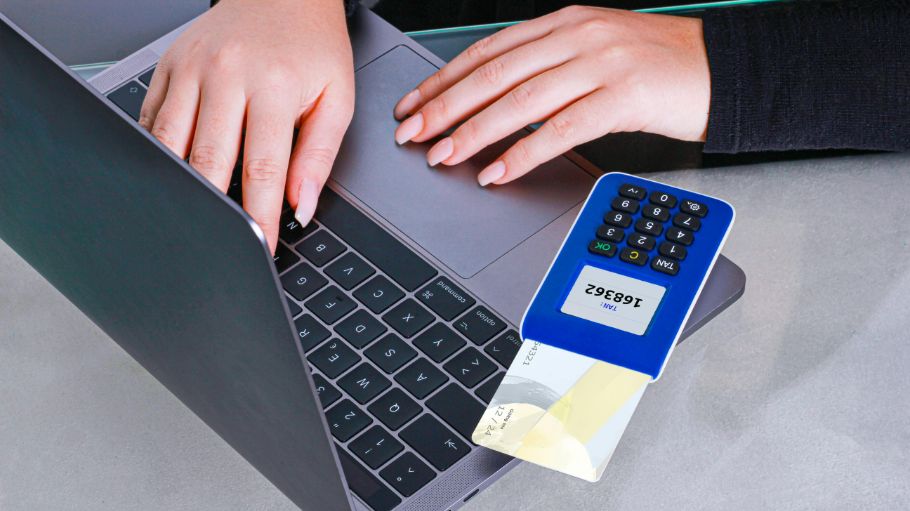
Hidden cameras can be used in tandem with skimmers to record PIN entries. I always check for tiny holes or openings near the card reader that could conceal a camera. These can be as small as a pinhole and are often placed in inconspicuous locations. Covering the keypad with your hand while entering your PIN is an additional precaution.
5) Test for Bluetooth Signals

Many modern skimmers use Bluetooth technology to transmit data. I make it a habit to use my smartphone to check for any unusual Bluetooth signals in the area. If I detect any strange or unidentified signals, I proceed with caution and report my findings to the authorities. This simple step can thwart criminals who rely on wireless technology to steal information. Here’s a resource that discusses Bluetooth skimmers in detail.
6) Scrutinize the Card Slot for Extra Parts
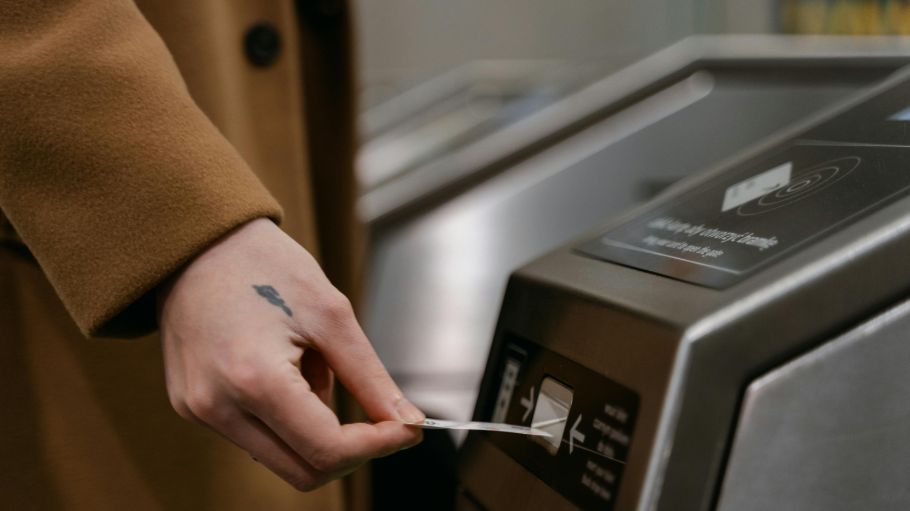
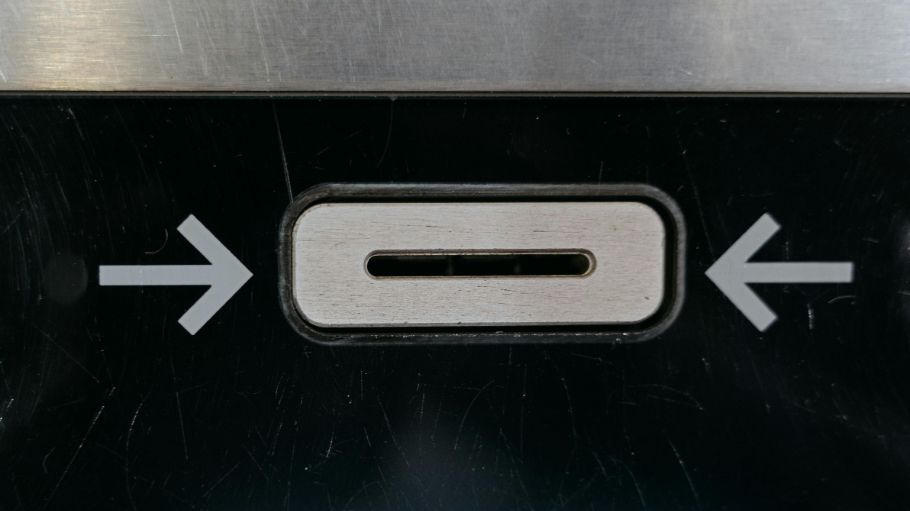
Before inserting my card, I always take a close look at the card slot. Skimmers are often placed inside the slot, making it appear slightly different from a normal slot. If I see anything that looks out of place, I refrain from using the machine. Checking for external pieces that aren’t flush with the machine can also indicate tampering.
7) Be Wary of Unfamiliar or Unbranded Devices
I am cautious of using card readers or ATMs that appear unfamiliar or lack branding. Legitimate machines typically display a logo or brand name. If a machine seems generic or off-brand, it could be a skimming device. Using machines located in secure or well-lit areas can reduce the risk of encountering fraudulent devices. Learn more with this study on card skimming devices.
8) Observe for Signs of Adhesive or Tape Residue
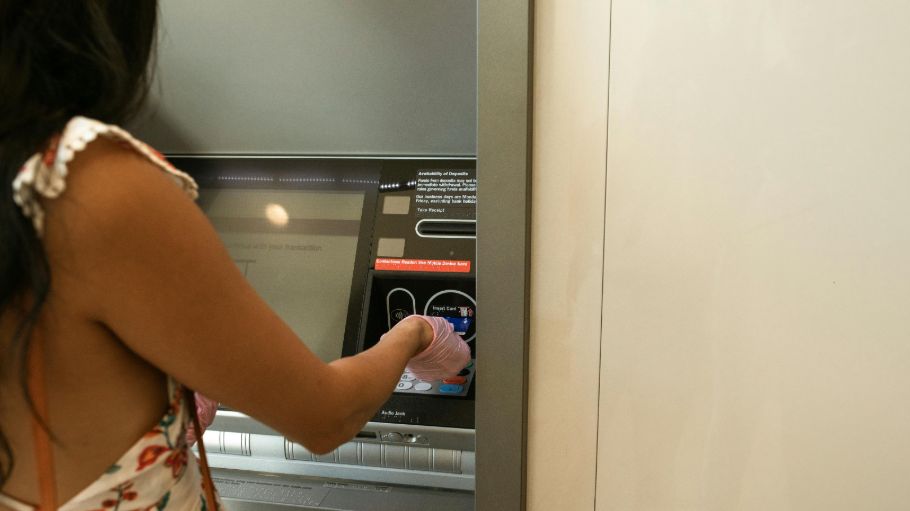
Finally, I inspect the machine for any signs of adhesive or tape residue. Skimmers are often attached using adhesives, and remnants can be a telltale sign of tampering. If I spot residue, I avoid using the machine and report it to the appropriate authorities. Staying alert and informed can help prevent credit card fraud.
