
Unmanned vehicles are revolutionizing ocean patrol by offering cost-effective and efficient solutions. These advanced technologies are providing critical data and enhancing maritime security. Let’s explore eight remarkable unmanned vehicles making waves in ocean patrol.
Saildrone Explorer
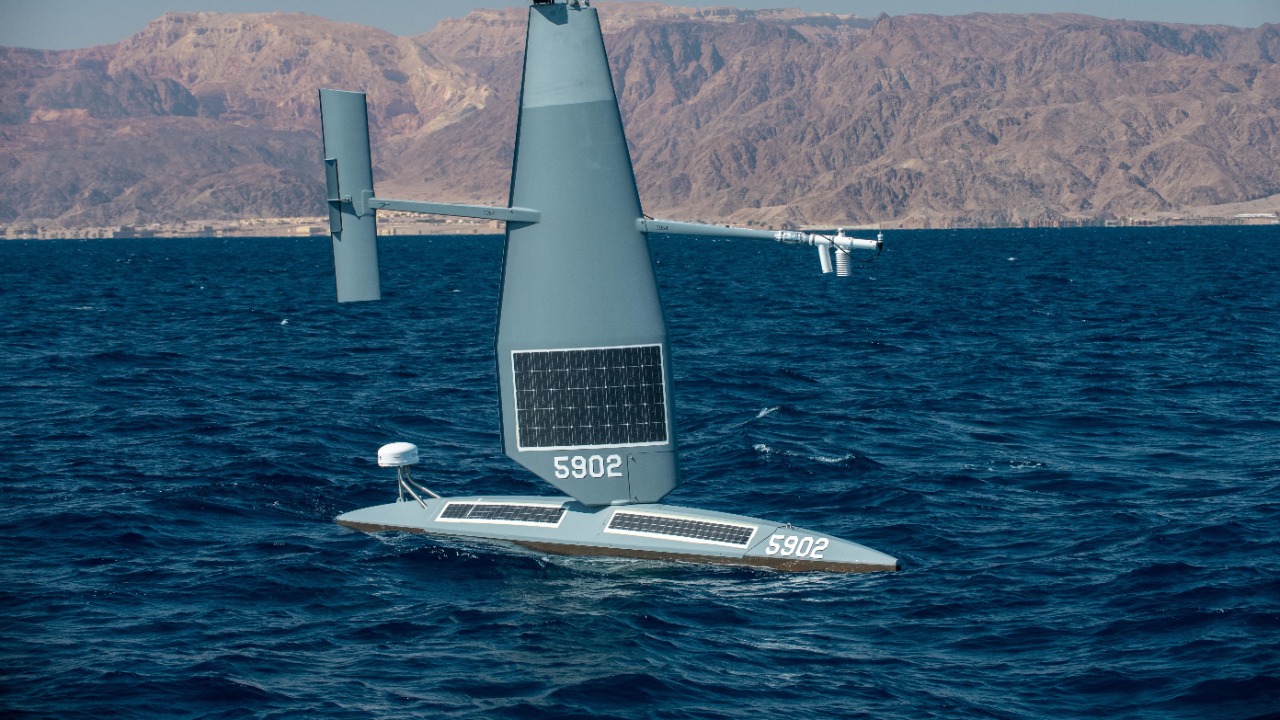
The Saildrone Explorer is a cutting-edge autonomous surface vehicle designed for long-range data collection. Powered by wind and solar energy, it can operate for extended periods without human intervention. This versatile drone serves multiple purposes, from climate research to fishery monitoring, making it an invaluable asset for oceanic studies.
Saildrone Explorer’s ability to autonomously navigate remote areas of the ocean offers a cost-effective alternative to traditional research vessels. Its robust design ensures that it can withstand harsh marine conditions, while its advanced sensors provide real-time data crucial for understanding ocean ecosystems.
Wave Glider
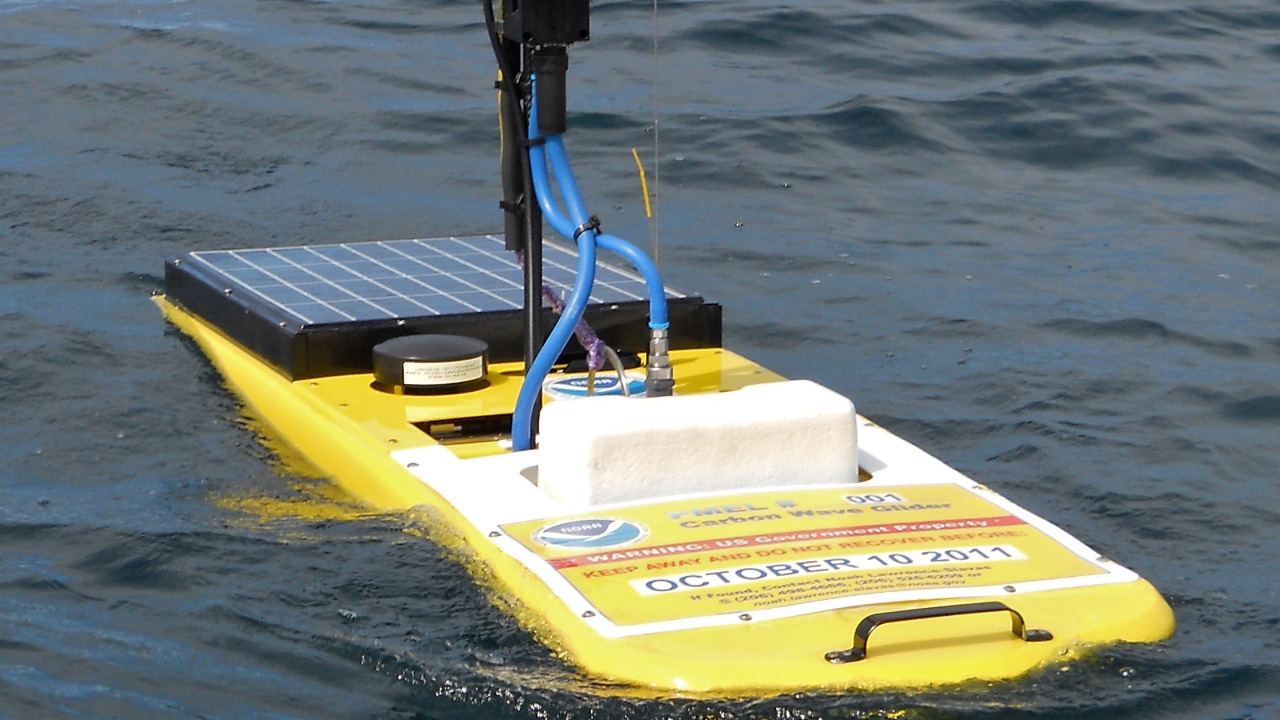
The Wave Glider is another innovative unmanned vehicle harnessing wave and solar energy to propel itself across the ocean surface. Its unique design allows it to operate indefinitely, collecting data on oceanographic and meteorological conditions. This versatile platform is used for a variety of applications, including military surveillance and environmental monitoring.
Wave Glider’s ability to autonomously navigate challenging marine environments while transmitting data in real-time makes it a valuable tool for oceanographic research. Its modular design allows for easy customization, enabling researchers to equip it with a wide range of sensors for specific missions.
Sea Hunter
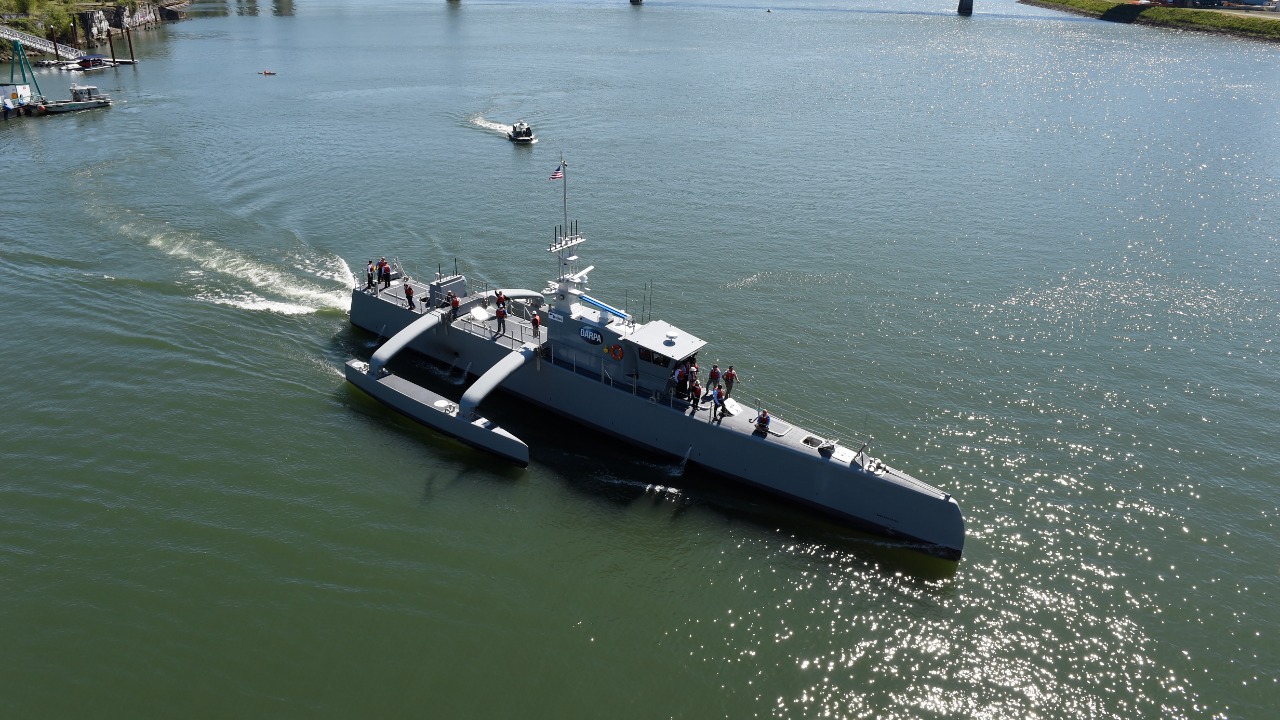
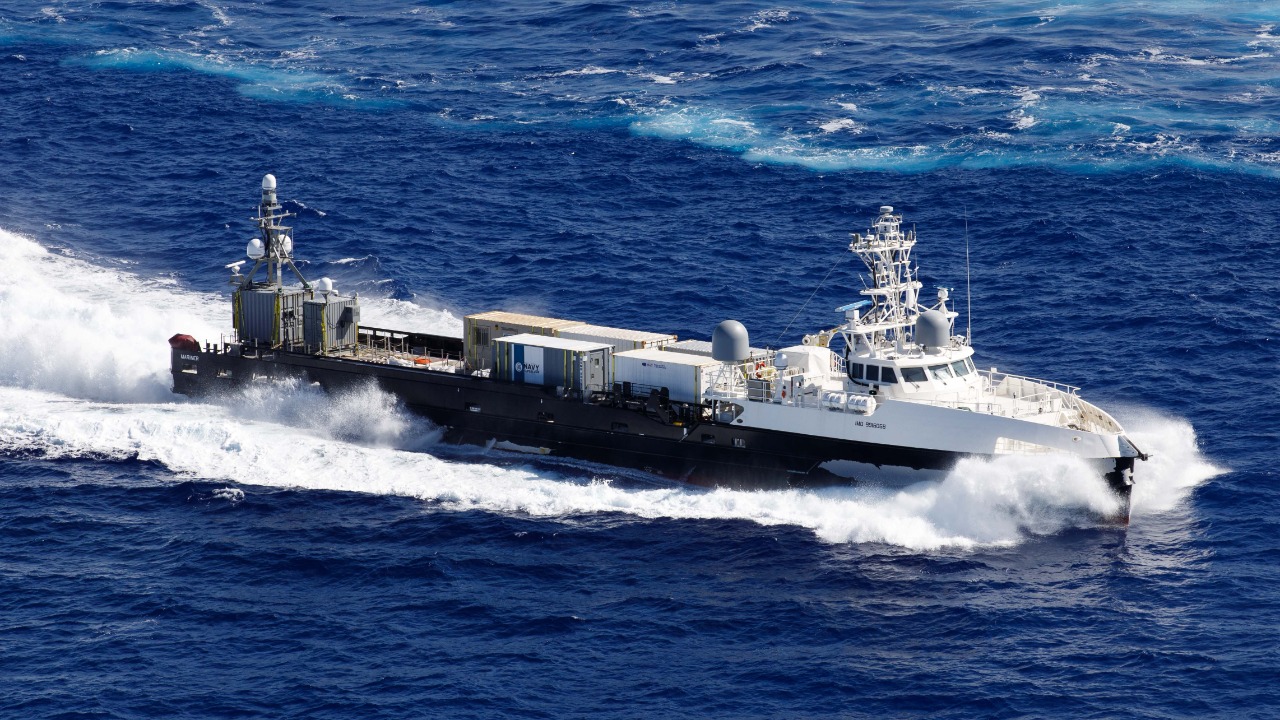
The Sea Hunter is a groundbreaking autonomous vessel developed by the U.S. Navy for anti-submarine warfare. This 132-foot trimaran can operate without a crew for months, using advanced sensors to detect and track submarines. Sea Hunter’s development marks a significant milestone in the use of unmanned systems for naval operations.
Sea Hunter’s autonomous capabilities allow it to perform complex missions with minimal human intervention, significantly reducing operational costs. Its advanced technology has the potential to enhance maritime security by providing persistent surveillance and threat detection capabilities.
Ocean Infinity Armada
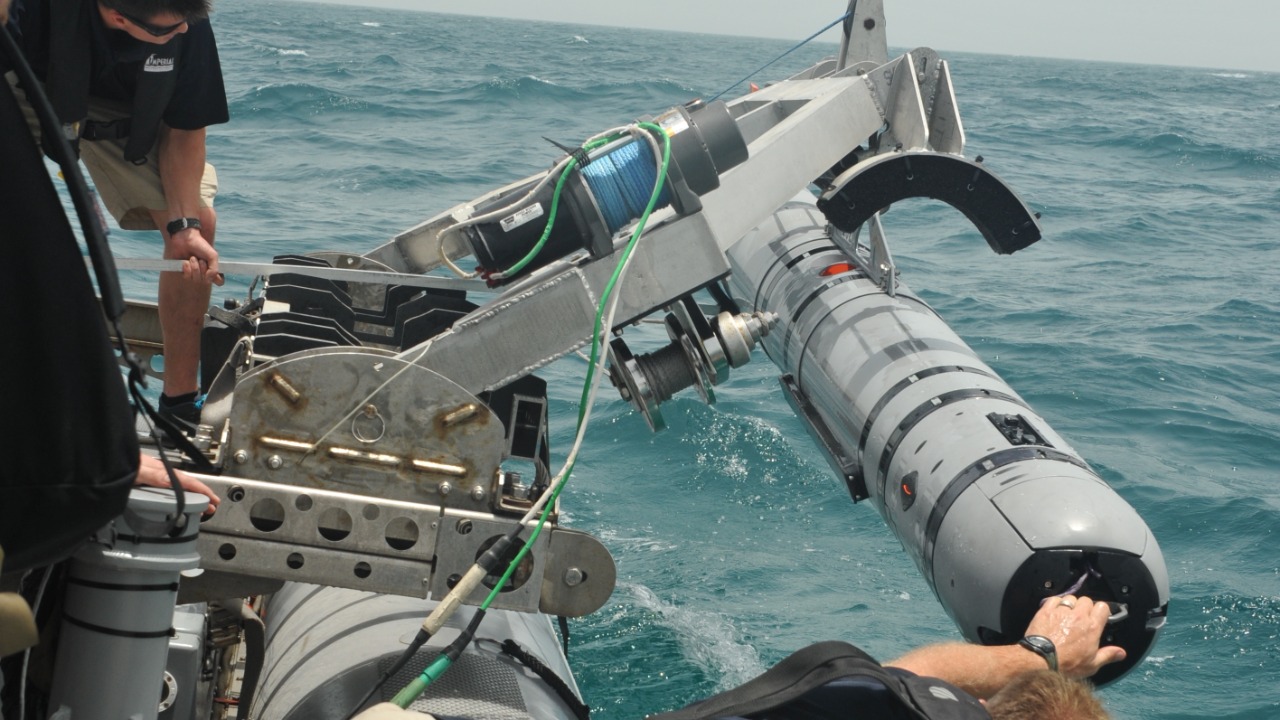
The Ocean Infinity Armada consists of a fleet of autonomous underwater vehicles (AUVs) designed for deep-sea exploration. These advanced AUVs are capable of mapping the ocean floor, conducting search and recovery missions, and performing environmental assessments. Ocean Infinity’s cutting-edge technology enables detailed surveys of the ocean depths.
Armada’s ability to operate autonomously in harsh environments makes it ideal for a wide range of applications, from oil and gas exploration to scientific research. Its high-resolution mapping capabilities provide valuable data for understanding the ocean’s complex geology and ecosystems.
Bluefin-21
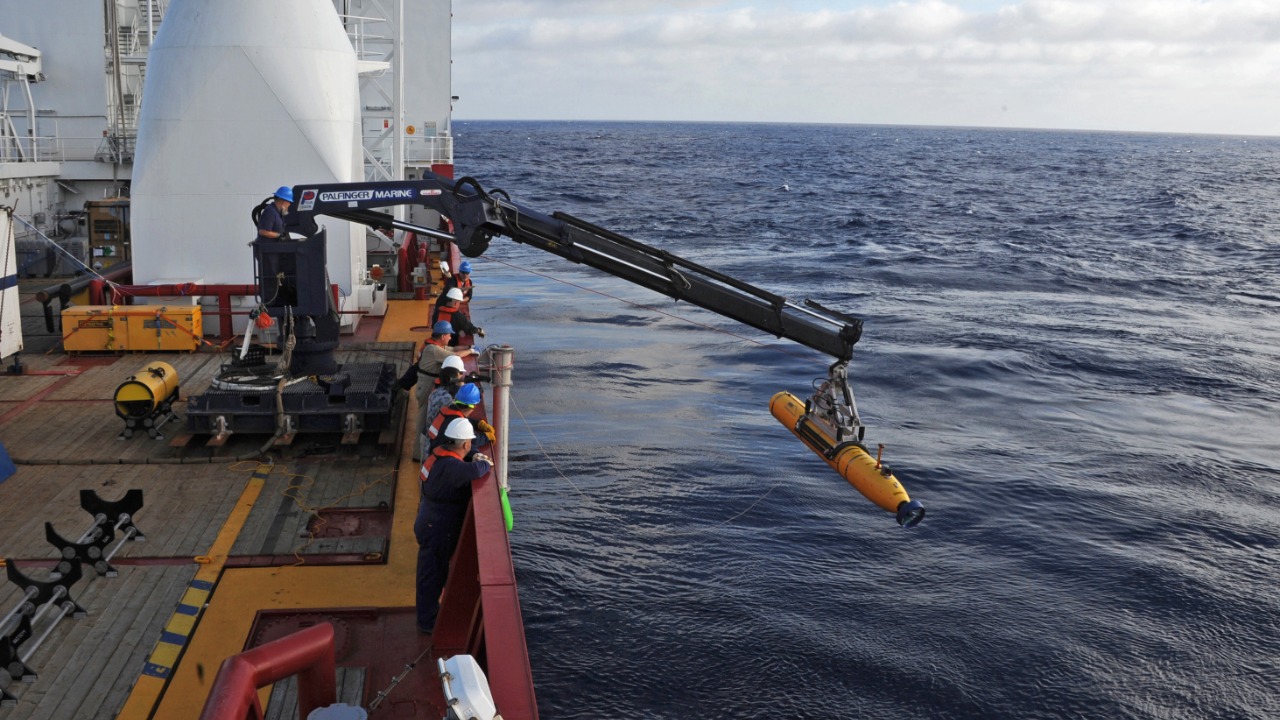
The Bluefin-21 is a versatile AUV renowned for its role in the search for Malaysia Airlines Flight MH370. Designed for deep-water missions, it can descend to depths of up to 4,500 meters while carrying a suite of scientific instruments. Its robust design and advanced technology make it a reliable tool for underwater exploration.
Bluefin-21’s ability to perform detailed surveys of the ocean floor has made it a preferred choice for government and commercial applications. Its modular design allows for customization, enabling operators to tailor it to specific mission requirements.
AutoNaut
The AutoNaut is an unmanned surface vehicle (USV) that uses wave energy to propel itself across the ocean. Designed for long-duration missions, it can operate autonomously for months, collecting valuable oceanographic data. AutoNaut’s innovative design makes it an eco-friendly alternative to traditional research vessels.
AutoNaut’s ability to operate quietly and without emissions makes it ideal for monitoring marine life and conducting environmental research. Its advanced sensors provide real-time data on ocean conditions, contributing to a better understanding of marine ecosystems.
DriX USV
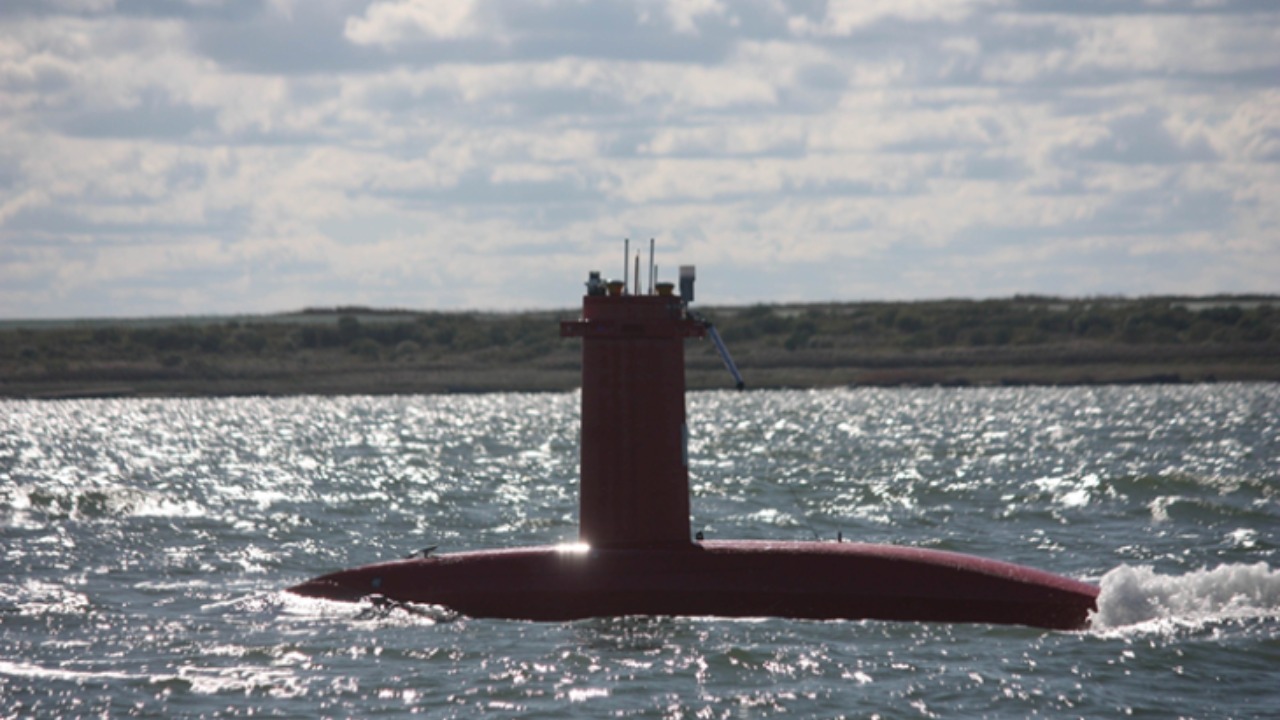
The DriX USV is a versatile unmanned surface vehicle designed for hydrographic surveys and environmental monitoring. Its unique design allows it to operate in shallow waters, making it ideal for coastal surveys. DriX’s advanced sensors provide high-resolution data, enabling accurate mapping of the ocean floor.
DriX’s autonomous capabilities reduce the need for human intervention, significantly lowering operational costs. Its ability to perform detailed surveys in challenging environments makes it a valuable tool for a wide range of applications, from scientific research to maritime security.
Proteus USV
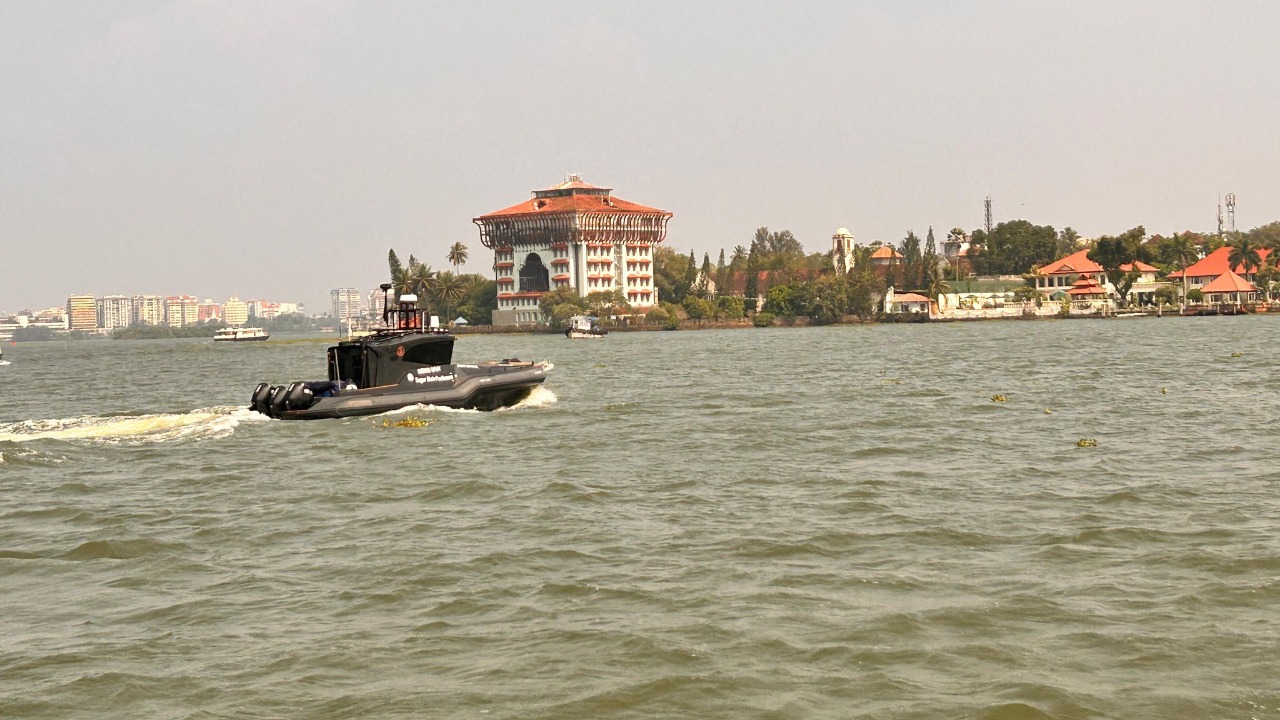
The Proteus USV is a highly adaptable unmanned surface vehicle developed for military and commercial applications. Its modular design allows for easy customization, enabling operators to equip it with a wide range of sensors and payloads. Proteus’s advanced technology provides real-time data crucial for maritime operations.
The versatility of Proteus makes it a valuable asset for various missions, from anti-piracy patrols to environmental monitoring. Its autonomous capabilities and robust design ensure reliable performance in challenging marine environments.
