
Throughout history, technology has played a crucial role in transforming the battlefield, often shifting the balance of power overnight. From ancient innovations to modern digital tactics, these advancements have redefined how wars are fought and won.
The Introduction of Gunpowder

The introduction of gunpowder in warfare marked a seismic shift in military tactics. Originally developed in China, gunpowder made its way to Europe, forever altering the landscape of combat. Armies equipped with firearms had a significant advantage over those still relying on traditional weapons, such as swords and bows. The explosive power of gunpowder artillery allowed for more effective sieges and changed the architecture of fortifications.
This technology democratized power on the battlefield, enabling even smaller forces to challenge larger, well-established armies. The rise of gunpowder weapons eventually led to the decline of the heavily armored knight, thereby changing the social and military fabric of medieval Europe.
The Advent of the Machine Gun
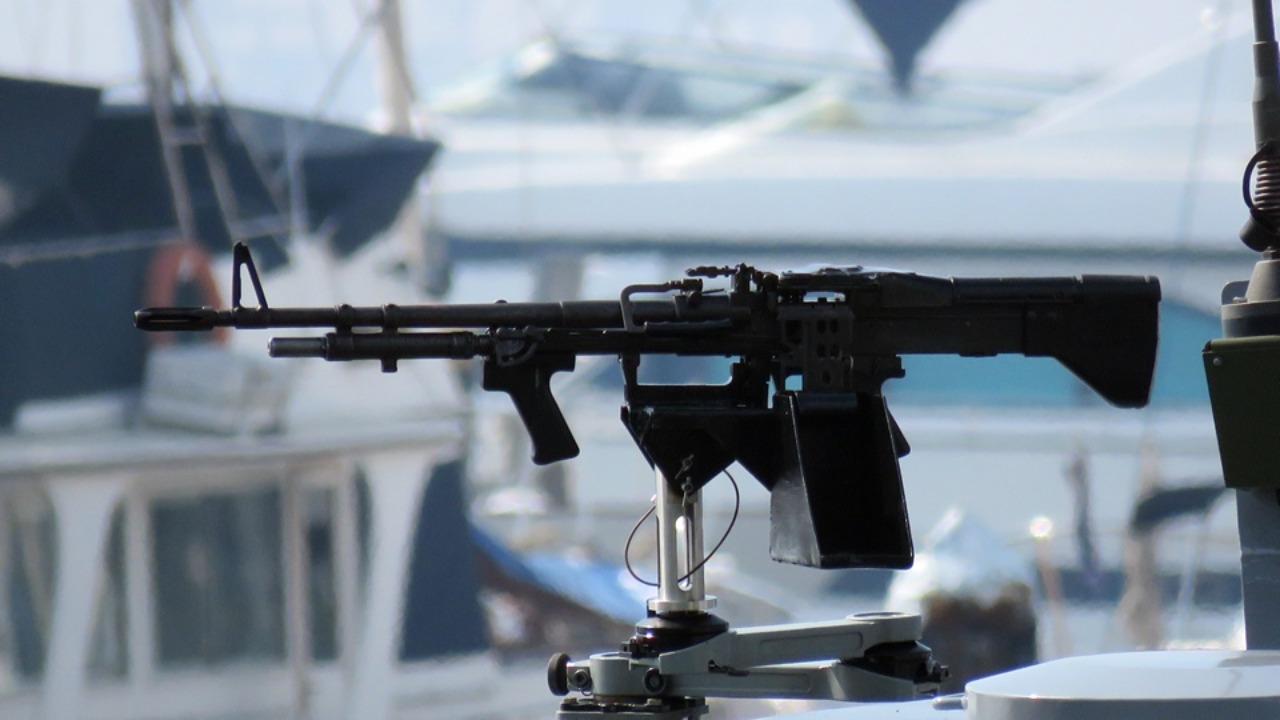
The machine gun was a game-changer during the late 19th and early 20th centuries. Its ability to fire multiple rounds per minute made it a formidable tool in warfare, significantly increasing the lethality of defensive positions. The Gatling gun, and later models like the Maxim gun, introduced unprecedented firepower to the battlefield.
Machine guns contributed to the stalemates of trench warfare during World War I, as their devastating impact forced armies to rethink strategies. This led to the development of new tactics and technologies aimed at breaking these entrenched positions, highlighting the continuous cycle of technological advancement in military history.
The First Use of Tanks in Warfare
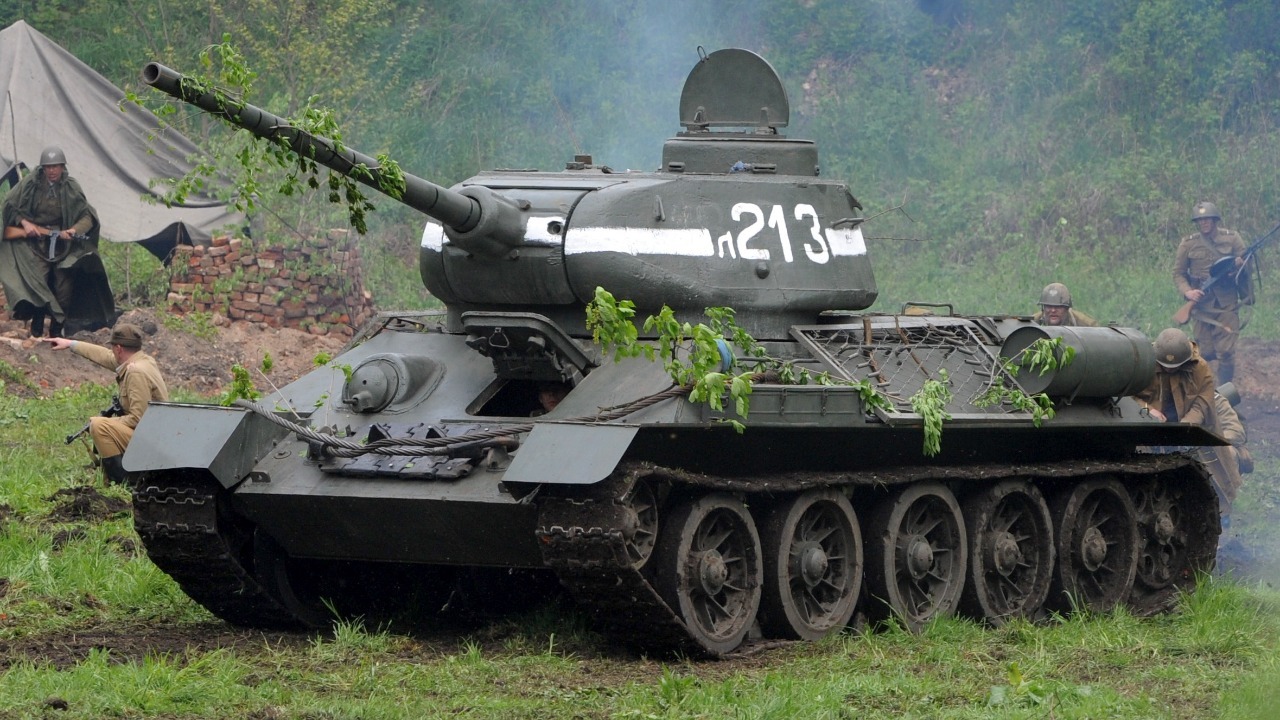
Tanks made their debut on the battlefield during World War I, representing a new era of armored warfare. Designed to traverse rough terrain and break through enemy lines, tanks provided a mobile shield against machine-gun fire. Their introduction at the Battle of the Somme in 1916 was a turning point, despite initial mechanical failures and tactical limitations.
Tanks combined mobility, protection, and firepower, giving armies a versatile tool for both offense and defense. Over the years, tank designs evolved, becoming faster, more resilient, and increasingly integral to military operations worldwide.
The Rise of Aerial Combat
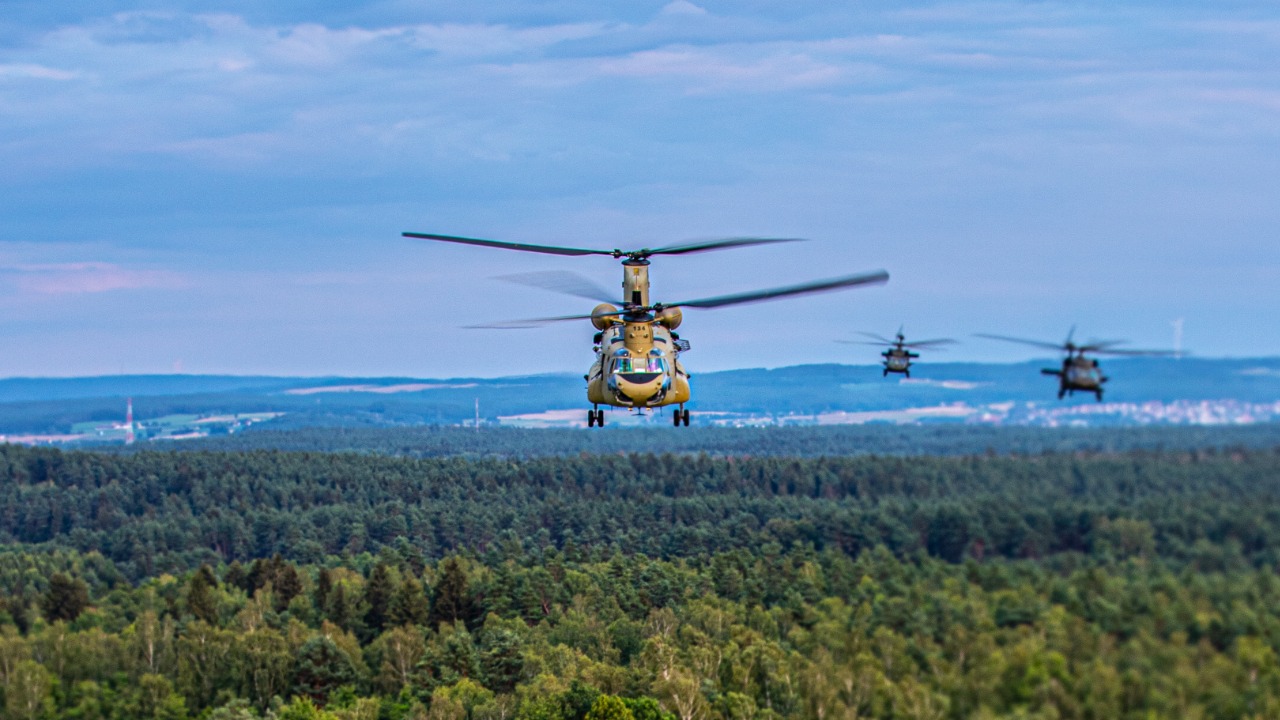
The birth of aerial combat during World War I introduced a new dimension to warfare. Initially used for reconnaissance, aircraft quickly evolved into platforms for dogfighting and bombing raids. The ability to strike from above allowed for strategic targeting of enemy infrastructure and supply lines.
World War II saw the rise of advanced fighter planes and bombers, culminating in significant battles like the Battle of Britain. The advent of air superiority fundamentally altered military strategy, emphasizing the importance of control over the skies to achieve victory on the ground.
The Deployment of Nuclear Weapons
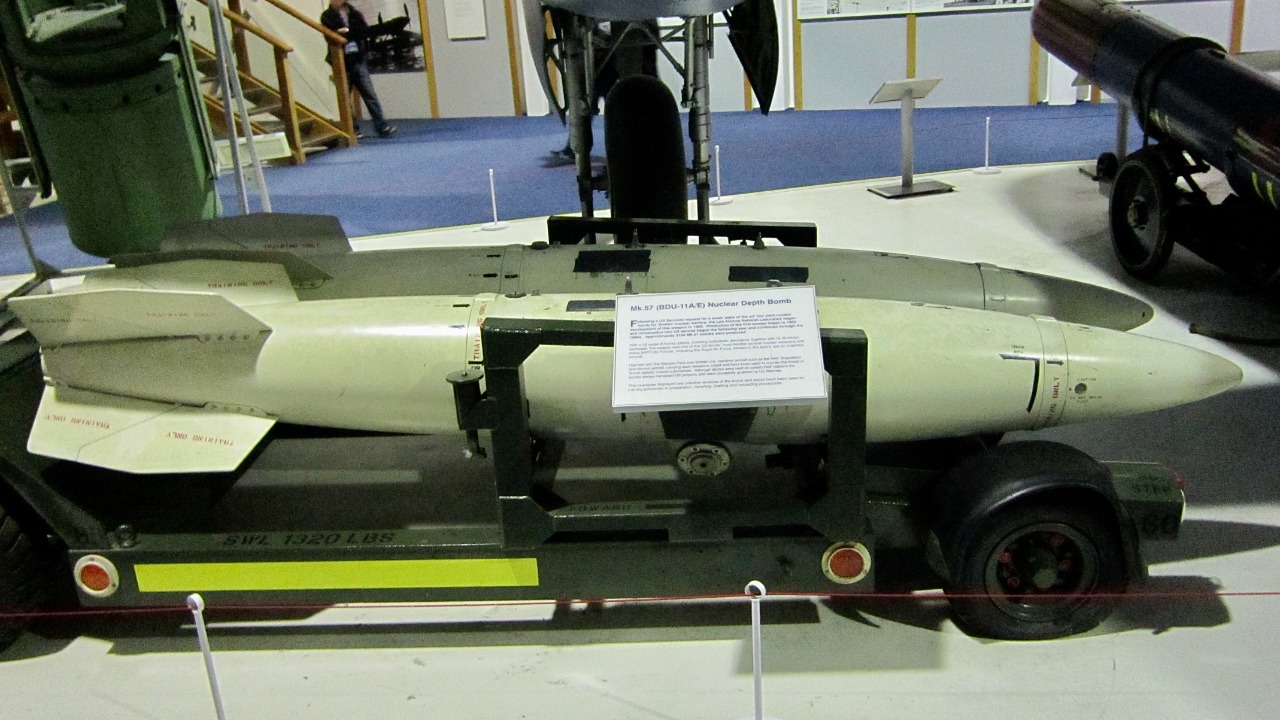
The use of nuclear weapons at the end of World War II marked a dramatic and terrifying leap in military technology. The bombings of Hiroshima and Nagasaki demonstrated the overwhelming destructive power of atomic bombs, ushering in an era of nuclear deterrence that has reshaped global politics.
Since then, the threat of nuclear conflict has influenced international relations and defense strategies, prompting nations to pursue arms control treaties and non-proliferation efforts in an attempt to prevent global catastrophe.
The Emergence of Cyber Warfare
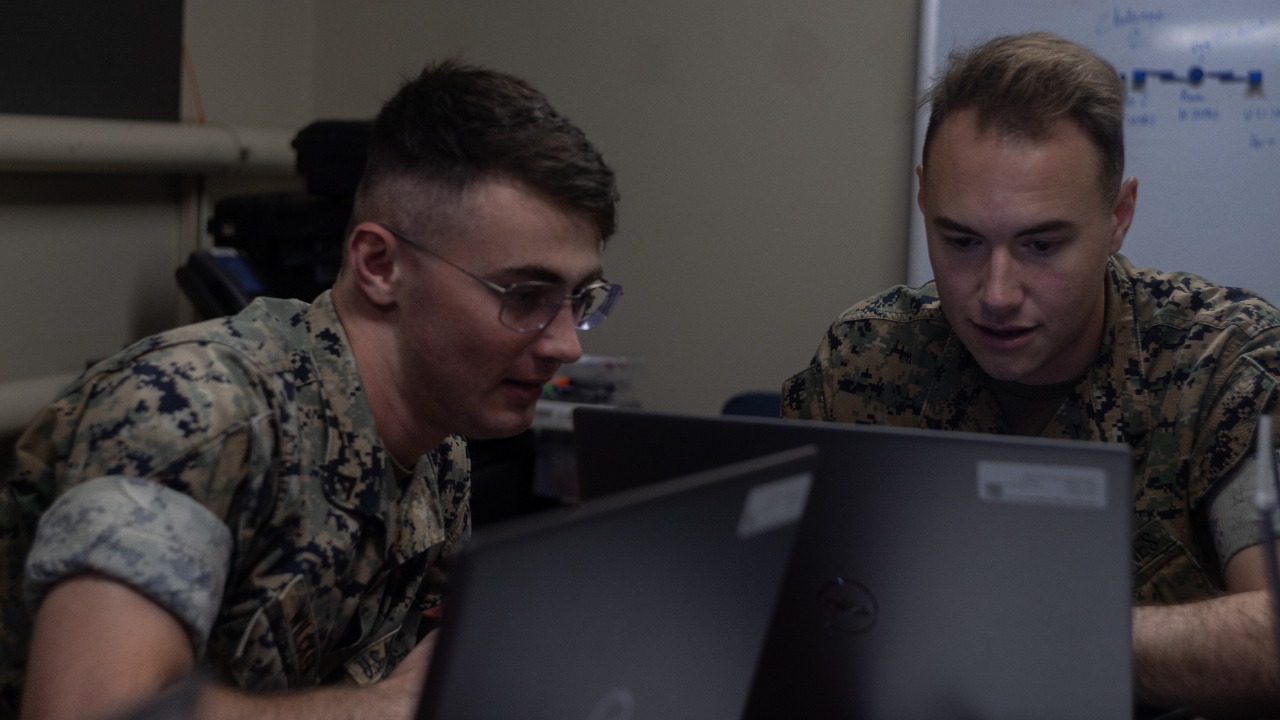
In the modern era, cyber warfare has emerged as a critical component of national defense. Unlike traditional forms of warfare, cyberattacks can be launched anonymously and at a distance, targeting critical infrastructure, government networks, and even civilian systems.
This form of warfare requires new defensive strategies and international cooperation to safeguard against potential threats. As technology continues to advance, cyber warfare remains a dynamic and evolving aspect of military operations.
The Utilization of Drones in Modern Conflicts
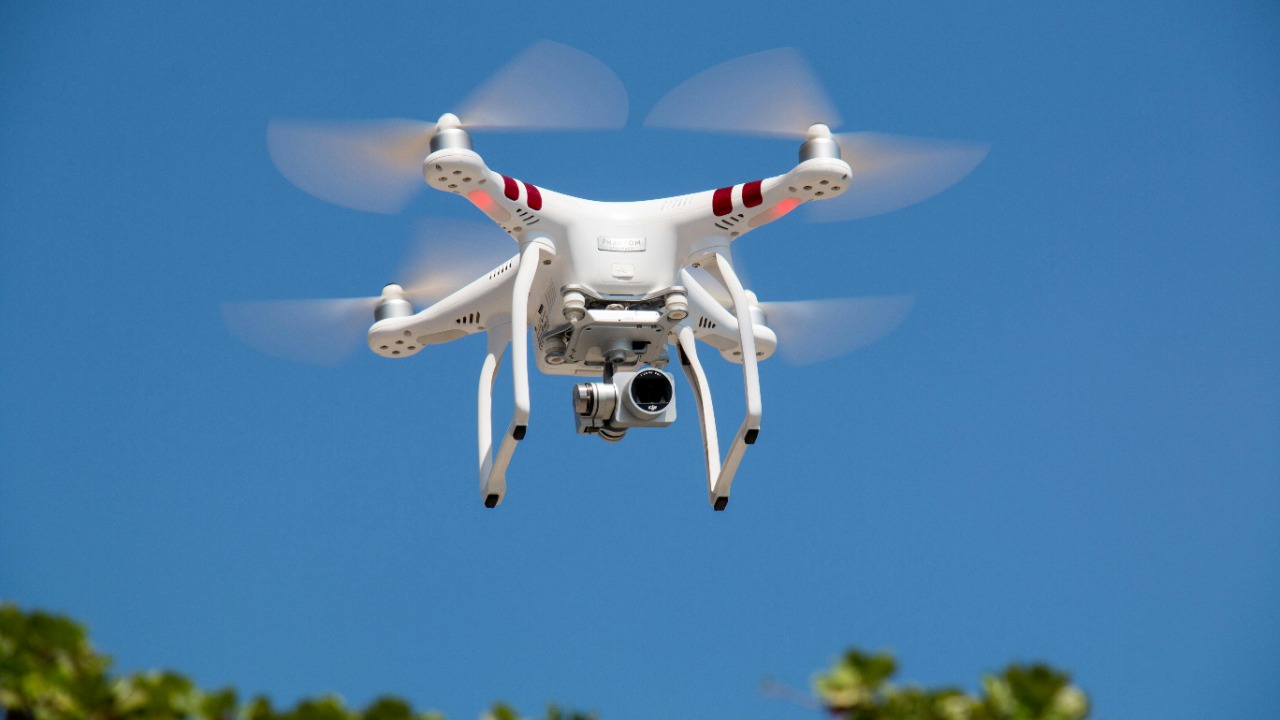
Drones have revolutionized modern warfare by providing real-time intelligence, surveillance, and precision strike capabilities without putting human pilots at risk. They have been extensively used in conflicts across the Middle East, allowing for targeted operations with minimal collateral damage.
The versatility and cost-effectiveness of drones make them an attractive option for military forces worldwide, raising ethical and legal questions about their use in combat and surveillance.
The Integration of Artificial Intelligence in Military Strategy

The integration of artificial intelligence (AI) into military strategy is reshaping the future of warfare. From autonomous drones to predictive analytics, AI offers unprecedented capabilities in decision-making and operational efficiency.
As AI continues to evolve, it presents both opportunities and challenges, including ethical considerations and the risk of autonomous weapons systems. Nations are investing heavily in AI research to maintain a competitive edge, signaling a new era in military innovation.
