
DNA technology has revolutionized the way we solve ancient mysteries, shedding light on enigmas that have puzzled historians for centuries. From identifying royal lineages to understanding migration patterns, DNA analysis has become an indispensable tool in the field of archaeology. Let’s delve into some of the most intriguing instances where DNA helped unravel the secrets of the past.
The Identity of King Tutankhamun’s Parents
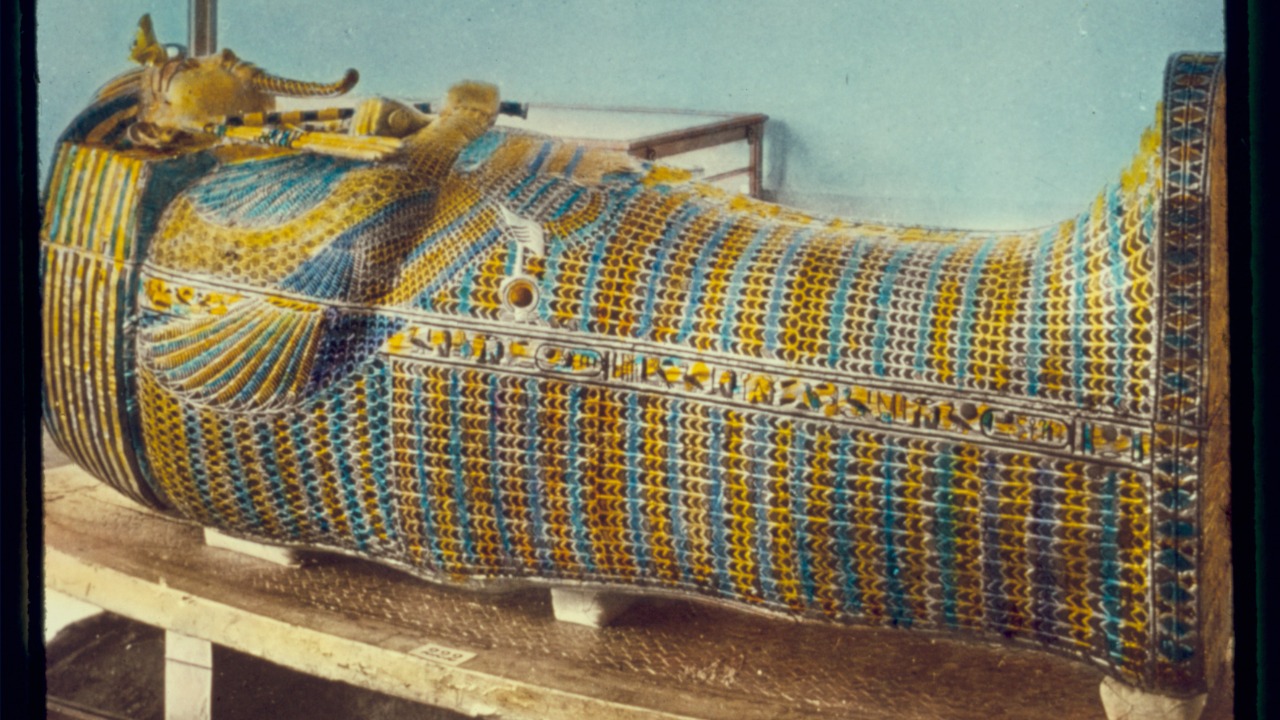
King Tutankhamun, one of Egypt’s most famous pharaohs, has long been the subject of fascination and speculation. DNA analysis has revealed that his father was the heretic king Akhenaten. The identity of his mother, however, was a mystery until genetic tests confirmed that she was likely Akhenaten’s sister, often referred to as “The Younger Lady.”
This genetic revelation has provided crucial insights into the lineage of the 18th Dynasty and the practice of royal incest, which was common among Egyptian pharaohs to maintain the purity of the royal bloodline. Such discoveries have helped historians piece together the complex family dynamics of ancient Egypt.
The Fate of the Romanovs

The tragic execution of the Romanov family in 1918 left unanswered questions about their final moments and the identities of their remains. In the early 1990s, DNA testing played a pivotal role in confirming that the remains found in a shallow grave near Yekaterinburg belonged to the last Russian tsar, Nicholas II, his wife Alexandra, and three of their five children.
Further DNA analysis confirmed the identities of the two missing children, Anastasia and Alexei, whose remains were later discovered in a separate grave. The identification of the Romanovs through DNA has provided closure to a compelling chapter in Russian history and has been a significant milestone in forensic science.
The Origins of the Minoan Civilization
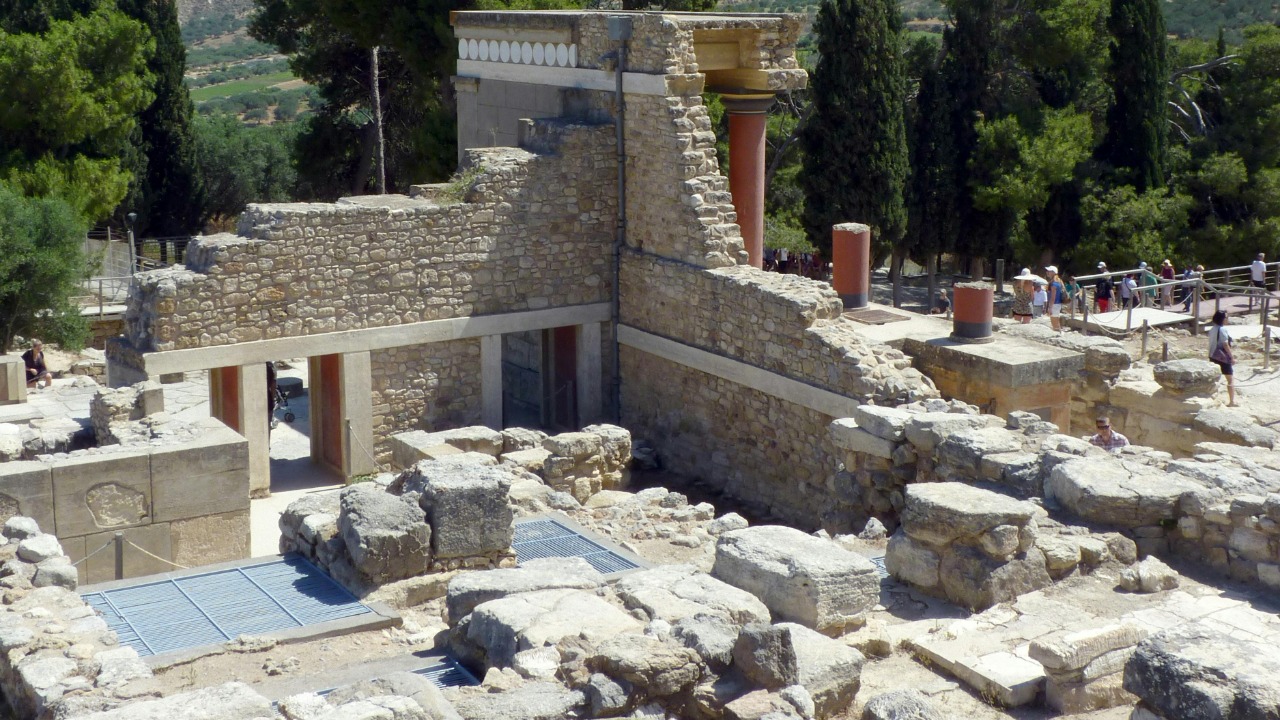
The Minoan civilization, known for its advanced culture and impressive architecture, has long intrigued historians. Recent DNA studies have traced the origins of the Minoans to Neolithic farmers who migrated from Anatolia to Crete, challenging previous theories that they came from North Africa.
This genetic evidence has reshaped our understanding of the Minoan civilization, highlighting its connections to other ancient European cultures and providing a clearer picture of the population dynamics in the Aegean region during the Bronze Age.
The Migration Patterns of Ancient Polynesians

Polynesia’s vast expanse of islands across the Pacific Ocean has prompted questions about the migration routes and origins of its early inhabitants. DNA analysis has revealed that Polynesians are primarily descended from Austronesian-speaking peoples from Taiwan and Southeast Asia.
By examining the genetic markers of modern Polynesians and their ancient counterparts, researchers have mapped out migration patterns that demonstrate a remarkable seafaring capability. This has provided a greater understanding of how these ancient navigators settled remote islands, contributing to one of the most fascinating unsolved mysteries of human migration.
The Ancestry of Ötzi the Iceman
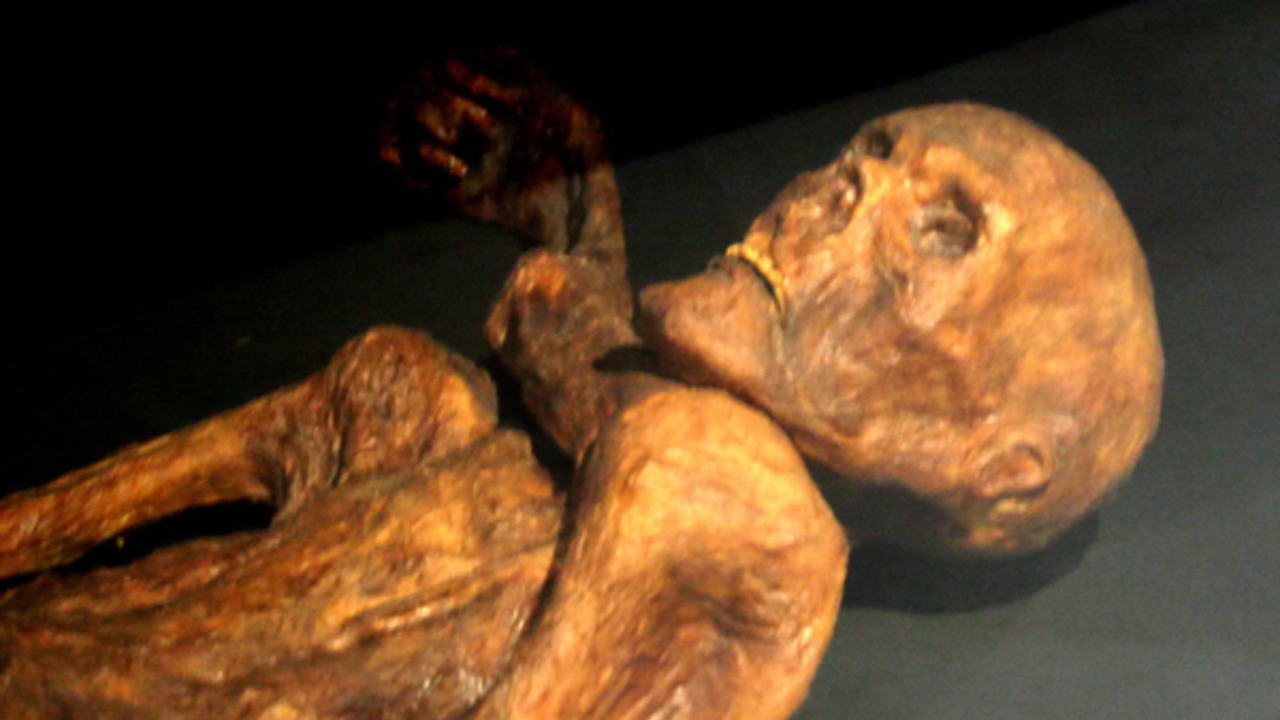
Discovered in the Alps in 1991, Ötzi the Iceman is an archaeological treasure that has captivated scientists and the public alike. DNA analysis has revealed that Ötzi belonged to a genetic group that is rare in modern Europeans, providing insights into the genetic diversity of ancient populations.
Further studies have suggested that Ötzi’s ancestors likely migrated from the Middle East during the Neolithic revolution. This has provided a clearer picture of Europe’s prehistoric populations and their movement, enriching our understanding of ancient human history.
The Truth Behind the Black Death
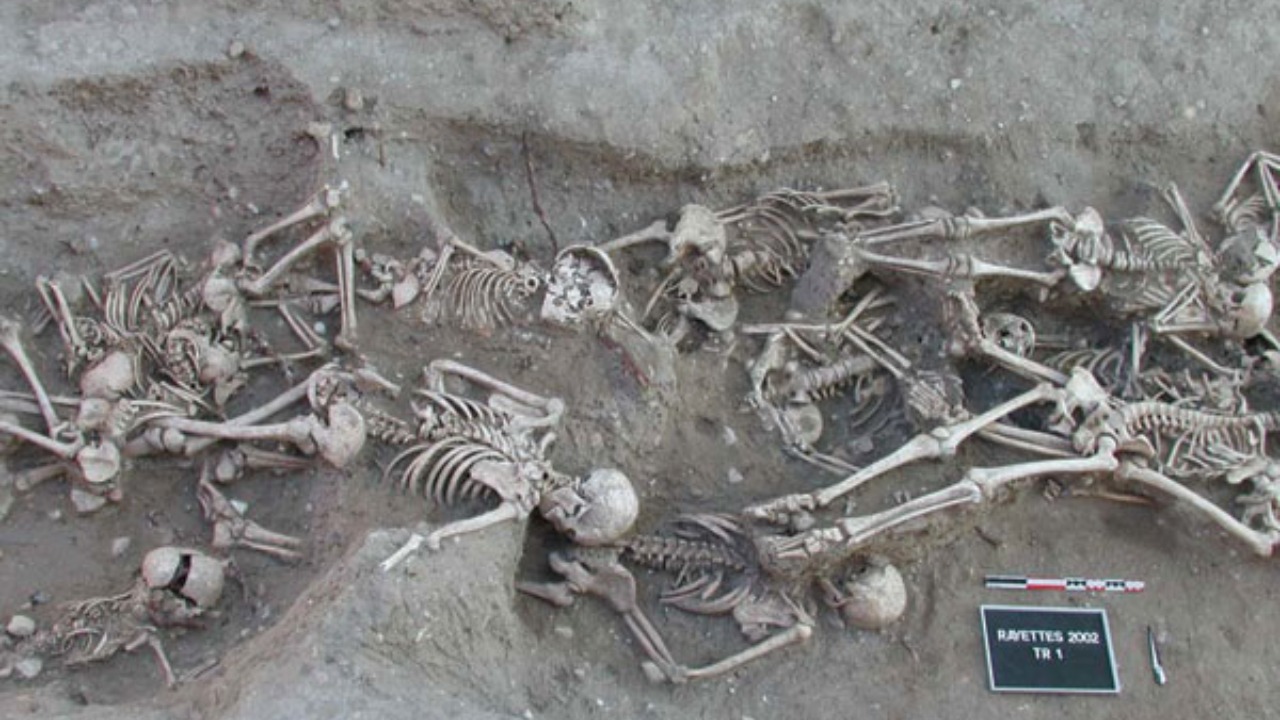
The Black Death, which decimated Europe’s population in the 14th century, has been attributed to the bacterium Yersinia pestis. DNA analysis of medieval plague victims has confirmed this hypothesis, providing definitive evidence for the cause of one of history’s deadliest pandemics.
By extracting and sequencing DNA from ancient remains, scientists have been able to trace the genetic evolution of the pathogen, offering insights into how the disease spread and its impact on human populations. This research has been crucial in understanding past pandemics and their parallels with contemporary disease outbreaks.
The Mystery of the Cheddar Man
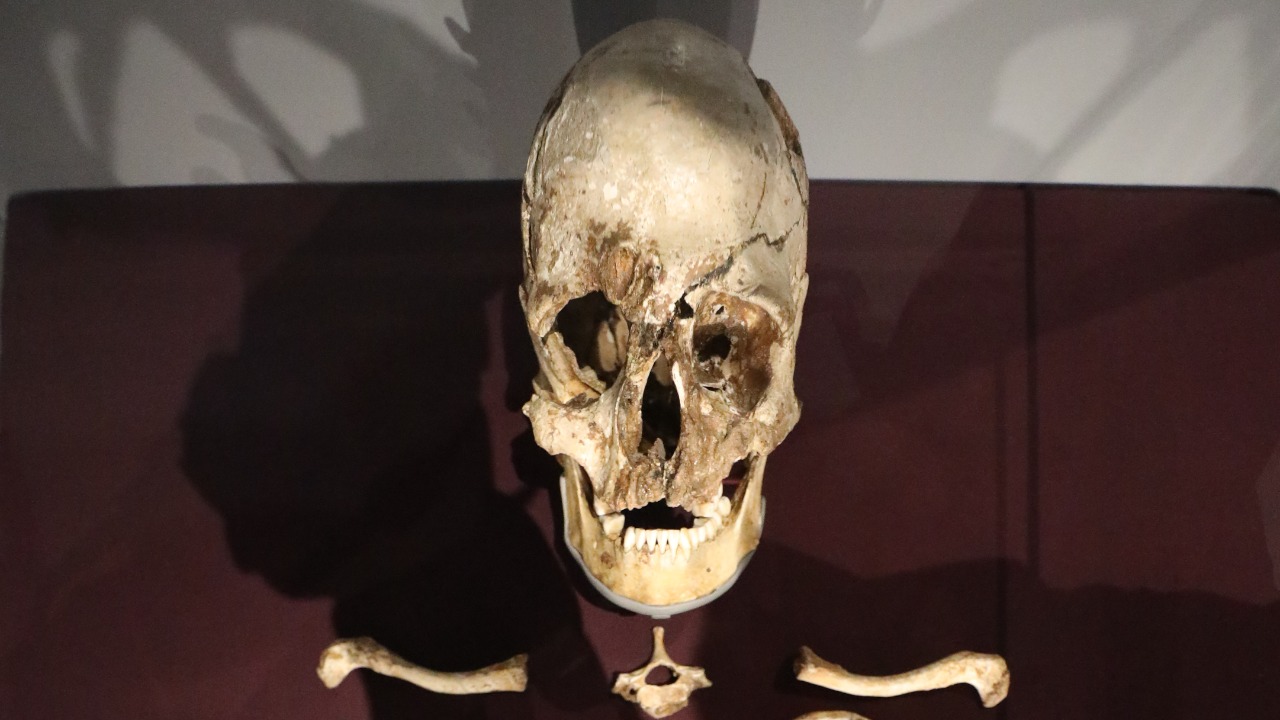
The remains of the Cheddar Man, discovered in a cave in England, date back over 10,000 years. DNA analysis has revealed that he had dark skin, blue eyes, and curly hair, challenging traditional perceptions of prehistoric European populations.
This genetic information has provided a more nuanced understanding of Europe’s early inhabitants and their adaptation to changing climates. By examining ancient DNA, researchers have been able to reconstruct the appearance and lifestyle of one of Britain’s oldest known inhabitants, offering a fascinating glimpse into the distant past.
The Origins of the Etruscans
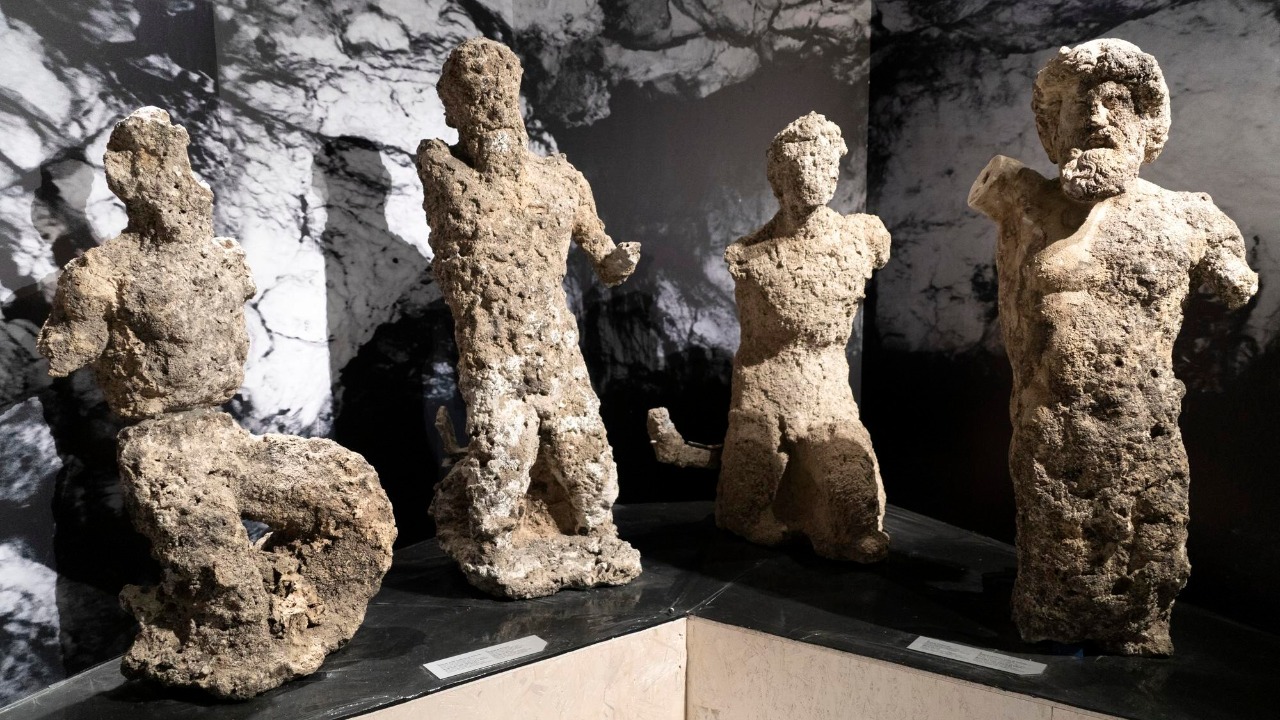
The Etruscans, known for their rich culture and influence on early Rome, have long been an enigma in ancient history. DNA evidence has suggested that they were indigenous to the region of modern-day Tuscany, debunking earlier theories of migration from Anatolia or the Near East. This genetic research has clarified the origins of the Etruscan civilization, highlighting its unique development within Italy and its interactions with neighboring cultures. By integrating DNA analysis with historical and archaeological evidence, we gain a deeper appreciation for the complexities of ancient civilizations and their enduring legacies.
