
Buying a new car is an exciting milestone, but it can also come with a fair share of regrets if certain aspects are overlooked. Many new car buyers realize too late that their purchase wasn’t as ideal as they initially thought. From financial oversights to practical missteps, here are eight common regrets new car buyers often face.
1. Skipping the Test Drive

Skipping the test drive is a mistake many new car buyers regret. A car may look perfect on paper, but the driving experience could tell a different story. The test drive allows you to evaluate the vehicle’s comfort, handling, and noise levels. Without it, you might end up with a car that doesn’t suit your driving style or needs. Remember, this is your chance to gauge the vehicle’s real-world performance before committing to a purchase.
Additionally, a test drive is an opportunity to spot any immediate issues that may not be evident at first glance. It’s a crucial step that can save you from future headaches and potential car returns.
2. Ignoring Long-Term Costs
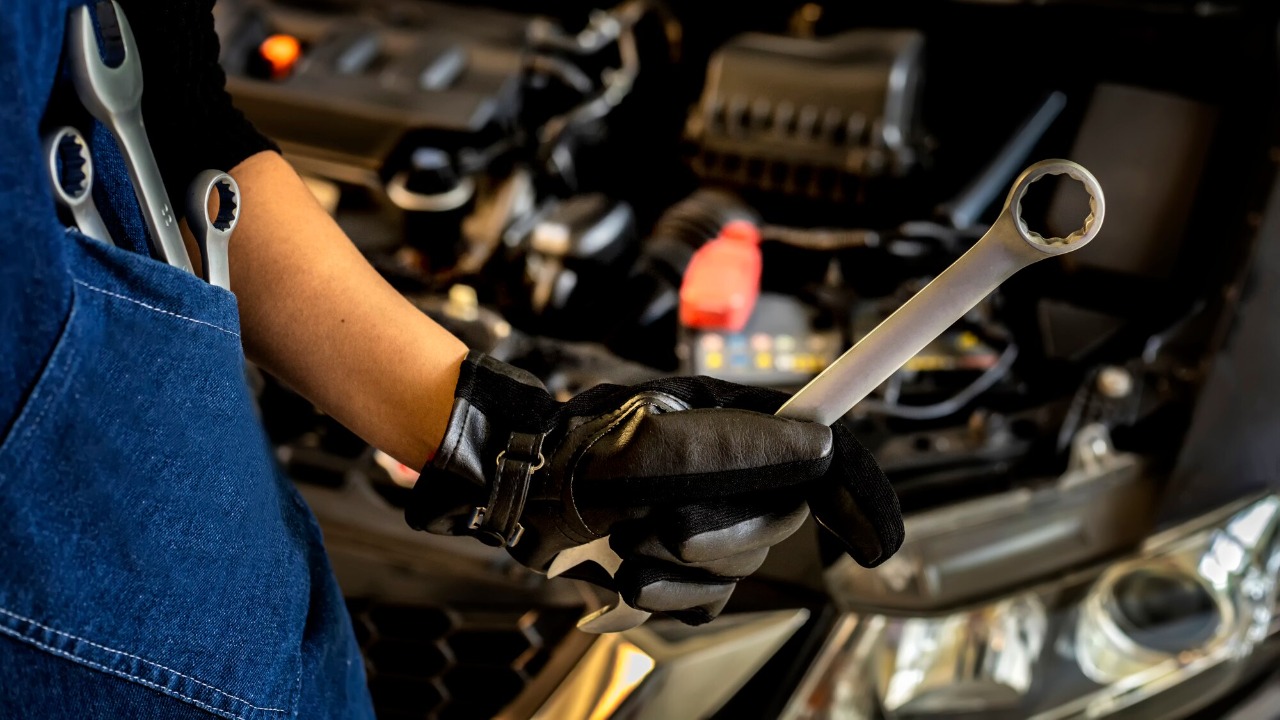
Many buyers focus solely on the sticker price, neglecting to consider the long-term costs associated with owning a vehicle. Insurance premiums, maintenance expenses, and depreciation can add up significantly over time. A car that seems affordable initially may become a financial burden in the long run if these factors aren’t considered.
Financing terms also play a key role. Opting for a long car loan might make monthly payments more manageable, but it can also mean paying more in interest over the life of the loan. For more details on this, check out why long car loans might not be the best idea.
3. Overlooking Safety Features
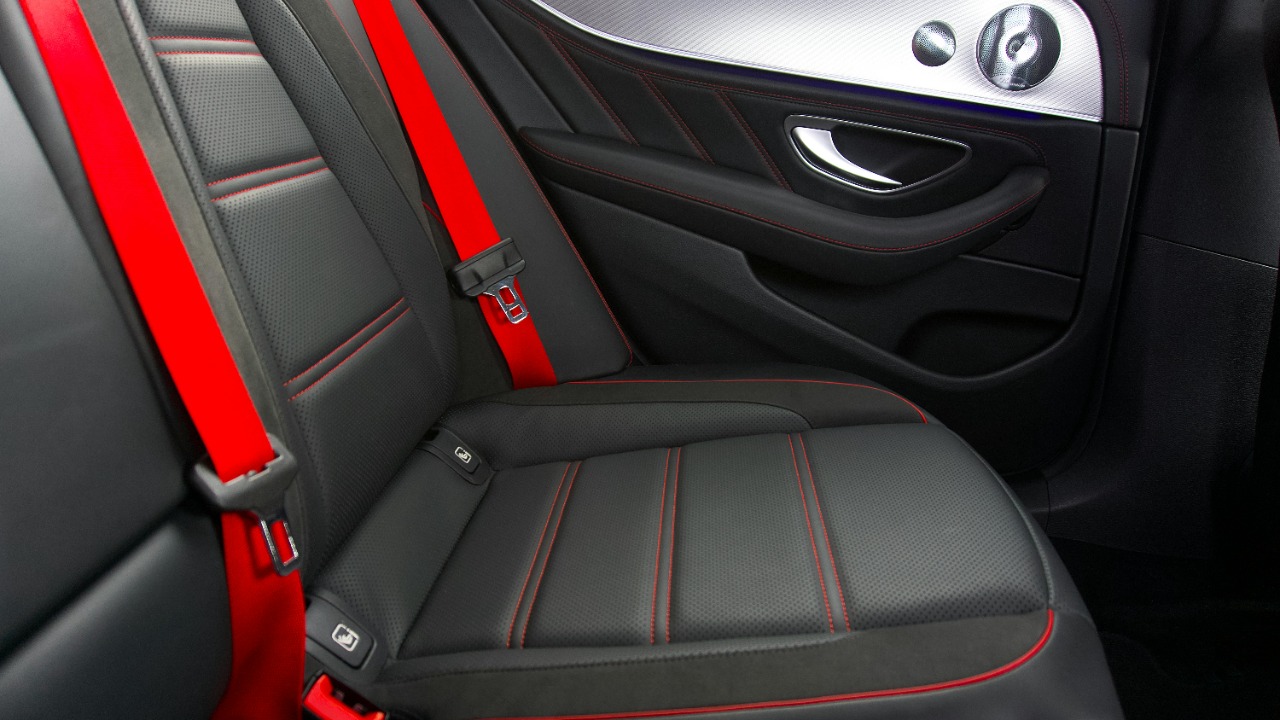
Safety features are sometimes overlooked by new car buyers, but they shouldn’t be underestimated. These features can significantly impact your overall driving safety and, in some cases, your insurance premiums. Advanced safety technology such as automatic emergency braking, lane-keeping assist, and blind-spot monitoring can prevent accidents and enhance driving confidence.
Ignoring these features could not only compromise your safety but also affect the long-term value of your car. Ensuring your vehicle is equipped with modern safety features is crucial for protecting both your investment and your well-being.
4. Choosing the Wrong Size
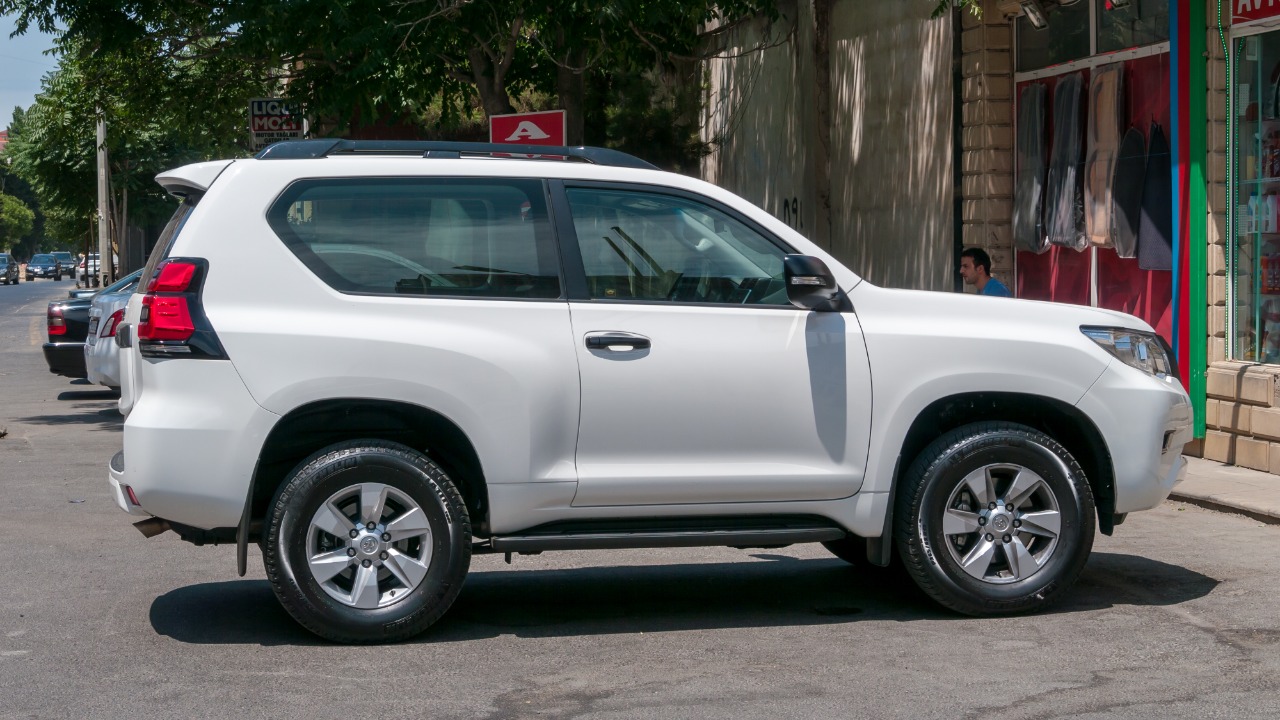
Selecting a car that’s not the right size for your needs is a common regret. While a compact car might be perfect for city driving, it could fall short if you frequently travel with family or need extra cargo space. Conversely, a large SUV might offer ample room but come with parking challenges and higher fuel costs.
It’s important to evaluate your lifestyle and daily needs before deciding on a car size. This ensures you select a vehicle that complements your life rather than complicating it. A well-thought-out choice can prevent unnecessary frustration and additional expenses down the road.
5. Prioritizing Aesthetics Over Function
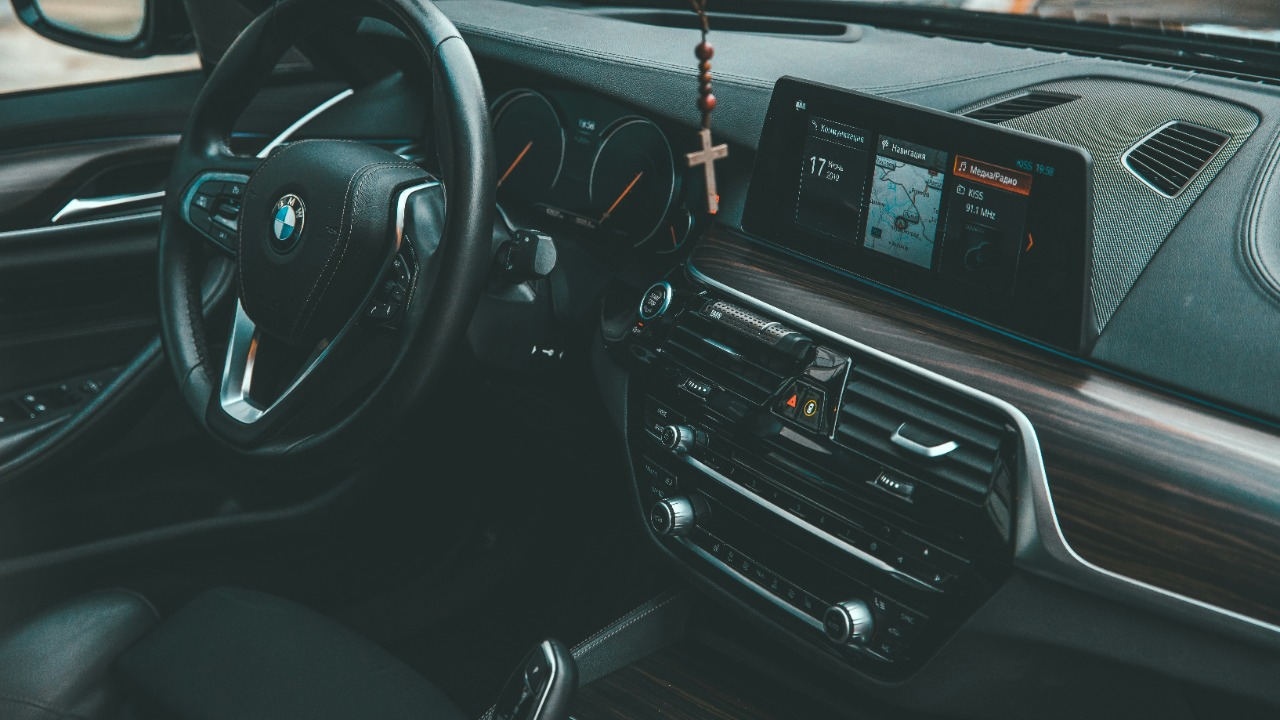
While it’s natural to be drawn to a car’s aesthetic appeal, prioritizing looks over functionality is a common pitfall. A vehicle’s design might catch your eye, but if it doesn’t meet your practical needs, the love affair could be short-lived. For example, low-profile tires might look sporty but could lead to a harsher ride and increased maintenance costs.
Consider your daily needs and how the vehicle will fit into your lifestyle. Functionality should always take precedence over aesthetics to ensure satisfaction with your purchase.
6. Falling for Dealer Add-Ons

Dealer add-ons can be tempting, but they often lead to buyer’s remorse. These extras, such as extended warranties, paint protection, and additional accessories, can quickly inflate the final price of the car. It’s essential to differentiate between necessary features and those that are simply nice-to-have.
Before agreeing to any add-ons, research their true value and necessity. Often, these can be acquired more cheaply from third-party sources if needed. Being informed can help prevent unnecessary expenses and keep your budget in check.
7. Neglecting Fuel Efficiency
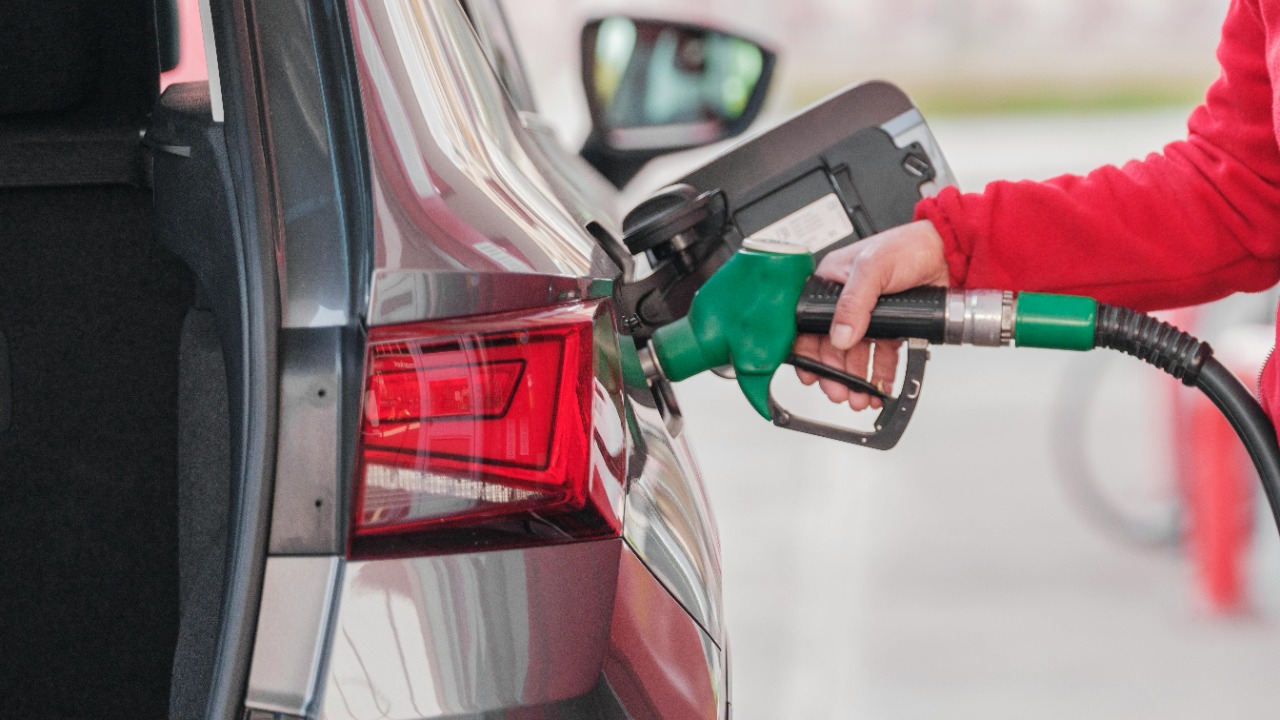
Fuel efficiency is an important consideration that is sometimes overlooked in the excitement of buying a new car. A vehicle with poor fuel economy can lead to higher ongoing costs, making it less budget-friendly over time. This is especially true if you have a long commute or frequently embark on road trips.
As fuel prices fluctuate, a car that’s fuel-efficient can provide significant savings. Consider the environmental impact as well; a more efficient vehicle reduces your carbon footprint. Learn more about the importance of fuel efficiency in car purchases from this scientific study.
8. Disregarding Resale Value

Resale value is an often-ignored aspect that can greatly affect the financial wisdom of a car purchase. Certain models and brands tend to hold their value better than others due to factors like reliability, demand, and brand reputation. Ignoring resale value could mean losing more money when it’s time to upgrade or sell.
Researching the resale value of different models before buying can help ensure a better return on investment. It’s a strategic move that pays off in the long term.
