
In today’s digital age, smartphones have become an integral part of our daily lives. However, they are not immune to security threats, especially from hackers who can install a variety of malicious software. Understanding these threats can help you protect your personal data and maintain privacy.
Spyware

Spyware is a type of malicious software that hackers use to secretly monitor your activities. It can track your location, capture your messages, and even record your calls. Often disguised as legitimate apps, spyware operates in the background without your knowledge.
This covert monitoring can lead to significant privacy violations, making you vulnerable to identity theft or blackmail. To combat this, it’s crucial to regularly check app permissions and update your phone’s security settings.
Keyloggers
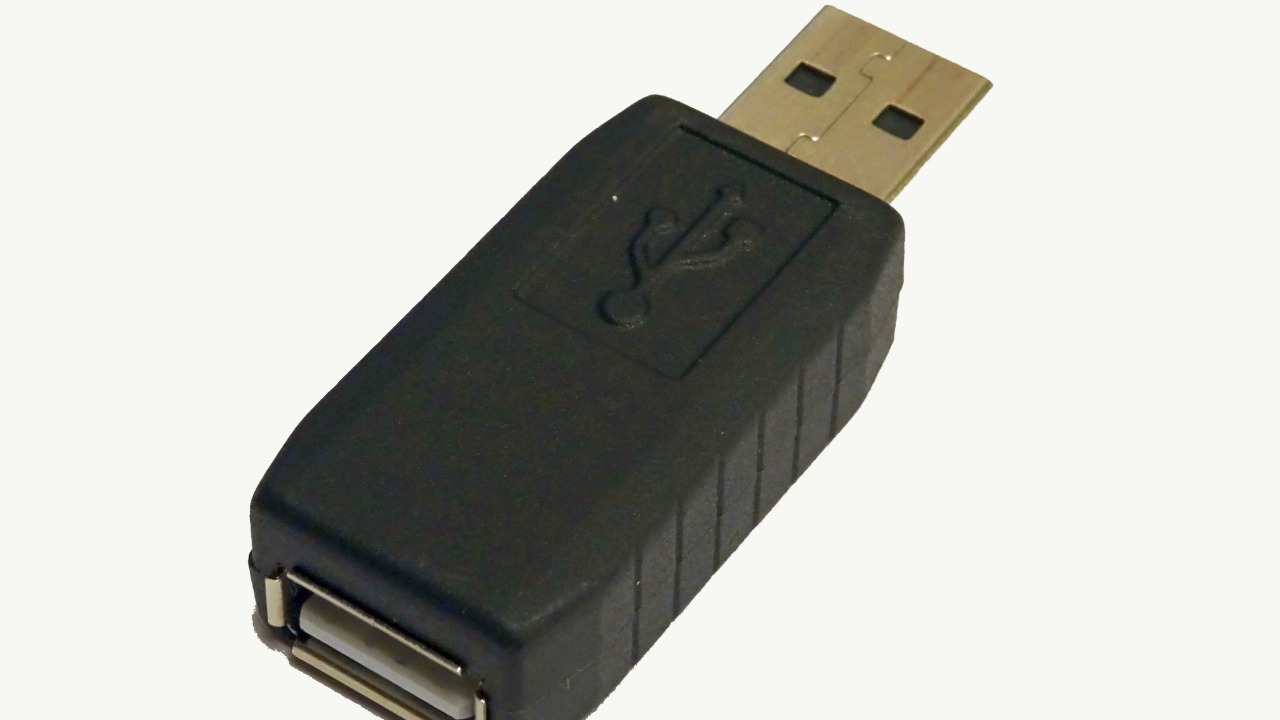
Keyloggers are another tool in a hacker’s arsenal. These programs capture every keystroke you make on your phone, including passwords and credit card numbers. Once installed, keyloggers can transmit this sensitive data to the hacker. The stealthy nature of keyloggers makes them difficult to detect, posing a serious threat to your financial security. Using strong, unique passwords and enabling two-factor authentication can help protect against such intrusions.
Ransomware

Ransomware is a type of malware that encrypts your device’s data, rendering it inaccessible until a ransom is paid. This can be particularly devastating as it prevents access to important files and applications. Hackers typically demand payment in cryptocurrency, making it difficult to trace. To guard against ransomware, it is advisable to regularly back up your data and be cautious when downloading apps or files from unknown sources.
Adware

Adware is often overlooked, but it can be intrusive and disruptive. It generates unwanted advertisements that can slow down your phone and drain its battery. While not as harmful as other malware types, adware can lead to more severe infections by redirecting you to malicious websites. To minimize the risk of adware, consider installing a reliable ad blocker and be cautious of free apps that may contain hidden adware elements.
Trojans

Trojans are disguised as legitimate software but carry malicious payloads. Once installed, they can create backdoors for hackers to access your phone remotely. This access can lead to unauthorized data transfers, making your personal information vulnerable. To prevent Trojan infections, always download apps from trusted sources and verify the authenticity of software before installation.
SMS Malware

SMS malware targets your phone’s messaging system, allowing hackers to intercept text messages and send unauthorized messages to premium numbers, racking up charges. This type of malware can also be used to distribute itself by sending infected messages to your contacts. To protect yourself, avoid clicking on suspicious links in messages and be cautious of unfamiliar numbers.
Rootkits

Rootkits are designed to enable remote control of your phone by gaining root access. This deep-level access allows hackers to alter system settings and hide other malware. Rootkits are particularly dangerous as they can persist even after you attempt to remove them. Keeping your phone’s operating system up to date and avoiding unsecured networks can help mitigate the risk of rootkit infections.
Cryptominers

Cryptominers use your phone’s resources to mine cryptocurrency without your consent. This process can significantly slow down your device and cause it to overheat, reducing its lifespan. While not directly harmful to your data, cryptominers can still be a nuisance and drain your phone’s battery life. To prevent cryptomining, regularly monitor your phone’s performance and check for unusual battery usage.
For more information on how hackers can target your phone, you can visit this Reddit discussion, or explore the detailed insights on Gale’s scholarly article. Additionally, Family Handyman offers tips on securing your phone against these threats.
