
As technology continues to advance at a rapid pace, the fear that robots might take over our jobs remains prevalent. However, there are certain roles that require uniquely human skills and qualities that machines have yet to master. Let’s explore eight professions that are still safe from the clutches of automation.
Creative Writing and Storytelling

While AI has made strides in generating text, the nuances of creative writing and storytelling involve a depth of emotion and cultural understanding that robots can’t replicate. The ability to craft narratives that resonate on a human level requires empathy and a touch of magic that only human writers can provide.
The heart and soul poured into stories are uniquely human traits, ensuring that the art of storytelling remains in our hands.
Complex Medical Surgery
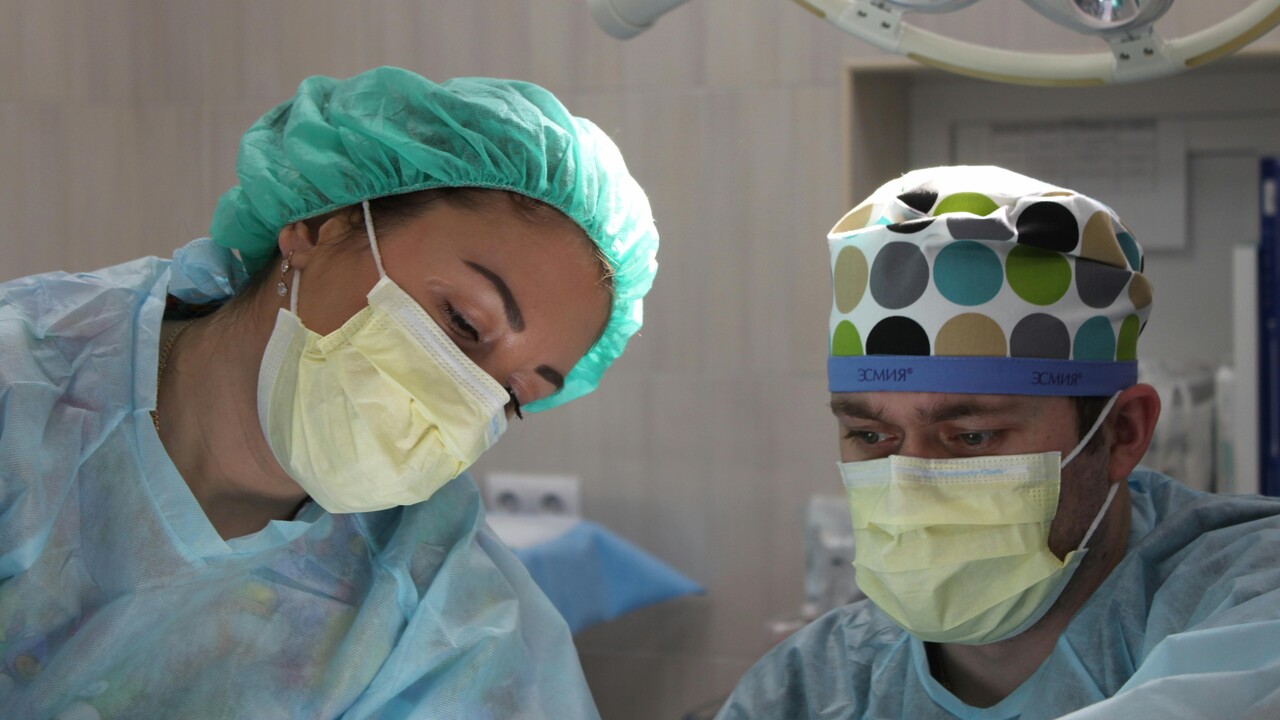
Robots have been assisting in surgeries for years, but the intricate decision-making and adaptability of a seasoned surgeon is irreplaceable. Complex medical procedures demand a level of skill and precision that robots are yet to match.
Surgeons rely on years of experience and the ability to respond to unexpected challenges during procedures, making it a field that remains predominantly human-driven.
High-Level Strategic Decision-Making

While AI can crunch numbers and analyze data, the foresight and intuition needed for high-level strategic decision-making is something robots can’t emulate. Leaders and executives draw from a wealth of experience, understanding the nuances of human behavior and societal trends.
Their ability to anticipate changes and respond effectively is crucial for organizations navigating complex markets, ensuring that robots remain as tools and not decision-makers.
Emotional Therapy and Counseling

Emotional therapy relies heavily on understanding, empathy, and trust between the therapist and client. While AI can simulate conversations, it lacks the genuine human touch needed to foster healing.
The nuanced understanding of human emotions, coupled with a therapist’s ability to offer personalized insights, ensures that this field remains firmly in human hands.
Artistic Performance and Expression
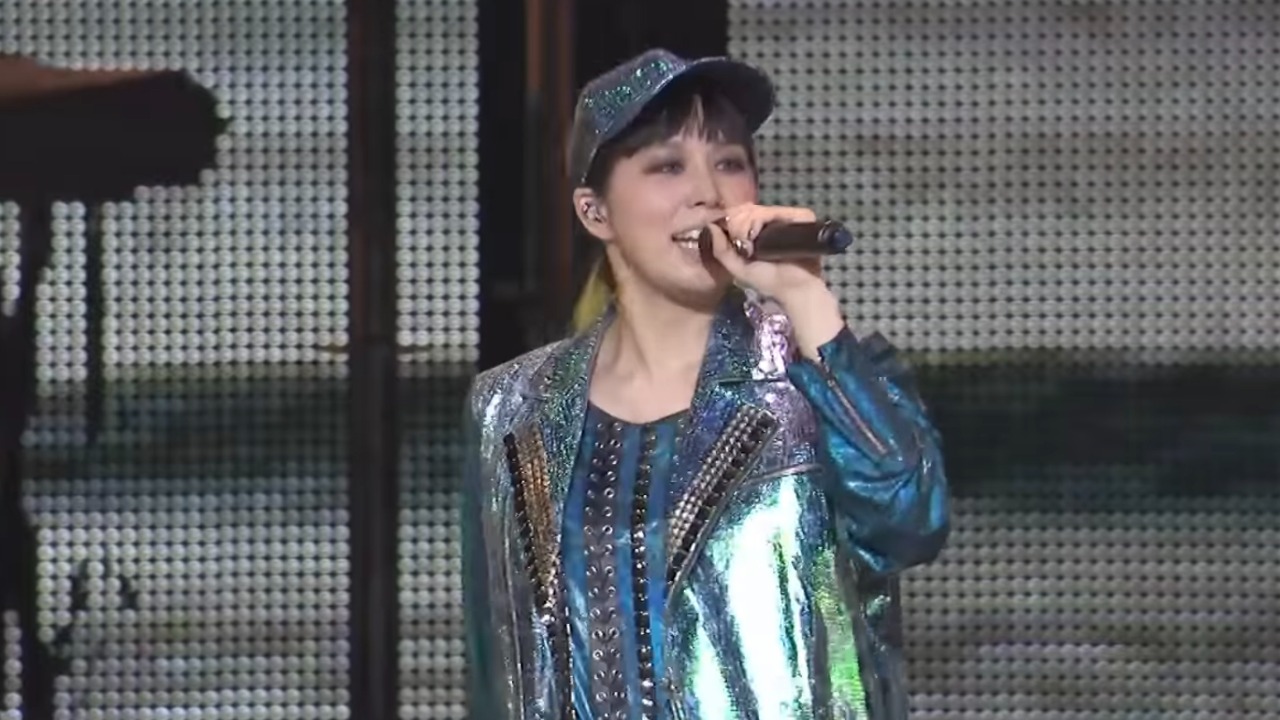
Artistic performance, whether in music, dance, or theater, is deeply rooted in human expression and creativity. While robots can replicate movements or play instruments, they lack the emotional depth and spontaneity that make performances truly captivating.
The ability to connect with an audience on an emotional level is something that machines can’t replicate, ensuring that the arts continue to be a human endeavor.
Skilled Craftsmanship and Artistry
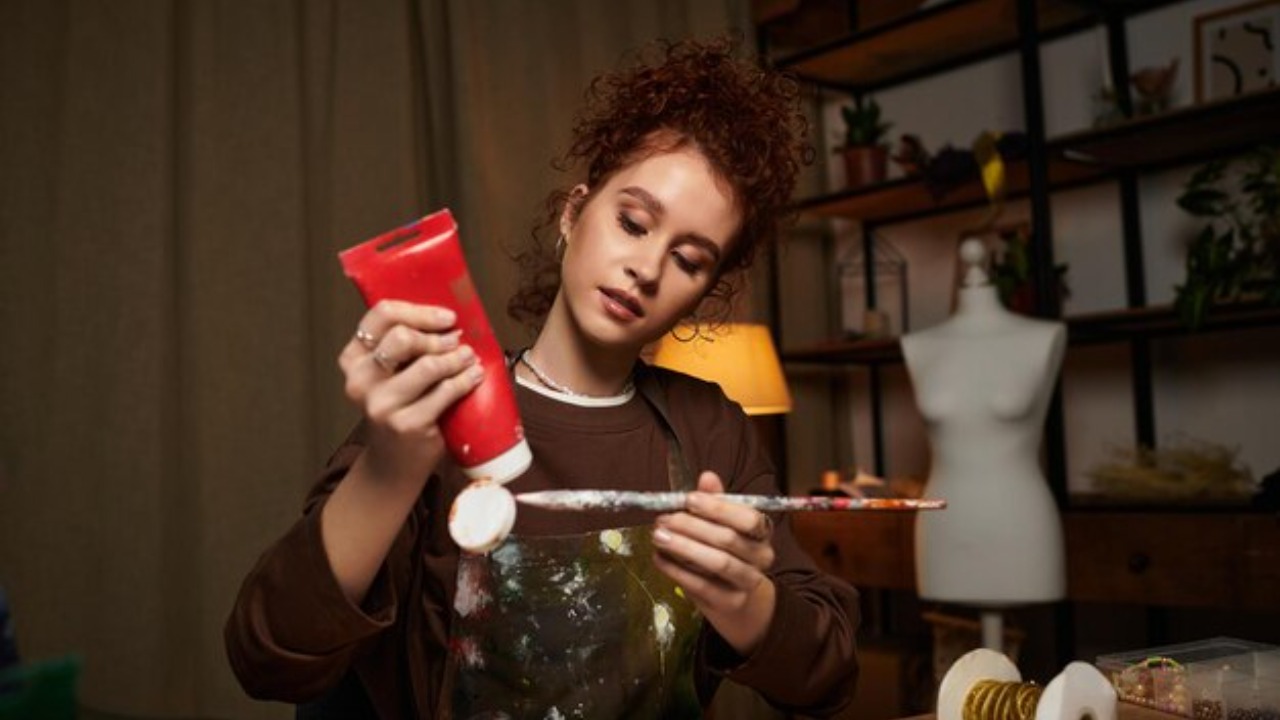
From bespoke furniture to intricate jewelry, skilled craftsmanship involves a level of precision and artistry that machines can’t fully replicate. The subtle imperfections and unique touches that artisans bring to their work are what make handcrafted items so special. This blend of skill, creativity, and personal touch ensures that skilled craftsmen remain irreplaceable in their fields.
Advanced Scientific Research and Innovation
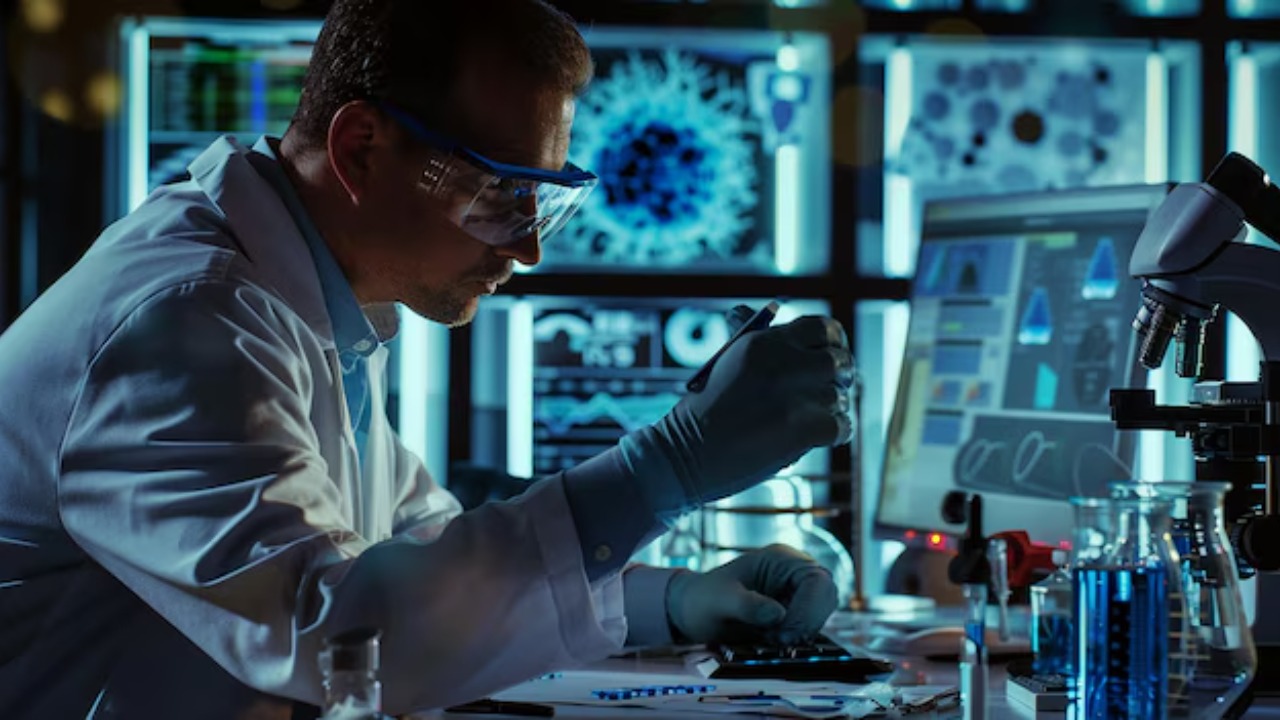
While AI can assist in data analysis and hypothesis testing, the creativity and intuition needed for groundbreaking scientific research is still a human domain. Scientists draw on their experience and lateral thinking to make connections and pose questions that drive innovation. The ability to think outside the box and approach problems from unique angles ensures that humans remain at the forefront of scientific discovery.
Personalized Education and Tutoring
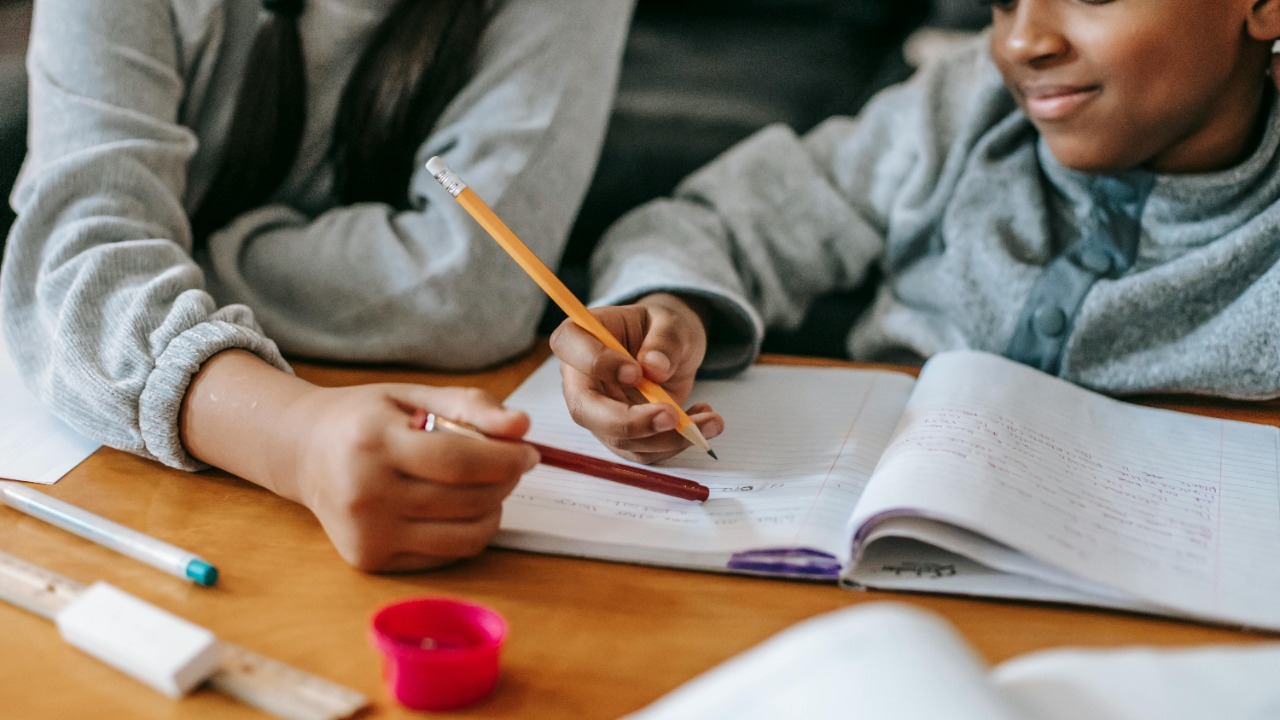
Education is not just about conveying information; it’s about inspiring and motivating students. Personalized education and tutoring involve understanding each student’s unique needs and tailoring teaching methods accordingly.
While AI can offer standardized lessons, the human ability to connect, inspire, and adapt to individual learning styles ensures that educators remain an integral part of the learning process.
