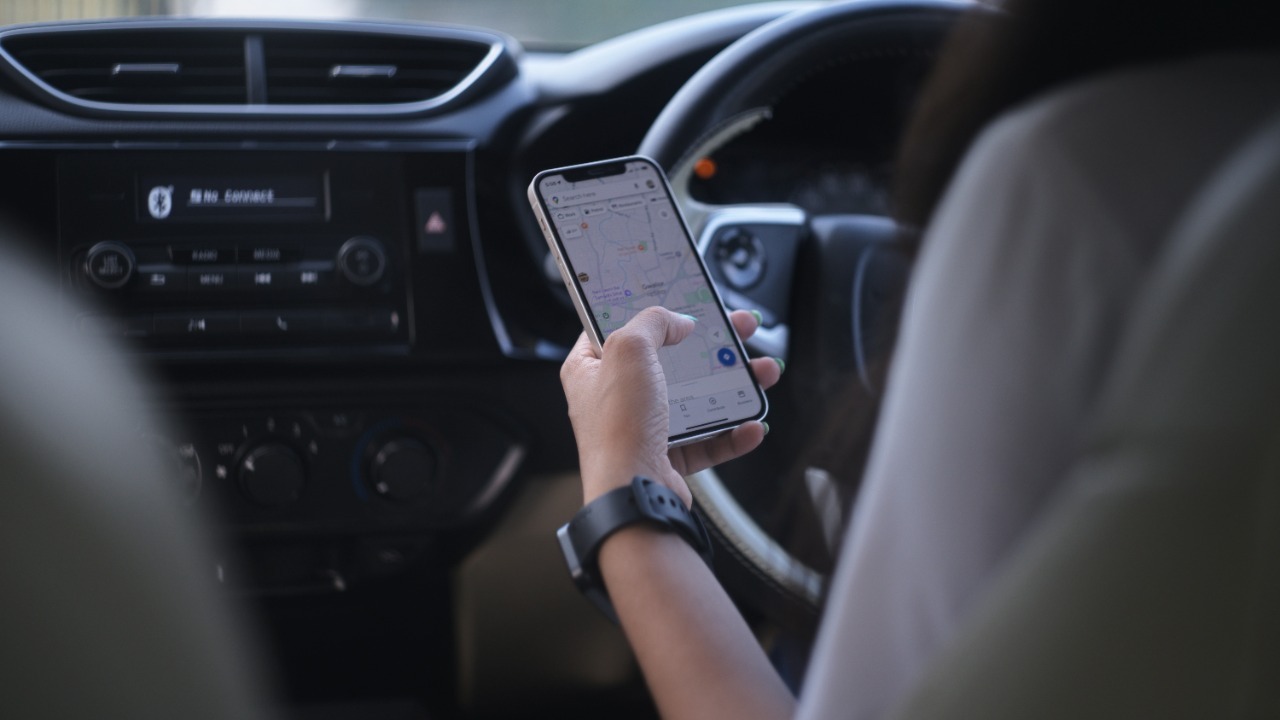

Modern vehicles are more than just a means to get from point A to point B; they’re sophisticated data collection machines. While these technologies can enhance the driving experience, they also raise privacy concerns. Understanding how your car tracks you can help you make informed decisions about your privacy.
GPS Navigation Systems
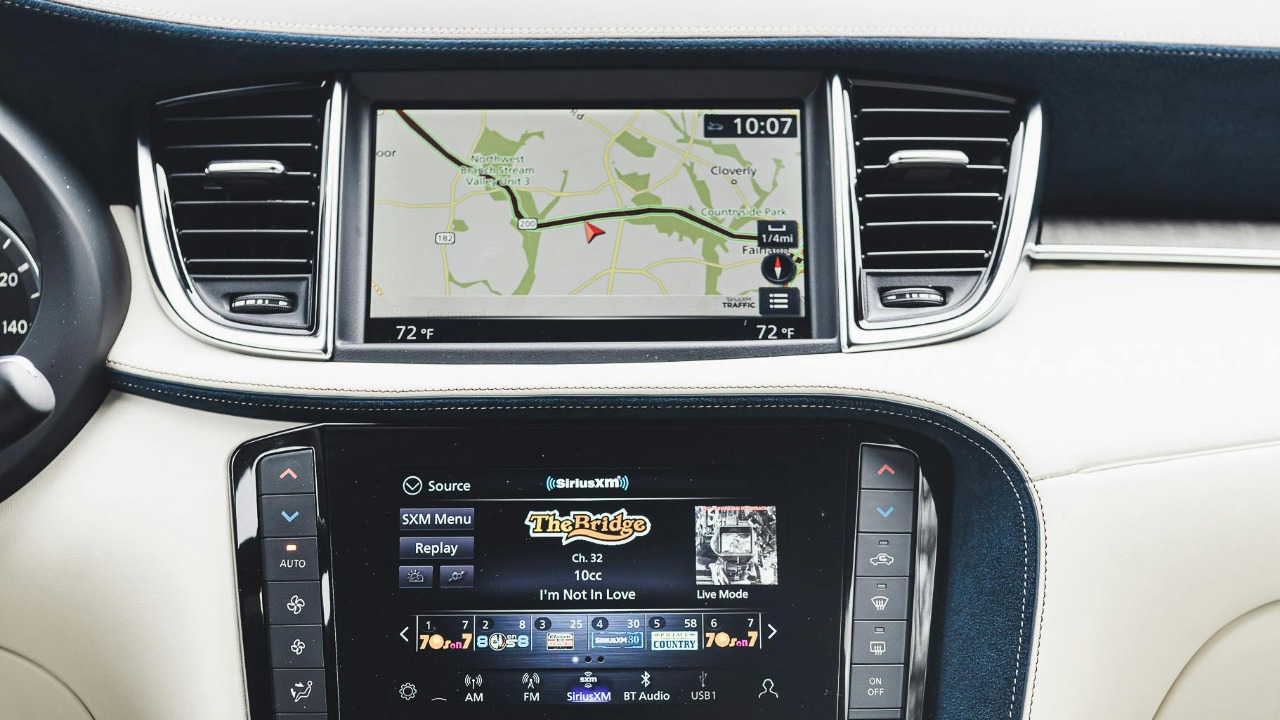
GPS navigation systems are designed to guide you to your destination, but they also record your travel history. By tracking your every move, these systems can store detailed information about your daily routines and favorite locations.
This data can be useful for improving navigation services, but it also poses privacy risks. If you’re concerned, consider using a standalone GPS device or disabling GPS tracking when it’s not needed.
Telematics Data Collection
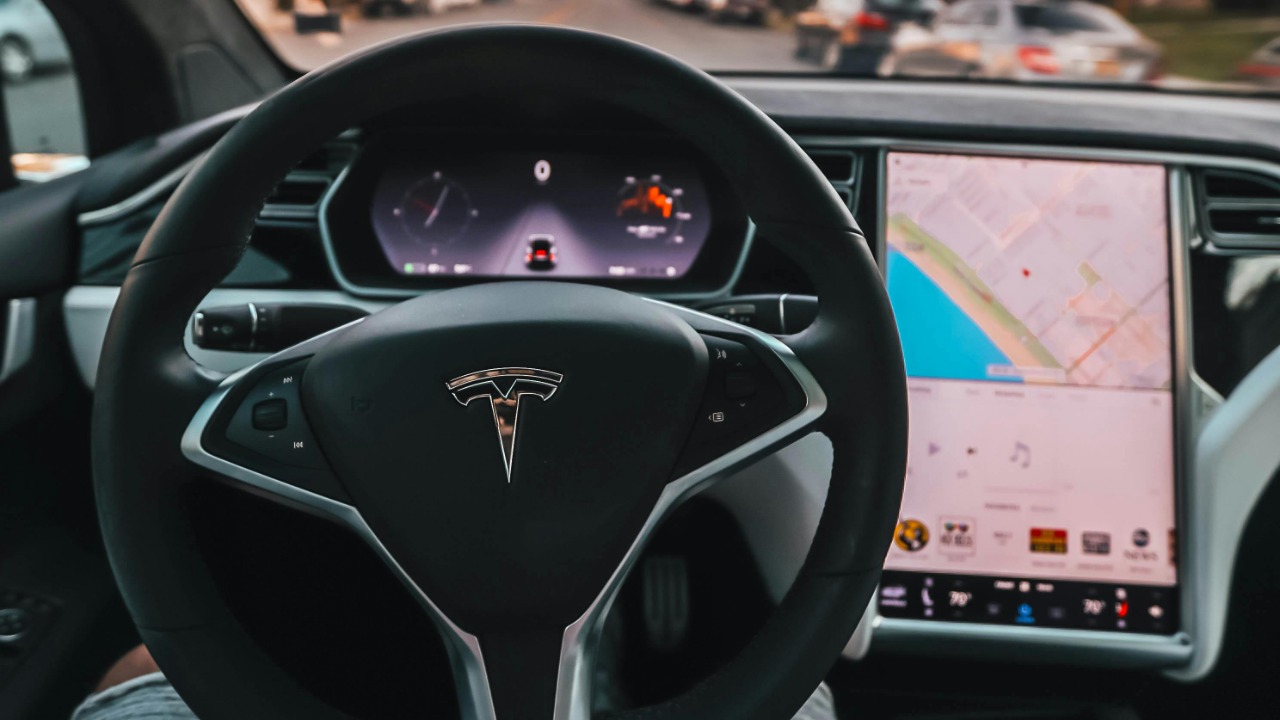
Telematics systems collect extensive data about your driving habits, including speed, braking patterns, and location. Insurance companies often use this information to offer usage-based insurance plans. While this can save you money, it also means your driving behavior is constantly monitored. To learn how to manage this data, visit the Electronic Frontier Foundation’s guide on car data privacy.
Infotainment System Connectivity
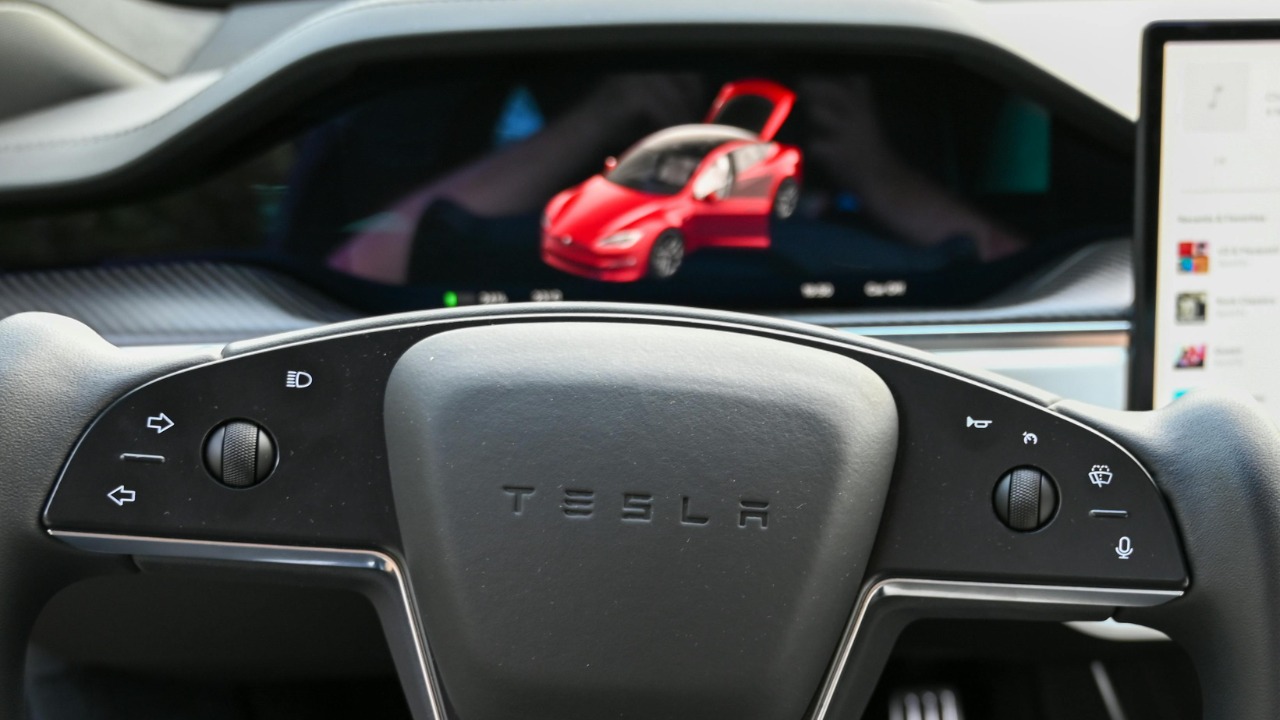
Infotainment systems keep you entertained and connected on the road, but they also collect data about your media preferences and usage. This includes information about the music you listen to, the calls you make, and the apps you use.
While these features enhance convenience, they can also compromise privacy. Consider reviewing your system’s privacy settings and disabling unnecessary data-sharing options.
Smartphone Integration
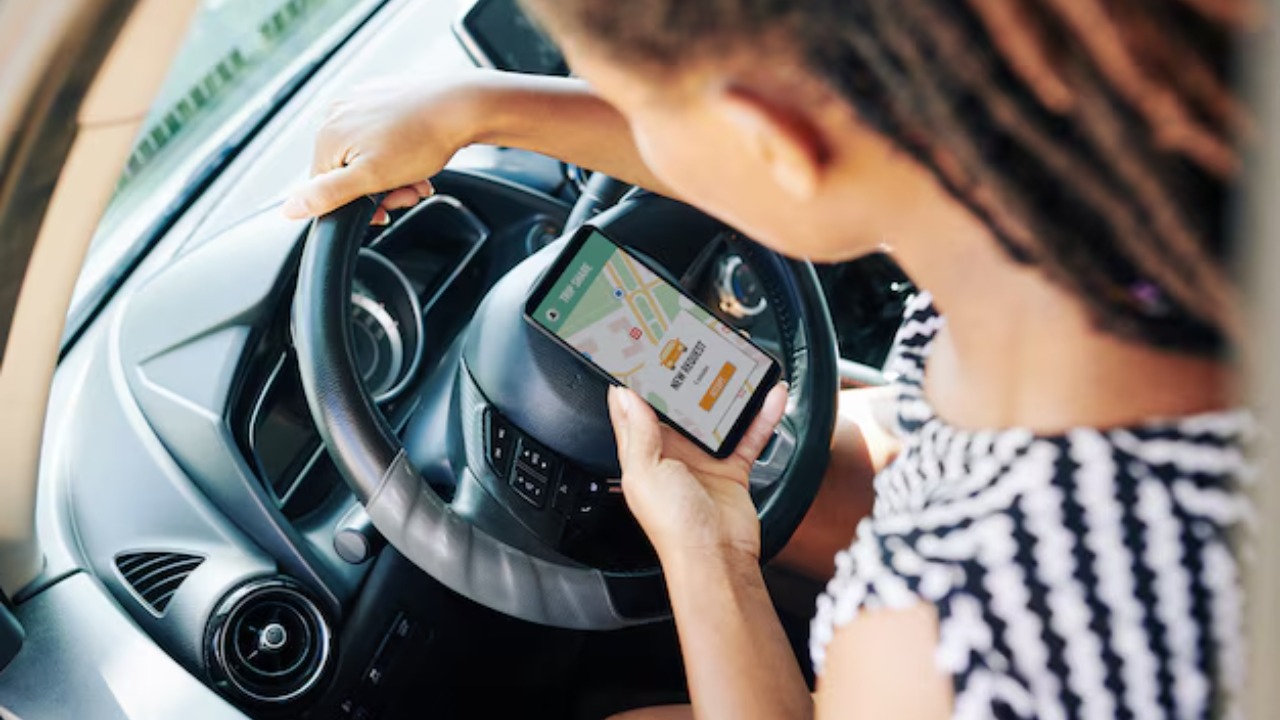
Integrating your smartphone with your car provides seamless access to apps and services, but it also means sharing personal data. Your contacts, messages, and location data can be accessed through the car’s system.
To protect your privacy, you can adjust your phone’s settings to limit data sharing. Check out this guide to stop your phone from tracking you.
Event Data Recorders
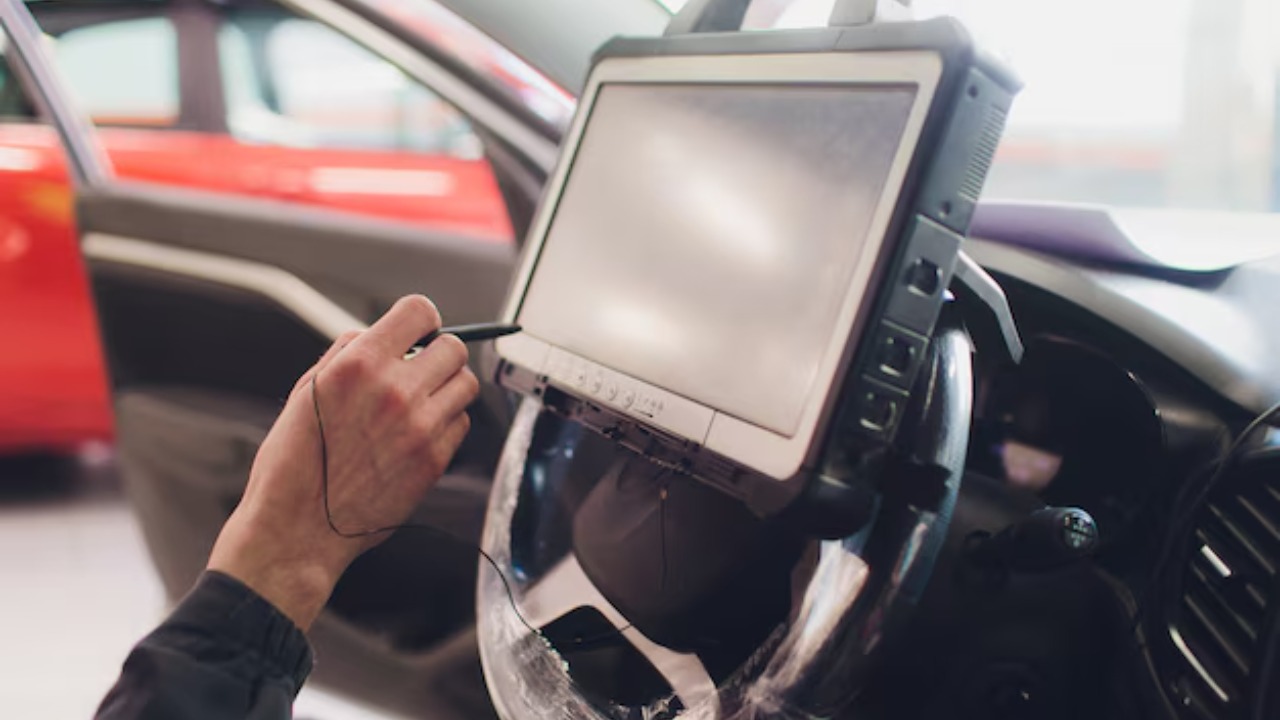
Often compared to a plane’s black box, event data recorders (EDRs) capture details about your car’s performance before and during a crash. These devices can provide valuable information for accident investigations but can also be used to monitor your driving habits.
If privacy is a concern, be aware of your car’s EDR capabilities and consider seeking legal advice on data ownership.
Vehicle-to-Vehicle Communication
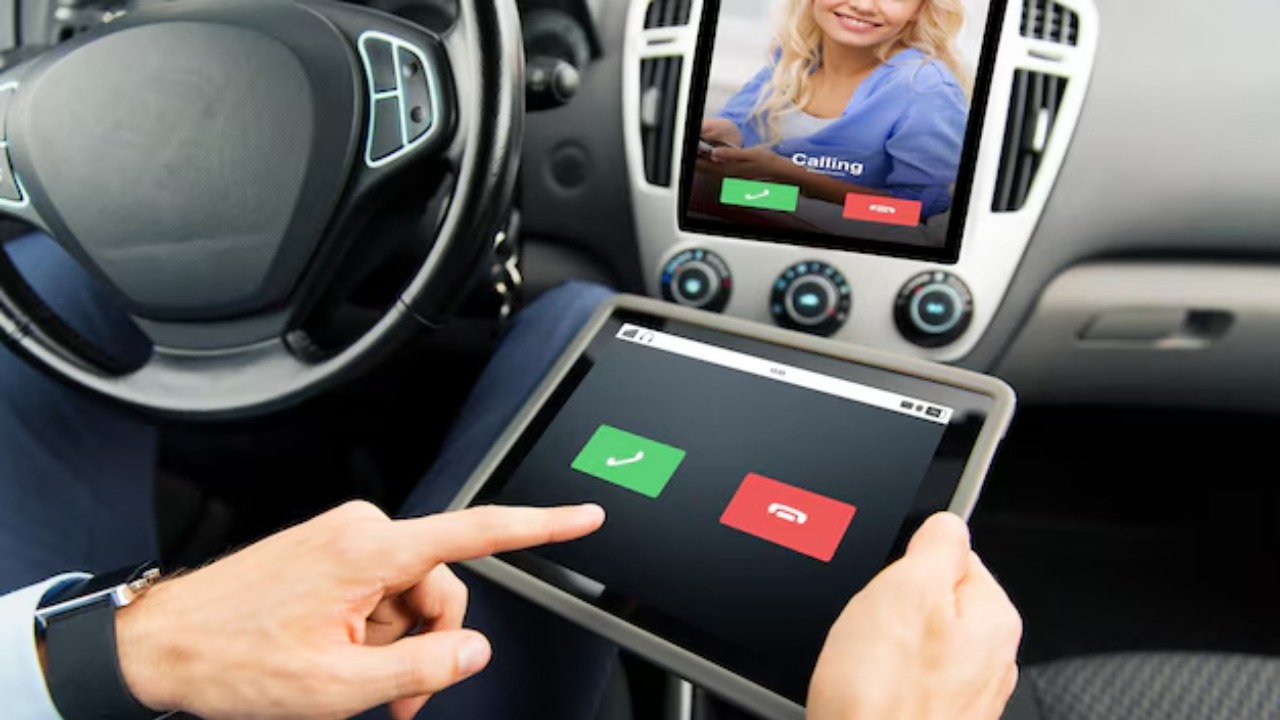
Vehicle-to-vehicle (V2V) communication allows cars to share information about speed, direction, and road conditions to enhance safety. While this technology reduces accidents, it also involves constant data exchange. The hidden layers of this network may expose sensitive information. Stay informed about V2V developments and consider the trade-offs between safety and privacy.
License Plate Recognition Systems
License plate recognition (LPR) systems are widely used for traffic management and law enforcement. By capturing and storing images of your license plate, these systems can track your vehicle’s movements. While LPR technology is useful for public safety, it also raises privacy concerns. To understand the implications, research the policies governing LPR data use in your area.
In-Car Cameras and Sensors
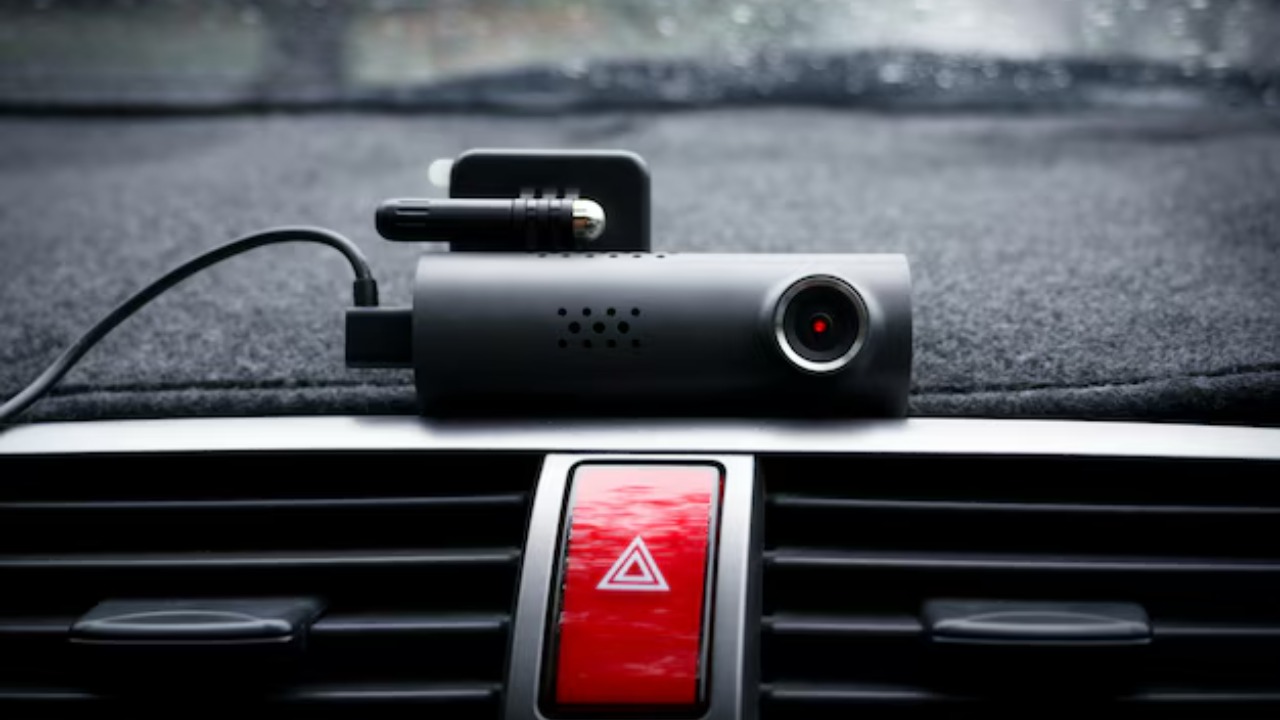
Many modern cars are equipped with cameras and sensors to assist with parking, lane-keeping, and collision avoidance. These devices continuously monitor your surroundings and can record images and videos. While useful for safety, they also pose privacy risks. Review your car’s settings to understand what data is recorded and consider disabling features that are not essential for your needs.